

Steep yards can turn mowing into a slow, tiring chore, especially when traction, deck width, and weight all pull in different directions. You need a mower that fits your slope, your grass length, and how much pushing you want to do on a Saturday afternoon. This lineup keeps the focus on control, cutting flexibility, and real backyard use, not flashy extras. You’ll find gas and cordless options here, plus a few models that make more sense for smaller hill sections than for wide, uneven acreage.
Quick Look At The Shortlist

PowerSmart EasyGlide 21-Inch Gas Lawn Mower

PowerSmart 18-inch 144cc Gas Lawn Mower
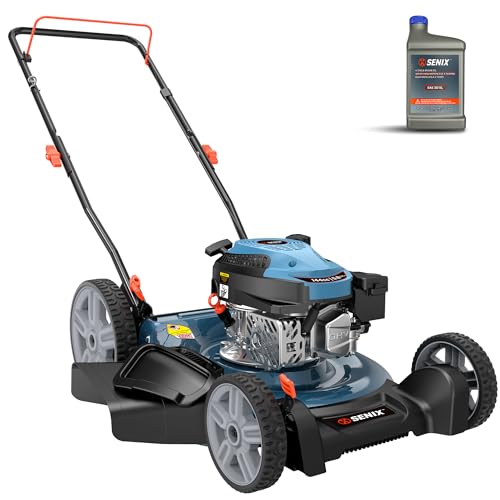
SENIX 21-Inch Gas Push Lawn Mower

Litheli 14 Inch Cordless Lawn Mower

PowerSmart 21″ Gas Self-Propelled Lawn Mower

PowerSmart EasyCut 18-Inch Gas Lawn Mower

SnapFresh 40V 17” Brushless Lawn Mower
More Details On Our Top Picks
A 21-inch deck gives this PowerSmart a wider sweep than the 18-inch model below, so you cover more ground with each pass. The 144cc four-stroke OHV engine points to straightforward gas power, and the steel deck adds a sturdier feel for routine yard work.
For a yard with a few sloped runs and some thicker patches, the 3-in-1 setup gives you more room to adapt than a side-discharge-only machine. The honest trade-off is size, since a wider deck can feel less nimble on tight turns or narrow side yards.
Strong Points
- 21-inch cutting width helps reduce lap count on larger lawns.
- Three discharge choices give you more control over clippings.
- Steel deck suits regular use in a working backyard.
- Six height settings make it easier to match grass length to season changes.
- Gas power fits yards where cord management would be a nuisance.
Things To Consider
- The wider body can feel less handy on cramped corners.
- Gas ownership means routine fuel and upkeep habits matter.
- Push-only design asks more from you on steeper stretches than a drive-assisted mower.
Feature Snapshot
Who It Suits Best
Homeowners with a mixed-size yard and a few uneven stretches will get the most from this layout.
Where A Sibling Pick Shines
PowerSmart 21″ Gas Self-Propelled Lawn Mower suits steeper properties better because the rear-wheel drive does more of the pushing for you.
That smaller 18-inch deck is the main appeal here, because it can feel easier to guide across sloped strips and around tight landscaping. The 144cc four-stroke OHV engine keeps it in familiar gas-mower territory, while side discharge gives cut grass a quick exit path.
Five height positions are enough for ordinary seasonal changes, and the simpler format suits smaller lots that still have a few uphill sections. The trade-off is clear, though, since side discharge alone gives you less clippings flexibility than the first PowerSmart in this list.
Upsides
- 18-inch deck feels more manageable than wider push mowers.
- Side discharge keeps mowing straightforward for regular trimming.
- Five cut heights cover common yard conditions.
- Gas engine suits properties where battery runtime would feel restrictive.
Small Caveats
- You only get one clippings path, so lawn cleanup choices stay simple.
- It still asks for steady pushing on sustained inclines.
- Gas upkeep remains part of ownership.
At A Glance
Made For
Compact or moderately sized yards with a few sloped sections fit this mower well.
Skip It When
PowerSmart EasyGlide 21-Inch Gas Lawn Mower makes more sense for you if wider coverage and mulch-or-bag flexibility matter more than compact handling.
Compared with the two PowerSmart gas mowers above, this SENIX keeps the 21-inch footprint but trims the clippings setup to 2-in-1 mulching and side discharge. That makes it a cleaner fit for residential yards where you want flexibility without extra clutter in the deck controls.
The 144cc four-cycle engine and six height positions keep the basics familiar, and the wider deck helps on open, sloped turf that still needs regular upkeep. The catch is simple, because bagging is off the table and that matters for anyone who prefers a tidier finish after each mow.
Bright Spots
- 21-inch deck speeds up passes on open residential lawns.
- Mulch or side discharge gives you two practical clippings choices.
- Six height levels help you match cut length to grass conditions.
- Gas engine suits yards where extension cords would get in the way.
Worth Noting
- No bagging option, so cleanup style stays limited.
- Push design can feel demanding on longer inclines.
- Gas maintenance still comes with the territory.
Core Details
Right Fit For
Homeowners with moderate lawns and a few rolling sections will appreciate the balance here.
Another Choice May Suit
PowerSmart 21″ Gas Self-Propelled Lawn Mower suits steeper ground better because rear-wheel drive helps reduce the strain of pushing uphill.
This one changes the pace completely, because battery power removes fuel handling and cord management from the routine. The 14-inch deck is much smaller than the gas models above, which helps in narrow paths, tight fence lines, and smaller yards with mild slopes.
The 5.0Ah battery, brushless motor, and 9-gallon bag point to a setup built for lighter, cleaner cutting rather than rough terrain. You may find it short on reach for larger hillier properties, but for small to mid-sized yards it keeps mowing simple in a very practical way.
Highlights
- Cordless setup keeps movement easy around obstacles.
- Brushless motor usually supports smoother, lower-maintenance operation.
- 14-inch deck slips through cramped spaces with less effort.
- 9-gallon bag helps collect clippings for neater cleanup.
- Five height positions cover everyday trim preferences.
Areas To Watch
- Smaller deck means more passes on open lawns.
- Battery runtime matters more on larger or thicker grass areas.
- Light-duty format is better for modest hills than severe slopes.
Feature Card
The Right Fit
Small to mid-sized yards with modest slopes suit this mower best.
Where Another Pick Suits Better
PowerSmart 21″ Gas Self-Propelled Lawn Mower is the smarter call for steeper ground and larger spaces, since rear-wheel drive takes some of the load off your arms.
For steep hills, this is the clearest fit in the list because rear-wheel drive does real work while you guide the mower. The 170cc OHV engine, alloy steel deck, and easy-start framing put it into a more demanding category than the push-only models above.
It also keeps the 3-in-1 clipping options, so you’re not giving up flexibility just to gain hill help. The trade-off is weight and complexity, since self-propelled machines usually ask for a little more storage room and a little more upkeep than simpler push mowers.
Reasons To Buy
- Rear-wheel drive helps on uphill stretches and uneven ground.
- 170cc engine gives you more reserve than the smaller 144cc group.
- Three clipping modes support mulch, bag, or discharge routines.
- Alloy steel deck adds a sturdy feel for regular yard work.
- Six height settings let you tune the cut more precisely.
Room For Improvement
- Self-propelled hardware adds cost and mechanical complexity.
- It takes more storage room than the compact electric choices.
- Heavier frames can be less handy in tight side yards.
Technical Sheet
Whose Shelf It Belongs On
Homeowners with steeper, medium-sized lawns will get the most from this setup.
Reach For A Different Pick When
PowerSmart EasyGlide 21-Inch Gas Lawn Mower makes more sense for you if you want a simpler push format and don’t need drive assist on the slope.
This EasyCut keeps things lean with an 18-inch deck, so it feels more approachable than the 21-inch gas models when your yard is small and a little uneven. The 144cc OHV engine and steel deck keep it in familiar territory, while side discharge keeps the workflow simple.
The dual-lever height adjustment stands out because you can change the cut without fiddling around the deck as much. The trade-off is that side discharge only leaves you with one clippings path, so it suits straightforward trimming more than cleanup-heavy routines.
Best Bits
- 18-inch deck is easier to handle in compact yards.
- Dual-lever height control makes adjustments feel straightforward.
- Steel deck adds reassuring structure for regular use.
- Side discharge works well for quick, no-fuss mowing.
Minor Gripes
- Single discharge style limits clipping management choices.
- Push-only handling still asks more from you on hills.
- Gas upkeep remains part of the ownership routine.
Details At A Glance
Built With In Mind
Small yards with modest slope changes fit this mower well.
Look Elsewhere When
SENIX 21-Inch Gas Push Lawn Mower suits you better if you want a wider deck and two clipping modes for a larger lawn.
This SnapFresh takes a cordless route that feels cleaner and quieter in day-to-day use, and the two 5.0Ah batteries plus fast charger make the power setup more substantial than the smaller electric option above. The 17-inch deck sits between the compact Litheli and the wider gas models, which is a sensible middle ground for many modest yards.
The brushless motor is a nice touch, since brushless design generally means fewer wear parts than brushed setups and less fuss over time. The 45L bag is useful for clipping collection, though larger or steeper lawns can still ask more of a battery mower than a gas self-propelled unit.
Plus Points
- Two 5.0Ah batteries give you a stronger cordless setup.
- Brushless motor supports smoother, lower-maintenance operation.
- 17-inch deck balances coverage and easy steering.
- 45L bag helps keep clippings contained during cleanup.
- Six height levels give you useful everyday flexibility.
Softer Spots
- Cordless runtime still matters more as lawn size grows.
- Battery mowing can feel less suited to very steep turf than rear-drive gas.
- Smaller deck means more passes than the 21-inch options.
Core Details
Perfect Match For
Homeowners who want cordless convenience for a small or moderately sized yard will feel at home here.
A Better Fit Elsewhere
PowerSmart 21″ Gas Self-Propelled Lawn Mower is the more practical pick for steep, broad slopes where rear-wheel drive matters more than battery comfort.
How To Choose The Right Push Lawn Mowers For Steep Hills
Drive Type Changes The Whole Job
On steeper ground, drive help matters more than deck color, blade claims, or flashy handles. Rear-wheel drive usually gives you better uphill traction than a plain push format, which is why the PowerSmart self-propelled model stands apart for hillier properties. Push mowers still belong on the list, but they make the most sense on shorter slopes, split-level side yards, or lawns with just a few rising sections.
Deck Width And Weight Need To Match The Yard
A 21-inch deck trims more grass per pass, which saves time on open areas but can feel bulky in tighter turns. An 18-inch or 17-inch deck gives you more control around posts, beds, and narrow paths, while a 14-inch cordless model can feel almost nimble in confined spaces. The trade-off is simple, wider cuts reduce lap count, while smaller decks reward precision and easier steering.
Power Source Should Fit Your Routine
Gas mowers suit larger properties, thicker growth, and yards where you do not want to think about runtime. Cordless mowers, like the Litheli and SnapFresh picks, cut down on fuel chores and are easier to store, though battery capacity matters once the lawn gets larger or the grass gets dense. For a steep yard, the right call depends less on novelty and more on how long you mow, how often you mow, and whether charging fits your week.
Height Adjustment And Clipping Control Matter More Than You Think
Six height settings give you more room to adapt when the grass grows fast after rain or dries out in heat. That matters on hills, because uneven ground can make a too-low cut feel harsh and a too-high cut feel sloppy. Mulch, bag, and discharge options also change the cleanup burden, so a mower that matches your post-mow routine saves time as well as effort.
Things Worth Knowing First
Common Shopping Slip Ups
A lot of hill mowers get chosen for engine size alone, but that misses the part your arms feel most, which is how the mower moves across the slope. Small yards can still punish you if the machine is too heavy or too wide for the path layout. The safer move is to match the drive style and deck size to the hardest part of your yard, not the easiest.
Where The Extra Money Goes
Higher-tier hill mowers usually spend more on drive assistance, stronger frames, wider control options, and more refined batteries or engine packages. That matters most when your yard has repeated inclines, longer runs, or rough spots that make basic push mowing tiring. For gentler slopes, a simpler mower can still make sense, and you may not need to pay for features that sit unused most of the time.
Frequently Asked Questions
Are push mowers a good choice for steep hills?
They can work on moderate slopes, especially in smaller yards. Steeper ground becomes easier with rear-wheel drive or a lighter deck.
Is gas or cordless better on hilly ground?
Gas usually gives you more staying power for larger, thicker lawns. Cordless works well for smaller yards where easier handling matters more than long runtime.
What deck size feels easiest to handle on slopes?
Smaller decks usually steer more easily on narrow or uneven paths. Wider decks save time in open spaces but can feel less nimble on tight turns.
Does self-propelled really help on hills?
Yes, rear-wheel drive reduces how much pushing you need to do uphill. It’s a practical upgrade for yards with repeated grade changes.
What height range should you look for?
Multiple height settings help you adjust to seasonal growth and uneven ground. A mower with several stops gives you more control over the finish.
Closing Thoughts
For steep yards, the best mower is the one that matches the slope before it matches the lawn fantasy. The PowerSmart self-propelled model is the clearest fit for the hardest hills, while the smaller push mowers make more sense for lighter slopes and tighter spaces. Cordless options bring welcome convenience, especially in compact yards. Choose the machine that makes mowing feel steady, not stubborn, and your weekends get easier fast.
