

Stiff, compacted turf does not usually need a fancy answer, it needs the right tool for your soil and your stamina. These push lawn aerators cover the common backyard jobs, from light maintenance on smaller lawns to heavier rolling designs that make more sense on larger, denser ground. You’ll see where a simple spike tool is enough, where a weighted roller pays off, and where handle design can spare your back on a long pass.
Quick Look At The Shortlist
Colwelt Spike Lawn Aerator 49inch Steel Handle

Walensee Rolling Lawn Aerator 42 Spikes Adjustable Handle

Grenebo Lawn Aerator Tool 16 Spikes Black Green

VEVOR Rolling Lawn Aerator 18-inch 27 Iron Spikes

VEVOR Rolling Lawn Aerator 21-inch 33 Iron Spikes
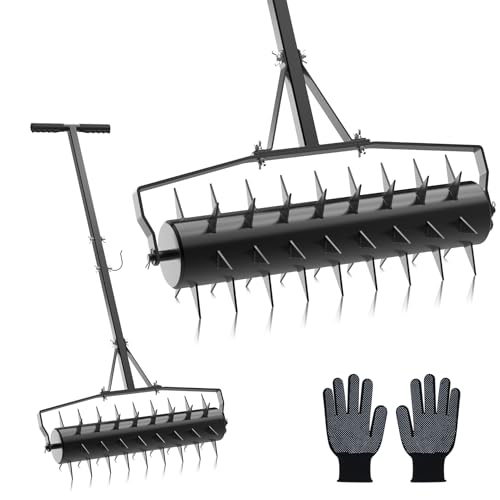
Seeutek 23Inch Rolling Lawn Aerator 3 Adjustable Height Handles

K.D STONEDGE Patented Rolling Lawn Aerator Manual Coring Tool

SENVERT Rolling Lawn Aerator Up to 55 lbs
More Details On Our Top Picks
Long handle tools make the most sense when you plan to cover a decent stretch of turf without stopping every few steps, and this Colwelt model leans into that idea with its 49-inch steel handle. The rolling spike layout keeps the motion simple, though steel handle comfort matters more in uneven ground than on short, flat passes.
You’ll likely appreciate it most in a typical suburban yard where a straightforward manual tool is easier to store than a powered machine. The trade-off is plain enough, spike-style aeration is lighter duty than core removal, so you’re choosing convenience and coverage rather than aggressive soil punching.
Strong Points
- 49-inch steel handle gives you extra reach for upright pushing.
- Rolling format keeps the motion familiar for simple yard maintenance.
- Useful for routine surface aeration on moderately sized lawns.
- Steel construction should suit frequent seasonal use better than flimsier builds.
Worth Noting
- Spike aeration works more lightly than a coring tool.
- Longer handle length can feel a little bulky in tight storage spots.
- Uneven or rocky soil may make the ride feel less smooth.
Feature Snapshot
Who It Suits Best
Homeowners with medium-sized lawns and a preference for simple manual gear will get the most from this layout.
Where A Sibling Pick Shines
K.D STONEDGE Patented Rolling Lawn Aerator Manual Coring Tool makes more sense for you if compacted soil is the main issue and you want a coring-style approach.
Adjustability is the main story here, and that matters more than it sounds like it would on paper. A handle that changes fit can make repeated passes feel less awkward, especially for taller users or anyone sharing the tool across the household.
Compared with the Colwelt pick, this Walensee model puts more emphasis on user fit than raw handle material alone. The 42-spike layout also signals broad ground contact, though a denser spike count can still ask more from your arms on firm dirt.
What We Like
- Adjustable handle helps the tool fit different heights more comfortably.
- 42 spikes spread contact across more turf with each pass.
- Rolling form keeps setup simple for routine lawn care.
- Good match for households that share outdoor tools.
- The longer overall build suits wider open yards.
Points To Note
- More spikes can mean more effort on harder ground.
- Longer tools usually need a bit more storage space.
- Manual rolling tools still ask for regular cleaning after use.
Details At A Glance
Built With In Mind
Shared households, taller users, and anyone who wants a manual aerator with more reach are the best match here.
Another Choice May Suit
Grenebo Lawn Aerator Tool with 16 Spikes fits smaller lawns and lighter maintenance better, especially where a simpler tool is enough.
This is the simplest-looking option in the group, and that’s the appeal for homeowners who just want to get on with the job. The 16-spike layout points toward lighter-duty use, while the pre-assembled format helps spare you from extra setup before a short maintenance session.
Compared with the rolling Colwelt and Walensee picks, Grenebo feels more like a quick-grab tool for smaller patches and occasional upkeep. The honest read is that it suits light, regular care better than rough, compacted turf that needs a heavier push.
Highlights
- Pre-assembled setup saves time before your first pass.
- 16 spikes keep the design straightforward and easy to handle.
- Metal construction adds a sturdier feel than basic plastic tools.
- Works well for spot care on smaller lawns and garden edges.
Softer Spots
- Light-duty design is less suited to deeply compacted soil.
- Manual use can still feel repetitive on bigger yards.
- Smaller format may not cover broad areas as quickly as rolling models.
Core Details
Right Fit For
Small-yard owners and anyone who wants a plain manual tool for light maintenance will probably find this the easiest match.
Reach For A Different Pick When
VEVOR Rolling Lawn Aerator 21-inch 33 Iron Spikes suits broader lawns better, especially where faster coverage matters more than simplicity.
The shorter 18-inch rolling body gives this VEVOR a tighter footprint than the broader models above, which is handy in narrower storage areas or around more crowded yard layouts. Detachable handle design usually makes storing a tool like this less awkward, and that practical detail matters more than flashy looks.
Compared with the 21-inch VEVOR, this version should feel a little easier to steer in tighter runs, though you give up some coverage per pass. For most backyard routines, that trade-off is sensible rather than limiting.
Upsides
- 18-inch width suits tighter mowing lanes and smaller storage areas.
- Detachable handle makes the tool easier to tuck away.
- 27 iron spikes provide a solid rolling contact pattern.
- Good middle ground for routine yard upkeep without a huge frame.
Areas To Watch
- Shorter width means more passes on larger lawns.
- Rolling tools can take a little care to clean after muddy use.
- Detachable parts add one more thing to keep track of during storage.
Feature Rundown
Whose Shelf It Belongs On
You’ll get the most from this model in smaller yards, narrow side strips, or garages where storage space is already spoken for.
Swap It Out When
Seeutek 23Inch Rolling Lawn Aerator 3 Adjustable Height Handles suits you better when you want more width and a handle that adapts to different users.
This one stretches the VEVOR formula a bit wider, and that extra width usually matters on lawns where you want fewer passes and a steadier walking rhythm. The 33 iron spikes push it toward more coverage than the 18-inch version, so it sits in a comfortable middle ground for many suburban yards.
Unlike the smaller VEVOR model, this pick makes more sense for mid-size spaces where a little extra span saves time without jumping to an oversized tool. You may still want to think about storage, though, because broader rollers are rarely the neatest fit in a packed shed.
Best Bits
- 21-inch width covers more ground on each pass.
- 33 iron spikes create a fuller rolling contact pattern.
- Detachable handle helps with transport and off-season storage.
- Strong match for mid-size lawns that need regular upkeep.
Small Caveats
- Bigger frame can feel less nimble in tighter corners.
- Storage needs grow as width grows.
- Manual rolling still asks for steady pushing on firm patches.
Technical Sheet
The Right Fit
Mid-size yard owners who want a wider rolling tool without jumping into a bulky frame are the most natural match here.
A Better Fit Elsewhere
VEVOR Rolling Lawn Aerator 18-inch 27 Iron Spikes suits tighter spaces better, especially where compact storage matters as much as coverage.
The Seeutek stands out for one simple reason, three handle heights make the tool easier to tailor to different bodies and work styles. That kind of fit can matter a lot during longer lawn sessions, because a handle that sits right tends to feel less tiring than one that makes you lean.
At 23 inches, it also moves into broader coverage territory than the 18-inch VEVOR, while keeping the same basic rolling-aerator feel. The honest read is that this is a sensible upgrade for shared households or anyone who values comfort details as much as coverage.
Reasons To Buy
- Three handle-height settings make fit adjustment easy.
- 23-inch width covers a broader strip than smaller rollers.
- Ergonomic shape supports a more comfortable pushing posture.
- Padded T-bar adds a softer contact point for extended use.
- Well suited to households where more than one person will use it.
Trade Offs
- Larger size can take more room in storage.
- Broader rollers still need steady effort on compact soil.
- Padded touchpoints help comfort, but they do not remove the work.
Quick Facts
Made For
Shared households and homeowners who want a wider roller with more fit control will get the most from this tool.
Look Elsewhere When
Grenebo Lawn Aerator Tool with 16 Spikes suits lighter jobs better if your yard is small and you want a simpler, leaner tool.
Once compacted soil becomes the main issue, a coring-style tool starts to make more sense than a basic spike roller. This K.D STONEDGE model leans into that job with mobile wheels and a reinforced dual push rod, which points to steadier control during heavier work.
Compared with the simpler spike aerators above, this pick is aimed at a more demanding yard profile and a user who wants soil plugs pulled rather than just punctured. A core tool can feel slower, though that slower pace is part of why it suits tougher ground.
Bright Spots
- Rolling coring design is better aligned with compacted soil work.
- Transport wheels help move the tool more easily between areas.
- Reinforced dual push rod suggests better control under load.
- Soil-plug action gives a more aggressive aeration style than basic spikes.
Honest Caveats
- Coring tools usually ask for more effort than lighter spike rollers.
- Heavier-duty construction often means more storage weight to manage.
- Soil plug cleanup is part of the routine after use.
At A Glance
Who Should Grab It
You’ll appreciate this most if your lawn is dense, tired, or visibly compacted and you want a more serious manual approach.
Skip It When
SENVERT Rolling Lawn Aerator Up to 55 lbs is easier to live with for routine upkeep, especially if you want a simpler push-style tool.
A weighted push aerator changes the feel of the job in a useful way, because extra mass can help keep the roller planted as you move across the lawn. This SENVERT model is built around that idea, with an up-to-55-pound design that aims for steadier contact during normal turf care.
Compared with the lighter spike tools in this list, it makes more sense for homeowners who want a planted, controlled roll rather than a feather-light push. The trade-off is predictable, weight adds grip on the ground, but it also asks more of you on long runs or sloped patches.
What We Like
- Up to 55 pounds gives the roller a more grounded feel.
- Weighted design can help the tool stay engaged with turf.
- Good match for routine lawn upkeep and seasonal touch-ups.
- Simple push format keeps the learning curve mild.
Minor Gripes
- Extra weight can feel tiring over larger properties.
- Heavier tools are less convenient to move in and out of storage.
- Manual use still depends on steady effort across the yard.
Core Details
The Right Fit
You’ll get the most from this if you want a heavier manual roller for ordinary lawn maintenance and can handle the extra push effort.
Where Another Pick Suits Better
Seeutek 23Inch Rolling Lawn Aerator 3 Adjustable Height Handles suits mixed-height households better, especially where comfort adjustment matters.
How To Choose The Right Push Lawn Aerators
Match The Aerator Style To Your Soil
Spike aerators work by puncturing the turf, so they fit routine maintenance and lawns that only need a little more air and water movement. Core aerators pull small plugs of soil, which makes them a better fit for more compacted ground, especially in yards that feel hard underfoot after long dry spells or repeated foot traffic.
That difference matters more than handle length or paint color. A light spike roller can feel easy to live with, while a coring tool asks more from you and gives more back on dense soil.
Think About Width, Weight, And Reach
Width controls how much ground you cover per pass. Narrower rollers suit tight side yards and small storage spaces, while wider heads make sense for mid-size lawns where fewer passes save time and energy.
Weight changes the feel of the push. A heavier roller sits more firmly on the turf, but it can feel taxing on slopes or long runs, so your yard layout should guide that choice.
Don’t Skip Handle Fit And Storage
A handle that matches your height makes the job less awkward. Adjustable handles are useful in shared households, and longer steel handles often feel better for upright pushing, though they can be clumsier to store.
Detachable handles help in tight garages and sheds. That detail sounds minor until you’re trying to fit a yard tool beside mowers, rakes, and everything else that ends up in the same corner.
Look For Build Details That Suit Routine Use
Iron spikes, steel handles, padded grips, and reinforced push rods all point to different kinds of durability and comfort. None of them erase the work, but they do change how the tool feels after ten minutes or thirty.
For most homes, the right pick is the one that matches the size of the lawn and the amount of strain you’re willing to handle. A tool that fits your space tends to get used more often, and that’s usually the point.
Things Worth Knowing First
Common Shopping Slip Ups
Plenty of shoppers focus on spike count alone, then forget about lawn size and handle comfort. That can leave you with a tool that looks busy on paper but feels awkward in the yard.
Another easy miss is storage. Wide rollers and one-piece handles can be fine for open garages, but cramped sheds tend to expose those trade-offs fast.
Where The Extra Money Goes
Higher-tier models usually pay for wider coverage, heavier frames, adjustable handles, or stronger push assemblies. Those features matter most when you mow a larger lawn, share tools with others, or want a more controlled feel on tougher ground.
The upgrade is worth it when you use the tool regularly and want less strain over time. For a small patch of turf, a simpler option is often enough and easier to live with.
Frequently Asked Questions
What does a push lawn aerator do?
A push lawn aerator opens the soil so air, water, and nutrients can move more easily through the turf. Spike styles puncture the ground, while coring styles remove small plugs.
Which is better, spike or coring?
Spike tools suit lighter upkeep and general maintenance. Coring tools fit firmer, more compacted soil better.
How wide should the tool be?
Smaller widths suit tight yards and easy storage. Wider models work better for larger lawns because they cover more ground per pass.
Does handle height really matter?
Yes, especially during longer sessions. A handle that fits your height can reduce awkward leaning and make the push feel more natural.
Is weight always better?
Not always, because extra weight helps the roller stay planted but also increases effort. Heavier models suit stronger ground contact, while lighter tools are easier for long sessions.
Closing Thoughts
The best push lawn aerator for your yard is the one that matches your soil, your storage space, and how much effort you want to spend getting the job done. A simple spike tool can be enough for routine upkeep, while a coring model or heavier roller makes more sense once the lawn starts to feel stubborn underfoot. You do not need the most complex option, just the one that fits your space and your pace. That’s usually the calmest way to keep the yard moving in the right direction.
