

Ant trails across turf can turn a calm yard into a constant chore, especially near patios, fence lines, and mulch beds. This roundup focuses on ant controls that fit real outdoor jobs, from bait granules for slow colony pressure to ready-to-spray options for wider lawn coverage. You get a clear way to match the product to the space, the infestation pattern, and how much mixing or spraying you want to handle.
Quick Look At The Shortlist

Spectracide One Shot Fire Ant Killer 1.5 lb

Neudorff Outdoor Ant Killer Ant Bait Granules 1 LB

Agrisel Bifenthrin Pro 7.9 Insecticide 1 Gallon
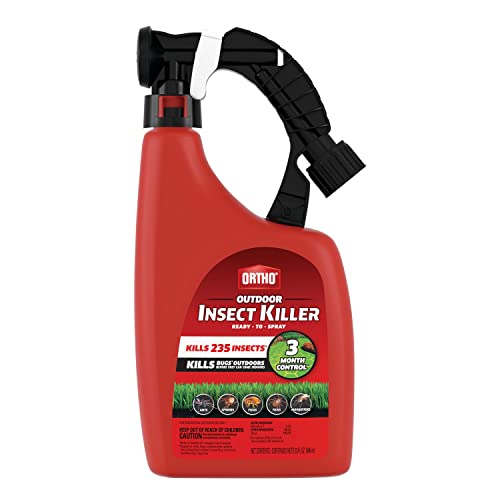
Ortho Outdoor Insect Killer Ready-to-Spray 32 fl. oz.

Sevin 100550343 Garden Perimeter Insect Granules 3 lb

Amdro Quick Kill Insect Killer Ready-to-Spray 32 Oz

BioAdvanced Complete Brand Insect Killer Ready-to-Spray 32 oz

BioAdvanced 24 Hour Lawn Insect & Fire Ant Killer 32FOZ
More Details On Our Top Picks
Fire ant bait works differently from a spray, and that matters in a yard with active mounds that keep popping up after rain. Spectracide’s 1.5-pound format fits that slower, colony-focused approach, so you can place it and let the ants carry it back instead of treating only the surface.
Compared with the ready-to-spray picks later in this list, this one asks for less immediate coverage and more patience. That trade-off suits homeowners who want a targeted mound strategy near patios, play areas, or fence lines, though it can feel less direct than a hose-end treatment.
Strong Points
- Fire ant bait format reaches beyond the visible mound.
- Small 1.5-pound size is easy to store in a garage shelf or shed bin.
- Useful for spot treatment around the edges of a lawn.
- The slower approach can fit recurring mound problems better than a quick spray.
Things To Consider
- Bait-style control usually takes more patience than contact sprays.
- Spot placement matters, so uneven spreading can reduce usefulness.
- Rainy weather or frequent watering can complicate outdoor application timing.
Feature Snapshot
Who It Suits Best
You get the most from this pick when your main issue is fire ants around a yard, patio edge, or landscaped border and you prefer bait over spraying.
A Better Fit Elsewhere
BioAdvanced 24 Hour Lawn Insect & Fire Ant Killer 32FOZ suits homeowners who want a ready-to-spray option with a stronger push for faster visible control.
Neudorff takes the bait idea and stretches it across a broader perimeter job, which is handy for yards where ants travel from beds into turf. The listed 2,000-square-foot coverage gives you a better sense of scale than the smaller pouch on Spectracide, so it can suit longer fence runs or a wider foundation edge.
The four-week duration is the kind of detail that matters in a busy yard, because you may not want to reapply constantly after every mow. The honest trade-off is that granules need even distribution, so a light hand in one corner and a heavy pass in another can leave gaps.
What We Like
- Granules make perimeter work straightforward across soil, mulch, and turf edges.
- 2,000 square feet is a practical footprint for many suburban yards.
- Four-week duration helps reduce frequent reapplication.
- The bait format suits slow-moving colony pressure around the outside of the home.
Worth Noting
- Granule spread needs consistency for even coverage.
- Storage is simple, but an open bag can be awkward in damp sheds.
- It works more like a perimeter tool than a fast spot fix.
At A Glance
Built With In Mind
You’ll appreciate this one most in a yard that needs perimeter treatment without a lot of mixing or sprayer cleanup.
Where A Sibling Pick Shines
Sevin 100550343 Garden Perimeter Insect Granules 3 lb suits gardeners who want a similar granule approach with a larger 3-pound bag on hand.
Agrisel is the most mix-heavy option in this group, and that usually appeals to homeowners managing a broader insect problem instead of a single mound. Bifenthrin is a synthetic pyrethroid, a common outdoor insect-control ingredient, and here it comes in a one-gallon format that suits repeated lawn and landscape work.
The 125-plus insect claim sets it apart from the more ant-focused bait products above, though that broader reach also means it’s less specialized for ant behavior alone. For larger properties, orchard edges, or crop-adjacent spaces where plant compatibility matters, that flexibility can be useful, but it asks for a more careful mixing routine than ready-to-spray bottles.
Upsides
- One-gallon size supports repeated outdoor use.
- Broad insect list makes it useful beyond ants alone.
- Works for lawns, landscape edges, and plant-adjacent areas.
- Can suit property owners who prefer a concentrate they control themselves.
Small Caveats
- Mixing adds a step that not everyone wants.
- The broader formula can feel more than you need for a simple mound problem.
- Storage takes more shelf space than the smaller spray bottles in this roundup.
Core Details
Right Fit For
You should look at this one when your yard work tends to include ants plus a wider list of outdoor insects and you don’t mind handling concentrate.
Look Elsewhere When
Ortho Outdoor Insect Killer Ready-to-Spray 32 fl. oz. is a simpler route for homeowners who want a hose-end bottle without measuring concentrate.
Ready-to-spray bottles remove a lot of friction, and that’s the whole appeal here. Ortho’s 32-fluid-ounce format suits quick passes along sidewalks, foundation edges, and lawn borders, especially on days when you want to treat the yard without mixing a concentrate.
Compared with Agrisel’s gallon concentrate, this option is easier to grab and spray, though you give up the flexibility of custom dilution. It’s a sensible fit for homeowners who want a straightforward routine around listed ants and don’t need a larger chemistry cabinet waiting in the garage.
Highlights
- Hose-end format keeps setup simple.
- Useful for quick coverage of garden and landscape edges.
- The bottle size is easy to store near other yard tools.
- Works as a practical choice for routine ant pressure.
Points To Note
- Ready-to-spray products usually give less control than a mix-it-yourself concentrate.
- Coverage depends on how evenly you move the hose end across the area.
- It suits maintenance use more than deep colony chasing.
Details At A Glance
Whose Shelf It Belongs On
You’ll get the most value from this bottle if you prefer a simple hose-end routine for lawn borders and patio edges.
Swap It Out When
Amdro Quick Kill Insect Killer Ready-to-Spray 32 Oz is the more appealing sibling pick for homeowners who want a similar spray format with broader lawn-and-landscape emphasis.
Sevin’s granule format sits between bait and spray, which gives you a middle path for perimeter control. The 3-pound bag makes sense for gardeners handling beds, borders, and the lawn edge at the same time, especially where you want a more deliberate spread than a hose-end bottle provides.
Unlike Spectracide’s fire-ant-specific bait, this one leans into general garden perimeter work and a longer treatment window. That makes it a useful all-around option, though it does ask for regular spreading discipline so the granules don’t sit in clumps or thin spots.
Reasons To Buy
- Granules are easy to place around garden boundaries.
- 3-pound size is handy for broader perimeter jobs.
- 3-month control claim suits homeowners who prefer fewer application cycles.
- Works above and below the surface, which helps for mixed soil and turf zones.
Areas To Watch
- Granules need careful distribution to stay even.
- Bulkier than bait packets, so storage takes a little more room.
- It may be more product than a tiny patio strip needs.
Key Specs
Made For
This fits gardeners and homeowners who want perimeter granules with enough volume to handle a medium-size yard border.
A Better Fit Elsewhere
Neudorff Outdoor Ant Killer Ant Bait Granules 1 LB is the neater fit for smaller perimeter jobs where a 1-pound bag feels easier to manage.
Amdro lands in the middle of convenience and coverage, which is exactly why it belongs in a lawn-treatment shortlist. The ready-to-spray bottle keeps the process simple, and the listed up-to-three-month control gives it a steadier place in a routine than a one-and-done spot treatment.
Compared with Ortho, this one leans harder into lawn and landscape use while still staying easy to apply. For homeowners who want a spray that can handle a larger outdoor maintenance pattern, it’s a sensible step up, though the hose-end format still means you’re tied to the rhythm of the spray wand.
Best Bits
- Ready-to-spray format keeps prep light.
- Up to 3 months of control is useful for recurring outdoor maintenance.
- Works across lawn and landscape spaces.
- The bottle size is straightforward to stash with other yard tools.
Softer Spots
- You still need to work the hose-end evenly across the area.
- Less flexible than a concentrate if you like custom dilution.
- Best suited to broad routine care, not tiny isolated mound work.
Feature Rundown
The Right Fit
This works well for you if you want a ready-to-spray lawn and landscape product that feels more maintenance-friendly than specialty bait.
Where Another Pick Suits Better
Agrisel Bifenthrin Pro 7.9 Insecticide 1 Gallon suits property owners who want a concentrate and do not mind the extra mixing step.
BioAdvanced Complete looks built for larger lawn coverage, and the 5,333-square-foot figure gives it a clear edge on scale. That matters in a wide yard where you want to treat turf, soil, and lawn sections without swapping products every few minutes, almost like using one broad brush instead of several tiny ones.
Compared with Amdro, this one emphasizes breadth of coverage more than a narrow lawn routine. For homeowners with long runs of turf or multiple outdoor problem zones, that can save time, though the ready-to-spray format still favors people who prefer straightforward application over custom mix control.
Positives
- Large coverage area suits bigger lawns.
- Ready-to-spray format keeps the workflow simple.
- Works on soil, turf, and lawns, so you can treat several outdoor zones with one bottle.
- The 32-ounce bottle is manageable without being bulky.
Trade Offs
- Broad coverage is useful, but it can be more product than a small yard requires.
- It still depends on even spray movement for consistent treatment.
- Maintenance-minded homeowners may prefer a bait if mound targeting matters more than yard-wide coverage.
Spec Overview
Who Should Grab It
You’re a strong match for this bottle when your yard is large enough that broad spray coverage matters more than ultra-targeted mound treatment.
Another Choice May Suit
BioAdvanced 24 Hour Lawn Insect & Fire Ant Killer 32FOZ is the sharper fit for homeowners whose main issue is fire ants rather than a wider lawn insect mix.
This pick is the most directly focused on fire ants in the roundup, and the queen-targeted claim gives it a clearer mission than the broader lawn sprays. For yards with stubborn colonies, that focus matters because surface activity is only part of the problem, especially after rain or repeated mowing.
The 5,333-square-foot coverage is a strong fit for large outdoor spaces, but the real appeal is the combination of scale and a fire-ant-specific angle. Compared with BioAdvanced Complete, this one narrows the job; that’s a good thing for homeowners who want the product aimed at a specific ant headache rather than a wider insect list.
Reasons To Buy
- Fire-ant-specific focus makes the intent clear.
- Ready-to-spray format keeps treatment simple.
- Large coverage area suits broad lawn use.
- Useful for homeowners who want one product centered on ant control rather than a general insect mix.
Honest Caveats
- The fire-ant emphasis makes it less of a general-purpose pick than the broad-spectrum options.
- Large coverage still depends on even spray application.
- The bottle is better suited to regular outdoor routines than tiny one-off spots.
Quick Facts
Who Will Love This
You’ll get the most out of this bottle when fire ants are the main problem and your yard is large enough to reward broader spray coverage.
Where Shoppers Go Wrong
Spectracide One Shot Fire Ant Killer 1.5 lb is the cleaner fit for homeowners who want a bait-style route instead of a spray-first approach.
How To Choose The Right Pesticides For Ants In Lawn
Match The Form To The Ant Pattern
Bait and spray work in different ways, so the ant activity in your yard should shape the choice. Bait granules suit trails, mounds, and perimeter pressure because ants carry material back to the colony, while ready-to-spray products fit broad surface treatment across turf and borders.
For a few stubborn mounds near a walkway, a bait can feel calmer and more targeted. For widespread activity after warm, wet weather, a hose-end spray usually feels easier to cover a larger area in one pass.
Think About Yard Size And Coverage
Coverage matters more than many shoppers expect, especially on long fence lines or larger suburban lots. A 32-ounce spray bottle may be enough for routine touchups, while a 3-pound granule bag or a 1-gallon concentrate better suits bigger yards or repeated work.
The trade-off is storage and handling. Bigger formats usually save repeat trips to reorder, but they also need more shelf space and a steadier application routine.
Weigh Speed Against Persistence
Fast contact sprays can help with immediate visible activity, which is useful near a patio before guests arrive or around a foundation where the trail keeps returning. Bait and perimeter granules usually ask for more patience, but they can fit a longer plan for colony pressure.
That choice often comes down to how you maintain the yard. Busy homeowners usually prefer a ready-to-spray bottle, while people managing a recurring ant issue often appreciate a slower, more deliberate option.
Check For Fit Around Plants And Landscaping
Some products are built for lawns and landscapes, while others lean toward garden edges or plant-adjacent areas. That detail matters in beds with shrubs, turf, and mulch all meeting in one stretch, because the wrong format can feel awkward to use.
Concentrates add flexibility, but they also add mixing. Ready-to-spray bottles are easier to handle, though they give less control over dilution and placement.
Things Worth Knowing First
Common Shopping Slip Ups
Many people focus on the word ant and stop there, which can lead to a mismatch between bait, spray, and granules. A fire-ant bait can be a poor fit for someone who really needs broad turf coverage, and a broad insect spray can feel oversized for a tiny mound problem.
Another common miss is ignoring coverage numbers. A bottle that works for a small patio strip may feel underpowered on a larger lawn edge.
Where The Extra Money Goes
Higher-tier products in this category usually pay for broader coverage, more specialized formulations, or a format that fits a cleaner workflow. Ready-to-spray bottles and larger concentrates often cost more because they cover more ground or reduce the need for repeated purchases.
The upgrade makes sense when you manage a larger yard, repeated ant pressure, or a mix of turf and landscape zones. A smaller bait can still be the smarter choice for targeted mound work.
Frequently Asked Questions
Are bait granules better than sprays for lawn ants?
Bait granules work well when ants are moving through the yard and carrying food back to the colony. Sprays make more sense for broad surface treatment and faster visible contact.
How do you choose between a concentrate and a ready-to-spray bottle?
A concentrate gives you more control over mixing and usually fits bigger or repeated jobs. A ready-to-spray bottle keeps the process simpler and is easier for routine lawn care.
Do fire ant products differ from general insect killers?
Yes, fire ant products usually focus on mound control or colony-oriented action. General insect killers are broader and can cover more pests, but they may feel less specialized for ants alone.
What size product works best for a typical yard?
Smaller yards often do fine with compact bait or a 32-ounce spray bottle. Larger lawns usually benefit from higher coverage numbers or a larger concentrate container.
Why does coverage area matter so much?
Coverage tells you how much lawn or perimeter a product can handle before you need another treatment. That number helps you avoid buying a bottle that runs short halfway through the yard.
Bottom Line
The right ant control for your lawn depends on how the problem shows up, not just on the label. Bait works well for colony-minded treatment, while sprays suit broader turf jobs and faster application. For a focused fire-ant issue, BioAdvanced 24 Hour Lawn Insect & Fire Ant Killer 32FOZ stands out; for broader yard maintenance, BioAdvanced Complete and Amdro make strong sense. Match the format to your yard, and the whole job gets a lot easier.
