

Steep yards punish weak traction, awkward turning, and underbuilt frames. You need gear that matches the slope, the surface, and how much mowing or hauling your place really demands. Some of these picks are built for weekly grass cutting, while others make more sense for rough terrain, heavy yard work, or remote control use on risky ground. That mix matters more than shiny extras.
Quick Look At The Shortlist

PowerSmart 21″ Gas Self-Propelled Mower
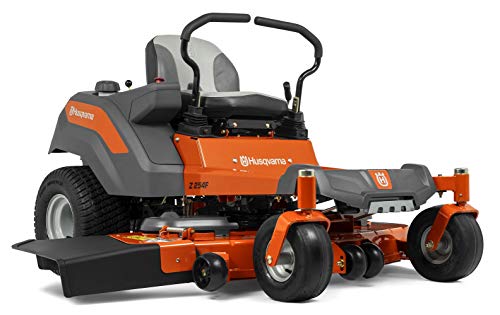
Husqvarna Z254F 54 in. Kawasaki Zero Turn

AIWEIYA Remote Control Hybrid Crawler Mower
Remote-Controlled Tracked Lawnmower 22hp Engine

HIMcup Tow Behind Dump Cart 1500 lbs
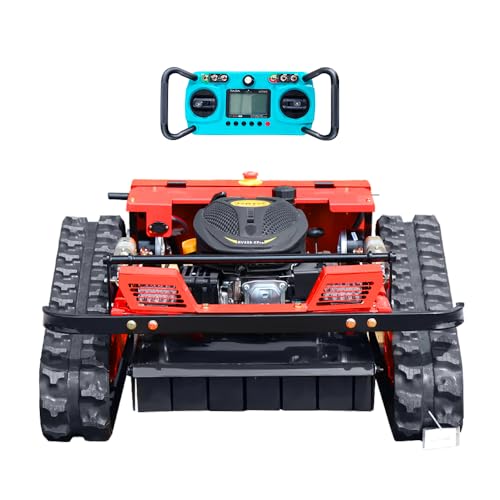
Infront Remote Control Mower 20-Inch Cut

INFRONT Remote Control Hybrid Track Mower

AIWEIYA Remote Control Mower With Snow Plow
For many home slopes, rear-wheel drive matters more than flashy extras, and this PowerSmart setup leans into that. The 21-inch deck keeps the footprint manageable, while the 170cc OHV engine points toward regular neighborhood mowing rather than oversized acreage. You also get a 6-position height range, so you can keep grass shorter on flatter stretches and leave it a touch higher where the hill dries out faster.
The alloy steel deck adds a sturdier feel than thinner stamped builds, though it still needs the usual post-mow cleanup around damp clippings. The 3-in-1 setup gives you mulching, bagging, or rear discharge, which is handy when your yard changes from tidy front lawn to rough side slope in the same pass. For commuters with limited weekend time, the easy-start setup and self-propelled drive save effort without pushing you into riding-mower territory.
Strong Points
- Rear-wheel drive helps keep momentum on uneven ground.
- Three cutting modes let you match the season and grass length.
- Six height settings make small adjustments simple across mixed lawn areas.
- 21-inch width fits tighter storage spaces and narrower gates.
Minor Gripes
- Walk-behind mowing still asks more from you than a riding machine.
- Alloy steel decks need routine cleaning after wet or sticky clippings.
Feature Rundown
Who It Suits Best
Homeowners with medium yards and moderate inclines get the most from it, especially when you want a walk-behind mower that feels more planted than a basic push model.
Where A Sibling Pick Shines
Husqvarna Z254F 54 in. Kawasaki Zero Turn suits large, flatter properties better, since its wider deck and riding format cover ground faster than this walk-behind PowerSmart.
Wide lawns and long mowing days are where a zero-turn setup starts to make sense, and this Husqvarna leans into that fast, efficient style. The 54-inch deck covers a lot of ground per pass, while the Kawasaki powerplant signals the kind of punch people usually look for in a riding mower built for bigger properties. Compared with the PowerSmart walk-behind, this one is about saving time and reducing fatigue more than squeezing through tight corners.
The hydrostatic drive uses fluid pressure instead of fixed gears, so speed control tends to feel smoother and more intuitive around changes in ground shape. That matters on larger yards, though it also means the machine is better suited to open space than cramped side yards with lots of obstacles. The honest read is that you trade maneuverability in tight spots for a much easier time over broader stretches of grass.
What We Like
- 54-inch cutting width shortens mowing time on broad lawns.
- Zero-turn steering helps around trees and landscape islands.
- Hydrostatic control usually feels smoother than stepped gear changes.
- Riding format reduces the strain of long mowing sessions.
Points To Note
- Its size makes storage and garage clearance more important.
- Tight, narrow yards can feel awkward for a wide zero-turn deck.
- Routine upkeep on riding mowers is more involved than on walk-behind units.
Core Details
Who Will Love This
You get the most from it on larger, mostly open lawns where speed and maneuvering matter more than compact storage.
Another Choice May Suit
PowerSmart 21″ Gas Self-Propelled Mower makes more sense for smaller or steeper residential lots where a walk-behind format feels easier to manage.
Remote-control mowing changes the job in a big way, especially on ground that feels too steep to trust underfoot. This AIWEIYA model uses crawler tracks, which are the tread-style belts that spread weight and help with grip on uneven surfaces, and its oil-electric hybrid setup gives it a very different character from the gas riding Husqvarna above. The cutting height range from 1.1 to 5.9 inches gives you room to tune the cut for rough grass, thicker growth, or a cleaner estate finish.
That kind of control helps most when your slope or rough ground makes a conventional riding machine feel risky or awkward. The trade-off is that you are stepping into a more specialized piece of equipment, so storage, transport, and routine care matter more than they do with a basic yard mower. For estate owners or property managers dealing with difficult terrain, that specialization is the point.
Highlights
- Remote operation keeps you off steep terrain.
- Crawler tracks are well suited to uneven ground.
- Hybrid power setup gives the machine a flexible working profile.
- Wide cutting-height range helps with rough or refined finishes.
Room For Improvement
- Specialized design makes it less straightforward than a standard mower.
- Track systems usually call for careful cleaning after muddy use.
- The setup makes the most sense for difficult land, not simple flat lawns.
Spec Overview
Built With In Mind
You fit this best as a property owner or groundskeeper dealing with steep, rough, or hard-to-reach turf where remote operation is more practical than riding.
Look Elsewhere When
Husqvarna Z254F 54 in. Kawasaki Zero Turn is the easier choice for broad, flatter lawns where fast coverage matters more than slope handling.
Some hillside jobs ask for brute traction more than finesse, and this tracked machine is built with that kind of work in mind. The 22hp engine gives it a very different posture from the AIWEIYA remote mower, while the 65-degree climbing claim and crash barrier point toward a machine meant to keep moving in demanding conditions. For estates, embankments, or rough outdoor spaces, that combination is hard to ignore.
The safety barrier can be useful where obstacles are common, though the wider lesson is that this is specialized equipment rather than a casual lawn tool. It makes sense for users who need a remote-controlled machine to handle terrain that would be unpleasant, or flat-out impractical, on a regular rider. Maintenance will likely feel more involved than on a simpler mower, so storage space and routine care should be part of your plan.
Upsides
- Tracked design helps it stay planted on difficult ground.
- Remote control keeps the operator away from risky slopes.
- 22hp engine suggests serious power for tough conditions.
- Crash barrier adds a useful layer for obstacle-heavy work zones.
Softer Spots
- It makes the most sense on hard terrain, not ordinary flat yards.
- Specialized remote machines usually need more storage planning.
- Cleaning tracks and underbody parts can take extra time after muddy use.
Details At A Glance
Right Fit For
You should look at it for steep, rugged properties where remote operation and a tracked base matter more than simplicity.
Skip It When
PowerSmart 21″ Gas Self-Propelled Mower fits better for smaller home lawns, especially where storage space and straightforward upkeep matter.
A dump cart is not a mower, but it makes a lawn tractor far more useful on a hilly property. This HIMcup cart is built from steel, carries up to 1500 pounds, and holds 15 cubic feet, so it can move mulch, soil, brush, or yard debris without turning every task into a hand-carry job. The hand-pull or foot-pedal dump options are handy because they let you unload from the seat or from beside the cart, depending on the job.
That extra hauling capacity matters most when your yard has slopes, long distances, or repeated cleanup tasks after storm work. The trade-off is simple, the cart adds bulk, so tight gates and soft ground can become awkward fast. Owners with tractors, ATVs, or UTVs get the most value here, especially where a rugged steel trailer is more useful than another powered machine.
Best Bits
- 1500-pound capacity handles heavy yard and garden loads.
- 15-cubic-foot bed gives you meaningful hauling room.
- Hand and foot dump options add convenience.
- Steel construction suits rough outdoor work.
Areas To Watch
- Large, loaded carts take more room to maneuver on tight turns.
- Unloading on uneven ground deserves extra care.
- Steel surfaces benefit from routine cleaning after wet mulch or soil.
Technical Sheet
Who Should Grab It
Tractor owners who haul mulch, branches, or garden supplies across a hilly property will get the most out of it.
Reach For A Different Pick When
Husqvarna Z254F 54 in. Kawasaki Zero Turn suits you better when the main job is fast grass cutting instead of material hauling.
Compared with the heavier tracked machines above, this Infront model looks more compact, yet it still leans into difficult ground. The 20-inch cutting width keeps it easier to place around obstacles, and the 0.79 to 5.9 inch height range gives you a lot of room to adapt the cut to thick grass, uneven patches, or a cleaner finish. Remote control keeps the operator away from the steepest part of the yard, which is the real draw here.
Track design usually helps on slopes and loose surfaces, though the smaller deck means you give up some coverage speed versus the Husqvarna riding mower. For narrow properties or awkward side slopes, that trade-off can be welcome because control matters more than speed. It also feels like the kind of machine that rewards careful storage and regular track cleaning after messy conditions.
Reasons To Buy
- 20-inch width is easier to manage around tighter spaces.
- Adjustable cutting height suits a range of grass conditions.
- Tracked base supports uneven ground better than a standard wheel setup.
- Remote operation keeps you away from steep sections.
Small Caveats
- Smaller deck covers less area per pass than larger riding mowers.
- Track systems usually need extra cleanup after wet terrain.
- Specialized controls take more attention than a simple walk-behind mower.
Feature Card
The Right Fit
You fit this best for narrow, rough, or sloped lawns where compact tracked control matters more than mowing speed.
A Better Fit Elsewhere
PowerSmart 21″ Gas Self-Propelled Mower is the easier choice for simpler residential lawns that do not need remote control.
This INFRONT machine sits in the more advanced part of the lineup, especially beside the smaller Infront 20-inch mower just above. All-terrain tracks and gas-electric hybrid power point to a machine that’s built for demanding estates where a stronger power delivery and more confident footing matter. The 45-degree slope climbing figure makes its use case obvious, steep properties are the point, not the side benefit.
Hybrid power can be appealing on sprawling land because it blends the character of two power sources, though the practical upside depends on how often you face heavy, uneven work. It also means you are shopping for a more specialized remote-control machine, so maintenance, storage, and transport deserve extra attention. The honest read is that this suits serious hillside properties more than casual lawn care.
Positives
- All-terrain tracks help it stay composed on rough ground.
- Remote operation keeps you away from steep or awkward areas.
- Gas-electric hybrid setup offers a more advanced power profile.
- 45-degree climbing ability matches difficult hillside use.
- Strong power focus makes it better for larger estate work.
Worth Noting
- It is a specialized machine, so storage space matters.
- Hybrid systems usually call for more thought at service time.
- Most flat suburban lawns do not need this much capability.
Key Specs
Made For
You fit this best as an owner of a steep, wide, or uneven property who needs more capability than a basic remote mower.
Where Shoppers Go Wrong
Infront Remote Control Mower 20-Inch Cut is the simpler fit for smaller rough lawns where you do not need the stronger hybrid setup.
This AIWEIYA unit stands out because it adds a snow plow to a crawler-track remote mower, which broadens the job list beyond grass alone. The oil-electric hybrid power setup and adjustable cutting height make it feel like a multi-season utility machine, not just a summer lawn tool. Compared with the earlier AIWEIYA mower, this one leans even harder into doing several rough-property jobs from one platform.
That versatility is useful on large, changing properties, though it does mean you should think carefully about whether you need the plow attachment at all. For some estates, the extra attachment makes the machine more valuable than a plain mower, while for smaller homes it may be more machine than you need. Cleanup and storage will matter, since a track-driven, attachment-ready setup is naturally more involved than a simple walk-behind.
Bright Spots
- Snow plow attachment expands the machine beyond mowing tasks.
- Crawler tracks are a strong match for rough outdoor ground.
- Remote control keeps operation away from difficult terrain.
- Adjustable cutting height helps with different grass conditions.
Things To Consider
- The extra attachment makes storage and upkeep more involved.
- Most home lawns will not need a plow-ready platform.
- Track systems benefit from regular cleaning after muddy use.
Core Details
Whose Shelf It Belongs On
You fit this best for a large property where one remote machine needs to handle mowing and occasional snow work.
Swap It Out When
PowerSmart 21″ Gas Self-Propelled Mower is the cleaner choice for ordinary residential lawns that do not call for attachment work.
How To Choose The Right Lawn Tractors For Hills
Match Drive Style To The Slope
Steeper ground rewards traction first. Rear-wheel drive helps a walk-behind mower keep moving on residential hills, while tracked remote machines spread weight and hold steadier on rough or loose surfaces.
Zero-turn riding mowers work best where the lawn is wide enough to take advantage of quick steering. Tight side yards, narrow gates, and awkward embankments usually favor a smaller machine or a remote-control model instead.
Size The Machine To The Property
Cutting width changes your entire mowing rhythm. A 54-inch deck covers broad lawns faster, while a 20- to 21-inch deck gives you more room to thread around posts, trees, and steep edges.
That trade-off matters more than people expect. Big decks save passes on open ground, but they become clumsy in cramped sections or on yards with lots of obstacles.
Think Beyond Grass Cutting
Hillside work often turns into hauling, cleanup, and seasonal chores. A tow-behind dump cart makes more sense than another mower once you start moving mulch, brush, or soil across long drives and sloped property.
Remote-control machines can also make sense as utility tools, not just mowers, especially on estates or rough land. That extra capability costs more and usually asks more in storage and care, so it helps to be clear about how often you’ll use it.
Choose The Level Of Complexity You Can Live With
A walk-behind mower is easier to store and maintain, and it usually fits everyday suburban use better. Riding mowers and tracked remote machines bring more comfort or more traction, but they also bring more bulk, more maintenance, and more setup.
The right pick is the one that fits your hill, your storage space, and your patience for upkeep. A simple mower that you can use every week is more useful than a specialized machine that spends most of the year tucked away.
What To Weigh Before You Click Amazon
Common Shopping Slip Ups
Many people focus on engine size first and traction second, which is backward for sloped yards. A stronger engine helps, but the machine still needs a drive system that can hold its line on the hill.
Another common miss is buying a wide deck for a narrow property. That only saves time on open ground, and it can make edge work more awkward than it needs to be.
What The Higher Tier Buys
Higher-end machines usually spend the money on traction systems, remote control, stronger frames, and more specialized power setups. Those upgrades matter most on rough land, steep slopes, or very large properties where a standard mower starts to feel out of depth.
That extra cost makes less sense for a small, fairly even lawn. In that case, a simpler mower or a tow-behind cart often covers the real need without adding complexity you won’t use often.
Frequently Asked Questions
Are riding mowers safe for steep hills?
Riding mowers work best on broad, steady ground with modest slope changes. Very steep or uneven sections usually call for a tracked remote machine or a lighter walk-behind approach.
What deck width works best on a hilly yard?
Smaller decks around 20 to 21 inches usually feel easier around trees, slopes, and fence lines. Wider decks save time on open lawns, but they need more room to maneuver.
Why choose rear-wheel drive for a hill?
Rear-wheel drive helps the mower put more of its effort through the driven wheels. That can improve forward movement on inclines and uneven turf.
Do tracked mowers need more upkeep?
Tracked machines usually ask for more attention than simple walk-behind mowers. Cleaning the tracks and underbody after mud or grass buildup is part of keeping them ready.
Is a tow-behind cart useful on sloped property?
Yes, especially for moving mulch, soil, or debris without repeated hand trips. It becomes even more useful when your tractor already handles the mowing and you need one tool to do more.
