

Five acres changes the conversation fast. Push mowers start feeling like dinner spoons for driveway-sized jobs, and even a strong zero-turn or robot mower has to fit your terrain, storage space, and tolerance for maintenance.
This roundup focuses on real mowing fit, not showroom polish. You’ll see walk-behind, riding, zero-turn, and robotic options, so you can match the machine to slopes, gates, rough patches, and the amount of time you want to spend behind the controls.
The Shortlist At A Glance

YARDMAX 22 in. Select PACE Self-Propelled Mower (YG2860)

Husqvarna Z254FX 22HP 54 in. FAB Z-Turn Mower
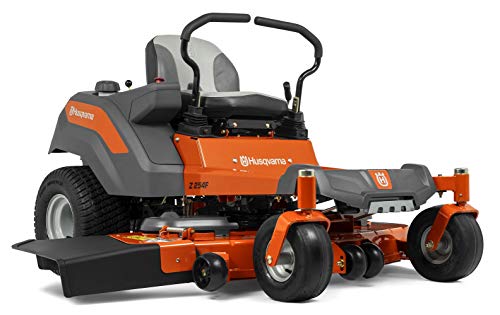
Husqvarna Z254F 54 in. 23 HP Zero-Turn Mower

Husqvarna TS 375XD Riding Lawn Mower 24Hp 54 in. Deck
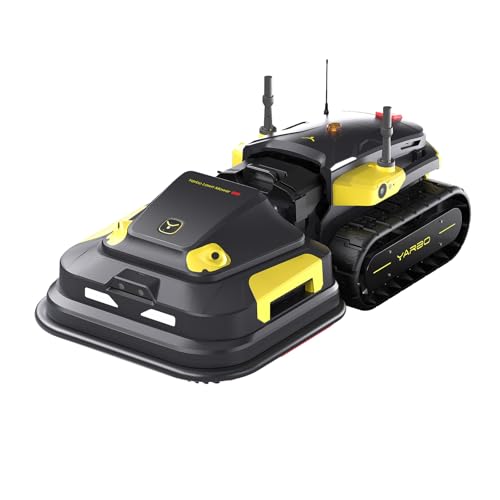
YARBO Upgraded Robot Lawn Mower Pro, 6 Acres

Husqvarna Z248F 48 in. 23HP Zero-Turn Lawn Mower

YARBO Wire-Free Robot Lawn Mower, 6 Acres
More Details On Our Top Picks
A walk-behind mower still makes sense for the awkward edges, narrow access paths, and fenced sections that a larger machine can’t handle cleanly. The YARDMAX keeps that job simple with a 22-inch deck, a self-propelled drive, and a 3-in-1 setup that handles side discharge, mulching, or bagging depending on the week’s growth.
Its high-wheel layout tends to feel friendlier on uneven ground than a low-slung mower, and the 201cc engine gives you enough muscle for regular residential cutting without turning the task into a workout. The trade-off is obvious, though, because five acres is a lot of ground for a walk-behind, so this fits best as a support machine or for smaller sections of a larger property.
What We Like
- Self-propelled drive reduces the push effort on long, flat stretches.
- Three cutting modes let you match clippings to lawn conditions.
- 22-inch width helps you work around fences and garden beds.
- High wheels can make rougher turf feel less choppy.
Things To Consider
- Five acres will take time with a walk-behind format.
- Fuel handling and routine cleanup are part of ownership here.
- One or two tight slopes may still feel tiring over a long session.
Feature Rundown
Who It Suits Best
It suits you best for edge work, smaller lots, and secondary mowing around a bigger property where access is tight.
A Better Fit Elsewhere
Husqvarna Z248F 48 in. 23HP Zero-Turn Lawn Mower makes more sense for you if the main goal is covering broad stretches with far less walking.
Fast mowing on five acres depends on a wide deck and tight turning behavior, and this Husqvarna leans hard into both. The 54-inch fabricated deck gives you a large cut path, while the zero-turn layout helps you pivot around trees, beds, and fence corners without extra back-and-forth.
That kind of setup works especially well for open acreage with scattered obstacles, though the machine’s size and pace ask for a little confidence at the controls. The honest read is that it suits property owners who want to shorten mowing sessions more than they want a compact machine.
Positives
- 54-inch fabricated deck covers a lot of ground with each pass.
- Zero-turn steering helps trim around landscaping with less wasted movement.
- 22HP engine gives the mower enough force for routine large-lawn work.
- Fabricated deck construction usually appeals to owners who want a firmer-feeling deck shell.
- Well suited to open acreage where a riding mower can stretch out.
Worth Noting
- Its size can feel less friendly in narrow storage spots.
- Turning precision takes some getting used to for first-time zero-turn users.
- Regular cleaning under the deck still matters after tall or damp grass.
At A Glance
Who Should Grab It
It fits you best for wide, open properties where speed and maneuverability matter more than compact storage.
Where A Sibling Pick Shines
Husqvarna TS 375XD Riding Lawn Mower 24Hp 54 in. Deck makes more sense for rougher terrain and traction-focused mowing.
This one sits in the middle of the zero-turn pack in a useful way, because it pairs a 54-inch deck with a 23HP Kawasaki engine without adding extra complexity. For many five-acre lawns, that balance is enough to keep mowing sessions moving at a steady pace.
You get the same broad-cut advantage that helps the Z254FX, but the appeal here is less about flash and more about steady, practical acreage coverage. A slightly more approachable feel can matter on a property with long runs, a few trees, and a driveway edge that needs regular trimming.
Highlights
- 54-inch deck helps reduce mowing time on broad sections.
- 23HP Kawasaki engine gives you strong everyday cutting support.
- Zero-turn steering is useful around trees and landscape islands.
- Feels like a straightforward fit for large suburban or rural lawns.
Small Caveats
- It still asks for storage space that smaller sheds may not offer.
- Large zero-turn mowers can leave less room for casual edging by hand.
- Deck care after wet mowing sessions helps keep performance consistent.
Core Details
Made For
It suits you best for medium-to-large properties where a zero-turn is practical but you do not want the most specialized feel in the lineup.
A Better Fit Elsewhere
YARBO Upgraded Robot Lawn Mower Pro, 6 Acres is a better match for you if you want less hands-on mowing and more automation.
Some acres are flat and easy, and some are a mix of gentle slopes, damp edges, and stubborn patches that need better traction. That’s where the TS 375XD stands apart, because the differential lock helps both rear wheels work together when ground grip matters more than speed.
The 54-inch deck keeps it in the broad-cut class, but the real story is how the 24HP engine and traction-focused chassis make it feel suited to tougher residential acreage. It’s a sensible step up for properties that push a standard lawn tractor harder than expected.
Upsides
- Differential lock can help on slick or uneven ground.
- 24HP engine gives you strong support for larger mowing jobs.
- 54-inch deck keeps passes efficient on open sections.
- Feels well matched to properties with a mix of textures underfoot.
Points To Note
- The more serious hardware can mean a larger footprint in storage.
- Traction-focused parts usually reward regular inspection and cleaning.
- It makes more sense for challenging terrain than for simple flat lawns.
Spec Overview
The Right Fit
It suits you best for uneven acreage, sloped sections, and property edges where traction matters as much as cut width.
Another Choice May Suit
Husqvarna Z254F 54 in. 23HP Zero-Turn Mower is the easier match for you if the lawn stays mostly open and you want quicker directional changes.
This is the pick for people who would rather manage a yard than spend every weekend driving across it. The modular design, dual 300W motors, AI vision, and RTK navigation point to a mower built for a large property that benefits from automation more than brute force.
It also stands apart from the Husqvarna machines above because it’s made for a different kind of ownership rhythm. You still need to think about setup, charging, and yard layout, but the day-to-day experience should feel far less hands-on than a traditional riding mower.
Bright Spots
- Wire-free navigation avoids perimeter wire planning.
- AI vision and RTK guidance are well suited to complex yard layouts.
- Dual 300W motors give the machine substantial drive support.
- 20-inch cutting width is a useful middle ground for a robotic mower.
- Auto-charging lowers the amount of babysitting your lawn routine needs.
Areas To Watch
- Robotic mowing usually asks for careful setup at the start.
- Tree cover, clutter, or awkward yard zones can shape the experience.
- It is a planning-first option, not the casual grab-and-go route.
Details At A Glance
Built With In Mind
It suits you best for large yards where convenience matters more than sitting on a tractor every time the grass grows.
Swap It Out When
Husqvarna Z254FX 22HP 54 in. Z-Turn Mower is the better fit for you if you want direct control and faster visible progress on each pass.
The Z248F keeps the zero-turn idea a little more compact, which can matter a lot once gates, shed clearance, and tighter storage get involved. A 48-inch deck is still plenty broad for serious residential mowing, but it trims the bulk compared with the 54-inch Husqvarna models above.
That makes it a good middle ground for acreage that doesn’t need the largest frame in the group. For most homeowners, the honest read is that it offers a friendlier size without giving up the speed and steering advantages that make zero-turn mowers worth considering in the first place.
Best Bits
- 48-inch deck brings a useful balance of width and maneuverability.
- 23HP engine keeps it in a strong working class.
- Zero-turn steering helps shorten time around landscaping obstacles.
- Smaller footprint can be easier to store than larger zero-turns.
Room For Improvement
- It still asks for a solid turning area compared with a compact walk-behind.
- A narrower deck means more passes than a 54-inch mower.
- Routine underside cleaning remains part of keeping a zero-turn tidy.
Feature Card
Whose Shelf It Belongs On
It suits you best for acreage that needs a real riding mower but not the biggest, most space-hungry frame in the category.
Look Elsewhere When
YARDMAX 22 in. Select PACE Self-Propelled Mower (YG2860) makes more sense for you if your main mowing work happens in cramped side yards and narrow passages.
This version keeps the YARBO idea but adds an IPX5 rating, which means the enclosure is built to resist water from everyday outdoor use. You also get AI vision, RTK navigation, dual 150W motors, auto-charging, and a cutting setup that runs from 1.2 to 4.0 inches.
It’s the cleaner fit for someone who wants a wire-free setup and is comfortable with a more automated lawn routine. Compared with the YARBO Pro above, this one leans a little more toward straightforward robotic mowing while still covering the same broad acreage class.
Reasons To Buy
- Wire-free setup avoids perimeter cable planning.
- IPX5 enclosure rating adds confidence for everyday outdoor exposure.
- AI vision and RTK navigation suit complex, open properties.
- Auto-charge helps keep the routine low-touch.
- 20-inch cutting width is respectable for a robotic mower of this size.
Honest Caveats
- Yard mapping and placement still matter a lot.
- Robot mowers tend to reward tidy lawn zones with fewer obstructions.
- It may feel expensive in effort, even before you think about the hardware itself.
Quick Facts
Perfect Match For
It suits you best for large yards where wire-free automation and weather-aware design matter more than a seated mowing experience.
Reach For A Different Pick When
Husqvarna Z254FX 22HP 54 in. Z-Turn Mower is the better fit for you if you want a faster, more hands-on way to finish a lawn in one sitting.
How To Choose The Right Lawn Tractors For 5 Acres
Deck Width, Turning Style, And Yard Shape
Five acres rewards wider decks, but only up to the point where your property stops being open and starts becoming busy with trees, fencing, gardens, and gate openings. A 54-inch zero-turn, such as the Husqvarna Z254FX, can cover broad sections quickly, while a 48-inch machine like the Z248F gives up some width for easier storage and tighter movement.
Walk-behind choices still matter for edges, awkward strips, and steep corners that a riding mower reaches poorly. That’s the simple divide: wide decks save time in open space, while smaller or self-propelled formats help in chopped-up areas.
Power, Traction, And Ground Conditions
Engine strength matters, but traction often matters just as much once the terrain gets uneven. The Husqvarna TS 375XD earns attention because the differential lock can help on loose or sloped ground, while zero-turn models focus more on steering speed than grip assistance.
For lawns that stay flat and dry, a standard zero-turn is often enough. For properties with soft shoulders, mild hills, or rough patches, a tractor with more traction support can feel more reassuring under you.
Riding, Walking, Or Robotic Operation
A seated mower is the natural fit for most five-acre properties because it reduces fatigue and keeps you moving. A walk-behind still has a role where access is tight, and that’s why the YARDMAX makes sense as a companion machine rather than the main answer for large acreage.
Robotic models change the routine completely. The YARBO units trade direct control for automation, which suits owners who care more about scheduled upkeep than sitting through the whole mowing session.
Maintenance, Storage, And Real Ownership Fit
Storage space, cleaning access, and routine upkeep deserve real attention before you settle on a machine. Bigger riding mowers need room to park, while robot mowers ask for setup discipline and a yard layout that stays fairly organized.
Fuel-based mowers also mean filter, blade, and underside cleaning habits become part of life, especially after thick spring growth. That’s the less glamorous side of ownership, but it’s also what keeps a machine feeling dependable season after season.
What To Weigh Before You Decide
Mistakes Worth Dodging
One common misstep is buying only for deck width and forgetting the yard’s shape. A 54-inch machine sounds impressive, but it can feel cumbersome around close trees, tight fences, or narrow storage doors.
Another easy trap is overlooking terrain. A machine that handles open, flat turf well may feel less settled on wet slopes or rough ground, so the land itself should steer the choice as much as engine size.
Where The Extra Money Goes
Higher-tier machines usually pay for stronger engines, broader decks, better traction systems, or automation hardware. That’s why the TS 375XD, Z254FX, and YARBO picks sit above simpler options, they’re built to handle more acreage, more complexity, or less manual work.
The upgrade makes sense when your yard actually uses those strengths. Paying more for a larger deck or smarter guidance helps when you mow often, face rough terrain, or want to reduce the amount of time spent on the seat.
Frequently Asked Questions
Can a lawn tractor really handle five acres?
Yes, but the right size matters a lot. A wider riding mower or zero-turn makes far more sense than a compact walk-behind for the main mow.
Is a zero-turn a better fit than a traditional riding mower?
For open acreage with obstacles, a zero-turn often feels faster and easier to steer. A traditional riding mower can still be the smarter call on rougher ground or when traction matters more.
Do robotic mowers make sense for five acres?
They can, especially when you want lower hands-on effort and the yard layout is reasonably tidy. The setup takes thought, so the fit depends on how organized the property is.
What deck size works well for large lawns?
For five acres, wider decks usually save time because they reduce the number of passes. A 48-inch deck is workable, while a 54-inch deck suits bigger open sections better.
What should you prioritize first, power or maneuverability?
Start with yard shape and terrain, then look at power. A powerful mower that moves poorly around your property can feel less useful than a slightly smaller one that fits the space better.
