

Heavy clay, thin turf, and patchy germination can make lawn care feel like pushing a cart through mud. The right soil conditioner changes the ground underneath your grass, so water moves better, roots spread more easily, and new seed has a fairer start. You get the most value when you match the product to your soil problem, not just the label. That’s the point of this roundup.
Quick Look At Our Shortlist

Jonathan Green Love Your Soil Soil Food for Lawns in Hard Soils

Espoma Organic Garden Gypsum Soil Conditioner 6 lb. Bag

Lawn Drench by Mark and Phil’s Liquid Lawn Fertilizer 64 oz
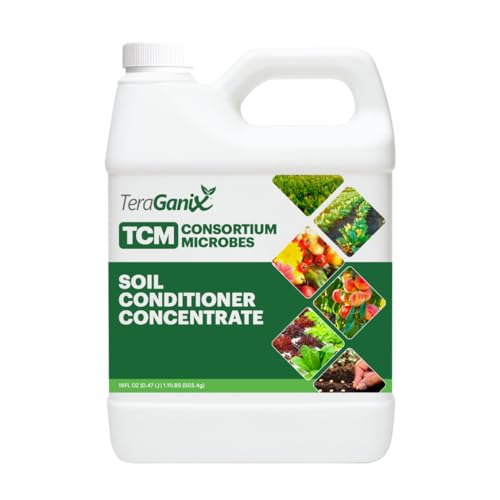
TeraGanix TCM Soil Conditioner 16 fl oz
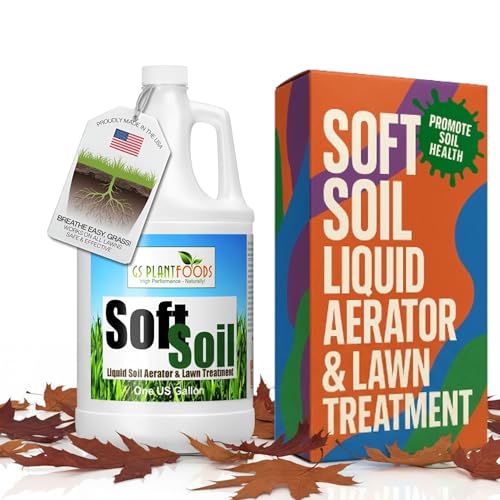
Soft Soil Liquid Soil Aerator 1 Gallon

Scotts Turf Builder LawnSoil 1 cu. ft.

Earth Science Fast Acting Gypsum Granules 5 lb

Humic Acid Organic Lawn Fertilizer by FoliarTech 34 OZ
More Details On Our Top Picks
Hard, compact ground is exactly where Jonathan Green’s soil food makes sense. The blend is aimed at opening up clay, helping air and water move through the root zone, which matters most in older lawns that have started to feel tight underfoot.
You also get a broader use profile than the grass-only label suggests, since it can support new lawns, overseeding, and sodding, along with vegetable beds and shrubs. The trade-off is that this kind of amendment works gradually, so it suits steady lawn rehab more than a quick cosmetic fix.
Strong Points
- Helps break up compacted soil so roots have more room to spread.
- Supports better movement of water and air through dense ground.
- Designed to encourage deeper root mass, which matters in dry spells.
- Works across lawns, beds, and several garden planting jobs.
Things To Consider
- Best results usually depend on an already ongoing lawn care routine.
- Bag coverage matters, so larger yards need a closer look at yield.
Feature Snapshot
Who It Suits Best
You get the most from this pick on clay-heavy property, or anywhere the lawn feels dense and slow to drain.
A Better Fit Elsewhere
Espoma Organic Garden Gypsum Soil Conditioner makes more sense for gardeners who want a simpler gypsum-focused amendment with pelletized application.
Gypsum is a straightforward soil amendment, and that simplicity is part of the appeal here. Espoma’s pelletized format is easy to spread with a drop or broadcast spreader, so you can treat a lawn without wrestling with dusty material.
It’s also aimed at two very common headaches, heavy clay and turf stress from winter salt or pet spots. The honest read is that this is a focused tool rather than a broad garden tonic, which suits you well when your soil issue is specific and obvious.
What We Like
- 100% mined gypsum keeps the formula simple and easy to understand.
- Pellets spread cleanly, which helps with even coverage in regular lawn care.
- Useful for loosening clay soil around roots and new plantings.
- Can help with salt-related turf stress in common winter scenarios.
Points To Note
- It focuses on gypsum needs, so it’s less broad than humic or microbial blends.
- Dry storage keeps the pellets in better shape between uses.
Core Details
The Right Fit
You’ll like this most for smaller lawns, patch repairs, and clay soil that needs a simple gypsum treatment.
Where A Sibling Pick Shines
Jonathan Green Love Your Soil Soil Food for Lawns in Hard Soils suits homeowners who want a wider amendment for lawns plus garden beds.
Liquid treatments bring a different rhythm to lawn care, and this one leans into convenience through a hose-end sprayer. The 15-0-4 formula points to nitrogen, phosphorus, and potassium in that order, which makes it more of a lawn feed and recovery treatment than a simple soil amendment.
That matters for you if the turf needs support after stress and you want broad coverage without mixing a granular spreader load. The flip side is that liquid products reward careful timing and even application, so they suit routine lawn owners who like a more active approach.
Highlights
- Hose-end sprayer setup simplifies application across a medium to large lawn.
- Liquid format can move quickly into the grass canopy and root zone.
- Formula is built for lawn recovery rather than only basic soil correction.
- Coverage up to 3,000 sq. ft. gives a useful reach for many yards.
Softer Spots
- Liquid lawn care usually asks for more attention than a plain granular spread.
- The stronger turf-feed profile may be more than you need for mild soil issues.
- Storage and handling matter, since liquids take up more shelf space.
Technical Sheet
Whose Shelf It Belongs On
You should look here for an established lawn that needs a liquid feed with soil-treatment benefits in one pass.
Swap It Out When
Scotts Turf Builder LawnSoil makes more sense for new seed, sod, or plugs that need a soil blend rather than a spray.
Microbial inoculants sound technical, but the idea is simple: you’re adding beneficial microbes to support soil life around roots. TeraGanix leans into that idea more directly than the gypsum picks, so it fits the gardener who wants a biological approach instead of a mineral one.
The concentrated liquid format stretches far, since one bottle is meant to make a large working volume. In practical terms, that can suit regular lawn upkeep or seed-starting routines, though it does ask you to measure carefully and follow the mixing pattern with attention.
Upsides
- Concentrated bottle format can cover a large amount of prepared solution.
- Built around microbial support, which adds a different angle from gypsum or humic blends.
- Works for plant growth, root support, and seed germination use cases.
- Liquid format spreads into watering routines with less physical effort.
Areas To Watch
- Concentrates demand careful measuring, so sloppy mixing can waste product.
- Best suited to gardeners comfortable with liquid soil treatments.
Details At A Glance
Built With In Mind
This suits gardeners who already use liquid treatments and want a microbial step in the routine.
Look Elsewhere When
Earth Science Fast Acting Gypsum Granules fit better for homeowners who want a simpler granular soil conditioner with less measuring.
Liquid aeration is for lawns that feel hard and sealed, especially spots that stay wet on top but don’t drain well underneath. Soft Soil leans squarely into that use case, so it makes more sense for compacted ground than for a lawn that only needs a light feed.
The non-mechanical approach is the real draw here, since you’re treating the soil without pulling equipment across the yard. That convenience has a trade-off, though, because liquid aeration tends to work best as part of a wider lawn plan rather than a stand-alone fix.
Bright Spots
- Targets compacted soil and drainage issues in one liquid treatment.
- Non-mechanical application saves you from running aeration equipment around the yard.
- One-gallon format suits larger lawns or repeated seasonal treatments.
- Useful around root zones where hard soil limits water movement.
Small Caveats
- Liquid aeration is usually part of a longer soil-improvement routine.
- One-gallon storage takes more shelf room than a smaller concentrate bottle.
- Works best when paired with sensible watering and mowing habits.
Core Details
Made For
You should lean toward this pick for tough, dense lawns that need drainage help more than a nutrient boost.
Another Choice May Suit
Jonathan Green Love Your Soil Soil Food for Lawns in Hard Soils suits a gardener who wants a broader amendment that also supports vegetables and ornamentals.
For new lawns, LawnSoil lands in a useful middle ground between plain topsoil and a more specialized amendment. The water-smart label points to better moisture retention, which matters most for seedbeds, sod, and plugs that need steady moisture while they settle.
It also includes fertilizer, so you’re not just filling space under the grass, you’re giving seedlings a stronger start. The catch is that a soil blend like this is most valuable at installation time, not as a standalone answer for a mature lawn with compaction problems.
Best Bits
- Designed for seed, sod, and plugs, which makes it useful in fresh lawn projects.
- Moisture retention helps soil stay friendlier to germination than native ground alone.
- Added fertilizer supports young grass during establishment.
- 1 cu. ft. size is easy to handle in smaller renovation jobs.
Worth Noting
- More of a lawn-starting soil blend than a deep soil fixer for established turf.
- The bag size may be small for wide renovation areas.
Quick Facts
Right Fit For
This belongs with homeowners starting grass from seed, laying sod, or setting plugs in a small to medium area.
Not Your Match When
Soft Soil Liquid Soil Aerator makes more sense for established turf that needs drainage help rather than a planting mix.
Earth Science keeps the gypsum idea simple, but the granular format gives it a more classic lawn-care feel than the pelletized Espoma option. The brand also points to calcium support and salt-damage repair, so this fits yards where winter residue or other stress has left turf looking rough.
Nutri-Bond runoff reduction technology sounds technical, yet the practical takeaway is that the granules are meant to stay where you spread them. That matters on sloped property or in spots that get watered heavily, though the product still makes most sense for targeted soil recovery rather than full-yard renovation.
Positives
- Granular form is easy to spread with familiar lawn equipment.
- Targets salt damage and calcium support, two common soil stress points.
- Compact 5 lb size suits spot work or smaller properties.
- Useful for root growth support in troubled sections of turf.
Minor Gripes
- Smaller package size means larger yards may need multiple applications.
- Best for gypsum-style fixes, not for broader biological soil rebuilding.
At A Glance
Who Should Grab It
This suits homeowners who want a compact gypsum treatment for salt stress or local soil correction.
Reach For A Different Pick When
Jonathan Green Love Your Soil Soil Food for Lawns in Hard Soils works better for broader lawn and garden use across larger areas.
Humic and fulvic materials sit a little differently from gypsum, because they focus on soil structure and nutrient availability rather than a single mineral fix. That makes FoliarTech a useful fit for yards, garden beds, shrubs, and crops that need a more general soil-conditioning step.
The broad plant list is a real advantage for property owners who want one bottle that can pull double duty beyond turf. The trade-off is that this kind of product can feel less targeted than a gypsum formula, so it suits you best when the goal is overall soil support rather than one narrow correction.
Reasons To Buy
- Humic and fulvic blend offers a broad soil-conditioning approach.
- Works across lawns, trees, shrubs, ornamentals, vegetables, and crops.
- Liquid format fits watering routines and general garden maintenance.
- Good match for property owners who want one bottle for multiple planting zones.
Where To Be Careful
- More general in focus than a single-purpose gypsum treatment.
- Liquid storage and measuring need a bit of attention in routine use.
Feature Card
Best Suited To
You’ll appreciate this most for mixed-use yards where lawn care blends into beds, borders, and food-growing spaces.
Consider Something Else When
Espoma Organic Garden Gypsum Soil Conditioner is the cleaner fit for a straightforward clay-soil gypsum fix.
How To Choose The Right Lawn Soil Conditioners
Match The Product To The Soil Problem
Clay, compaction, and poor drainage call for different tools, so the first step is naming the problem correctly. Gypsum-based options like Espoma and Earth Science suit dense or salt-stressed soil, while liquid aerators are aimed more squarely at compaction and water movement.
A humic or microbial product plays a broader supporting role, which helps when your soil needs biological activity as much as structure. That’s why Jonathan Green and FoliarTech make sense for mixed-use yards, while the Scotts blend leans more toward starting or rebuilding turf.
Choose By Application Style
Granules and pellets work well for homeowners who already use a spreader and want a familiar routine. Liquid products suit you better when you prefer hose-end coverage or want to fold the treatment into watering.
The trade-off is simple, liquid formats can be quicker to apply but demand more attention to mixing, timing, and storage. Granular options are usually less fussy, though they can take longer to integrate into the soil profile.
Think About The Yard You Actually Have
A small patch of trouble in one corner of the lawn does not need the same product as a full renovation. Jonathan Green and Earth Science cover spot correction well, while Scotts Turf Builder LawnSoil makes more sense for seed, sod, or plugs.
For larger or more varied properties, a broader amendment can save repetition. That’s where FoliarTech stands out, because the same bottle can serve lawn edges, garden beds, and ornamentals without forcing you to juggle separate soil products.
A Quick Reality Check Before You Commit
Hidden Buying Traps
The most common mistake is treating every soil product as interchangeable. Gypsum helps with clay structure and certain stress issues, but it won’t do the same job as a liquid aerator or a humic blend.
Another easy miss is ignoring format. A concentrate sounds efficient until you realize you need careful mixing and a place to store it, while a 5 lb bag may be too small for a full-yard project.
The Upgrade Payoff
Higher-tier options usually cost more because the formula does more than one job, or because the delivery system is easier to use over a larger area. Liquid concentrates, broad-use blends, and products with targeted mineral or microbial support often justify the extra spend.
That upgrade makes the most sense for active lawn projects, larger properties, or yards that need repeat treatment through the season. For a small clay patch, a basic gypsum bag can be plenty.
Frequently Asked Questions
What does a lawn soil conditioner actually do?
It improves the ground around your grass rather than only feeding the blades. That can mean better drainage, looser soil, or improved root access.
Is gypsum better than humic acid for lawns?
Gypsum works well for clay and salt stress, while humic acid is broader and more general. Your soil problem decides which one fits better.
Can you use these products on new grass seed?
Yes, some are made for new lawns, seed, sod, or plugs. Scotts Turf Builder LawnSoil is the clearest fit in this list for that job.
Are liquid soil conditioners harder to use?
They usually ask for more attention than granules because mixing and coverage matter more. The trade-off is faster, wider application with less physical spreading.
How often should you use a soil conditioner?
That depends on the product type, your soil, and the condition of the lawn. A patchy clay yard often needs a different schedule than a newly seeded area.
