

Thatch buildup can leave a lawn looking tired, patchy, and slow to bounce back after a rough season. The right scarifier helps you pull out felted debris, open the turf, and make routine yard care feel less like a wrestling match with grass roots.
This roundup focuses on practical fit, not glossy promises. You’ll see cordless and corded choices, wider decks for faster passes, and smaller tools that make sense for compact spaces or lighter weekly upkeep.
Quick Look At The Shortlist
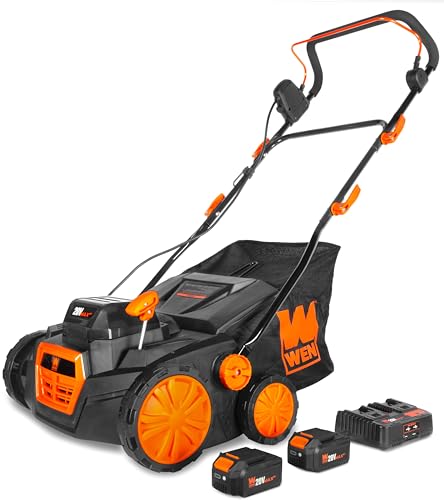
WEN 20V Max Cordless 15-Inch 2-in-1 Dethatcher and Scarifier (20716)

2-in-1 Dethatcher & 16-Inch Scarifier Electric Corded 15 Amp Copper Motor

WEN 15-Inch 13-Amp 2-in-1 Dethatcher and Scarifier (DT1315)

Westinghouse 16-Inch 15-Amp 2-in-1 Dethatcher and Scarifier
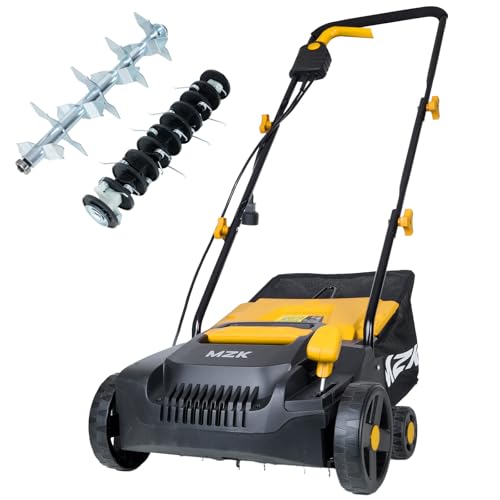
MZK 13-Inch Electric Dethatcher Scarifier 13-Amp Lawn Tool

2-in-1 Electric Dethatcher Scarifier 13-Inch with Foldable Handle

Cordless Lawn Dethatcher and Scarifier for Dewalt 20V Battery
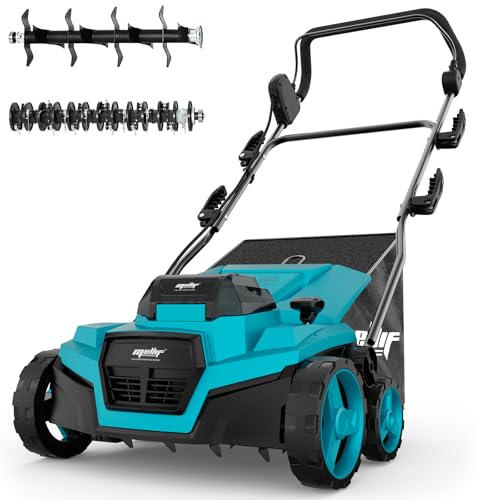
Cordless Lawn Dethatcher and Scarifier for Makita 18V Battery
Battery power makes this WEN a good fit for yards that don’t make cord management easy. The 15-inch path keeps it manageable around trees and borders, while the brushless motor design points to lower wear and smoother day-to-day use.
The included pair of 4.0 Ah batteries and dual-port charger matter most for a typical weekend routine, because you can rotate packs instead of stopping halfway through a pass. The trade-off is plain enough, cordless tools bring convenience, but they also ask you to keep an eye on charge and runtime.
Strong Points
- Two 4.0 Ah batteries support longer yard sessions without hunting for a wall outlet.
- Brushless motor design usually means less friction and a more efficient power delivery.
- 15-inch working width stays friendly in tighter side yards and around landscaping.
- The collection bag helps keep clippings and loosened thatch from scattering across the lawn.
- Dual-port charging is handy for households that want both packs ready in a regular cycle.
Things To Consider
- Cordless runtime depends on grass density and how aggressive the setting is.
- Battery care adds another item to store, charge, and keep track of after each use.
- Smaller cutting width means more passes on larger properties than a wider 16-inch model like the BUCOTOD corded unit.
Feature Snapshot
Who It Suits Best
Homeowners with medium yards and uneven access to outdoor outlets will get the most out of this cordless format.
A Better Fit Elsewhere
The BUCOTOD corded scarifier suits longer, uninterrupted runs better, especially on larger lawns where outlet access is simple.
That 16-inch path makes this BUCOTOD model feel like it was built for owners who want to cover ground with fewer back-and-forth passes. The copper motor wording matters too, since copper windings often point to better electrical efficiency than basic motor setups, even though the real payoff still depends on the lawn and the extension cord you use.
The 5-position depth adjustment gives you room to tune the tines from lighter surface work to a more assertive pass. For a yard with regular seasonal buildup, that flexibility is more useful than a fixed setting, though it does mean you’ll spend a little time learning which position fits your grass.
What We Like
- 16-inch width covers a broad strip, which shortens the number of passes on open lawns.
- 15 amp corded power suits consistent use without battery charging breaks.
- Five depth positions make it easier to match the tool to thin turf or thicker buildup.
- The 14.5-gallon bag helps reduce the stop-and-empty rhythm that slows yard work.
- Copper motor construction usually appeals to owners who want a sturdier powertrain feel.
Small Caveats
- Cord handling adds planning, especially around beds, corners, and trees.
- The larger body can feel less nimble in narrow side strips than the 13-inch MZK.
- Bag volume still means regular emptying once the lawn starts shedding heavily.
Details At A Glance
Who Will Love This
Owners with open, cord-friendly yards and a preference for fewer refills will get the most from this layout.
Swap It Out When
The WEN 20V Max cordless model suits households that value easier movement around trees, patios, and detached spaces.
This WEN lands in the middle in a useful way, with a 15-inch cut that feels easier to manage than the wider 16-inch corded option while still covering more ground than the compact 13-inch tools. A 13-amp motor usually gives you enough muscle for routine thatch removal on typical suburban lawns, though thick buildup can still slow any electric model.
The 12-gallon collection bag is a sensible middle ground too. It keeps the tool from feeling overly bulky, but you’ll still empty it more often than the larger bag on the BUCOTOD unit, so that’s the trade-off for a simpler body.
Upsides
- 15-inch width feels practical for mixed yards with open sections and tighter spots.
- 13 amp power fits regular home use without pushing into heavy-duty territory.
- Two-in-one function gives you dethatching and scarifying in a single setup.
- 12-gallon bag helps collect debris without making the machine feel oversized.
- The layout suits owners who want a straightforward electric tool rather than a battery system.
Worth Noting
- It asks for cord awareness, especially on lawns with corners or obstacles.
- The 15-inch deck is a touch slower than the Westinghouse 16-inch model on large open areas.
- Bagging and cleanup still add work once the lawn is shedding a lot of thatch.
Core Details
Best Suited To
You’ll get the most from this one on a standard-size lawn where storage space and handling ease matter more than maximum deck width.
Another Choice May Suit
The Westinghouse 16-inch 15-amp model makes more sense for larger open lawns that reward wider coverage per pass.
The Westinghouse stands out because it combines a wider 16-inch path with a 15-amp corded motor, which is a sensible pair for owners dealing with a bigger lawn and less patience for slow coverage. In most backyards, that means fewer turns and a steadier walking rhythm, especially along long runs near fences or drive edges.
The collection bag adds convenience, but the larger deck also means this pick asks for a bit more storage space than the 13-inch models below it. That’s the honest trade, more ground covered per pass, a little less ease in tight sheds or narrow gate storage.
Bright Spots
- 16-inch width speeds up work across wider lawns and open stretches.
- 15 amp power suits regular seasonal yard maintenance.
- Two-in-one format handles both dethatching and scarifying in one unit.
- Collection bag helps contain the debris stream during cleanup.
Areas To Watch
- The wider frame can feel less nimble around tight landscaping.
- Storage demands are higher than on the smaller MZK and OKKMAX units.
- Corded operation still means planning your route around outlets and extension length.
Key Specs
The Right Fit
You’ll like this best for larger, open yards where you want a wider bite without stepping into commercial-sized equipment.
Where A Sibling Pick Shines
The WEN 15-inch 13-amp model is easier to live with in tighter storage spaces and feels a bit friendlier for moderate lawns.
The MZK trims the scale back in a way that makes sense for smaller yards, tighter storage, and people who don’t want a bulky walk-behind machine taking over the shed. Four height settings give you room to adjust how the tool engages the turf, which helps when your lawn has mixed areas rather than one uniform patch.
The 8-gallon bag is smaller than the collection bags on the WEN and BUCOTOD units, so you’ll be emptying it more often. That’s not a flaw so much as a sign that this tool is tuned for compact convenience rather than marathon yard sessions.
Positives
- 13-inch width is easy to steer around beds, edging, and narrow turns.
- 13-amp motor gives it enough muscle for modest residential lawns.
- Four height settings make the machine easier to match to seasonal conditions.
- 8-gallon bag keeps the overall footprint small and simple to store.
- The lighter format suits quick maintenance days better than a wide, heavier unit.
Points To Note
- The smaller bag means more dump-and-return breaks during heavier thatch removal.
- 13 inches covers less ground than the WEN 15-inch and Westinghouse 16-inch options.
- Open, sprawling lawns will take longer than with a wider machine.
Feature Card
Whose Shelf It Belongs On
This fits neatly in a small-yard garage where storage space matters almost as much as lawn coverage.
Reach For A Different Pick When
The BUCOTOD 16-inch model suits you better for broad lawns where speed matters more than compact handling.
OKKMAX leans into simple handling, and the foldable handle is the detail that makes it stand out in garages where every inch of storage counts. The 13-inch working width keeps it easy to guide, while the four-position depth adjustment gives you enough control for routine cleanup without turning the process into a learning exercise.
This is the kind of machine that suits shorter sessions after a storm, a dry spell, or a season change. It won’t feel as expansive as the 15- and 16-inch models above it, but that smaller footprint is exactly why some households will prefer it.
Best Bits
- Foldable handle makes storage and transport easier in tight sheds or garage corners.
- 13-inch width keeps the tool manageable around edges and garden beds.
- Four depth positions let you adapt the cut to lawn condition.
- Collection bag helps cut down on the cleanup trail behind the machine.
Room For Improvement
- The narrower deck takes longer on broad, open turf.
- Bag emptying comes up more often than on the larger BUCOTOD model.
- Owners with rough, uneven ground may want a more substantial chassis.
Quick Facts
Made For
You’ll appreciate this most in a small to mid-size yard where storage, control, and easy lift-in lift-out handling matter.
Look Elsewhere When
The WEN 20V cordless model is a better match for yards where a cord would slow you down or complicate the route.
This Danero model makes sense for anyone already invested in Dewalt batteries and wanting a cordless yard tool that doesn’t require another charging ecosystem. The brushless motor and “Air Boost” wording suggest a more efficient airflow and debris lift concept, while the 12-gallon bag gives you a decent buffer before cleanup stops the job.
The tool-only format is the real hinge here, because that lowers duplication for existing battery households but leaves you responsible for the power pack side. That trade is attractive for deck-and-garage users who already live in one battery system, and less so for someone starting from scratch.
Reasons To Buy
- Dewalt battery compatibility makes it useful for existing tool setups.
- 15-inch width keeps coverage respectable without feeling oversized.
- Brushless motor design supports more efficient everyday operation.
- 12-gallon bag gives a workable debris buffer for mid-size yards.
- Five depth levels help you fine-tune the tool to the lawn’s condition.
Honest Caveats
- Tool-only packaging means you need compatible batteries on hand.
- The battery system makes this less straightforward than a corded plug-in model.
- Owners without Dewalt gear may get more value from the WEN cordless kit.
Feature Rundown
Who Should Grab It
This suits battery-driven households that already keep Dewalt packs in rotation and want to add yard care without extra clutter.
Skip It When
The BUCOTOD corded scarifier is the cleaner fit for owners who want constant power without battery logistics.
The Makita version follows the same smart idea as the Dewalt model, but it speaks directly to households already tied to Makita batteries. That makes it a neat add-on for garages with one battery family, and the 15-inch brushless setup keeps the tool sized for practical yard work rather than oversized coverage.
The 36V dual-battery wording suggests a stronger power setup than a single-pack tool, while the 12-gallon bag and five depth settings help it stay flexible across different lawn conditions. The obvious trade-off is the same one as the Dewalt model, compatibility matters, and tool-only packaging is only attractive when your battery shelf already fits the system.
Highlights
- Makita 18V compatibility makes it easy to fold into an existing tool kit.
- 15-inch width keeps it useful without making it hard to store.
- Brushless motor design fits a more efficient cordless setup.
- 12-gallon collection bag gives you decent debris capacity.
- Five depth settings help you adjust for lighter or more aggressive passes.
Minor Gripes
- Tool-only format means you need the right batteries before it’s useful.
- Battery systems add charging and storage steps that corded tools avoid.
- Owners not tied to Makita gear may get a simpler fit from the WEN cordless package.
Spec Overview
Built With In Mind
This fits households that already own Makita batteries and want a compact cordless dethatching setup for regular seasonal care.
Not Your Match When
The WEN 20V Max cordless kit suits someone starting fresh because it includes batteries and a charger in the package.
How To Choose The Right Lawn Scarifiers
Match Power To The Yard You Actually Have
Start with the size and shape of your lawn. A 13-inch machine is easier to steer around beds and narrow gate openings, while 15-inch and 16-inch decks shorten the work on open ground.
Corded units usually suit predictable routes and longer sessions, since they keep feeding power as long as the outlet setup cooperates. Cordless models suit yards with awkward corners, detached spaces, or places where extension cords become a hassle.
Look Closely At Depth Control And Bag Size
Depth adjustment matters because thatch removal is rarely a one-setting job. More positions give you a gentler first pass and a firmer follow-up, which helps when your lawn has mixed patches instead of one uniform surface.
Bag size changes the rhythm of the whole task. A smaller bag keeps the tool compact, but a larger bag means fewer stops, which can matter a lot on lawns that shed a heavy amount of debris.
Think About Storage, Handling, And Maintenance
Foldable handles and lighter frames help a lot in small garages or sheds. A more compact machine often feels easier to pull out for routine upkeep, especially on weekends when you don’t want yard gear taking over the whole drive.
Maintenance is mostly about cleanup after use, checking the tines, and keeping the housing clear of packed debris. Cordless models add battery care to the list, while corded tools trade that for extension-cord management and route planning.
Choose The Format That Fits Your Routine
There’s no single best layout for every yard. A cordless kit makes sense for owners who want fast setup and easy movement, while a corded scarifier can feel calmer and more predictable for large, open lawns.
The honest read is that the right tool usually feels invisible during use. You notice it most when it’s the wrong size, the wrong power source, or the wrong storage shape for your space.
What To Weigh Before You Click Through
Common Shopping Slip Ups
Many people focus on deck width and ignore storage space, cord reach, or battery setup. That can leave you with a tool that looks strong on paper but feels awkward in a real garage.
Another common miss is buying too much machine for a small lawn. A wider, heavier scarifier can work fine, but it often creates extra turning and extra cleanup in tight yards.
What The Higher Tier Buys
Higher-end scarifiers usually bring stronger motors, wider decks, larger collection bags, or more refined depth control. Those features save time and reduce the stop-start feeling that cheaper, smaller units can bring on bigger lawns.
The upgrade makes sense when your yard is large, the thatch layer is stubborn, or you want fewer passes each season. For smaller spaces, that extra capacity can be more machine than you need.
Frequently Asked Questions
What does a lawn scarifier actually do?
A scarifier pulls through the turf to lift thatch and loosen surface buildup. That gives the lawn room to breathe and makes follow-up cleanup easier.
Is a dethatcher the same thing as a scarifier?
Many 2-in-1 machines do both jobs, but the settings and tines can behave differently. Dethatching targets surface debris, while scarifying reaches more deeply into the turf.
Should you choose cordless or corded?
Cordless makes the most sense for awkward layouts, detached yards, or quick setup. Corded suits longer runs and steady power without battery management.
How wide should the working path be?
Smaller yards usually feel easier with 13-inch models. Larger open lawns benefit from 15-inch or 16-inch coverage because each pass covers more ground.
What matters most besides power?
Depth settings and collection bag size matter a lot in real use. Those two details shape how much control you have and how often you stop to empty debris.
