

Fresh seed needs steady contact with soil, not a rough ride from foot traffic, mower tires, or uneven ground. This roundup focuses on tools and spreaders that help you smooth, press, or prep a lawn in ways that make sense for weekend yard work, patch repair, and broader overseeding jobs.
You’ll also see a few cultivators and a grass seed blend, since good lawn work usually starts before the roller ever comes out. The mix here gives you options for leveling, loosening, filling, and covering, so you can match the tool to the yard problem instead of forcing one job onto every pick.
Quick Look At The Shortlist

JouZYA Lawn Leveling Rake 17″x10″ with Adjustable Handle

YEELOR Rotary Cultivator with Aluminum Gears

BARAYSTUS Rotary Cultivator 29.7-57in Adjustable

Scotts Turf Builder Sun & Shade Mix 5.6 lbs.

Brinly 270 lb. Combination Push/Tow Poly Lawn Roller
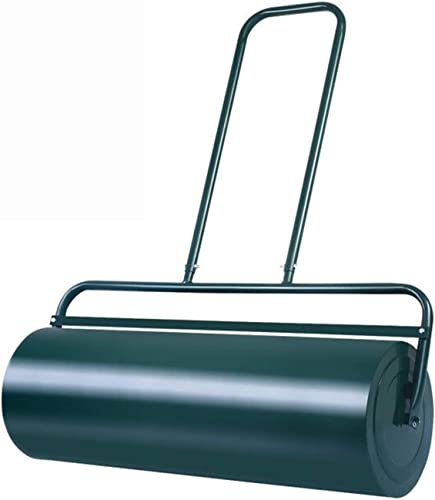
Goplus Lawn Roller 17 Gallon Steel Drum

Garden Tailor 30 Inch Compost Spreader

VINGLI 20 Inch Water Filled Lawn Roller
More Details On Our Top Picks
A leveling rake like this suits you better than a plain roller when the lawn has dips, mounds, or uneven topsoil after seed work. The 17 by 10 inch head gives you a broad pass, and the adjustable handle, listed from 27 to 80 inches, makes the tool easier to match to your height and stance.
The stainless steel body and aluminum rollers point to a sturdy, low-fuss setup for yard prep, golf-lawn style smoothing, or farm work around larger patches. The trade-off is simple: a tool built for leveling is more about shaping the surface than pressing seed into place, so it fits best as part of a full lawn routine rather than a standalone fix.
Strong Points
- Wide head coverage helps you move across patchy sections without tiny, tedious passes.
- The adjustable handle supports a more comfortable stance for taller and shorter users.
- Steel and aluminum parts suit regular outdoor use and feel more substantial than light-duty plastic tools.
- Works well for grading soil before you spread seed, which can save you from redoing uneven spots later.
Points To Note
- Its main job is leveling, so you still need a separate step for seed pressing or final rolling.
- The longer handle can feel awkward in cramped borders or narrow side yards.
- Metal tools need routine cleaning after damp soil work to keep buildup from making storage messy.
Feature Rundown
Who It Suits Best
You’ll appreciate this most if your lawn care routine starts with leveling rough soil before seeding or overseeding.
A Better Fit Elsewhere
Brinly 270 lb. Combination Push/Tow Poly Lawn Roller fits better for someone who already has a smoother surface and wants heavier seed-bed contact after spreader work.
This one fits small beds and tight garden spaces where you want to loosen soil without dragging out a bigger machine. The 57 inch handle gives you reach, and the aluminum gears matter because they handle the turning motion that drives the cultivator through the top layer.
It’s a sensible match for flower beds, light fertilizer mixing, and prep work around seed starts, though it won’t replace a roller for pressing down new grass seed. The honest read is that you gain control and simplicity, but you also accept a slower pace, which suits tidy backyard tasks more than broad lawn coverage.
What We Like
- Manual control makes it easier to work just the bed or patch you want to treat.
- The long handle reduces the need to stoop during routine soil prep.
- Aluminum gearing adds a more substantial feel than a bare-bones hand tool.
- Useful for mixing amendments into upper soil layers before seeding or planting.
Areas To Watch
- Hand cultivation takes more time than wheel-based lawn rollers on larger areas.
- Best use stays close to beds and small plots, not broad turf sections.
- Soil buildup on the working head means cleanup matters after damp jobs.
Details At A Glance
Who Should Grab It
You’ll get the most value from this in a modest garden bed, where controlled soil loosening matters more than brute force.
Another Choice May Suit
VINGLI 20 Inch Water Filled Lawn Roller is a better match for someone focused on pressing fresh seed across a lawn rather than mixing soil in a planting area.
The adjustable handle range gives this cultivator a wider fit window than the fixed-feeling YEELOR pick above. That matters in real yard use, because a handle that lands closer to your height can make reseeding prep, aerating, and soil mixing less tiring over a longer session.
The star-shaped head with four aluminum wheels is the feature that stands out most, since it helps the tool bite into soil in a more deliberate way. The trade-off is that the tool still serves cultivation jobs first, so you won’t get the same seed-pressing result you’d expect from a true lawn roller.
Best Bits
- Adjustable length makes it easier to set up for different users or working positions.
- The steel build should suit repeated use in garden beds and lawn edges.
- Star-shaped head design helps break and turn upper soil instead of just skimming it.
- Good for reseeding prep where you need more than a simple surface pass.
Small Caveats
- It stays in the cultivator category, so it does not replace a rolling step after seeding.
- Four-wheel action can feel overbuilt for tiny container-style tasks.
- Steel parts and soil residue call for regular cleaning and dry storage.
Core Details
Whose Shelf It Belongs On
This fits gardeners who want one manual tool for aerating, planting prep, and light reseeding work around the yard.
Look Elsewhere When
Scotts Turf Builder Grass Seed Sun & Shade Mix 5.6 lbs. suits you better if your priority is starting the grass itself rather than breaking up soil by hand.
Seed takes center stage here, but the fertilizer and soil-improving pieces matter just as much in a patchy yard. That combination can simplify overseeding because you’re working with one bag instead of trying to match separate lawn-care inputs in the middle of a weekend project.
The sun and shade positioning makes sense for yards with mixed exposure, where part of the turf gets stronger light and part sits under trees or along fences. You may still need a roller from this list after spreading it, since good seed contact depends on surface prep as much as the blend itself.
Upsides
- Seed, fertilizer, and soil-improving components are packaged in one lawn-focused mix.
- Works across mixed light conditions, which helps in yards with both open and shaded sections.
- The 5.6 pound bag suits a manageable overseeding task without feeling oversized.
- Useful as part of a full reset routine after leveling or rolling work.
Softer Spots
- Seed alone still depends on good soil contact and watering habits.
- The coverage note helps with planning, but broad yards may need more than one bag.
- Like any seed blend, results depend on matching the mix to your yard conditions.
Feature Card
The Right Fit
This suits homeowners who want a single seed mix for patch repair, overseeding, and general lawn refreshes.
Where A Sibling Pick Shines
Brinly 270 lb. Combination Push/Tow Poly Lawn Roller is the better follow-up if your turf is already seeded and needs firmer ground contact.
This is the most straightforward roller in the group, and that matters when your lawn work is about pressing soil down after seeding or smoothing an established yard. The 18 by 24 inch drum and the 270 lb. capacity point to a heavier, more grounded feel than the lighter utility tools above.
The push and tow combination adds flexibility, so you can move it by hand in tighter spots or pull it behind suitable yard equipment for broader passes. The tethered plug is a practical detail because filling and emptying a heavy roller is easier when the drainage point stays attached instead of wandering off in the grass.
Reasons To Buy
- Higher filled weight gives more pressing force for newly seeded or uneven turf.
- Push and tow use broadens how you can move it around the yard.
- The tethered plug is a handy detail for filling, draining, and storage routine.
- Poly construction can be easier to live with than bare metal in damp conditions.
- Fits the core job of a lawn roller more directly than the cultivators in this roundup.
Worth Noting
- A heavier roller takes more effort to handle when it’s full, especially in tight spaces.
- Large weight makes storage and drainage planning more important after each use.
- The wide drum suits open turf better than narrow side yards or beds.
Quick Facts
Best Suited To
You’ll like this most in a larger yard where a heavier roller can do the main pressing work after seeding.
Reach For A Different Pick When
JouZYA Lawn Leveling Rake 17″x10″ with Adjustable Handle makes more sense if your surface is uneven enough that leveling comes before rolling.
Compared with the Brinly roller, this Goplus model gives you a water- or sand-filled steel drum in a more moderate 17 gallon format. That keeps it versatile for regular backyard work, especially where you want a roller that can shift between push, pull, and tow use without feeling oversized.
The U-shaped handle is the part many homeowners will notice first, since a simple grip shape can make repeated passes less awkward. Rounded drum ends are another sensible touch, because a roller that turns cleanly is easier to manage around lawn edges and less likely to feel clumsy in tighter turns.
Highlights
- Three movement styles give you more flexibility across different yard layouts.
- Fillable drum lets you adjust weight based on the job at hand.
- Steel construction fits the wear-and-tear of repeated lawn use.
- The rounded ends support smoother turning around corners and edge transitions.
Minor Gripes
- Fill and drain steps add a little setup time before and after use.
- A larger roller still needs garage or shed space once it’s emptied.
- For tiny patch jobs, this may feel more tool than you need.
Spec Overview
Who Will Love This
This suits homeowners who want one yard roller that can switch between hand use and tow-behind use without much fuss.
Skip It When
VINGLI 20 Inch Water Filled Lawn Roller is the cleaner fit for smaller yards where compact size matters more than movement options.
This spreader solves a different problem from the rollers above, because it handles compost, topsoil, manure, and mulch rather than pressing the lawn after seed placement. The 30 inch width matters on larger lawns, since wider coverage can shorten topdressing sessions and keep the spread more even across open turf.
Garden Tailor also includes support accessories and claims a 15 minute setup, which is a useful detail for homeowners who don’t want an awkward assembly session before the yard work starts. One thing worth considering is that this tool is best for surface dressing and feeding, not for compacting soil or flattening bumps.
Positives
- Wide 30 inch spreader helps cover more ground during topdressing tasks.
- Handles multiple materials, so you can use it for compost, manure, topsoil, and mulch.
- Assembly support makes setup feel less intimidating for a first-time seasonal project.
- Useful on slopes and uneven ground, which matters in yards with imperfect contours.
Areas To Watch
- It spreads material rather than rolling the lawn, so it fills a different role in the yard routine.
- Metal mesh parts may need cleanup after damp organic material.
- The wider frame can feel bulky in narrow side passages.
Technical Sheet
Built With In Mind
You’ll get the most out of this on larger lawns that need even topdressing or compost spreading rather than seed rolling alone.
Swap It Out When
Brinly 270 lb. Combination Push/Tow Poly Lawn Roller is the more suitable choice when your work list ends with flattening and pressing the turf.
Smaller lawns often need a roller that’s easier to move and store, and this 20 inch model fits that kind of job neatly. The 10.5 gallon capacity gives you fill-based weight without pushing the tool into the bulkier territory of the larger rollers in this roundup.
The removable drain plug is useful in ordinary ownership because emptying and transporting a lighter drum is far less awkward than wrestling a full one. Rounded drum ends also matter here, since a compact roller is most helpful when it can turn cleanly around beds, borders, and other tight spots.
Bright Spots
- Compact size suits modest yards and tighter storage spaces.
- Fillable design lets you choose water or sand based on how much weight you want.
- The drain plug simplifies emptying after use.
- Steel drum construction brings a sturdier feel than very light garden tools.
Things To Consider
- The narrower drum covers less ground per pass than the larger rollers here.
- Fill and drain steps still add a bit of routine before storage.
- Better suited to small and medium spaces than wide open acreage.
Feature Snapshot
Whose Shelf It Belongs On
This works best for homeowners with a smaller lawn who want an easier-to-handle roller for seed pressing and light smoothing.
Where Shoppers Go Wrong
Goplus Lawn Roller 17 Gallon Steel Drum suits you better if you want a more versatile push, pull, and tow setup for a larger yard.
How To Choose The Right Lawn Rollers For Grass Seed
Match The Tool To The Job
Seed needs one kind of help, and uneven ground needs another. A true lawn roller presses fresh seed into contact with soil, while a leveling rake fixes dips and humps before seed ever goes down.
That split matters more than people expect, because the wrong tool can leave you with a smooth-looking lawn that still has poor seed contact. For patch repair, a lighter compact roller often makes sense, while larger open yards benefit from a heavier drum that covers more ground with each pass.
Think About Weight, Width, And Control
Weight changes how firmly a roller presses, and width changes how fast you can move across the yard. A 270 lb. roller like the Brinly model brings more pressure than a 10.5 gallon compact option, while a 30 inch spreader covers more surface than a 20 inch drum.
Control matters just as much. Push, pull, and tow options help in mixed yards, but a tool that’s too large for narrow borders becomes awkward fast, especially around fence lines and curved beds.
Look At Storage And Cleanup
Rollers that fill with water or sand are handy because you can empty them for transport, but that also means drainage and drying become part of ownership. A tethered plug, rounded drum ends, or a U-shaped handle can make the routine feel easier.
Steel and poly drums each have their place. Steel feels sturdy and direct, while poly can be easier to manage around moisture, but either one still needs simple cleaning after soil work so buildup does not become a seasonal headache.
Choose By Lawn Condition
Fresh seed on fairly even ground points you toward a standard roller. Rough, lumpy turf points you toward leveling first, then rolling second, which is why a leveling rake and a lawn roller often belong in the same yard-care plan.
Mixed sun and shade, patch repair, and topdressing projects also change the call. A seed blend like Scotts Turf Builder can help with establishment, but it still needs the right surface prep and a tool that suits the yard’s current condition.
Things Worth Knowing Before You Order
Wrong Turns To Avoid
Many shoppers grab a roller before checking whether the lawn actually needs leveling, topdressing, or simple seed pressing. That mix-up leads to the wrong tool sitting in the shed while the real problem stays put.
Another common miss is ignoring storage space. A wide steel drum or tow-behind roller can be a nuisance in a tight garage, so size matters just as much as fill capacity.
What The Higher Tier Buys
Higher-end rollers usually pay for thicker materials, smarter drainage parts, and more flexible movement styles. Those details help in the real world because a roller that drains cleanly and turns smoothly is easier to live with after each yard job.
The upgrade makes sense for larger lawns, repeated seasonal overseeding, or yards with awkward layout changes. For a small patch and a one-time repair, a simpler compact roller often gets the job done without extra bulk.
Frequently Asked Questions
Do Lawn Rollers Help Grass Seed Establish?
A roller helps press seed into soil contact, which can support more even germination conditions. It does not replace proper watering, soil prep, or the right seed mix.
Should You Roll Before Or After Seeding?
Most yard routines use a roller after seeding so the seed sits closer to the soil surface. Leveling comes first when the ground has bumps or dips.
What Size Roller Works For A Small Yard?
A compact drum around 20 inches is easier to move in tighter spaces. It also stores more easily in a garage or shed.
Is A Water-Filled Roller Hard To Use?
An empty roller is lighter to move, then you add water or sand for the job. The trade-off is that filling and emptying become part of the routine.
Do You Need A Roller For Every Seeding Project?
Not every lawn needs one, but uneven soil or freshly spread seed usually benefits from added contact. A roller is most useful when the lawn surface is already reasonably even.
