

Large yards ask for different machines than small suburban strips, and that’s where this roundup helps. You’ll see everything from autonomous mowing to zero-turn riders and a remote-control option for steep ground. The goal is to match your yard size, slope, storage space, and comfort level without dressing up trade-offs. That keeps the choice practical, not flashy.
Quick Look At The Shortlist

ANTHBOT M5 Robot Lawn Mower 1/8 Acre

EGO Power+ Z6 Zero Turn Electric Riding Lawn Mower 42" Deck ZT4214L
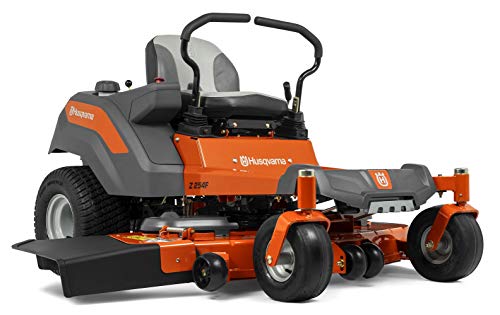
Husqvarna Z254F 54 in. 23 HP Kawasaki Zero Hydrostatic Turn Riding Mower

Greenworks 80V 30" Cordless Riding Lawn Tractor 4 6.0Ah Batteries 600W Charger
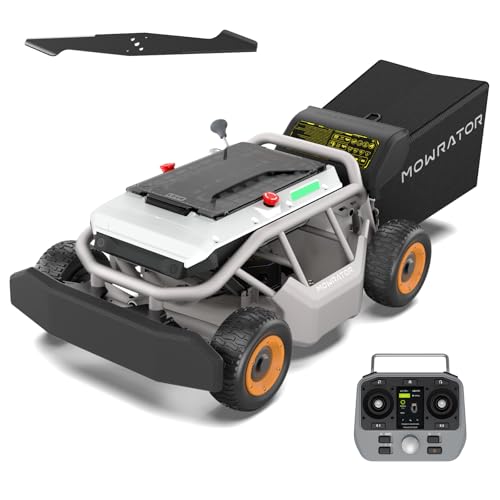
Mowrator S1 4WD 12Ah Remote Control Lawn Mower 21-Inch 37° Slope

EGO Power+ Z6 Zero Turn Electric Riding Lawn Mower 52" Deck ZT5216L

Husqvarna Z248F 48" 23HP Kawasaki Zero Turn Lawn Mower
More Details On Our Top Picks
For smaller yards, this robot mower changes the routine more than it changes the grass. The no-perimeter-wire setup, app control, dual vision system, and full-band NRTK positioning point to a cleaner setup for homes that want less fuss around layout. The included garage also makes sense for driveway-adjacent storage, though you’ll still want a spot with decent shelter and a tidy charging path.
The honest read is that this suits tidy lawns and owners who like automation more than hands-on tuning. The 1/8 acre coverage and multi-zone mapping make the fit clearer for compact properties with separate lawn sections, while the 45% slope rating gives it more terrain confidence than many entry robot mowers. Compared with the riding mowers in this list, it’s about convenience and space savings, not seat time.
Strong Points
- No perimeter wire keeps setup simpler for many yards.
- App control helps you adjust mowing from the house.
- Dual vision and NRTK positioning support smarter navigation across shaped lawns.
- Multi-zone mapping suits properties split by walks or planting beds.
- The garage adds a tidy place to park and charge the unit.
Things To Consider
- Its 1/8 acre coverage points to smaller properties, not broad lots.
- Robot mowers still need regular blade care and debris checks.
- Complex landscapes can take patience during initial mapping.
Feature Snapshot
Who It Suits Best
Busy homeowners with small, segmented yards and little appetite for wiring or daily mowing chores will get the most from it.
Where A Sibling Pick Shines
Greenworks 80V 30" Cordless Riding Lawn Tractor fits better for you if you want a seat, a wider working stance, and less dependence on robot mapping.
That 42-inch deck lands in a useful middle ground, wide enough for respectable coverage but still nimble in tighter turnarounds. Compared with the robot pick above, this is for you when you want to sit down, steer hard, and finish a lawn in a more traditional riding pattern. Electric drive also matters in garages that stay cleaner and quieter than gas equipment, though battery management becomes part of the routine.
For suburban lots with gates, trees, and a fair amount of trimming near beds, the zero-turn format is the real draw. You may find the learning curve gentler than a big gas rider, but battery charging habits and runtime planning still deserve attention. The trade-off is straightforward, less fuel upkeep, more dependence on power management.
What We Like
- Zero-turn steering helps you work around trees and landscaping with less backtracking.
- The 42-inch deck suits many average-size lawns without feeling oversized.
- Electric operation keeps day-to-day use cleaner than fuel-based riders.
- It pairs well with homeowners who want a riding mower without gas storage.
Small Caveats
- Battery planning matters more than it does with a fuel rider.
- Zero-turn control can take a little practice on first use.
- Storage and charging space should be part of your setup plan.
Core Details
Built With In Mind
You’ll like this most if your yard has a moderate footprint, lots of corners, and a preference for electric equipment over gas.
Swap It Out When
Husqvarna Z254F 54 in. 23 HP Kawasaki Zero Hydrostatic Turn Riding Mower suits bigger, more open acreage better, especially where a wider deck can save time.
Once you move into larger yards, deck width starts to matter in a very practical way. The 54-inch cutting deck gives you more ground per pass than the 42-inch EGO above, and the 23 HP Kawasaki engine points to the kind of power many homeowners want for long mowing sessions on open property. It feels built for people who would rather finish quickly than thread through tight garden edges all afternoon.
The hydrostatic drive matters too, because hydrostatic steering uses fluid pressure for smoother speed changes without the usual gear-shifting rhythm. That tends to suit sloped or uneven yards where control feels more important than chasing a toy-like ride. The honest caveat is size, since a wide deck can feel clumsy in narrow side yards, so this is more comfortable on roomy acreage than on cramped suburban lots.
Bright Spots
- Wide 54-inch deck cuts broad sections with fewer passes.
- The Kawasaki engine gives it a strong, familiar gas-powered setup.
- Hydrostatic drive supports smoother speed changes during mowing.
- It suits open lawns where efficiency matters more than tight maneuvering.
Worth Noting
- The wide stance can feel less handy in narrow passages.
- Gas upkeep stays part of ownership, including fuel storage and routine care.
- More deck width usually means more space needed for storage and turning.
Details At A Glance
Right Fit For
Homeowners with broad, open lawns and a preference for a traditional gas rider will feel right at home here.
Another Choice May Suit
EGO Power+ Z6 Zero Turn Electric Riding Lawn Mower 52" Deck ZT5216L suits you better if you want electric operation with a larger cutting span.
This one speaks to yards where space matters almost as much as cutting power. A 30-inch deck is noticeably narrower than the Husqvarna and EGO riders above, which helps in tighter storage areas and smaller gates, while the cordless format keeps fuel handling off your list. The included four 6.0Ah batteries and 600W charger also signal that battery setup is a central part of ownership, not an afterthought.
For smaller properties, that narrower deck can be a very useful compromise. You give up some cutting width, but you gain a machine that feels easier to park, charge, and fit into a modest shed or garage. For most suburban lawns, that trade makes sense, especially when you want a riding tractor instead of a push mower.
Positives
- The 30-inch deck fits tighter spaces better than wider riders.
- Cordless operation removes fuel storage from the routine.
- The battery and charger bundle gives you the core power pieces in one setup.
- It suits homeowners who want a ride-on machine without a large footprint.
- Storage is easier than with many full-size gas riders.
Points To Note
- The narrower deck means more passes on bigger lawns.
- Battery charging space needs to be part of your garage or shed plan.
- Owners with extensive acreage may want a wider machine.
Quick Facts
Whose Shelf It Belongs On
This belongs with homeowners who want a smaller cordless ride-on for compact lawns and easier storage.
Look Elsewhere When
Husqvarna Z254F 54 in. 23 HP Kawasaki Zero Hydrostatic Turn Riding Mower is the better fit for bigger open acreage where deck width saves more time.
Steep, awkward ground is where this remote-control mower earns attention. The 21-inch deck is modest, but the remote format and 4WD layout matter more here, especially for yards where standing on a slope while mowing just doesn’t sound wise or comfortable. Standard tires are said to handle up to 75% grades, and the 12Ah LiFePO4 battery package suggests a more serious power setup than a casual hobby machine.
That said, this is a specialized tool, not a general-purpose substitute for a regular rider. The 1.5 to 4.3 inch height range gives you useful trimming flexibility, but the real appeal is terrain handling and remote operation. Compared with the ANTHBOT robot mower, this one fits rougher ground and hands-on control better, while still sparing you from riding directly over difficult slopes.
Reasons To Buy
- Remote control keeps you away from steep or awkward sections.
- 4WD adds traction for difficult ground.
- The 21-inch deck is easier to place in tighter terrain.
- The height range gives you useful trimming flexibility.
- It suits properties where slope is the main problem.
Softer Spots
- The narrower deck means slower progress on broad lawns.
- Remote-control equipment can take a learning period.
- Specialized machines usually ask for more storage awareness and charging discipline.
Feature Rundown
The Right Fit
You’ll get the most from this on steep, irregular property where remote control matters more than top-end cutting width.
Where A Sibling Pick Shines
Husqvarna Z248F 48" 23HP Kawasaki Zero Turn Lawn Mower makes more sense for flatter lawns where you want a seated ride and broader everyday mowing.
This is the broader-cut sibling to the 42-inch EGO above, and the wider deck is the headline. A 52-inch deck reduces the number of passes on larger lawns, which is exactly where electric riding gear starts to feel more compelling. You’ll still want to think about charging habits and garage space, but the payoff is a more efficient mowing pattern for bigger properties.
Compared with the Husqvarna gas riders, this one leans into cleaner everyday ownership and a more modern power setup. The trade-off is simple, a bigger electric machine can still ask more from your battery planning than a gas tank does from fuel stops. For homeowners with large lawns and a preference for cordless riding, that balance lands well.
Upsides
- The 52-inch deck covers more ground than the 42-inch EGO.
- Zero-turn steering keeps it agile around trees and beds.
- Electric operation avoids fuel storage and similar chores.
- It suits larger lawns that still need maneuverability.
Room For Improvement
- The larger footprint needs more parking and storage room.
- Battery management becomes more important on bigger properties.
- Owners who prefer quick refueling may still lean toward gas.
Spec Overview
Made For
This fits homeowners with large, obstacle-filled lawns who want electric riding convenience without giving up deck width.
Not Your Match When
Greenworks 80V 30" Cordless Riding Lawn Tractor is the better choice for tighter storage areas and smaller lawns.
The Z248F sits in the middle of the pack in a useful way, not tiny, not oversized. A 48-inch deck gives you more coverage than the 42-inch EGO while staying a little easier to handle than the 54-inch Husqvarna Z254F, and the 23 HP Kawasaki engine keeps the power story familiar. For many suburban properties, that balance is enough without moving into a bulkier machine.
The honest caveat is that this still feels like a gas riding mower, so storage, fuel, and routine upkeep remain part of the deal. That said, the zero-turn layout gives you a practical edge around landscaping and fence lines, which matters once your yard has a few obstacles. It’s the sensible middle lane in this list, and that’s a real strength.
Best Bits
- The 48-inch deck is a practical middle size.
- Zero-turn handling helps around trees, beds, and corners.
- The Kawasaki engine gives it familiar gas-powered confidence.
- It fits many medium-to-large lawns without feeling oversized.
Areas To Watch
- Gas upkeep stays part of ownership.
- It still needs enough shed or garage room for parking.
- Very compact yards may be easier to manage with a narrower deck.
Core Details
Who Will Love This
You’ll appreciate this most if you want a capable zero-turn rider for a medium or medium-large lawn without jumping to the widest deck in the group.
Reach For A Different Pick When
EGO Power+ Z6 Zero Turn Electric Riding Lawn Mower 52" Deck ZT5216L suits you better if electric power and a wider cut matter more than a traditional gas setup.
How To Choose The Right Lawn Riding Mowers
Match Deck Width To Yard Shape
Deck width is the cutting span under the mower, and it shapes how quickly you cover open ground. Wider decks, like 52 or 54 inches, make sense for broad lawns with fewer tight turns, while 30 to 42 inches helps in narrower side yards or tighter storage areas. The right fit comes from looking at gates, trees, fences, and the space you need to turn without constant backing up.
Choose Power Based On Your Routine
Electric riders and robot mowers cut down on fuel handling, which suits garages where you want a cleaner routine and less smell. Gas riders still appeal for long sessions and properties where refueling is easier than recharging, especially on larger lots. Remote-control and robot models shift the workload in a different direction, trading seat time for control systems and setup planning.
Think About Slope And Terrain
Grade and slope matter more than many shoppers expect. A lawn with hills, drainage dips, or rough edges may need 4WD, remote control, or a machine with a stronger slope rating, while flatter lawns let you focus on deck width and turn radius instead. Steep ground also changes comfort, since standing on a slope or riding across it feels very different from mowing a level lot.
Plan For Storage, Charging, And Maintenance
Riding mowers take room, and battery units need a charging spot that stays dry and accessible. Robot mowers add mapping, cleaning, and blade care to the routine, while gas machines bring fuel storage and engine upkeep into the picture. The easiest choice is usually the one that fits your shed, garage, and weekly habits without forcing a new routine you won’t want to keep.
What To Weigh Before You Decide
Common Shopping Slip Ups
Many people size the deck for speed and forget about gates, garden beds, and turns around trees. That can leave you with a mower that feels great on open ground but awkward everywhere else.
Another common miss is ignoring storage and power setup. A cordless rider needs charging space, and a robot mower needs enough layout clarity to map the yard without constant interruptions.
The Upgrade Payoff
Higher-tier lawn riding mowers often cost more because of wider decks, stronger drivetrains, better turning systems, or smarter navigation hardware. In this category, you’re paying for less friction in day-to-day use, not just a bigger number on the box.
That upgrade makes sense for larger properties, rough terrain, or owners who mow often and want the routine to feel easier. For a smaller or simpler yard, the extra hardware can be more machine than you need.
Frequently Asked Questions
What size lawn suits a riding mower best?
Riding mowers make the most sense once your yard takes too long to manage with a push machine. Smaller lawns can still use them, but the time savings grow as the yard expands.
Are electric riding mowers hard to maintain?
They usually avoid fuel and oil chores, which simplifies the routine. You still need to think about charging, battery storage, and keeping the deck clean.
Do zero-turn mowers work well around landscaping?
Yes, zero-turn steering helps you work around trees, beds, and tight corners with less backtracking. The trade-off is a little learning time at the start.
Are robot mowers a good fit for uneven lawns?
They can be, as long as the yard layout and slope range fit the model’s capabilities. Complex terrain still calls for careful setup and regular checks.
What matters more, deck width or engine power?
Deck width affects how much lawn you cut per pass, while engine or drive system affects how confidently the machine handles the job. For open acreage, width often saves the most time, but slope and terrain can make power the deciding factor.
