

Keeping a mower running smoothly usually comes down to choosing the right oil for the engine type, viscosity grade, and season. That matters most when you’re dealing with spring tune-ups, midsummer heat, or a machine that sits in the shed for months at a time.
The shortlist below focuses on two-stroke mix oil, straight SAE 30, common 10W-30 blends, and a heavier 10W-40 option. You’ll also see a couple of bundle-style choices with fuel treatment, which can simplify routine maintenance for small engines that get regular use.
Quick Look At The Shortlist
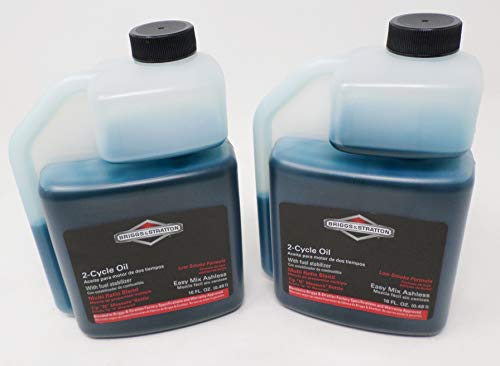
Briggs & Stratton 2-Cycle Easy Mix Motor Oil 16 Oz. (Pack of 2)

Briggs and Stratton 100005 SAE 30 Engine Oil 18oz Bottle and Fuel Treatment
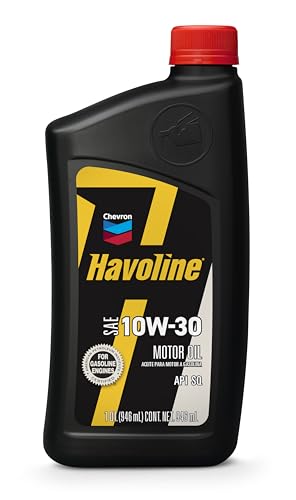
Havoline 10W-30 Motor Oil 1 qt.

Briggs & Stratton 30W Engine Oil 48 Oz. 100028 (2-Pack) and Fuel Treatment
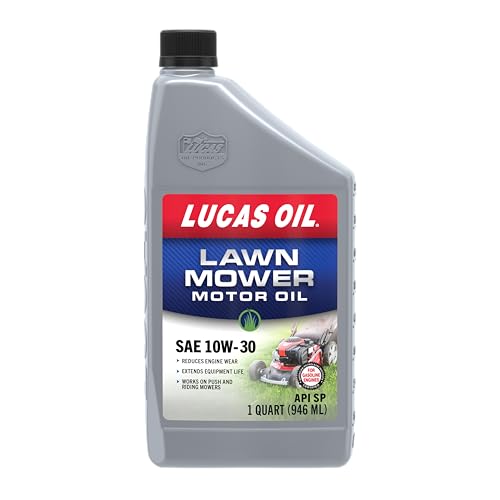
Lucas Oil 11313 SAE 10W-30 Lawn Mower Motor Oil 1 Quart
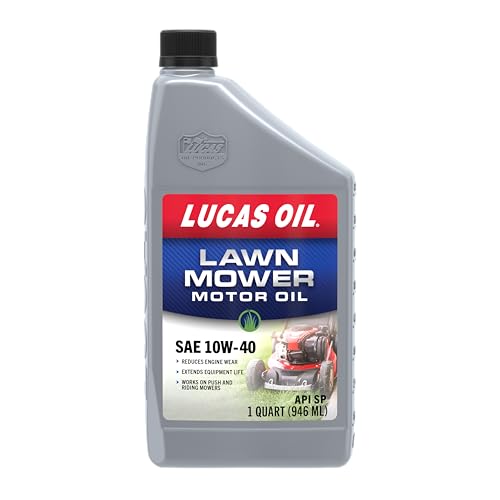
Lucas Oil 11314 SAE 10W-40 Lawn Mower Motor Oil 1 Quart

Briggs and Stratton 100074 Pack of 2 1-Quart 5W-30 Synthetic Oil

STP Premium Synthetic Blend 4 Cycle Small Engine Oil SAE 10w30 32 fl oz
Two-stroke gear asks for the right mix, not just any oil on the shelf, and this pack fits that kind of routine. The 16-ounce bottles make sense for trimmers, blowers, and other small outdoor tools that get refueled in shorter bursts.
Compared with the four-stroke oils later in this list, this one serves a different engine family, so it matters most in yards where the mower is only part of the job. The honest trade-off is simple: you’re getting a specialized oil instead of a general-purpose bottle, which is great for the right equipment and irrelevant for the wrong one.
What We Like
- Built for two-stroke engine mixes, so it suits equipment that needs oil blended with fuel.
- Two bottles help you keep a backup on hand for busy yard work seasons.
- The smaller container size is easy to pour and store in a garage cabinet.
- Useful for homeowners who keep several handheld outdoor tools running.
Points To Note
- It only fits the two-cycle side of the category, so it won’t replace the four-stroke oils in this roundup.
- Mixing requires a little attention, which adds one more step before starting work.
Feature Snapshot
Who It Suits Best
You’ll get the most value from this pick if your shed holds string trimmers, leaf blowers, or other two-stroke tools that see regular weekend use.
A Better Fit Elsewhere
Briggs and Stratton 100074 Pack of 2 1-Quart 5W-30 Synthetic Oil suits homeowners focused on four-stroke mowers rather than mixed-fuel equipment.
This bundle leans into simple upkeep, which suits a mower owner who wants oil and treatment in one purchase. The SAE 30 grade is the kind of straightforward seasonal choice many warm-weather small engines use, and the 18-ounce bottles are easy to handle during routine changes.
Compared with the first Briggs & Stratton pick, this one is aimed at four-stroke lawn equipment and adds fuel treatment into the mix. That pairing helps reduce the number of separate bottles on the shelf, although it does mean you’re paying for a bundle even on days when you only need oil.
Highlights
- SAE 30 fits common warm-season mower maintenance needs.
- Fuel treatment comes in the package, which reduces separate shopping.
- Two 18-ounce bottles help you split use across more than one service.
- The size is manageable for quick garage storage and cleaner pouring.
Things To Consider
- The bundled format is less flexible than a plain oil bottle.
- SAE 30 is a seasonal fit, so colder conditions may call for a different viscosity.
- You’ll want to keep track of both components so the fuel additive doesn’t sit unused.
At A Glance
Who Will Love This
You’re in the sweet spot for this bundle if your mower stays on a predictable maintenance schedule and you prefer one purchase that covers more than one need.
Where A Sibling Pick Shines
STP Premium Synthetic Blend 4 Cycle Small Engine Oil SAE 10w30 32 fl oz makes more sense for shoppers who want a larger single bottle instead of a bundled kit.
Simple 10W-30 oil tends to be the steady middle ground in this category, especially for homeowners who want one bottle that fits a broad range of small engines. The quart size gives you room for a full service on many mowers without cluttering the shelf with extra packaging.
Compared with the SAE 30 bottle above, this one brings a wider temperature window, which helps in regions with changing spring mornings and hotter afternoons. The trade-off is that you still need to confirm your mower’s manual, because oil grade matters more than brand polish.
Upsides
- 10W-30 is a familiar all-purpose grade for many four-stroke small engines.
- Quart packaging suits a standard change without leftover fuss.
- Handy for mixed-weather yards where temperatures shift through the season.
- Easy to store beside other maintenance supplies.
Minor Gripes
- It’s a plain oil bottle, so you don’t get extras like treatment or a second container.
- You still need to match the viscosity to the equipment manual.
Quick Facts
Made For
This is a good match for you if your mower calls for 10W-30 and you like a straightforward bottle rather than a bundled kit.
Look Elsewhere When
Briggs & Stratton 30W Engine Oil 48 Oz. 100028 (2-Pack) and Fuel Treatment suits homeowners who want more oil in one purchase and also want treatment included.
The larger bottle size changes the feel of this bundle right away, since it’s aimed at people who keep a mower working through repeated service intervals. You also get fuel treatment alongside the oil, which can make the shelf setup simpler for a garage that already holds spark plugs, filters, and seasonal tools.
Compared with the smaller Briggs & Stratton bundle, this one is built for more frequent use and less repeated buying of tiny containers. That said, the package only earns its keep when you’ll actually use the larger volume, because it takes up more space than the quart options in this roundup.
Bright Spots
- 48-ounce oil bottles suit more involved maintenance routines.
- Fuel treatment is included, which adds practical value for seasonal storage habits.
- Two-bottle format works well for garages that service several small engines.
- Helpful for owners who prefer fewer container changes over time.
Areas To Watch
- The larger bottles need more shelf room than the quart choices.
- It makes less sense for very occasional mowing.
- You may not need the treatment portion every time you open the package.
Core Details
Built With In Mind
You’ll appreciate this most if you maintain several machines, keep a large mower in rotation, or prefer fewer repeat purchases during the season.
Reach For A Different Pick When
Havoline 10W-30 Motor Oil 1 qt. suits a shopper who wants a compact, single-purpose bottle instead of a larger bundled setup.
This Lucas Oil quart lands in the familiar 10W-30 lane, which makes it easy to slot into routine mower maintenance. The label’s lawn-mower-specific wording is useful for shoppers who want a bottle that feels purpose-built rather than generic.
Compared with the Havoline quart above, the distinction here is more about the product positioning than the container shape, so the fit comes down to your comfort with brand preference and manual match. You may find it especially tidy for a weekend garage shelf, though it still calls for the same careful viscosity check as any small-engine oil.
Best Bits
- 10W-30 viscosity works in many standard four-stroke mower setups.
- Quart size keeps storage and pouring simple.
- The lawn-mower-focused naming makes it easy to identify at a glance.
- Good for routine, no-fuss seasonal maintenance.
Worth Noting
- You still need to confirm your mower’s required oil grade.
- Single-quart packaging is less convenient for larger service jobs.
Details At A Glance
Right Fit For
You’re the best match for this bottle if you maintain a standard four-stroke mower and want a compact quart that is easy to store and use.
Swap It Out When
Briggs and Stratton 100074 Pack of 2 1-Quart 5W-30 Synthetic Oil is a stronger fit for colder starts or for people who want a synthetic pair instead of a single quart.
10W-40 is the heavier-feeling branch of this roundup, and that makes it a thoughtful choice for engines that see warmer operating conditions. The quart format keeps it manageable, so you still get a simple shelf item rather than a bulky service supply.
Compared with Lucas Oil 11313 SAE 10W-30 Lawn Mower Motor Oil 1 Quart, this one suits a different viscosity need rather than a different ownership style. The trade-off is that a thicker grade won’t be the right answer for every mower, so the manual check matters more here than the brand name alone.
Reasons To Buy
- 10W-40 gives you a heavier viscosity option within the same quart format.
- Useful for certain warm-running small engines.
- Compact bottle size keeps garage storage easy.
- Works well for owners who already know they need this grade.
Small Caveats
- It’s more specialized than 10W-30, so it won’t suit every mower.
- As with any quart bottle, larger maintenance jobs may need more than one container.
Feature Card
Whose Shelf It Belongs On
This bottle belongs with you if your mower manual calls for 10W-40 and you want a tidy quart instead of a larger maintenance kit.
Another Choice May Suit
STP Premium Synthetic Blend 4 Cycle Small Engine Oil SAE 10w30 32 fl oz is the easier fit for shoppers who want a broader synthetic-blend option.
This synthetic pair stands out because it gives you two quarts in a cold-start-friendly viscosity. That matters for early-season mowing, garage storage in cooler climates, and owners who like to keep a second bottle ready without making another trip later.
Compared with the straight 10W-30 options, 5W-30 leans a bit more toward easier cold flow, which can help in chilly mornings or shoulder-season use. The trade-off is that synthetic packaging usually makes the pick feel a little more specialized than a basic conventional quart, even though the storage format is still straightforward.
Plus Points
- 5W-30 is useful for colder starts than straight-weight oils.
- Two-quart pack gives you a ready backup on the shelf.
- Synthetic formulation suits owners who want a more refined small-engine oil.
- Good fit for regions with cooler mornings and changing weather.
Room For Improvement
- The pair format uses more shelf room than a single bottle.
- It only makes sense for engines that call for 5W-30.
Core Details
The Right Fit
This suits homeowners who mow in cooler weather or want a synthetic pair that leaves one bottle in reserve for later maintenance.
Where A Sibling Pick Shines
Havoline 10W-30 Motor Oil 1 qt. makes more sense for a simpler all-purpose bottle and for people who do not need the extra synthetic pair.
This synthetic blend is the broadest-feeling pick in the group because it’s aimed at several types of small equipment, not just mowers. The 32-ounce bottle gives enough volume for a typical service, and the 10W-30 grade keeps it in the familiar range that many four-stroke machines call for.
Compared with the more mower-specific Lucas Oil quart and the heavier 10W-40 option, this one is better suited to households that maintain more than one kind of engine. The catch is that broad compatibility still depends on the equipment manual, so the wide label should not replace a proper grade check.
Standout Traits
- Synthetic blend construction gives it a more flexible feel than basic conventional oil.
- 10W-30 is a familiar grade for many lawn and yard machines.
- 32 fl oz sizing covers a standard service without feeling oversized.
- Useful across mowers, generators, tractors, and snow blowers listed by the brand.
Honest Caveats
- Its broad labeling still leaves the manual as the final reference point.
- The single-bottle format offers less reserve than the two-pack options.
- It may feel more product-rich than some shoppers need for a plain mower only.
Feature Rundown
Who Should Grab It
You’re a strong match for this bottle if you keep several outdoor machines in rotation and want one oil that fits a wide maintenance routine.
Skip It When
Briggs & Stratton 2-Cycle Easy Mix Motor Oil 16 Oz. (Pack of 2) is the correct path for two-stroke gear that needs a fuel mix instead of four-cycle oil.
How To Choose The Right Lawn Mower Oils
Start With The Engine Type
Two-stroke and four-stroke engines need different oil handling, and that’s the first fork in the road. Two-stroke gear uses oil mixed with fuel, while four-stroke mowers usually take oil in a separate crankcase. That distinction matters more than brand loyalty or packaging style.
Handheld tools like trimmers and blowers often land in the two-cycle camp, while walk-behind mowers and many riding machines use four-cycle oil. The right bottle saves you from a messy mismatch and keeps maintenance on the simple side.
Match The Viscosity To The Weather
Viscosity is how thick or thin the oil behaves, and the SAE number tells you that grade. Straight SAE 30 suits many warm-weather setups, 10W-30 gives a broader seasonal range, and 5W-30 starts out thinner for cooler conditions.
You don’t need the heaviest label to get better results, because the correct grade depends on the engine manual and your climate. For a shed that swings from chilly mornings to hot afternoons, 10W-30 often feels more forgiving than a straight-weight bottle.
Think About Bottle Size And Storage
Quart bottles are easy to stash and handle, which helps for one mower and occasional maintenance. Larger bottles and two-pack sets make more sense in garages with several machines or repeated oil changes across the season.
Bundle packs with fuel treatment add convenience, but they also add shelf space and another item to track. For a small garage, a simpler quart can be the cleaner fit, even if it looks less substantial on the shelf.
Choose For Your Yard Routine
Your mowing rhythm matters as much as the label on the front. Weekend-only lawns usually do fine with straightforward conventional oil, while heavier use or cooler starts can make synthetic or synthetic-blend formulas more appealing.
Owners who maintain more than one outdoor machine often benefit from the broader, multi-use options in this roundup. That’s where the product page details really pay off, because the right bottle should match the way you work, not just the engine family.
Things Worth Knowing First
Where Shoppers Go Wrong
The most common slip-up is buying the wrong engine type, especially confusing two-stroke mix oil with four-stroke mower oil. Another easy miss is choosing a viscosity that sounds familiar instead of checking the manual.
Storage matters too, since bulky bundles can crowd a small garage and make routine upkeep feel less convenient. A tidy quart often solves more problems than a bigger package, even though it looks less ambitious.
The Case For Spending Up
Higher-tier small-engine oils usually cost more because they lean on synthetic or synthetic-blend bases, broader temperature behavior, or added convenience in the package. Bundle kits can also cost more because they combine oil with fuel treatment in one purchase.
That extra spend makes sense for frequent mowing, cooler starts, or households running multiple outdoor engines. For light seasonal use, a plain conventional quart often does the job with less fuss.
Frequently Asked Questions
Can you use car oil in a lawn mower?
Some four-stroke small engines can use certain grades that overlap with automotive oil, but the mower manual still decides the correct match. Two-stroke equipment is a different story, since it needs mix oil rather than ordinary engine oil.
What does 10W-30 mean?
It’s a viscosity grade, which describes how the oil behaves in colder starts and at operating temperature. The numbers help you match the oil to weather and engine design.
Is SAE 30 the same as 10W-30?
No, SAE 30 is a straight-weight oil, while 10W-30 is a multigrade formula. The multigrade option is usually more adaptable across changing temperatures.
Do all mowers need synthetic oil?
No, many mowers run fine on conventional oil when the manual calls for it. Synthetic or synthetic-blend oil is more about your climate, service habits, and personal preference than a universal requirement.
Why do some oils come with fuel treatment?
Those bundles are meant to simplify routine maintenance by putting related small-engine supplies together. They suit people who like one purchase that covers more than one task.
