

You want lawn power that fits the yard you actually manage, not a spec sheet fantasy. Some jobs call for a compact push mower that stays easy to steer around beds and fences, while others need a replacement engine for a worn machine that still has life left in it. The lineup below focuses on gas engines and mower setups that make sense for regular home use, repair projects, and heavier-duty property work.
Quick Look At Our Shortlist

PowerSmart EasyGlide 21-Inch Gas Lawn Mower

Briggs & Stratton 33S877-0019-G1 Professional Series 19 HP 540cc Vertical Engine

SENIX 21” Self Propelled Gas Lawn Mower 170 cc
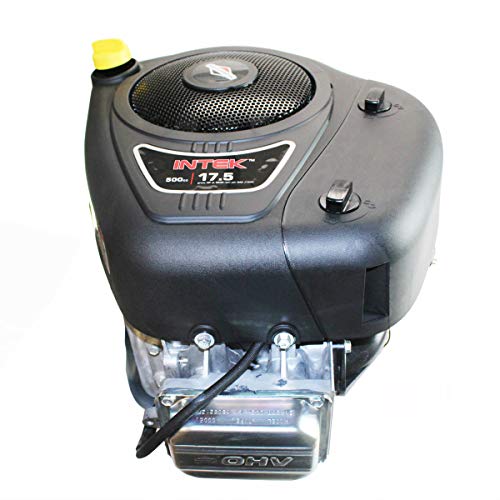
Briggs and Stratton Vertical 17.5 HP 500cc INTEK Engine

Briggs and Stratton 13R232-0001-F1 Engine

BRIGGS & STRATTON 44S977-0033-G1 25 GHP Vertical Shaft Engine

BILT HARD 420cc 15HP Gas Engine with Electric Start

Gas Engine Vertical Shaft, 4.4HP 173cc OHV Gas Motor with Primer
More Details On Our Top Picks
That 21-inch deck makes sense for a typical suburban yard, because it covers ground without feeling bulky around trees or edging. The 144cc four-stroke OHV engine is a modest gas setup, and the real appeal here is the 3-in-1 setup, which lets you mulch, bag, or side-discharge depending on how tidy you want the cut to look.
Steel deck construction usually suits owners who want a sturdier shell than a lighter plastic body, though it can add weight you notice during turns or storage. For a weekly mow and a straightforward garage routine, this PowerSmart sits in the friendly middle, not flashy, just sensible.
Positives
- 21-inch width trims a decent path, so mowing a small to medium yard takes fewer passes.
- Mulch, bag, and side-discharge modes give you more control over clippings and cleanup style.
- Steel deck construction should feel reassuring in regular storage and yard use.
- Push design keeps the layout simple, which helps in fenced yards and around garden beds.
Things To Consider
- Push mowing asks more from your pace than a self-propelled model, especially on slopes.
- The steel deck can feel heavier than lighter-shell alternatives during lifting or tight maneuvering.
- Bagging means more frequent emptying in thick spring growth.
Feature Rundown
Who It Suits Best
Homeowners with a regular-size lawn and a plain-vanilla maintenance routine will get the most from this setup.
A Better Fit Elsewhere
SENIX 21” Self Propelled Gas Lawn Mower 170 cc suits you better when your yard has slopes or you want help with forward motion.
This one belongs in repair-minded conversations, not casual mowing talk. A 540cc vertical engine points toward larger machines and replacement jobs where matching orientation matters, since vertical shafts are common on ride-on and similar yard equipment.
For a mower that’s being brought back into service, the big engine size gives you room to match heavier-duty use, though it’s more engine than a small push mower would ever need. The honest read is that this is for experienced hands or a shop doing a deliberate swap.
What We Like
- 540cc displacement gives you a strong replacement class for bigger yard machines.
- Vertical layout suits equipment that was designed around that shaft direction.
- Briggs & Stratton naming carries clear part identification for matching the right replacement.
- Good fit for restoration work where engine size matters more than compact form.
Small Caveats
- This is not a casual walk-behind engine, so the use case is narrower than Item 1 or Item 3.
- Replacement installs can take more planning around fitment and mounting points.
- Bigger engines usually mean more weight and more storage considerations.
Core Details
Built With In Mind
Repair shops, mechanics, and hands-on owners working with large vertical-shaft equipment will get the most from this engine.
Where A Sibling Pick Shines
BRIGGS & STRATTON 44S977-0033-G1 25 GHP Vertical Shaft Engine is the more forceful path for larger equipment that asks for extra output.
Self-propelled mowers earn their keep on yards with mild slopes or longer stretches of grass, and this SENIX leans into that convenience. The 170 cc gas engine sits in a practical home-lawn range, while the 3-in-1 cut handling gives you the same flexible clipping choices you saw on the PowerSmart, with a little less push effort required from you.
The 6-position cutting setup keeps the mower useful through changing grass conditions, though the exact feel of the drive system will matter more than the headline numbers. For most backyards, this is the kind of machine that reduces the daily grind without making the garage crowded with complexity.
Highlights
- Self-propelled movement lowers the strain compared with a standard push mower.
- 21-inch deck covers ordinary suburban grass in efficient passes.
- Three clipping modes make seasonal cleanup easier to manage.
- Six cutting positions help you fine-tune lawn height across the year.
- Good match for homeowners who want less effort on uneven ground.
Worth Noting
- Drive systems add mechanical parts that can mean more upkeep over time.
- The mower still needs gas storage and seasonal care, just like any other fuel model.
- Self-propelled convenience can feel unnecessary on very flat, tiny lawns.
Details At A Glance
Right Fit For
Homeowners with a medium lawn, a bit of slope, or a preference for easier pushing will feel right at home here.
Another Choice May Suit
PowerSmart EasyGlide 21-Inch Gas Lawn Mower fits better for you when push simplicity matters more than drive assistance.
The INTEK name tells you this engine sits in Briggs & Stratton’s familiar replacement lane, and the 500cc size gives it a serious footprint. Because the listing includes a 9 amp figure and a 1 inch by 3-5/32 inch shaft note, it’s clearly aimed at specific fitment rather than casual browsing, which matters a lot in replacement work.
That makes it a stronger match for equipment owners who know the machine they’re matching, not someone guessing from horsepower alone. You may find the setup demanding to sort out, but that precision is also the point.
Bright Spots
- 500cc size gives you a substantial replacement engine class.
- Vertical shaft format suits many mower and outdoor machine designs.
- Stated shaft dimensions help narrow compatibility more confidently.
- Works well for larger equipment that needs a stronger engine swap.
Areas To Watch
- Fitment matters a lot here, so matching dimensions takes real care.
- The engine is more suited to replacement jobs than quick convenience purchases.
- Storage and handling are less friendly than on compact mower units.
Feature Card
Whose Shelf It Belongs On
Experienced equipment owners and repair-minded shoppers who know their mounting needs will get the most value from this engine.
Look Elsewhere When
Briggs and Stratton 13R232-0001-F1 Engine makes more sense for smaller, more contained replacement jobs with tighter physical space.
Compact replacement engines matter most when the enclosure, frame, or mounting bay leaves little spare room. At 14.5 by 12 by 13.5 inches, this Briggs & Stratton unit gives you a size reference that helps narrow fit before you get deep into a repair project.
It’s a practical sort of part for owners fixing smaller machinery or replacing a worn engine with minimal fuss around footprint. The trade-off is that compactness can limit the kinds of equipment it suits, so exact match checks still matter.
Reasons To Buy
- Compact dimensions help in tighter machine bays.
- Simple replacement role keeps the focus on fit rather than extras.
- Useful for repair work where space is a real constraint.
Minor Gripes
- You need to match dimensions carefully before choosing it.
- Smaller footprint usually means a narrower range of equipment fit.
- Maintenance access depends heavily on the machine it goes into.
Spec Overview
Who Should Grab It
Hands-on owners dealing with smaller replacement jobs and limited install space will appreciate this engine most.
Swap It Out When
BRIGGS & STRATTON 44S977-0033-G1 25 GHP Vertical Shaft Engine suits larger machines that need a more forceful engine class.
Among the replacement engines here, this one reads as a step up for owners of larger vertical-shaft machines. The 25 GHP figure places it in a more forceful bracket than Item 2 or Item 4, so the fit question is less about everyday mowing and more about keeping heavier equipment alive.
That extra output usually makes sense for machines that work harder or pull more load. For basic lawn duty, it’s more engine than you need, but for a stressed-up ride-on or similar equipment, it starts to look sensible.
Upsides
- 25 GHP gives you a stronger replacement class than the lower-output engines in this list.
- Vertical shaft orientation keeps it aligned with many common outdoor machines.
- Good fit for owners replacing worn power units on larger equipment.
Points To Note
- Higher output usually means a more serious installation plan.
- This is not the kind of engine you pick for a simple push mower.
- Storage, lifting, and maintenance access can be less convenient than on smaller units.
Key Specs
The Right Fit
Owners of larger yard machines and repair projects that need more power than a basic engine replacement can deliver will find this a strong match.
Where Shoppers Go Wrong
Briggs and Stratton 33S877-0019-G1 Professional Series 19 HP 540cc Vertical Engine is the safer match for projects that need a smaller vertical replacement target.
Electric start changes the mood of an engine swap in a pretty obvious way, especially for equipment that gets used often or sits for stretches between jobs. The 420cc size and horizontal shaft layout place this BILT HARD engine in multi-use territory, which makes it different from the vertical-shaft replacements above.
For snow throwers, pressure washers, tillers, and similar gear, that horizontal format can be the detail that makes the whole project work. The catch is that you still need to match the right mount and application, so convenience doesn’t erase compatibility checks.
Best Bits
- Electric start is a real convenience for frequently used equipment.
- Horizontal shaft layout opens the door to a wider range of machinery.
- 420cc displacement gives it a serious work-ready feel.
- Four-stroke OHV design fits common gas-engine maintenance habits.
Softer Spots
- The shaft orientation narrows the machine types it can serve.
- Installation still depends on exact hardware and mounting fit.
- More capability usually means more space and weight to handle.
Technical Sheet
Perfect Match For
Owners replacing engines on horizontal-shaft equipment who want easier starting and a broader utility profile will like this one most.
Skip It When
BRIGGS & STRATTON 44S977-0033-G1 25 GHP Vertical Shaft Engine makes more sense for upright-drive machines that need a vertical fit.
This Aceup Energy engine sits near the practical end of the replacement spectrum, with 173cc and 4.4HP aimed at simpler lawn mower swaps. The primer-based start setup gives you a more familiar cold-start routine, which many home users will recognize right away.
The shaft details matter here, because this is the kind of listing that rewards careful measuring before you commit to a rebuild. For a straightforward mower repair, though, the size and start system make sense without overcomplicating the job.
Strong Points
- 173cc size fits smaller replacement jobs well.
- Vertical shaft design keeps it aligned with many mower platforms.
- Primer start is familiar and easy to understand for routine use.
- 0.9-gallon fuel tank supports basic lawn work without constant refills.
- Clear shaft measurements help with fit checks before installation.
Room For Improvement
- The lower power class is aimed at simpler equipment, not heavy-duty machines.
- You’ll want careful compatibility checks because shaft dimensions are specific.
- Primer-based starting adds a small extra step during cold starts.
Feature Snapshot
Who Will Love This
Homeowners replacing a smaller mower engine and wanting a plain, direct install path will get the most out of this unit.
Reach For A Different Pick When
PowerSmart EasyGlide 21-Inch Gas Lawn Mower fits better for you when you want a complete mowing setup rather than a replacement engine.
How To Choose The Right Lawn Mower Engines
Match The Shaft To The Machine
Vertical and horizontal shafts are not small details, they decide whether an engine belongs on the machine at all. Vertical-shaft engines fit many mowers and rider-style yard machines, while horizontal-shaft engines are more common on equipment like tillers and some utility tools.
You save time by checking shaft direction, shaft diameter, and shaft length before anything else. That’s especially true on replacement jobs, where a strong engine can still be wrong for the frame.
Size And Output Need To Fit The Job
Engine displacement, measured in cc, gives you a rough sense of working size. Smaller numbers usually suit basic lawn care, while larger numbers point toward heavier machines or more demanding grass conditions.
Horsepower adds another clue, but it only helps when you compare it with the machine type and the yard size. A 4.4HP replacement can be plenty for a compact mower, while 25 GHP belongs on a more serious setup.
Starting Style Changes Daily Use
Recoil start is simple and familiar, which is why many basic mower engines still use it. Electric start trims effort and feels friendlier on machines you use often, especially when your storage area is cold or the engine sits for stretches.
Primer-assisted start systems sit in the middle, giving you a small prep step before ignition. For many home users, that trade-off is worth it because the process stays direct and easy to remember.
Think About Installation And Maintenance
Replacement engines are only helpful when the install path is clear, so mounting pattern, shaft fit, and access all matter. Bigger engines can be better for hard-working equipment, but they also ask more from your storage space and repair setup.
Gas engines need basic seasonal care such as fuel handling, cleaning around the deck or housing, and sensible storage between mowing stretches. A straightforward design usually works better for busy households than one packed with extra parts you do not need.
What To Weigh Before You Choose
Common Shopping Slip Ups
Many people start with horsepower and stop there, which can lead to a mismatch. Shaft direction, mounting size, and engine class matter just as much, and a powerful engine still fails the job when the geometry is wrong.
Another common miss is ignoring the difference between a complete mower and a replacement engine. A homeowner wanting a ready-to-use mower should look at Item 1 or Item 3, while a repair project belongs in the replacement-engine lane.
When The Higher Tier Makes Sense
More expensive engines usually bring larger displacement, stronger output, or a more specific fit profile. That extra cost tends to show up in larger machine compatibility, more demanding repair use, and the need for tighter manufacturing precision.
Paying up makes sense when your equipment works hard, your current engine is worn, or the shaft dimensions have to match exactly. For a small backyard mower, that extra muscle can be overkill, but for a bigger rider or utility machine, it starts to look justified.
Frequently Asked Questions
What matters most in a lawn mower engine replacement?
Shaft direction, shaft size, and mounting fit come first. Horsepower matters after the engine can physically belong on the machine.
Are vertical-shaft and horizontal-shaft engines interchangeable?
No, they serve different equipment layouts. A vertical-shaft engine fits machines built for upright output, while horizontal-shaft designs go on different tool types.
How do cc and horsepower relate?
Cubic centimeters measure engine displacement, which is the size of the combustion space. Horsepower gives a more direct sense of output, but both need to be read alongside the machine type.
Is a self-propelled mower better than a push mower?
Self-propelled models reduce the effort of moving the mower, which helps on slopes or longer lawns. Push mowers stay simpler, lighter, and easier to store.
What should you measure before choosing a replacement engine?
Check shaft diameter, shaft length, and orientation first. Then compare the engine size to the equipment it has to power.
