

Grass care gets easier once you match the fertilizer to your yard’s rhythm, not just the numbers on the bag. Some lawns need a quick green-up before summer heat, while others do better with slower feeding that lasts through the season. This roundup keeps the focus on nitrogen-heavy picks for different yard sizes, application styles, and upkeep habits.
Quick Look At The Shortlist

Jonathan Green Veri-Green Nitrogen Lawn Fertilizer 29-0-3 15,000 Sq. Ft.

Petramax Liquid Nitrogen Fertilizer 28-0-0 NPK 32 Oz

Petramax Liquid Nitrogen Fertilizer 28-0-0 NPK 1 Gallon

PetraMax Neighbor’s Envy Grass Fertilizer 1 Gallon 16,000 sq.ft.

GreenView Fairway Formula Lawn Fertilizer 33 lb. Bag 30-0-12 10,000 sq. ft.

Scotts Liquid Green Max Lawn Food 32 oz.
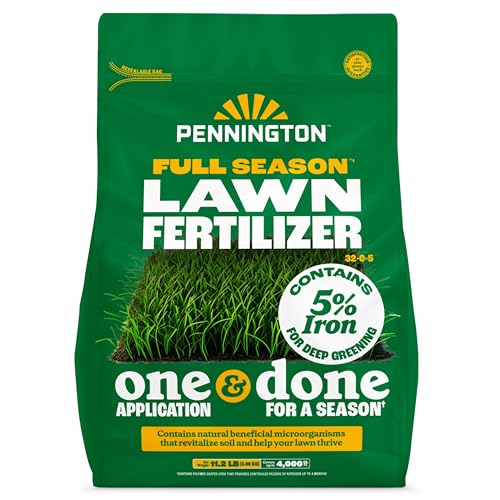
Pennington Full Season Lawn Fertilizer 4M 32-0-5 RF 3/11.2Lb

Pennington Full Season Lawn Fertilizer 12M 32-0-5 RF 35/33.6Lb
More Details On Our Top Picks
This bagged formula speaks to you if your lawn covers real ground, not just a narrow patch by the steps. The 29-0-3 analysis means nitrogen leads the mix, with potassium rounding things out, so it fits a green-up routine without getting overly fancy.
Compared with the liquid picks below, this one leans toward slower, more measured spreading and less frequent handling during the season. That trade-off suits you if you prefer a conventional lawn spreader and want coverage across 15,000 square feet without mixing or sprayer cleanup.
Strong Points
- 15,000 square feet of coverage suits larger yards.
- The 29-0-3 ratio puts nitrogen front and center for color and growth support.
- Bag format works well with standard spreaders, which makes routine application more familiar.
- Good match for homeowners who like measured, ground-level lawn care instead of spray bottles.
Things To Consider
- The bag format takes more storage space than the compact liquid options.
- You need a spreader, so the setup feels less casual than a spray-on bottle.
- Clean application matters, especially near walkways and planting beds.
Feature Snapshot
Who It Suits Best
You get the most from this one if your yard is large enough to justify a bagged spreader fertilizer and you want a familiar, no-nonsense routine.
A Better Fit Elsewhere
Petramax Liquid Nitrogen Fertilizer 28-0-0 NPK 32 Oz suits you better if you want faster spray coverage on a smaller lawn or around awkward edges.
Small to midsize yards often benefit from a liquid formula like this because the application feels quick and controlled. The 28-0-0 blend keeps the focus on nitrogen, and the 32-ounce bottle fits the kind of routine lawn care that happens around spring cleanup and early summer touch-ups.
Unlike Jonathan Green’s bagged option, this one skips the spreader and leans into spray coverage, which is handy around tight corners and patchy areas. The trade-off is straightforward, you’ll deal with mixing or sprayer prep rather than pouring granules and walking away.
Highlights
- Liquid format makes spot treatment and broad spraying easier to manage.
- 28-0-0 keeps the formula focused on nitrogen-rich feeding.
- The 32-ounce size suits smaller projects or occasional lawn care sessions.
- Useful for yards with odd edges, since sprayers handle corners better than many spreaders.
Worth Noting
- You need spraying gear or a compatible applicator, which adds a little prep.
- The smaller bottle suits lighter use, so very large lawns may need a different format.
- Liquid products usually ask for cleaner storage and tighter cap handling after use.
Core Details
Who It Suits Best
You’ll like this most if you maintain a smaller yard and want a fast, spray-based routine instead of handling dry fertilizer.
Another Choice May Suit
GreenView Fairway Formula Lawn Fertilizer 33 lb. Bag is a better fit for you if you prefer a dry, spreader-based approach and want a longer feeding window.
This is the same liquid format as the 32-ounce Petramax, only scaled up for more frequent lawn work. A gallon bottle makes sense for you if you cover a bigger patch, mix spray batches often, or simply prefer fewer trips back to the shelf.
The math is simple: more volume means less refill hassle, but also a heavier bottle to store and pour. For homeowners who keep a sprayer ready during the season, that trade feels reasonable and a bit more efficient than the smaller version.
What We Like
- One-gallon size supports repeated use without constant repurchasing.
- The 28-0-0 analysis keeps the feed nitrogen-heavy and straightforward.
- Spray application helps you work around shrubs, borders, and uneven spots.
- Good match for ongoing warm-season lawn care.
Room For Improvement
- The larger bottle takes more storage room than the 32-ounce version.
- Liquid handling still asks for sprayer setup and cleanup.
- The format may feel excessive for very small lawns.
Feature Rundown
Who Will Love This
You fit this pick well if your yard work already revolves around a sprayer and you want a larger liquid supply on hand.
Where A Sibling Pick Shines
Petramax Liquid Nitrogen Fertilizer 28-0-0 NPK 32 Oz is the easier reach for smaller yards or first-time liquid fertilizer users.
This formula stands apart because it layers several ingredients into a single liquid concentrate, not just nitrogen alone. That broader ingredient mix can suit you if your lawn care routine aims for greener turf with a more rounded feeding profile.
The 1-gallon size and 16,000-square-foot coverage are a good match for larger yards, though the extra ingredient list also means you’ll want to read the dilution instructions carefully. Compared with the two Petra liquid picks above, this one asks for a little more attention but gives you more to work with.
Reasons To Buy
- Combines nitrogen with iron, humic, and sea kelp in one concentrate.
- Coverage up to 16,000 square feet fits bigger lawns.
- Liquid format still keeps application manageable with a sprayer.
- The more varied formula suits homeowners who want a broader feeding profile.
Points To Note
- More ingredients usually mean more attention to mixing directions.
- You’ll need to keep sprayers and measuring gear clean after use.
- The formula is more involved than a simple nitrogen-only option.
Details At A Glance
Whose Shelf It Belongs On
You’re the right match for this if you manage a larger lawn and want a liquid fertilizer with more than one supporting ingredient.
Skip It When
GreenView Fairway Formula Lawn Fertilizer 33 lb. Bag is easier to live with if you want a simpler dry product and less measuring between applications.
Some lawn routines work better with a slower, steadier feed, and this bag is built around that idea. The 30-0-12 analysis keeps nitrogen central, while the slow-release design is meant to stretch feeding across a longer stretch of the season.
That makes it a sensible middle ground between the fast liquid products and the larger Pennington bags farther down this list. You still need a spreader and enough storage room for a 33-pound bag, but the payoff is a more hands-off routine once it’s down.
Upsides
- Slow-release feeding can reduce how often you think about the next application.
- 30-0-12 offers a nitrogen-led formula with added potassium.
- 10,000 square feet of coverage suits many suburban lawns.
- Bag format works well for people already set up with a spreader.
Softer Spots
- The bag is heavier to move and store than liquid options.
- Spreaders help, so this is less casual than a spray bottle.
- Dry fertilizer needs even application for the cleanest lawn result.
Spec Overview
Made For
You’ll like this most if you want a slow-release bag fertilizer and already own, or plan to use, a spreader on an average-size yard.
Look Elsewhere When
Scotts Liquid Green Max Lawn Food 32 oz. is the easier route for you if you want a spray-on formula and a quicker touch-up routine.
This bottle is aimed at the quick visual lift many lawns need after a rough stretch of weather or a long dry spell. It combines fertilizer with iron, and iron can help support a deeper green look, which makes the format appealing for homeowners who want fast, visible turf attention without handling a full bag.
Compared with the GreenView bag, this one is far more about speed and convenience than long-haul feeding. The honest read is that you give up some season-long staying power, but you get a much lighter setup and a product that fits almost any grass type.
Positives
- Liquid format is simple for quick lawn touch-ups.
- The fertilizer plus iron pairing gives you two useful turf-care ingredients in one bottle.
- Works across grass types, which keeps the choice flexible for mixed or uncertain lawns.
- Compact 32-ounce size stores easily in a garage shelf or garden tote.
Small Caveats
- Smaller bottle size may feel light for larger yards.
- You still need to handle spray application and clean the equipment after use.
- It leans toward quick care, not the longest feeding window in this lineup.
Core Details
Who Should Grab It
You fit this pick well if you want a quick, low-bulk liquid formula for general lawn upkeep.
Where Shoppers Go Wrong
Pennington Full Season Lawn Fertilizer 12M 32-0-5 RF 35/33.6Lb makes more sense if your priority is longer feeding and you don’t mind a larger bag.
Pennington takes a more set-it-and-forget-it approach here, which is useful for you if seasonal lawn care tends to slide down the to-do list. The 4M label signals a slow-release style designed for one application per season, so it suits a more relaxed maintenance rhythm than the quicker liquid picks.
That slower pace brings convenience, though it also asks you to be comfortable waiting for the payoff instead of chasing fast color changes. The 11.2-pound package is easier to handle than the heavier 12M bag, which helps if your storage space is tight or your yard is modest in size.
Bright Spots
- Season-long feeding style reduces application frequency.
- 32-0-5 keeps nitrogen high while adding potassium support.
- 11.2-pound size is easier to move and store than larger bags.
- Good fit for homeowners who prefer one planned lawn treatment each season.
Areas To Watch
- Slow-release products ask for patience before results feel visible.
- The smaller bag may not suit very large lawns.
- You still need a spreader for neat dry application.
Feature Card
Right Fit For
You’re a strong match for this if you want a slower, lower-maintenance feeding plan and have a smaller or medium lawn.
Swap It Out When
Jonathan Green Veri-Green Nitrogen Lawn Fertilizer 29-0-3 15,000 Sq. Ft. suits you better if you need broader coverage from a single bag.
The largest Pennington bag in this roundup is geared toward you if your lawn care plan stretches well beyond a small suburban patch. Its 12M slow-release design points to extended feeding, so the product makes the most sense for bigger properties that benefit from a longer interval between applications.
Compared with the 4M version, this one brings more bulk and a broader treatment footprint, which is handy for large yards but less comfortable for storage in tight sheds. That’s the trade-off: more capacity and longer coverage, with a little more effort every time you move or pour the bag.
Best Bits
- 12M slow-release format stretches feeding across a longer period.
- 33.6-pound bag supports larger lawn routines.
- 32-0-5 formula keeps nitrogen high with added potassium.
- Good fit for property owners who prefer fewer fertilizer sessions.
Honest Caveats
- The larger bag takes more storage room than the smaller Pennington option.
- Dry application still calls for a spreader and a little cleanup afterward.
- It can feel like more product than you need for a compact lawn.
Quick Facts
Built With In Mind
You should gravitate here if your yard is large and you want a slower feeding cycle that fits a broader seasonal plan.
Reach For A Different Pick When
Scotts Liquid Green Max Lawn Food 32 oz. suits you better if you want a lighter bottle and a faster green-up routine.
How To Choose The Right Lawn Fertilizers With Nitrogen
Match The Feed To Your Lawn Size
Coverage matters more than many shoppers expect. A 32-ounce liquid bottle fits quick jobs and patch-up care, while 33-pound bags make sense for broad lawns that need repeated coverage without constant repurchasing.
Look at the square footage number first, then think about your storage space and how often you want to handle the product. Large yards usually pair better with bagged granular fertilizer, while smaller yards often feel easier with spray-on liquid.
Read The NPK Ratio With Purpose
NPK means nitrogen, phosphorus, and potassium. Nitrogen drives the green, leafy push most lawns need, phosphorus supports root activity, and potassium helps turf handle general stress.
For many home lawns, a nitrogen-heavy formula makes sense, especially when the grass looks tired or dull. A 29-0-3, 30-0-12, or 32-0-5 mix tells you the product leans toward lawn greening, but the extra numbers change how rounded the feeding profile feels.
Choose Liquid Or Granular Around Your Routine
Liquid fertilizer suits quick application, tight spaces, and spot care around edges. Granular fertilizer fits spreaders, larger surfaces, and slower feeding habits that feel less hands-on after application.
The better format usually comes down to your routine, not the label. Busy homeowners often appreciate a slow-release bag, while someone maintaining a smaller yard may prefer a bottle that stores easily and sprays in minutes.
Think About Timing, Storage, And Cleanup
Season-long formulas reduce repeat work, which is handy for people who want fewer lawn tasks on the calendar. Faster liquid products are easier to deploy, but they ask for sprayer cleanup and a bit more care with measuring.
Storage matters too. Bags take up more shelf and shed space, while liquid jugs can leak or tip if they’re not capped and placed carefully, so your storage area should influence the pick as much as the ingredient list.
Things Worth Knowing First
Common Shopping Slip Ups
One common miss is choosing by nitrogen number alone and ignoring coverage. A strong formula still disappoints if the package size is too small for the lawn you actually maintain.
Another mistake is skipping the application method. A spreader-ready bag and a spray-ready bottle solve different problems, and the wrong format creates unnecessary work.
When Paying More Pays Off
Higher-tier options in this category often cost more because they offer larger coverage, slower release, or extra ingredients such as iron, humic, or sea kelp. Those additions can make the feeding profile broader and the lawn routine less repetitive.
That upgrade makes sense for larger yards, more polished lawn care plans, or homeowners who want fewer applications across the season. For a small yard with simple needs, a basic nitrogen-heavy formula usually does the job without extra complexity.
Frequently Asked Questions
What does a high nitrogen lawn fertilizer do?
It supports the leaf growth and green color many lawns need during active growing periods. The exact result depends on grass type, soil condition, and how evenly you apply it.
Should you choose liquid or granular fertilizer?
Liquid works well for quick applications and smaller areas. Granular fits larger lawns and slower feeding routines more comfortably.
What does the first number in NPK mean?
The first number is nitrogen content. In lawn products, that number usually matters most because it drives the green-up focus.
How much coverage should you look for?
Match the coverage number to your actual lawn size with a little margin for walkways and edges. A bigger yard usually benefits from a bag or bottle that leaves some room to spare.
Are slow-release fertilizers worth it?
They make sense for people who want fewer applications during the season. The trade-off is that the visible change can feel less immediate than with a quicker liquid formula.
