

St. Augustine lawns can be picky about what goes on them, especially when you’re dealing with heat, humidity, weeds, and patchy color at the same time. This roundup focuses on fertilizers that fit real yard routines, from weed-and-feed granules to liquid boosters and slow-release options for steady growth. You’ll find choices for narrow, sandy yards, larger suburban lawns, and mixed warm-season grass spaces. The goal is simple, get you closer to a thicker, greener lawn without guesswork.
Quick Look At The Shortlist

Fertilome (13917) St. Augustine Weed & Feed 15-0-4, 25.6 lbs

Fertilome (13767) Centipede Lawn Fertilizer 15-0-15, 16 lbs

PetraMax Neighbor’s Envy Grass Fertilizer, 1 Gallon

Yard Mastery 24-0-6 Flagship Granular Lawn Fertilizer, 45 lb Bag

Scotts Liquid Green Max Lawn Food, 32 oz.
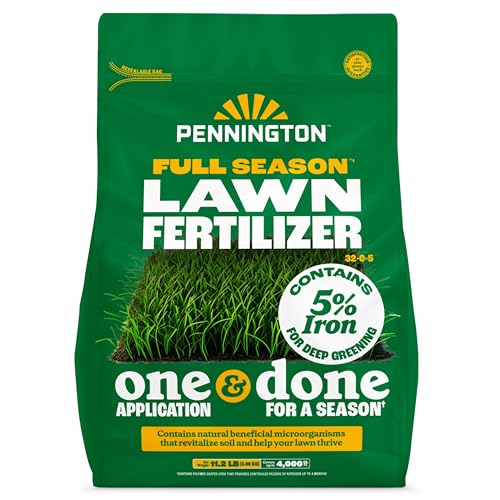
Pennington Full Season Lawn Fertilizer 4M 32-0-5 RF 3/11.2Lb
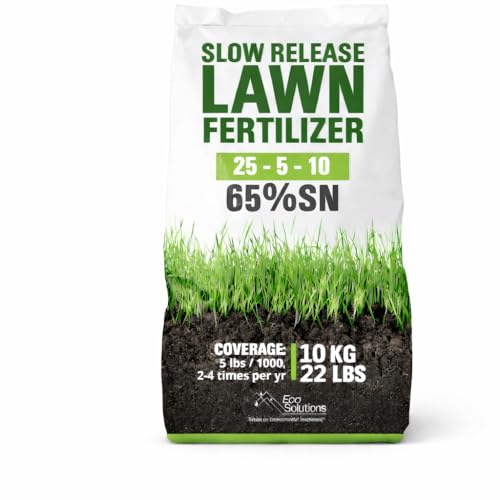
Slow Release Lawn Fertilizer 25-5-10 NPK, 10kg (22lbs)

GreenView Lawn Food 16 lb. Bag
More Details On Our Top Picks
For St. Augustine yards with visible weeds, this bag does two jobs at once, feeding the grass while addressing unwanted growth. The 15-0-4 analysis means it brings nitrogen for color and potassium for general turf support, while the weed-control side makes sense for lawns that need a cleaner start in spring.
The trade-off is obvious, since weed-and-feed products ask you to match the grass type carefully and avoid the wrong turf. That makes this a sharper fit for southern lawns that already match the label, not for mixed yards with Bermuda or cooler-season grass patches.
Reasons To Buy
- Combines fertilizer and weed control in one application, which simplifies spring lawn care.
- 15-0-4 feeding supports color and general turf vigor without loading the lawn with extra phosphorus.
- Granules suit spreader use, so coverage feels practical for medium-size yards.
- Fits St. Augustine, centipede, and zoysia lawns, which makes it useful across several warm-season setups.
Things To Consider
- It needs careful grass-type matching, since the label excludes Bermuda and northern grasses.
- Weed-and-feed timing matters, so early-spring application is the most sensible use case.
- Granular products need storage in a dry spot so clumping does not become an annoyance later.
Feature Snapshot
Who It Suits Best
You get the most from this pick in a St. Augustine yard that needs feeding and weed pressure handled together. It fits homeowners who want one spring pass instead of juggling separate treatments.
Skip It When
Ferti-lome (13767) Centipede Lawn Fertilizer 15-0-15, 16 lbs is the better call for anyone who wants a cleaner nutrient-only routine without the weed-control component. That makes more sense for a lawn already in decent shape and needing color support rather than herbicide action.
Compared with the first pick, this one stays on the nutrition side instead of trying to handle weeds too. The 15-0-15 analysis keeps nitrogen and potassium in view, and the added iron matters because St. Augustine and centipede lawns often need help looking richer without pushing growth too aggressively.
That balance makes sense in yards where the grass already grows well but looks a little washed out. You may prefer it for routine feeding, especially on warm-season turf that does better with a steadier, less dramatic push.
What We Like
- Iron support gives the lawn a darker look without turning the formula into a heavy growth chase.
- 15-0-15 keeps potassium present, which suits warm-season turf that benefits from even feeding.
- Slow-release nitrogen helps stretch the feeding window, so you are not feeding as often.
- Works with centipede and St. Augustine lawns, which keeps the use case nicely focused.
Minor Gripes
- It does not handle weeds, so you may need a separate product for that job.
- The 16-pound bag is better for modest lawns than for large properties.
- Like most granular feeds, it needs even spreading to avoid patchy results.
Details At A Glance
Made For
It suits you best when the lawn already matches the warm-season profile and you want a cleaner, more controlled feeding routine. That makes it especially practical for homeowners who prefer steady upkeep over corrective treatment.
A Better Fit Elsewhere
Yard Mastery 24-0-6 Flagship Granular Lawn Fertilizer, 45 lb Bag is the stronger match for larger yards that need a heavier granular supply and a broader nutrient push. It fits the person who wants one bag to cover a wider area with less refilling.
Liquid fertilizer changes the pace, and this one is built for fast lawn routines rather than slow seasonal dressing. The concentrate format suits a homeowner who wants wide coverage from a single gallon, especially on a larger property where dragging a spreader around every few weeks feels like too much work.
Compared with the two Ferti-lome picks, this is less about targeted turf chemistry and more about broad, flexible feeding. The humic acid, sea kelp, nitrogen, and iron blend points toward a lawn-care routine that values quick color and soil-support ingredients in one mix, though liquid feeding still asks for a sprayer and careful mixing.
Highlights
- Covers a large area per gallon, which makes it appealing for expansive lawns.
- Liquid format spreads fast and suits hose-end or sprayer-based routines.
- Includes multiple ingredient types, so you get a layered feeding approach in one bottle.
- Works well for quick color maintenance between slower granular applications.
Worth Noting
- Liquid feeding usually means more prep than pouring granules into a spreader.
- Storage takes a little care, since an opened jug needs a tidy, upright place.
- The broad format is useful, but it still depends on even spray coverage for consistent results.
Core Details
Right Fit For
You get the most from this pick on a bigger lawn where a sprayer setup feels normal and quick visual improvement matters. It suits you especially well during busy weeks when a fast liquid pass is easier than dragging a granular routine out of the garage.
Another Choice May Suit
Scotts Liquid Green Max Lawn Food, 32 oz. works better for smaller touch-up jobs and homeowners who want a simpler liquid bottle rather than a concentrate. That smaller format suits quick correction work on compact lawns or spot feeding near problem areas.
This bag is aimed at lawn owners who want a serious granular option and do not mind handling a heavier sack. The 24-0-6 analysis brings a stronger nitrogen push than the earlier Ferti-lome formulas, while the slow-release share helps avoid a short-lived green-up that fades too fast.
Bio-Nite is a branded ingredient derived from chicken manure, which is there to support soil feeding rather than act like a flashy add-on. In a large backyard or a community-property style lawn, that kind of broad coverage and measured release can be easier to live with than a fast, narrow burst.
Best Bits
- 45-pound bag size suits larger lawns and cuts down on refills.
- 24-0-6 provides a strong nitrogen-forward feed for greener turf.
- Three percent iron adds another layer of color support.
- Slow-release nitrogen helps stretch feeding intervals and smooth out growth.
- Micronutrients and potassium round out the formula for broader lawn care.
Areas To Watch
- The heavy bag is less convenient for storage in tight sheds or garages.
- Granular fertilizer still needs even spreading, so a sloppy pass can show later.
- The formula is broad, but a lawn with weed problems may still need a separate solution.
Spec Overview
Whose Shelf It Belongs On
This fits you best when the yard is large, the spreader is already part of your routine, and you want a granular product that leans toward steady maintenance. It also suits homeowners who prefer to keep one big bag on hand rather than restocking often.
Reach For A Different Pick When
Fertilome (13767) Centipede Lawn Fertilizer 15-0-15, 16 lbs is the neater match for smaller St. Augustine lawns that want a lighter bag and a more targeted nutrient profile. That pick feels easier to manage in compact storage spaces.
Liquid bottles like this are handy for people who want a quicker-looking lawn without handling a full spreader setup. The 2-in-1 format keeps things simple, since fertilizer and iron support sit in one bottle, and that can be enough for a lawn that just needs a tidy color lift between heavier feedings.
Compared with PetraMax, this is much easier to think about as a small, direct-use bottle rather than a concentrate project. That makes it friendlier for touch-up work on modest lawns, though the compact size also means you should not expect it to cover a sprawling property the same way a gallon concentrate can.
Positives
- Liquid use keeps application straightforward for quick lawn touch-ups.
- Combines fertilizer and iron in one bottle, which trims down your product shelf clutter.
- Any-grass-type labeling gives it broad reach across mixed lawn setups.
- Small bottle size stores easily in a garage cabinet or utility shelf.
Softer Spots
- The 32-ounce size is better for spot work than for large yards.
- Liquid products need careful measuring, especially around sidewalks and edging.
- You may still want a slower granular feed for a longer maintenance cycle.
Key Specs
Who Should Grab It
This suits you best for smaller lawns, quick color maintenance, or a simple bottle you can keep on hand for touch-ups. It also works well for homeowners who want a low-fuss liquid product without committing to a full concentrate routine.
A Better Fit Elsewhere
PetraMax Neighbor’s Envy Grass Fertilizer, 1 Gallon is the better call for larger properties and anyone who wants more coverage from a single container. That pick gives you more room to work when the lawn area spreads out.
The appeal here is straightforward: a seasonal granular feed that aims to keep the lawn going with fewer applications. The 32-0-5 analysis gives you a nitrogen-heavy profile with potassium support, and that suits a yard where you care more about reliable upkeep than constant product juggling.
Compared with Yard Mastery, this feels a bit more stripped down and easier to think about for regular lawn care. For busy households, that lower-maintenance rhythm can be the whole point, although a single seasonal application will still depend on your lawn’s condition and how much correction it needs.
Upsides
- Built around a full-season feeding style, so it fits set-it-and-manage-it routines.
- Slow-release approach helps distribute nutrition more gradually across the season.
- 32-0-5 keeps the formula focused on growth and potassium support.
- Smaller bag is easier to carry, store, and pour than a bulkier sack.
Points To Note
- Single-application thinking works best only when the lawn is already in decent shape.
- Smaller bag size may feel short for larger properties.
- Granular feeding still asks for steady spreading to avoid streaks or overlap.
Quick Facts
The Right Fit
This belongs on the shelf of someone who wants a simple seasonal feed for a modest yard and prefers a small, manageable bag. It works especially well for routine maintenance rather than lawn rescue work.
Swap It Out When
GreenView Lawn Food 16 lb. Bag makes more sense for a compact lawn that benefits from an 8-week feeding window and a slightly more space-oriented package. That option is friendlier when you want a neater bag size with a clearer yard coverage target.
This one leans into long feeding intervals, which is appealing for anyone who does not want to keep revisiting the lawn every few weeks. The 25-5-10 blend brings nitrogen front and center, while the 65% granular nitrogen callout and 110-day deep-feeding claim point toward a slower maintenance rhythm that suits steady turf care.
It sits in a useful middle ground between the heavier Yard Mastery bag and the smaller Pennington pack. For pet-aware households, the listing language will matter, though you still want to handle storage and application the same careful way you would with any lawn fertilizer.
Standout Traits
- Long feeding window reduces how often you need to revisit the lawn routine.
- 25-5-10 gives the formula a broad nutrition profile instead of a narrow one-note mix.
- 22-pound bag offers a manageable middle size for many suburban yards.
- Granular format works cleanly with a spreader and keeps mixing out of the picture.
Room For Improvement
- The bag size is practical, but not especially compact for apartment-style storage.
- Long-release feeding is convenient, though it offers less immediate adjustment than a liquid bottle.
- Careful spreader setup still matters for even lawn coverage.
Feature Rundown
Built With In Mind
You get the best fit here when your lawn routine needs breathing room and you prefer fewer feeding sessions across the season. It also suits households that like a single granular bag that can handle a broad job.
Where A Sibling Pick Shines
Scotts Liquid Green Max Lawn Food, 32 oz. is the easier path for quick touch-ups and smaller lawns that need a bottle you can grab and go with. That liquid option fits tighter schedules and smaller storage spaces better.
This bag is sized for smaller lawns, which is exactly where it starts to make sense. The 22-0-4 formula focuses on nitrogen with a little potassium, and the 8-week feeding window gives you a straightforward maintenance rhythm without pushing you into a complicated schedule.
Unlike the heavier Yard Mastery bag or the liquid PetraMax bottle, this sits in a tidy middle lane for compact yards and straightforward feeding. The honest read is that it feels easy to live with, as long as your lawn area matches the 5,000-square-foot coverage target.
Bright Spots
- Coverage target is easy to map to a smaller yard.
- 22-0-4 keeps the formula focused on feeding and basic turf support.
- Eight weeks of continuous feeding suits a simple seasonal routine.
- 16-pound bag stores neatly and handles without much fuss.
Small Caveats
- Coverage is limited, so large yards will need more than one bag.
- The formula is straightforward, which means fewer extra ingredients than the more layered picks above.
- Granular application still depends on even spreader technique.
Technical Sheet
Best Suited To
This suits you best for a compact lawn, a starter upkeep routine, or a yard where easy storage matters as much as feeding power. It is also a sensible pick for someone who wants a clear coverage number rather than a broad, open-ended bag.
Look Elsewhere When
Fertilome (13917) St. Augustine Weed & Feed 15-0-4, 25.6 lbs is the stronger match for yards that need weed pressure handled alongside feeding. That is the better route when clean-up matters as much as color.
How To Choose The Right Lawn Fertilizers For St Augustine Grass
Match The Formula To Your Lawn’s Job
St. Augustine grass does best with products that fit the yard’s current job, not just its species label. A weed-and-feed bag such as Ferti-lome’s 15-0-4 makes sense for lawns with visible weeds, while a plain nutrient blend suits lawns that already look clean and just need color or density support.
NPK means nitrogen, phosphorus, and potassium, the three numbers you see on fertilizer bags. Nitrogen drives green growth, potassium helps overall turf resilience, and phosphorus is kept low in several of these picks because established lawns often do not need much of it.
Granular Or Liquid, Pick The Rhythm You Can Keep
Granular fertilizer works well when you already use a spreader and want a slower, even feeding pattern. Liquid fertilizer suits quicker touch-ups, smaller jobs, or lawns that need a more immediate-looking color boost without waiting on a spreader pass.
The trade-off is simple. Liquids usually ask for mixing, spraying, and a little more cleanup, while granules ask for storage space and even distribution. For most backyards, the best format is the one you’ll actually use on schedule.
Coverage Matters More Than Flashy Claims
Bag size and coverage number matter because they tell you how far the product goes in real life. A 16-pound bag that covers 5,000 square feet is a neat fit for compact yards, while a 45-pound bag makes more sense for larger properties or long driveways with full turf borders.
Slow-release formulas are worth a close look because they stretch feeding over time. That can reduce how often you revisit the lawn routine, though the payoff is steadier than dramatic overnight color. For busy households, that pacing often feels easier to maintain.
Keep Grass Type And Season In View
St. Augustine has narrow compatibility boundaries, so matching the label matters more than chasing the strongest analysis number. The Ferti-lome weed-and-feed option, for example, is meant for warm-season lawns and specifically leaves out Bermuda and northern grasses.
Season also matters. Early spring is the natural window for products that handle weeds and feeding together, while steady maintenance products can work across the growing season depending on local weather. In humid southern yards, that timing can shape whether the lawn stays even or turns patchy.
What To Weigh Before You Click
Common Shopping Slip Ups
A frequent mistake is choosing by NPK alone and forgetting the turf type on the label. Another is picking a weed-control product for a lawn that only needs food, which creates extra work without fixing the real issue.
Coverage is another easy miss. A small bag can look convenient, but it may leave a bigger yard half-covered, while a heavy bag can feel awkward in a small shed.
The Upgrade Payoff
Higher-tier options usually cost more because they bundle more than simple nitrogen. You’re often paying for slower release, added iron, micronutrients, or a larger coverage footprint, and those extras can matter on yards that need steadier color or fewer applications.
That upgrade makes the most sense for bigger properties, more demanding soil, or homeowners who want a longer feeding cycle. A basic bottle can be enough for touch-ups, but a more developed granular blend usually pays off when your lawn routine has to do more work with less fuss.
Frequently Asked Questions
Can You Use The Same Fertilizer On St. Augustine And Centipede Grass?
Some formulas are made for both, but you still need to read the label carefully. Ferti-lome’s 15-0-4 and 15-0-15 options both point to warm-season turf use, which makes them relevant here.
Is Liquid Or Granular Better For St. Augustine Grass?
Granular works well for routine feeding, especially on medium or large lawns. Liquid is easier for quick touch-ups and smaller spaces.
Why Does Iron Show Up In So Many Lawn Foods?
Iron helps support a deeper green look without changing the whole feeding plan. That’s why it appears in several of these picks, especially the liquid and centipede-focused formulas.
Do You Need Weed Control In A St. Augustine Fertilizer?
Not always. Weed control helps when your lawn has visible weed pressure, but a clean lawn usually does better with a straight feeding product.
How Often Should You Feed A St. Augustine Lawn?
That depends on the product type, the release speed, and your local growing season. Slow-release products stretch the interval, while liquid foods are usually used more as quick maintenance tools.
