

Sandy soil drains fast, so grass often needs more careful feeding than it would in heavier ground. These picks suit you if your lawn thins out after rain, greens up unevenly, or seems to lose nutrients before roots can hold them. You’ll see starter blends, slow-release options, soil amendments, and liquid formulas, so you can match the product to the way your yard actually behaves.
Quick Look At The Shortlist

Jonathan Green Veri-Green Starter Fertilizer 12-18-8 (1,500 Sq. Ft.)

Fertilome Centipede Lawn Fertilizer 15-0-15 16 lbs

Jonathan Green Mag-I-Cal Plus Soil Food 5,000 Sq. Ft.

PetraMax Neighbor's Envy Grass Fertilizer 1 Gallon
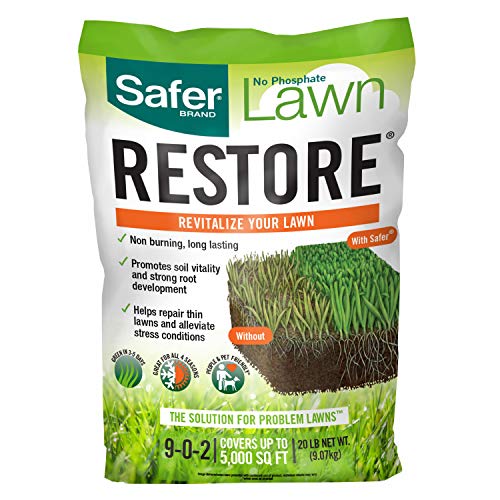
Safer Brand Lawn Restore Natural Lawn Fertilizer 9335SR 9-0-2
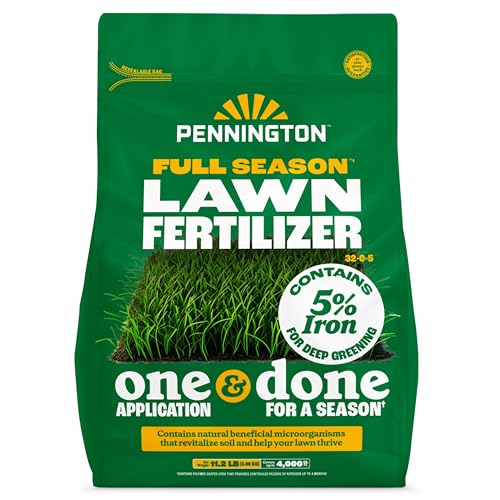
Pennington Full Season Lawn Fertilizer 4M 32-0-5 3/11.2Lb
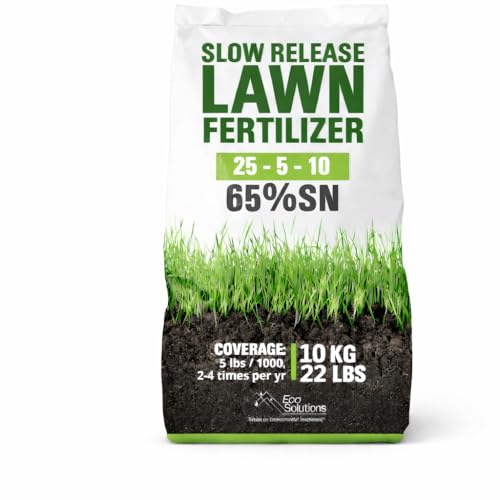
Eco Solutions Slow Release Lawn Fertilizer 25-5-10 10kg (22lbs)
Starter fertilizer matters most around fresh seed and new sod, and this 12-18-8 blend is built for that job. The higher middle number, phosphorus, supports root development, which sandy ground often needs because nutrients move through it quickly.
You get a modest 1,500 square foot coverage size, so it fits patch repairs and smaller lawns better than broad-acre projects. For new yard work, that’s a sensible trade-off, especially compared with the larger coverage options later in this list.
Strong Points
- Starter ratio suits seeding and sodding.
- Phosphorus-forward blend supports early root establishment.
- Coverage size works well for spot projects.
- Easy to match with renovation work.
Things To Consider
- Coverage is modest for larger yards.
- Best results come from use near new turf work, not general feeding.
Feature Snapshot
Who It Suits Best
New homeowners, overseeders, and anyone laying sod on sandy ground will get the most from this blend.
A Better Fit Elsewhere
Jonathan Green Mag-I-Cal Plus Soil Food is a smarter first stop for lawns that need a soil correction before regular feeding.
This blend is shaped for centipede grass, St. Augustine, and similar warm-season turf, so it’s a better fit than a generic lawn food. The 15-0-15 ratio keeps nitrogen and potassium in balance, and the added iron helps support color without leaning on a heavy, one-note formula.
For sandy soil, that balance matters because fast drainage can leave lawns looking hungry after a stretch of heat. You may still need a steady schedule, though, since this kind of turf-specific formula works best as part of regular care rather than a one-time fix.
What We Like
- Made for centipede and St. Augustine lawns.
- Potassium matches the nitrogen content for a steadier feeding profile.
- Iron can help turf look fuller and darker.
- Slow-release nitrogen supports a calmer feed pattern.
Small Caveats
- Specialized turf fit makes it less flexible for mixed-grass yards.
- Bag size suits mid-sized jobs better than very large properties.
Core Details
The Right Fit
Homeowners with centipede or St. Augustine grass on sandy ground will get the cleanest match here.
Skip It When
Jonathan Green Veri-Green Starter Fertilizer makes more sense for new seed, because this one is tuned for established warm-season turf.
Sandy lawns that still look tired after feeding often need a soil amendment, not just another fertilizer. This product is aimed at acidic and hard soils, so it speaks to the ground itself first, then to the grass on top of it.
That makes it a practical companion to the starter blend above, especially on lawns where nutrients disappear quickly and the soil pH drifts out of comfort range. For most homes with stubborn turf, this is the kind of correction step that can make later feeding more useful.
Upsides
- Targets acidic and hard soil conditions.
- Works as a foundation step before routine feeding.
- Coverage suits broad lawn projects.
Areas To Watch
- Soil amendment use takes patience, since it supports the ground rather than acting like a quick color boost.
- Best value comes on lawns that truly need soil correction.
Quick Facts
Best Suited To
You’ll get the most value from this pick when sandy soil also runs hard or acidic and the lawn needs a reset.
Another Choice May Suit
Pennington Full Season Lawn Fertilizer is the better seasonal feed for already-healthy grass that just needs longer support.
Liquid feeding has a different rhythm from granular products, and this one leans into that with a concentrate format and broad coverage claim. For busy yards, that can feel a bit like watering and feeding in the same routine, which is handy when you want speed without dragging a spreader around.
The ingredient list also stands out: nitrogen, iron, humic, and sea kelp are all part of the mix. That combination may appeal to you most when turf looks dull and you want a versatile liquid option, though concentrated products do ask for a little more mixing care.
Bright Spots
- Liquid format is convenient for fast application.
- Large coverage claim suits bigger lawns.
- Ingredient blend gives it a multi-part feeding profile.
- Can fit into regular watering-based routines.
Softer Spots
- Concentrates need careful measuring and mixing.
- Liquid use often asks for more setup than a simple granule spread.
Details At A Glance
Who Will Love This
Homeowners with larger yards who want a liquid routine and do not mind mixing steps will find a lot to like here.
Swap It Out When
Eco Solutions Slow Release Lawn Fertilizer is easier to live with for set-and-forget feeding on a tighter schedule.
Some sandy lawns only need a gentler, more forgiving feeding approach, and this 9-0-2 formula fits that lane. The lower nitrogen count and modest potassium make it feel less aggressive than the heavier-season options in this list, which can be easier to live with on lawns that already get stressed in heat.
The brand positions it as a non-burning fertilizer, a phrase that usually appeals to cautious homeowners, though the practical takeaway is simpler, you still want even application and basic watering habits. It suits routine care more than a hard reset, and that’s exactly the point.
Positives
- Gentler formula suits routine maintenance.
- Lower NPK profile feels less aggressive than high-number blends.
- Coverage can handle a medium-sized lawn.
- Good fit for cautious feeding habits.
Worth Noting
- Less concentrated nutrient profile means it’s not the most aggressive choice for thin turf.
- Works best as part of steady upkeep rather than a rescue plan.
Spec Overview
Whose Shelf It Belongs On
You’ll appreciate this most when your lawn needs steady maintenance more than a heavy nutrient push.
Look Elsewhere When
Jonathan Green Mag-I-Cal Plus Soil Food is the more useful choice when the ground itself needs correction before routine feeding starts.
Pennington takes a seasonal approach, and the 32-0-5 formula shows that it’s built for strong nitrogen feeding with potassium support. The slow-release design matters in sandy soil because it helps stretch nutrients farther than a quick-release mix, which can wash through faster ground too quickly.
Its “one application per season” positioning makes it a practical fit for homeowners who want fewer feeding sessions. The trade-off is that this kind of lawn care plan asks for more confidence in your timing, so it’s better for organized upkeep than casual spot treatments.
Highlights
- High-nitrogen profile supports noticeable green-up.
- Slow-release format stretches feeding over time.
- Seasonal use suits simple lawn routines.
- Potassium adds balance to the nitrogen-heavy mix.
Room For Improvement
- Less flexible than smaller-coverage or spot-use products.
- Best suited to planned seasonal use, not quick correction.
Feature Rundown
Made For
Busy homeowners who want a seasonal routine and a stronger feeding profile will see the clearest benefit here.
Reach For A Different Pick When
Safer Brand Lawn Restore is easier to live with for lower-key maintenance and a gentler nutrient approach.
This bag leans into slow release and a fairly strong 25-5-10 profile, so it sits between a classic feeding blend and a longer-horizon upkeep product. The 65 percent granular nitrogen formula is meant to spread nutrition out over time, which is useful on sandy soil that tends to let food move on too quickly.
The 10 kilogram, 22 pound bag is also easy to place in a garage shelf or shed corner, and that makes it friendlier for homeowners who like a stocked, ready-to-use setup. One thing worth noting, though, is that the best fit comes from planned use rather than impulse spot feeding.
Best Bits
- Slow-release design suits sandy ground.
- Granular nitrogen share supports longer feeding intervals.
- Bag size works well for storage.
- Balanced NPK profile fits regular lawn upkeep.
Minor Gripes
- Better for scheduled care than quick fixes.
- More structured feeding plans get the most from it.
Core Details
The Right Fit
You’ll get the most from this choice if you want a steady, low-drama routine for a sandy lawn that dries out quickly.
Where A Sibling Pick Shines
Jonathan Green Mag-I-Cal Plus Soil Food is a better first move when the underlying soil itself needs attention before regular feeding.
How To Choose The Right Lawn Fertilizers For Sandy Soil
Match The Formula To The Soil Problem
Sandy soil drains quickly, so nutrients do not sit around as long as they do in clay-heavy ground. That makes slow-release granules a smart starting point for many lawns, while starter blends are better for seed and sod work.
Soil amendments matter too, especially when the yard feels hard, thin, or acidic. A feeding product can help the grass, but a correction product like soil food addresses the ground that grass has to live in.
Read The Numbers With Purpose
The first number in NPK is nitrogen, which supports leafy growth and color. The middle number is phosphorus, which is tied to root growth, and the last number is potassium, which helps overall plant function and stress tolerance.
In sandy soil, that balance matters more than flashy marketing language. A lawn that needs establishment may lean toward a starter mix, while an established lawn often does better with a slow-release formula that spreads feeding over time.
Think About Turf Type And Coverage
Grass type matters because warm-season lawns, centipede especially, do not always want the same feeding style as a new fescue patch. A turf-specific product often gives you a cleaner fit than a generic one-size bag.
Coverage also changes the math. A 1,500 square foot bag suits patch repair or small yards, while a larger bottle or bag makes more sense for broad runs across the property.
Choose For Routine, Not Guesswork
The easiest products to live with are the ones that fit your schedule. Liquid concentrates suit homeowners who already use a sprayer, while slow-release granules fit people who prefer fewer applications and less fuss.
Storage, mixing, and cleanup matter more than they first seem. A tidy garage shelf bag can be simpler than a concentrate that needs measuring, and that practicality often decides what gets used well all season.
Things Worth Knowing First
Common Shopping Slip Ups
Many people grab a general lawn food before checking grass type or soil condition. Sandy lawns usually need a more specific match, so that shortcut can leave you feeding the wrong problem.
Another common miss is ignoring coverage. A small bag can be fine for repairs, but a bigger yard needs a format that won’t run out halfway through the job.
Where The Extra Money Goes
Higher-tier picks often cost more because they package slower-release nutrients, turf-specific formulas, or added ingredients like iron and humic materials. Those details can make the product feel more controlled and more useful in difficult soil.
That upgrade pays off most on lawns that need steady upkeep, not just a one-time color push. For a patchy or demanding yard, the extra structure can be worth it.
Frequently Asked Questions
What makes sandy soil harder to feed?
Sandy soil drains quickly, so nutrients move through it faster than they do in heavier ground. That usually means the lawn needs more deliberate feeding choices.
Is a slow-release fertilizer a good fit here?
Yes, slow-release formulas often suit sandy soil because they spread feeding over a longer stretch. That can help reduce how quickly nutrients vanish after watering or rain.
Should you use a starter fertilizer on an established lawn?
Starter fertilizer is mainly built for seed and sod work. An established lawn usually does better with a routine feeding product or a soil amendment that matches the real problem.
Does iron matter for lawn color?
Iron is often included to support deeper green color in turf. It does not replace the rest of the feeding plan, but it can round out the formula.
Which type suits a large yard best?
Large yards usually benefit from products with wider coverage or a season-long feeding plan. A liquid concentrate or a broad-coverage slow-release formula tends to fit that job better than a small spot-treatment bag.
