

Pacific Northwest lawns deal with cool rains, patchy sun, moss pressure, and stretches of growth that never seem to line up neatly. You need lawn food, seed, or a hybrid treatment that fits that climate instead of fighting it. The picks below focus on practical coverage, grass type fit, and the kind of feeding schedule that makes sense for real yards in the region.
The Shortlist At A Glance

Fertilome Lawn Food Plus Iron 24-0-4, 20 lbs

PetraMax Neighbor’s Envy Grass Fertilizer 1 Gallon

Scotts Turf Builder Grass Seed Pacific Northwest Mix 5.6 lbs

Jonathan Green Organic 8-0-1 Lawn Food 20 lb.

Scotts Turf Builder Healthy Plus Lawn Food 13.70 lbs.
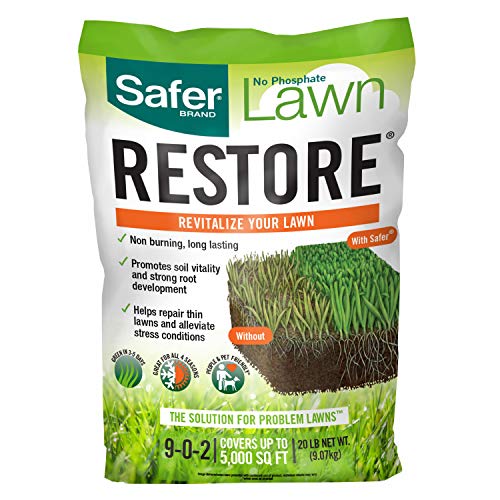
Safer Brand Lawn Restore Natural Lawn Fertilizer 9335SR
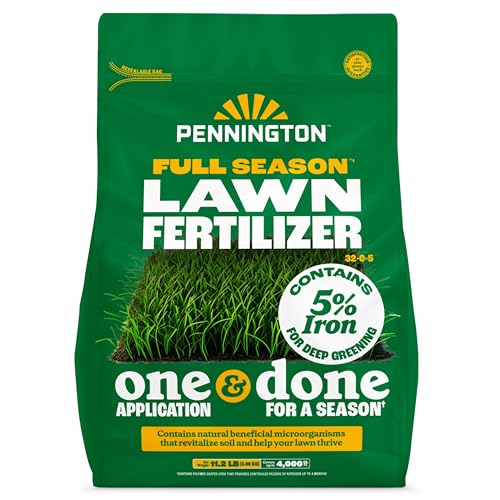
Pennington Full Season Lawn Fertilizer 4M 32-0-5 RF 3/11.2Lb
More Details On Our Top Picks
For lawns that look tired after a wet season, this Fertilome bag takes a practical route: two forms of nitrogen, which means one part feeds quickly while the other supports steadier growth. The added iron helps deepen color, so it suits the common Pacific Northwest problem of grass that looks pale even after routine care.
The 20-pound bag covers up to 5,000 square feet, which is a comfortable range for many suburban yards. It’s a straightforward granular fertilizer, so cleanup and storage stay simple, though you’ll want even spreading to avoid stripes.
What We Like
- Two nitrogen forms support both quick color and steadier follow-up feeding.
- Iron is useful for lawns that lean yellow in cool, damp conditions.
- The coverage range fits a typical small to mid-size yard.
- Granular format keeps handling and storage uncomplicated.
Points To Note
- Granules need careful spreading for an even look.
- Large properties will need more than one bag.
- It focuses on feeding, not on broader lawn repair tasks.
Feature Snapshot
Who It Suits Best
You benefit most from this pick if you want a simple granular feed for a cool-season lawn that needs color and steady growth.
A Better Fit Elsewhere
PetraMax Neighbor’s Envy Grass Fertilizer 1 Gallon suits you better when you prefer liquid application and need broader coverage in one container.
This liquid concentrate leans toward convenience for larger lawns, because a single gallon can stretch across a wide area once mixed and sprayed. Compared with Fertilome’s granular approach, it feels more suited to people who already own a hose-end or tank sprayer and want faster coverage across uneven ground.
The seven-part formula brings together nitrogen, iron, humic ingredients, and sea kelp, so it’s built for a broader feeding routine than a plain color boost. In a damp Pacific Northwest yard, that kind of all-around mix can make more sense than a single-purpose bag, although mixing and spray setup take a little extra attention.
Reasons To Buy
- Liquid format makes broad coverage easier with the right sprayer.
- Large coverage claim suits bigger yards or multiple zones.
- Humic material and sea kelp round out the feeding profile.
- Nutrient blend is appealing for a more layered lawn routine.
Small Caveats
- You need sprayer equipment, which adds setup time.
- Liquid concentrates can feel less convenient for tiny patch jobs.
- Storage takes more care than a sealed granular bag.
Details At A Glance
Made For
You fit this pick well if you manage a larger lawn and already own the sprayer setup needed for liquid feeding.
Another Choice May Suit
Jonathan Green Organic 8-0-1 Lawn Food 20 lb. is the more relaxed match for you if you want a granular routine with a simpler spread-and-go rhythm.
This one stands apart because it’s not just fertilizer, it’s seed with fertilizer and soil support bundled into a Pacific Northwest mix. Fine fescue and perennial ryegrass are a sensible pairing for lawns that split time between sun and partial shade, which is common in yards bordered by trees or fences.
The root-building nutrition matters most during early establishment, because new seed needs help settling in before it can handle local weather swings. You may find the 1,865-square-foot coverage comfortable for overseeding a sectioned yard, though bigger properties will want multiple bags.
Bright Spots
- Designed specifically for Pacific Northwest lawns.
- Seed, fertilizer, and soil support come together in one bag.
- Works for both new lawns and overseeding.
- Good match for sun and partial shade areas.
Areas To Watch
- Seed products need timing and patience before you see results.
- Coverage suits small to mid-size spaces more than broad acreage.
- Best results depend on soil prep and consistent watering habits.
Core Details
Who Should Grab It
You benefit most from this mix when you’re starting a lawn, filling thin areas, or reseeding a yard that sees both sun and shade.
Where A Sibling Pick Shines
Fertilome Lawn Food Plus Iron 24-0-4, 20 lbs is the better fit for you if your grass is already established and needs a simple feeding boost rather than new seed.
This bag keeps the formula simple, which is appealing for routine lawn care in a damp climate where you want feeding without fuss. Compared with Scotts Healthy Plus, it stays focused on nourishment rather than layering in a second treatment function, so the trade-off is clarity over complexity.
The 8-0-1 analysis leans lighter on nitrogen than some of the stronger-feeding options here, and that can suit lawns that benefit from a gentler routine. The 20-pound bag covers up to 5,000 square feet, making it a practical match for many standard yards without inviting a complicated application plan.
Upsides
- Simple nutrient profile keeps the product easy to understand.
- Coverage fits an average yard with room to spare.
- Works across all grass types listed by the brand.
- Granular handling makes routine application uncomplicated.
Honest Caveats
- It is more about steady feeding than a dramatic color push.
- Larger lawns will need more material on hand.
- The lighter analysis may feel modest for tired grass.
Quick Facts
The Right Fit
You’ll like this most if your lawn care routine leans toward steady maintenance rather than aggressive correction.
Look Elsewhere When
Pennington Full Season Lawn Fertilizer 4M 32-0-5 RF 3/11.2Lb suits you better if you want a slower-release approach with longer spacing between applications.
This option is for homeowners who want lawn food to pull double duty, because it combines fertilizer with a second turf treatment in one package. Compared with the simpler Jonathan Green bag, it asks for a little more attention but gives you a more layered plan in return.
The 4,000-square-foot coverage keeps it best suited to small and mid-size lawns, especially in neighborhoods where the grass has occasional health issues after long stretches of moisture. The honest read is that it makes the most sense when you want one product doing more than plain feeding.
Best Bits
- Two lawn-care functions in one bag reduce the need for separate products.
- Coverage works well for compact to medium yards.
- Good fit for gardeners who prefer a more complete treatment plan.
- Useful where lawn upkeep needs both feeding and added protection focus.
Room For Improvement
- More complex than a basic fertilizer bag.
- Smaller coverage area may not suit larger properties.
- Storage and application feel less simple than a single-purpose feed.
Feature Rundown
Best Suited To
You fit this pick well if your yard is modest in size and you want one bag that does more than feed grass.
Skip It When
Safer Brand Lawn Restore Natural Lawn Fertilizer 9335SR is the easier route for you if you prefer a simpler nutrient-only product with a softer-feeling feeding style.
Safer Brand takes a softer path with a 9-0-2 nutrient profile, which makes it appealing for lawns that respond poorly to stronger feeding. Compared with Fertilome’s brighter color push, this one is more about steady nourishment and a calmer application experience.
The non-burning positioning is useful for homeowners who want a more forgiving granular option, especially on lawns that already feel stressed after weather swings. In a busy backyard, that kind of simplicity helps, although you still need normal attention to spread it evenly and store the bag dry.
Standout Traits
- Milder nutrient profile suits grass that needs a gentler routine.
- The 5,000-square-foot coverage fits many home lawns.
- Granular format keeps handling familiar and tidy.
- Good choice for a more measured feeding schedule.
Softer Spots
- It is less forceful than stronger color-focused fertilizers.
- Best results still depend on even application.
- The lighter formula may feel understated for thin turf.
Technical Sheet
Who Will Love This
You’ll appreciate this most if you want a calmer-feeling fertilizer for an established lawn that doesn’t need a heavy push.
Reach For A Different Pick When
Scotts Turf Builder Healthy Plus Lawn Food 13.70 lbs makes more sense for you if you want one bag to handle both feeding and a second turf-care task.
Pennington leans into the long game, and that matters for Pacific Northwest lawns that benefit from fewer feedings spaced farther apart. The slow-release approach helps stretch nutrition through the season, so it feels especially practical for homeowners who prefer a simpler schedule than repeated short-cycle applications.
Compared with Jonathan Green’s lighter 8-0-1 mix, this bag brings a stronger nutrient profile and a more lasting feeding rhythm. The trade-off is that you wait longer for the effect to build, which suits a patient lawn routine more than a quick cosmetic refresh.
Highlights
- Slow-release design supports a longer feeding window.
- One seasonal application can simplify lawn care planning.
- Higher nutrient strength works for grass that needs more support.
- Good match for owners who want fewer product passes.
Things To Consider
- Results build more gradually than with fast-acting feeds.
- Less appealing for quick color correction.
- Works best for people comfortable waiting on the payoff.
Spec Overview
Built With In Mind
You get the most from this pick if you want a lower-touch seasonal routine and prefer feeding that lasts longer between applications.
Swap It Out When
Fertilome Lawn Food Plus Iron 24-0-4, 20 lbs suits you better if you want a quicker green-up effect with a more immediate visual payoff.
How To Choose The Right Lawn Fertilizers For Pacific Northwest
Start With Your Lawn’s Real Condition
Pacific Northwest lawns often sit in cool, damp weather with uneven light, so the right fertilizer depends on what your grass looks like right now. Thin, pale turf benefits from iron and stronger nitrogen, while an established lawn that only needs routine feeding can handle a simpler blend. Seed products matter too, because bare spots and worn sections need establishment support, not just nutrients.
Coverage also matters more than many people expect. A small front yard can live happily with a 4,000 to 5,000 square-foot bag, while larger backyards may justify a liquid concentrate that stretches farther with a sprayer. The shape of your property, not just the square footage, affects how easy the job feels.
Match The Form To Your Routine
Granular fertilizer is usually simpler for homeowners who want tidy storage and a straightforward spreader setup. Liquid concentrate works better for bigger zones or repeated passes, but it asks for more prep and cleanup. Seed-and-feed blends sit in the middle, which helps when you need a lawn reset rather than a basic feeding cycle.
Release style also changes the experience. Fast-acting formulas can brighten color quickly, while slow-release products spread nutrition across a longer stretch and fit lower-maintenance schedules. That choice is less about abstract quality and more about how often you want to think about lawn care.
Look Beyond Nitrogen Alone
Nitrogen drives green growth, but Pacific Northwest lawns often need a little more context than a single number on the bag. Iron helps with richer color, humic ingredients support soil conditions, and grass-specific seed blends matter when your lawn includes sun, shade, or both. A bag that matches your grass type and your yard’s light pattern usually gives you a cleaner result than a stronger formula that ignores those details.
You should also think about the season. Spring and fall are the practical windows for many of these products, and seed works best when soil contact and watering are steady. The right product feels boring in the best way, because it fits your yard without adding extra chores.
Choose For Maintenance Or Recovery
Routine maintenance calls for a basic fertilizer that keeps things steady without complicating the schedule. Recovery work asks for more, such as seed, iron, or a dual-purpose product that can handle multiple lawn needs at once. That split matters in the Pacific Northwest, where damp weather can make lawns look stressed even when the underlying issue is just thin growth or patchy coverage.
Think in terms of workload, not just lawn size. A homeowner with a tidy, established yard will usually prefer a simple granular bag, while someone reworking bare sections may be better served by a regional seed blend. That’s where matching the product to your actual weekend plan pays off.
A Quick Reality Check
Mistakes Worth Dodging
One common miss is choosing a strong fertilizer for a lawn that really needs seed or overseeding. Another is buying a formula without checking whether your yard has full sun, partial shade, or both, because that detail changes how well the grass settles in.
Another easy slip is ignoring application format. Liquid products ask for sprayer gear and a little more setup, while granular bags need even spreading to avoid streaking. The wrong form can turn a simple job into extra cleanup.
Where The Extra Money Goes
Higher-tier lawn fertilizers often cost more because they bundle more than basic nitrogen. You may see iron, humic ingredients, slow-release feeding, regional grass blends, or dual-purpose treatments that combine several lawn tasks in one bag.
That extra structure can be worth it for people who want fewer separate products or a better match for Pacific Northwest conditions. It matters less for a yard that just needs occasional feeding and already has healthy, established turf.
Frequently Asked Questions
Which lawn fertilizer works best for a shady Pacific Northwest yard?
A seed blend made for sun and partial shade is usually the better starting point for thin shady areas. Scotts Turf Builder Grass Seed Pacific Northwest Mix fits that need well because it includes region-matched grass types.
Should you choose liquid or granular fertilizer?
Granular fertilizer is easier to store and spread for most home lawns. Liquid concentrate makes more sense for large areas and for shoppers who already own sprayer equipment.
Is iron useful in Pacific Northwest lawn care?
Iron helps lawns look deeper green, especially when grass seems pale after long wet stretches. Fertilome Lawn Food Plus Iron 24-0-4 is built around that kind of color support.
Can one fertilizer handle both feeding and lawn problems?
Some products do more than feed, such as Scotts Turf Builder Healthy Plus Lawn Food. That kind of option suits you better when you want a more layered lawn-care step in one application.
How often should you use slow-release lawn fertilizer?
Slow-release formulas are designed to stretch feeding over a longer period, so they fit fewer applications. Pennington Full Season Lawn Fertilizer 4M 32-0-5 RF 3/11.2Lb is built around that kind of schedule.
