

Fresh seed and new sod need steadier support than a mature lawn, and the wrong fertilizer can make that first stretch harder than it needs to be. These seven picks cover starter formulas, liquid feeding, and slower-release options, so you can match the product to your soil, lawn size, and maintenance style.
You’ll see compact bags for small patches, larger coverage for whole yards, and a few formulas that lean harder on root development or longer feeding. The goal is simple, give your new grass a cleaner start without forcing you into guesswork.
Quick Look At The Shortlist

Jonathan Green Veri-Green Starter Fertilizer 12-18-8 1,500 Sq. Ft.

Jonathan Green Green-Up Lawn Food 12-18-8 1,500 Sq. Ft.
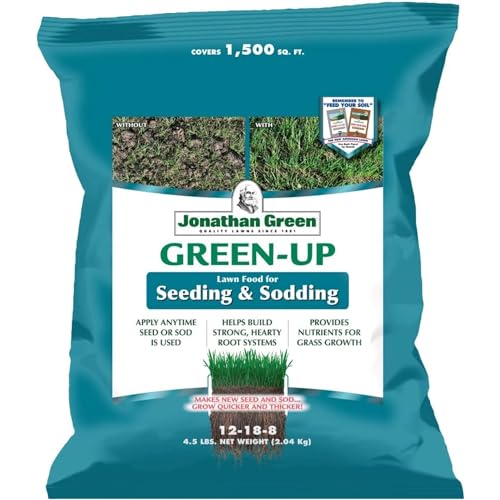
Jonathan Green Green-Up Lawn Food 12-18-8 1,500 Sq. Ft.

Fertilome New Lawn Starter Fertilizer 9-13-7 4 lbs

PetraMax Neighbor’s Envy Grass Fertilizer 1 Gallon 7-in-1 Liquid Lawn Fertilizer

The Andersons Premium New Lawn Starter 20-27-5 Fertilizer 18 lb
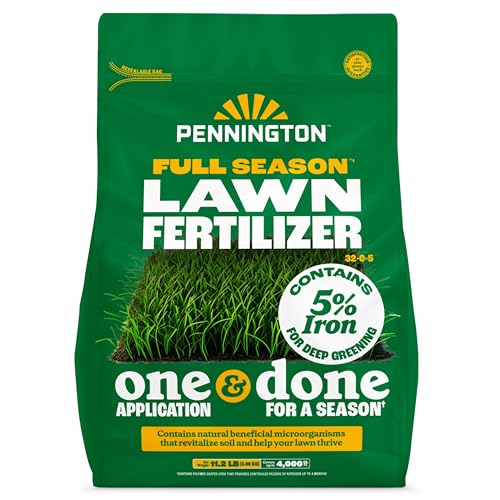
Pennington Full Season Lawn Fertilizer 4M 32-0-5 RF 3/11.2Lb
More Details On Our Top Picks
Starter fertilizer matters most right after seeding or sodding, and this Jonathan Green blend is built for that early stretch. The 12-18-8 analysis leans hard on phosphorus, which is the nutrient most associated with root formation, so your new lawn has support where it needs it most.
The 1,500 square foot coverage suits a front yard patch, a repaired strip along a driveway, or a modest backyard project. The trade-off is simple, it’s a focused starter formula, not a once-and-done feed for an established lawn.
What We Like
- 12-18-8 analysis puts the emphasis on rooting support.
- Covers a manageable 1,500 square feet, which helps for small to mid-size repairs.
- Works for seeding, overseeding, and sod installs.
- Good fit for a fresh lawn that needs a steadier first push.
Things To Consider
- Coverage is modest, so larger yards will need multiple bags.
- The starter focus means it is less suited to routine feeding later on.
Feature Snapshot
Who It Suits Best
New homeowners and weekend landscapers working on seed or sod patches will get the clearest value here.
A Better Fit Elsewhere
The Andersons Premium New Lawn Starter 20-27-5 suits you better when the lawn area is larger and you want a more concentrated bag for broader coverage.
This Jonathan Green option keeps the same 12-18-8 starter profile as the first pick, so the real distinction is presentation and fit rather than a different feeding style. For a small renovation, that makes it an easy, familiar choice that doesn’t overcomplicate the job.
The 1,500 square foot coverage is handy for spot seeding or a smaller sod section, and it stays close to the practical size many homes need. The honest read is that it’s best for straightforward projects, not sprawling lawns that need a heavier bag count.
Upsides
- Starter ratio supports young grass at the root stage.
- Small-lawn coverage keeps handling simple.
- Works well for seeding and sod work in the same season.
Room For Improvement
- Coverage will feel tight on broad yards.
- It shares the same starter role as the other Jonathan Green pick, so the difference is modest.
At A Glance
Who Will Love This
You’ll like this most for compact seed jobs or a fresh sod strip that needs simple, familiar handling.
Skip It When
Jonathan Green Veri-Green Starter Fertilizer 12-18-8 makes more sense when you want the same broad starter profile with a different product-page option.
Compared with the other Jonathan Green starter option, this one adds humates, which are organic compounds that can help soil hold and exchange nutrients more efficiently. That matters most in a patchy yard or thin soil where new roots need a little more help getting settled.
It also points to up to two months of feeding, so the lawn has a longer runway after seeding or sod work. For most backyards, that gives a more relaxed maintenance rhythm, though the starter formula still keeps it squarely in the new-grass category.
Reasons To Buy
- Humates add a soil-support angle that the earlier Jonathan Green pick does not highlight.
- Starter analysis fits new grass, overseeding, and sod repair.
- Feeding window of up to two months can reduce early repeat applications.
- Coverage suits a small project without excess product sitting around.
Points To Note
- Coverage remains limited to 1,500 square feet.
- It still serves a starter role, so established turf will need a different style later.
Core Details
Made For
You’re the right fit for this pick if you want a starter fertilizer with a little extra soil support for a newly seeded patch.
Where A Sibling Pick Shines
Jonathan Green Green-Up Lawn Food from item 2 suits you better when you want the same starter style without the extra humate angle.
The lower 9-13-7 analysis makes this Fertilome bag feel a little gentler on a small project, especially where you want roots to settle before the lawn starts pushing hard growth. That can be handy for a newer homeowner handling a narrow side yard or a few patches near the mailbox.
The 4-pound size covers up to 1,000 square feet, so it suits tighter spaces better than the larger bags above. The trade-off is obvious, you get convenience and lighter handling, but not the broader coverage of the Jonathan Green or Andersons options.
Bright Spots
- Starter ratio supports roots before rapid top growth.
- Small 4-pound bag is easy to store and carry.
- Coverage works well for touch-up lawn jobs.
Small Caveats
- 1,000 square feet is modest for larger yards.
- Smaller bag size means you may need more than one for broader seeding work.
Technical Sheet
The Right Fit
This suits you best for small seed projects, light sod installs, or a simple lawn repair zone where a compact bag makes life easier.
Look Elsewhere When
The Andersons Premium New Lawn Starter 20-27-5 is the better match for broader coverage and a more concentrated bag.
Liquid fertilizer changes the workflow, and this PetraMax concentrate is built for homeowners who already spray lawn care products or want faster mixing over bag handling. The listed blend includes nitrogen, iron, humic ingredients, and sea kelp, so it reaches beyond a basic starter formula and aims at fuller turf color and feed support.
Coverage up to 16,000 square feet is the real attention grabber for larger yards, though that wide reach only makes sense once you’re comfortable measuring and spraying evenly. Compared with the bagged starters above, this is the pick that leans more toward broad maintenance than first-root-only feeding.
Standout Traits
- Liquid format is convenient for spray-based lawn routines.
- Coverage reaches up to 16,000 square feet, which suits larger properties.
- Includes nitrogen, iron, humic ingredients, and sea kelp.
- Good fit for homeowners who want a broader feeding routine than a starter bag.
Areas To Watch
- Liquid products need careful mixing and even application.
- It is less focused on starter-only rooting than the bagged formulas.
- Storage and sprayer cleanup matter more with a concentrate like this.
Details At A Glance
Who Should Grab It
You’ll get the most from this pick in a larger yard where a sprayer-based routine already makes sense.
Another Choice May Suit
Jonathan Green Veri-Green Starter Fertilizer fits better for fresh seed or sod work that needs a more direct starter approach.
The Andersons formula steps up the nutrient analysis to 20-27-5, which is a stronger starter-style profile than the 12-18-8 options earlier in the list. For a broad renovation, that higher concentration can be appealing because you’re working with one 18-pound bag instead of several smaller ones.
Coverage up to 5,000 square feet puts it in a useful middle ground for suburban lawns, and the bag size feels more practical than the tiny 4-pound Fertilome option. The catch is that this strength only matters if your lawn project is large enough to justify the heft.
Best Bits
- 20-27-5 analysis gives you a more concentrated starter profile.
- 18-pound bag suits broader lawn projects.
- Covers up to 5,000 square feet, which is a solid middle-range footprint.
- Good fit for new lawns that need a serious first application.
Softer Spots
- The bag is heavier to move and store than smaller options.
- It can be more than you need for a tiny patch job.
- Higher concentration calls for more attention to application rate.
Core Details
Best Suited To
This is the right fit for homeowners laying seed over a larger front or back lawn and wanting one bag that goes farther.
Swap It Out When
Fertilome New Lawn Starter Fertilizer 9-13-7 makes more sense for a smaller repair area where lighter handling matters more than higher concentration.
Pennington shifts away from starter-only feeding and leans into a slow-release approach, which means nutrients are metered out over time rather than dumped all at once. The 32-0-5 analysis puts the emphasis on nitrogen and potassium, so it feels more like a season-long lawn maintenance step than a first-day seed helper.
That makes it useful once new grass is established enough for a less hands-on routine, especially in yards where you want fewer applications to think about. It’s a calmer, lower-maintenance option, though it isn’t the cleanest match for the earliest root-building stage after seeding.
Highlights
- Slow-release style fits a lighter upkeep routine.
- 32-0-5 analysis leans toward seasonal feeding and greening.
- One-application-per-season positioning suits busy schedules.
- Good follow-on choice after the first lawn establishment phase.
Minor Gripes
- Less direct as a starter for brand-new seed or sod.
- It suits established grass more than the earliest rooting stage.
- The 11.2-pound size may still be more than a tiny patch needs.
Feature Card
Whose Shelf It Belongs On
You’ll get the most from this if your new grass is past the fragile start and you want a lower-touch seasonal feeding routine.
Reach For A Different Pick When
The Andersons Premium New Lawn Starter 20-27-5 is the better fit for fresh seed or sod that still needs a stronger starter-style push.
How To Choose The Right Lawn Fertilizers For New Grass
Match The Formula To The Stage Of Growth
New seed, fresh sod, and a lawn that has already filled in do not want the same feeding style. Starter fertilizers usually lean harder on phosphorus, which supports root development, while seasonal formulas shift toward broader maintenance once the grass is established.
That’s why the 12-18-8 and 20-27-5 picks above feel very different from the 32-0-5 Pennington blend. One speaks to early rooting, the other to longer-term upkeep.
Coverage Should Fit The Job, Not The Label
A 1,000 to 1,500 square foot bag makes sense for patch repairs, side-yard work, or a narrow sod strip. Bigger lawns benefit from larger coverage numbers, because running short halfway through a project can leave the job uneven.
That also affects storage and handling. Smaller bags are easier to lift and tuck away, while an 18-pound bag or a gallon concentrate only pays off when the area is wide enough to justify it.
Liquid, Granular, And Slow-Release Each Solve A Different Problem
Granular starters are the most straightforward for most new lawns, especially when you want a simple broadcast application. Liquid concentrate, like PetraMax, suits a sprayer routine and can cover a very large area, though it asks for more measuring and cleanup.
Slow-release products, like Pennington, make sense once the lawn is past the delicate start and you want fewer applications. Think of them as a steadier drip rather than a single heavy pour.
Look Beyond NPK And Think About Soil Support
NPK stands for nitrogen, phosphorus, and potassium, the three core nutrients listed on fertilizer bags. Nitrogen supports leaf growth, phosphorus is tied to root development, and potassium helps the plant manage stress and overall vigor.
Extras like humates or sea kelp do not replace NPK, but they can add a useful support layer depending on your soil and how much hand-holding your lawn needs. For thinner ground or a newly leveled yard, those add-ons can make a practical difference in how comfortably the grass settles in.
Things Worth Knowing First
Common Shopping Slip Ups
Many people grab a general lawn food when the yard really needs a starter formula. That usually leaves young grass underfed in the root stage.
Another common miss is underestimating coverage. A neat-looking bag can still be too small for a full renovation, so check the square footage before you settle on it.
What The Higher Tier Buys
More expensive options often bring a stronger nutrient analysis, extra ingredients such as humates or sea kelp, or a format that covers more ground per container. Those details matter because they can reduce repeat purchases and make larger jobs less tedious.
The upgrade makes sense for bigger lawns, trickier soil, or homeowners who want a more refined feeding routine. For a tiny patch, though, a simpler bag usually does the job without extra fuss.
Frequently Asked Questions
What fertilizer ratio works best for new grass?
Starter-style blends with a stronger middle number are common for fresh seed and sod. They’re chosen because root development matters early.
Can you use lawn fertilizer on bare soil?
You want the product matched to seeding or sodding, not just bare soil by itself. The seed or sod gives the fertilizer a living target to support.
Is liquid fertilizer better than granular for new lawns?
Liquid works well for sprayer-based routines and larger coverage, while granular is easier for many basic starter jobs. The better choice depends on how you like to apply product.
How much coverage should you plan for?
Match the bag or concentrate to your actual square footage, then add a little room for overlap. That helps avoid running short in the middle of the lawn.
Should new grass get a slow-release formula right away?
Slow-release feeding is usually more useful after the lawn is past its earliest stage. Starter formulas are the cleaner match right at the beginning.
