

Robot mowers are a real fit for you when the yard starts to feel like a second job. They help with steady upkeep, cleaner edges, and less time pushing a heavy machine around on weekends. The models here cover compact lots, sloped turf, and wider properties, so you can match the mower to your space instead of forcing one setup everywhere.
Wire-free navigation matters most in yards with trees, beds, and narrow passages. That’s where mapping, obstacle sensing, and app control start to matter in daily use, not just on a spec sheet. You’ll also see clear differences in coverage, edge handling, and how much setup each model asks of you.
The Shortlist At A Glance

Segway Navimow i110N Robot Lawn Mower 1/4 Acre RTK Vision, AI Mapping

ANTHBOT M5 Robot Lawn Mower 1/8 Acre Dual Vision RTK, App Control

ECOVACS Goat O1000 RTK Robot Lawn Mower 1/4 Acres, Vision Mapping

ECOVACS Goat A2000 LiDAR PRO Robotic Lawn Mower 1/2 Acre, Dual-LiDAR
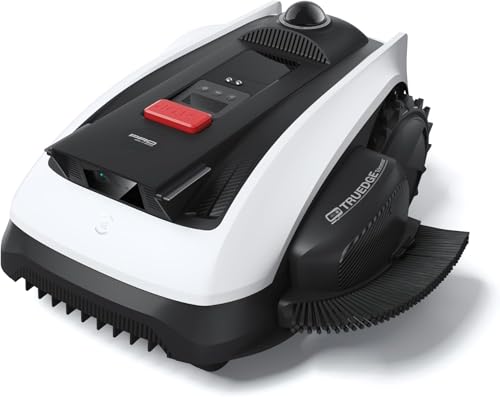
ECOVACS Goat O1000 LiDAR PRO Robot Lawn Mower 1/4 Acre, Smart Edge
ECOVACS Goat A3000 LiDAR PRO Robotic Lawn Mower 3/4 Acre, Dual LiDAR

WORX Robot Lawn Mower WR320 1/2 Acre, Landroid Vision Cloud
More Details On Our Top Picks
The i110N suits yards where you want wire-free setup without giving up structure. RTK means real-time kinematic positioning, so the mower can place itself with satellite guidance and nearby correction signals, while vision helps it make sense of the yard around it.
That mix makes sense for daily upkeep in a busy backyard with beds, paths, and a few awkward turns. The 58 dB(A) noise rating matters too, because quieter operation is easier to live with than a mower that sounds like a shop tool every afternoon.
What We Like
- Wire-free mapping saves you from burying perimeter cable.
- AI-assisted setup can be friendlier in mixed layouts.
- Multi-zone control helps separate front and back lawn routines.
- The quieter sound profile suits homes close to neighbors.
- App control lets you steer schedules without walking outside.
Things To Consider
- RTK-style positioning works best where the sky view stays open.
- Complex shrub cover can make the vision system work harder.
- Coverage tops out at a quarter acre, so bigger lots need another pick.
Feature Snapshot
Who It Suits Best
Homeowners with a quarter-acre yard, several zones, and little patience for boundary wire tend to get the most from this model.
Where A Sibling Pick Shines
The ECOVACS Goat A3000 LiDAR PRO fits you better for a much larger property and a faster mowing pace.
The M5 is aimed at smaller yards where obstacle handling matters more than raw size. Dual vision and full-band RTK give it two different ways to understand the lawn, which can help in spaces with patio furniture, trees, and narrow side paths.
The 45% slope figure stands out for hilly lots, though the real-world payoff depends on traction and how regular your terrain stays. Compared with the Segway Navimow i110N, this one is better suited to tighter properties that still need a smart layout strategy.
Highlights
- Dual vision and RTK add flexibility in layout recognition.
- App control keeps routine mowing simple from inside the house.
- Multi-zone mapping helps separate distinct lawn sections.
- The slope capability helps in yards with steady grade changes.
Softer Spots
- Its 1/8 acre capacity makes it a tighter fit for larger lawns.
- Vision-based navigation can be more sensitive in cluttered corners.
- Steeper ground still depends on grass condition and tire grip.
Core Details
Built With In Mind
Compact yards with tricky obstacles and a hillside section are where this model makes the most sense.
Another Choice May Suit
The WORX WR320 is a better match for you if you want a half-acre coverage target and a more straightforward brand ecosystem.
This ECOVACS model focuses on the kind of mowing that matters most along borders and awkward edges. Zero-edge cutting is the headline feature here, which means the deck is meant to get closer to the lawn boundary before you reach for a trim tool.
For most quarter-acre lawns, that can reduce afterwork clean-up and make the yard look more finished between manual touch-ups. Compared with the ANTHBOT M5, this pick leans less on slope and more on edge discipline, which is a good trade for flatter homes with visible borders.
Bright Spots
- Zero-edge cutting helps reduce missed strips near borders.
- Automated mapping keeps the setup process organized.
- 3D obstacle avoidance should help around furniture and garden pieces.
- App control keeps adjustments close at hand.
Room For Improvement
- Its focus on edge work may not matter as much in very open lawns.
- Complex front yards can still need some initial map cleanup.
Details At A Glance
Whose Shelf It Belongs On
You fit this model best when you care more about tidy perimeter cuts than steep-slope performance.
Look Elsewhere When
The ECOVACS Goat A2000 makes more sense for you if your lawn is larger and you want a stronger case for dual-LiDAR mapping.
The A2000 moves into a more ambitious class for half-acre properties that need broader coverage and stronger mapping hardware. Dual-LiDAR means it uses two LiDAR units, short for light detection and ranging, so the mower builds space awareness from laser-based distance sensing instead of leaning only on camera cues.
That matters in more complex suburban yards with long runs, trees, and layout changes that can trip up simpler systems. Compared with the O1000 and the NAVIMOW i110N, this one feels better suited to owners who want less babysitting over a bigger footprint.
Reasons To Buy
- Dual-LiDAR mapping should help the mower stay oriented in larger yards.
- The built-in edge trimmer reduces the usual trim gap.
- AIVI 3D obstacle avoidance adds another layer of object awareness.
- Smart app control keeps scheduling and mapping changes simple.
Points To Note
- Half-acre coverage is useful, but only when your yard shape is straightforward enough to map well.
- More advanced sensing can mean more setup attention at the start.
- Storage space matters more here than with smaller mowers.
Core Details
Perfect Match For
Suburban homes with half-acre lawns and a preference for richer mapping tools are a strong match here.
Skip It When
The ECOVACS Goat O1000 LiDAR PRO makes more sense for you if the lawn is smaller and you want a lighter-duty fit.
For a quarter-acre yard, this O1000 LiDAR PRO lands in a sweet spot between compact size and thoughtful navigation. LiDAR navigation gives it a more structured way to read the yard, and smart edge mowing is the part that should matter most in regular weekly upkeep.
You may find it especially appealing in cleaner suburban spaces where the main goal is repeatable coverage rather than heavy-duty reach. Compared with the O1000 RTK model, this version leans toward LiDAR guidance instead of camera-plus-RTK positioning, so the fit depends on how you want the mower to read the lawn.
Best Bits
- LiDAR navigation brings a tidy, methodical approach to mapping.
- Smart edge mowing helps cut down on fringe cleanup.
- AI obstacle avoidance is useful around patios and garden decor.
- App control keeps it easy to adjust routines from indoors.
Small Caveats
- Quarter-acre coverage keeps it in the smaller-yard lane.
- More advanced navigation can mean a learning curve during setup.
Technical Sheet
Who Should Grab It
You suit this model best when your lawn is modest in size and you want mapping that feels orderly rather than flashy.
Swap It Out When
The Segway Navimow i110N is the better match for you if wire-free setup with RTK and vision sounds more useful than LiDAR alone.
The A3000 is the biggest reach in this group, and that changes the conversation fast. A 3/4 acre target, fast charging, and a mowing rate of up to 400 m²/h point toward a machine built for larger properties that need serious coverage rather than a small-yard helper.
That pace can be a real advantage for busy homes with broad turf and a lot of weekly upkeep, though storage and initial mapping deserve attention. Compared with the A2000, this one is for the yard that keeps asking for more area, not just more polish.
Upsides
- 3/4 acre coverage gives it room for bigger lawns.
- Fast charging helps it return to work sooner.
- High-efficiency mowing up to 400 m²/h supports broader ground coverage.
- Built-in TruEdge trimming helps with border finish.
- Dual LiDAR should strengthen mapping across complex spaces.
Areas To Watch
- Bigger capability means more space needed for docking and storage.
- Large properties with many zones can take patience during setup.
Feature Rundown
The Right Fit
You fit this model best when your lawn is large, open enough for mapping, and more demanding than a half-acre machine should handle.
Where A Sibling Pick Shines
The ECOVACS Goat A2000 is the better fit for you if your property stops at half an acre and you want a slightly smaller footprint.
The WR320 is built for half-acre mowing with a strong focus on wire-free convenience. Landroid Vision Cloud combines AI obstacle avoidance with RTK cloud navigation, so you get a mix of camera-based recognition and remote positioning support rather than a tethered perimeter setup.
That combination is handy for everyday use in yards where dogs, toys, and landscape features keep changing the scene. Compared with the ECOVACS A2000, the WORX model feels more direct and less heavily layered, which may suit you better when you want the setup to stay straightforward.
Positives
- No perimeter wire keeps installation simpler than older robot mower setups.
- AI obstacle avoidance helps it react to common yard clutter.
- RTK cloud navigation adds another level of route support.
- Auto mapping reduces the need to micromanage every section.
- The 30% slope figure gives it usable range for mild hills.
Minor Gripes
- Half-acre coverage is useful, but it still leaves very large lawns to bigger models.
- Cloud-connected navigation can feel more dependent on a healthy signal environment.
- Obstacle-heavy yards may still need an initial tidy-up before routine mowing.
Quick Facts
Made For
You fit this mower well if you want a familiar app-led experience for a medium-to-large lawn without perimeter wire.
Reach For A Different Pick When
The ECOVACS Goat A3000 suits you better if your property is larger and you want stronger high-area output.
How To Choose The Right Industrial Robot Lawn Mowers
Coverage Comes Before Extras
Start with lawn size, because coverage limits narrow the field fast. A quarter-acre mower fits compact suburban lots, a half-acre machine gives you more breathing room, and a 3/4-acre model is there for bigger turf that would wear out a smaller unit.
That number matters more than marketing language, since an undersized mower spends its day chasing the boundary instead of keeping a steady routine. You also want to think about shape, because a simple rectangle is easier to manage than a yard split by beds, trees, and side passages.
Navigation Should Match The Yard
RTK, LiDAR, and vision are different ways of helping the mower understand where it is. RTK leans on satellite positioning, LiDAR uses laser distance sensing, and vision uses onboard cameras, so each system handles clutter and open space in a different way.
Yards with clear sky views usually suit RTK well, while tighter layouts often benefit from richer obstacle sensing. A mixed setup, like RTK plus vision, can be a sensible middle ground for homes with both open grass and crowded edges.
Edge Work Changes The Weekly Routine
Edge trimming, zero-edge cutting, and smart edge mowing all point to the same practical goal, less hand cleanup around borders. That matters a lot in homes with sidewalks, retaining edges, and garden beds, because the last few inches often decide whether the lawn looks finished.
Some mowers are better at broad coverage, while others put more effort into clean perimeter results. You save yourself extra touch-up time when the machine’s edge behavior matches the shape of the yard instead of forcing a second pass with another tool.
App Control Is Only Useful If It Fits Your Habit
App control sounds ordinary until you start changing zones, schedules, and no-go areas from the couch. That convenience matters most for you when the lawn gets used hard during the week and you want to adjust mowing without walking outside every time.
Still, software should feel clear rather than crowded. A cleaner interface often matters more than a long feature list, especially for homes where the mower needs only a few recurring routes and basic zone management.
A Quick Reality Check
Common Shopping Slip Ups
One easy mistake is chasing navigation features before checking lawn size. A small mower can be excellent in a compact yard and frustrating in a larger one, especially when the boundary shape starts getting irregular.
Another common miss is overlooking setup effort. Wire-free still doesn’t mean zero setup, because mapping, app pairing, and zone planning can take a little patience at the start.
Where The Extra Money Goes
Higher-tier models usually pay for stronger sensing, broader coverage, and better edge finish. Dual-LiDAR, RTK plus vision, and built-in edge tools cost more because they ask the machine to understand space more clearly and cover more of it with less hand-holding.
That upgrade makes sense for bigger properties or for yards with lots of obstacles, slopes, or separate zones. For a plain, small lawn, the extra spend can be hard to justify, which is why fit matters more than features alone.
Frequently Asked Questions
Do Industrial Robot Lawn Mowers need a perimeter wire?
Several of the picks here work without one, which makes setup cleaner. That said, wire-free still depends on accurate mapping and a yard layout the mower can understand.
Which navigation type is easiest to live with?
For many homes, a mixed system with RTK and vision feels versatile because it balances positioning and object awareness. LiDAR can also be a strong fit when you want structured mapping in a more contained yard.
How much lawn can these mowers handle?
The list covers 1/8 acre through 3/4 acre, so there’s room for smaller city plots and wider suburban lots. Matching the mower to your actual turf size keeps the routine more predictable.
Are steep yards a problem?
Some models list slope handling, which helps narrow the field for hilly properties. The better match depends on how consistent the grade is and how much clutter sits on the incline.
Is app control worth caring about?
Yes, especially for zone changes, scheduling, and routine tweaks. It’s most useful when you want to manage the mower without walking out to the garage every time.
