

Fescue lawns can be picky about what goes on them, especially once broadleaf weeds, nutsedge, or crabgrass start showing up. The right herbicide depends on the weed you’re after, the grass you’re protecting, and how much mixing or spraying you want to handle on a busy weekend. This roundup helps you sort out selective options for fescue from stronger spot treatments and wider-scope products that fit nearby turf types. You’ll see where each pick makes sense, and where it doesn’t.
The Shortlist At A Glance
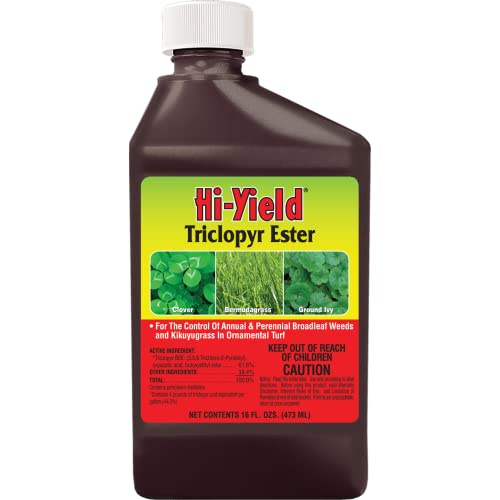
Hi-Yield Triclopyr Ester 16 oz
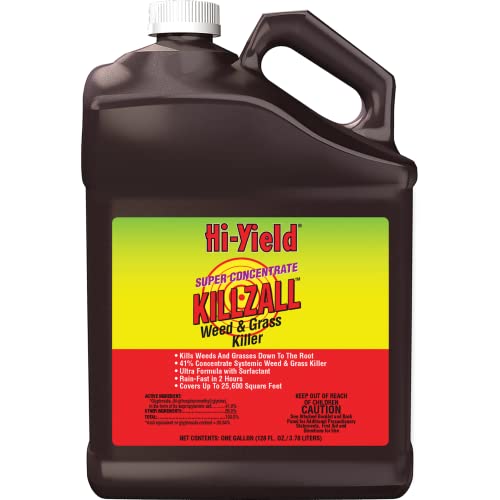
Hi-Yield Super Concentrate Killzall Weed & Grass Killer 1 gal
Image Herbicide Nutsedge Weed Killer for Southern Lawns 24 fl oz
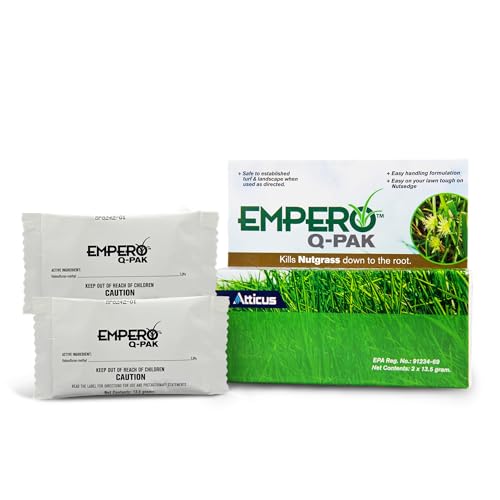
Atticus Empero Q-Pak Nutsedge Killer 2 Pack

Roundup for Lawns2 Concentrate 32 fl. oz.

Roundup for Lawns Crabgrass Destroyer2 64 fl. oz.

SpeedZone EW Lawn Weed Killer

Image Herbicide Weed Killer for Southern Lawns 32 Oz
More Details On Our Top Picks
Triclopyr is a selective herbicide, which means it targets certain weeds while leaving the right turf species alone. In a fescue lawn, that matters most for broadleaf invaders like oxalis and wild violet, especially along borders and patchy spots that keep coming back.
The trade-off shows up in the grass list, because this concentrate is meant for perennial bluegrass, perennial ryegrass, and tall fescue ornamental turf, not every lawn type. Property owners who need careful spot work get the best fit here, while mixed-grass yards need a slower, more cautious read of the label.
Strong Points
- Targets broadleaf weeds without turning the job into blanket turf removal.
- Fits tall fescue, perennial bluegrass, and perennial ryegrass use cases.
- 16 oz concentrate format helps you treat smaller problem areas without a bulky jug.
- Useful for recurring oxalis and wild violet around edges, beds, and fence lines.
Small Caveats
- Not suited to several warm-season grasses, so label checking really matters here.
- Concentrate format means you need to mix it and store it carefully after use.
- It’s a focused tool, not the broadest answer for every weed problem in a yard.
Core Details
Who It Suits Best
Homeowners with tall fescue or similar cool-season turf who need selective broadleaf cleanup fit this one well.
Swap It Out When
Hi-Yield Super Concentrate Killzall Weed & Grass Killer 1 gal suits a total clear-out project better, especially around driveways or bare renovation spots.
Glyphosate is a non-selective herbicide, so it does not spare the grass under it. That makes this Hi-Yield jug a better match for bare renovation areas, driveway cracks, fence lines, and any spot where you want everything green gone before replanting.
The 1-gallon size suits larger jobs and repeated mixing, which is handy for serious DIY work around a property. You give up turf selectivity, though, so this one sits far away from the fescue-safe spot treatments in the first pick.
What We Like
- Designed for full vegetation knockdown instead of selective touch-up work.
- Large container makes sense for bigger areas or repeated projects.
- Useful near hardscape, edges, and other places where grass preservation is not the goal.
- Gives you a straightforward option for reset-and-reseed type jobs.
Worth Noting
- It will affect the turf you spray, so it does not belong on living fescue.
- Mixing and storage take more care than a ready-to-use spray.
- The stronger scope makes it less forgiving for quick spot work near desirable grass.
Feature Card
Built With In Mind
Property owners handling renovation zones or large non-turf patches get the most from this concentrate.
Another Choice May Suit
Hi-Yield Triclopyr Ester 16 oz suits fescue-safe broadleaf work far better for yards you want to keep green.
Nutsedge needs a different answer than broadleaf weeds, and that’s where this Image spray earns attention. It’s aimed at southern lawns with Bermudagrass, Zoysiagrass, and St. Augustinegrass, so it belongs in yards where those grasses are the main surface rather than fescue.
The 24 fl oz size keeps it manageable for spot treatment, which is useful along sunny edges and thin patches that seem to invite nutsedge back. The honest read is simple, it’s more specialized than a general lawn cleaner, so the fit is strongest when the weed problem is clearly identified.
Highlights
- Built around nutsedge control, which is a stubborn lawn issue in warm climates.
- Compatible with several southern turf types listed by the product page.
- Compact bottle suits targeted application rather than large broadcast spraying.
- Helpful for yards where one recurring weed keeps stealing the look of the turf.
Points To Note
- Its turf fit leans southern, so it does not line up with every fescue lawn.
- Spot-use format means repeated treatment may take patience.
- Storage is easy, though you still need to keep the bottle sealed and upright.
Feature Rundown
Who Should Grab It
Shoppers with southern lawns that are fighting nutsedge most days get the clearest fit here.
Look Elsewhere When
Hi-Yield Triclopyr Ester 16 oz is the better match for tall fescue yards dealing mostly with broadleaf weeds.
Halosulfuron is the key ingredient here, and it’s built for nut grass in established lawns, ornamental turfgrass, and landscape areas. Compared with the Image nutsedge pick, this Atticus option comes as a two-pack and adds surfactant, which is a helper that lets the spray spread and stick more evenly on the weed surface.
That extra support makes sense for yards with repeated sedge pressure or multiple treatment zones. You still need a lawn that’s already established, so it suits maintenance work better than a fresh seeding project.
Reasons To Buy
- Two-pack format gives you more coverage for repeated or divided treatments.
- Halosulfuron is aimed at nut grass, a problem weed that can linger in managed turf.
- Surfactant included in the listing adds practical convenience for application.
- Works across lawns and landscape areas, which helps around borders and utility strips.
Minor Gripes
- Best suited to established turf, not newly planted grass.
- It’s specialized, so it won’t replace a broader lawn weed program.
- Two containers mean a little more shelf space than a single small bottle.
Details At A Glance
The Right Fit
Established yard owners dealing with recurring nut grass and wanting extra volume will likely appreciate this set.
Where A Sibling Pick Shines
Image Herbicide Nutsedge Weed Killer for Southern Lawns 24 fl oz is easier to justify for smaller southern-law lawn spot jobs.
Roundup for Lawns2 is built around northern grasses, which makes it more relevant to cool-season turf care than the southern-lawn items above. The concentrate format also gives you flexibility, though it asks for a little more measuring and cleanup than a ready-to-use bottle.
It covers crabgrass, dandelion, clover, and yellow nutsedge, so you can handle mixed weed pressure without switching products every time. For a typical suburban yard with patchy trouble spots, that mix of targets feels practical rather than flashy.
Upsides
- Handles several common lawn weeds in one concentrate.
- Matches northern grass care, which is useful for many fescue-adjacent lawns.
- Concentrate format can stretch across more than one treatment round.
- Good fit for homeowners who keep a sprayer on hand already.
Areas To Watch
- Mixing adds a step, so it takes more attention than a ready-to-use spray.
- Cool-season focus means it is less relevant for southern turf setups.
- Container storage and measuring tools become part of the routine.
Spec Overview
Whose Shelf It Belongs On
Homeowners with northern lawns and mixed weed pressure are the clearest match for this bottle.
Reach For A Different Pick When
Hi-Yield Triclopyr Ester 16 oz is the cleaner fit for a tall fescue lawn that needs selective broadleaf control only.
This ready-to-use bottle is meant for people who want fewer mixing steps and a simpler routine. Crabgrass, foxtail, and goosegrass are the named targets, so it sits in a more grass-weed-centered lane than the broadleaf-only options in the list.
The 64 fl. oz. size gives you a generous spray volume for walkways, edges, and larger patchy sections. In most yards, that ready-to-use setup saves time, though the trade-off is less flexibility than a concentrate.
Best Bits
- Ready-to-use format keeps application straightforward.
- Large bottle works well for wider spot coverage.
- Targets a cluster of grassy weeds that often show up together.
- Easy to keep on hand for repeat touch-ups around the lawn.
Room For Improvement
- Less flexible than a concentrate when you want custom mixing.
- Focused on grassy weeds, so it is not the broadest answer in the roundup.
- Large bottle storage takes more shelf space.
Feature Snapshot
Perfect Match For
People who want a simple walk-out-and-spray routine for grassy weeds fit this bottle well.
Skip It When
Roundup for Lawns2 Concentrate 32 fl. oz. makes more sense for someone who prefers to mix a custom batch for a broader lawn routine.
EW stands for emulsifiable concentrate with water, a liquid form that mixes into a spray solution for lawn application. That format usually appeals to experienced turf managers or hands-on homeowners who want a more targeted broadleaf tool than a simple hose-end bottle.
SpeedZone is the kind of product people reach for when broadleaf weeds are stubborn and the lawn still needs to look clean afterward. The honest read is that it asks for a bit more mixing care, but the payoff is a more technical lawn-care feel than the easier consumer bottles above.
Bright Spots
- Liquid concentrate format gives you control over spray preparation.
- Designed for lawn weed work rather than general vegetation clearing.
- Good match for homeowners who are comfortable with measured mixing.
- Fits well in a lawn-care routine that already includes a pump sprayer.
Honest Caveats
- Requires more setup than ready-to-use products.
- The concentrate style means you need to store and handle it carefully.
- Not as beginner-friendly as a simple spray bottle.
Technical Sheet
Best Suited To
Experienced lawn caretakers who like spray tank control and a more precise setup will feel at home with this one.
Swap It Out When
Roundup for Lawns Crabgrass Destroyer2 64 fl. oz. is the easier route for a simpler ready-to-use routine.
This Image concentrate sits in the same southern-lawn lane as the nutsedge bottle above, but it leans more general for everyday weed cleanup. The 32 oz size is a nice middle ground for homeowners who want more than a tiny spot bottle without moving all the way up to a large jug.
It’s aimed at fast action on lawn weeds and dandelions, so it makes sense for regular yard maintenance where the problem is spread across small pockets. You’ll still want to match the lawn type carefully, since the southern-lawn focus matters as much as the bottle size.
Positives
- Concentrate format gives you flexibility for different spray amounts.
- 32 oz size works well for routine maintenance jobs.
- Good middle ground between spot treatment and larger-volume products.
- Fits homeowners who want a practical, no-frills weed control bottle.
Things To Consider
- It stays tied to southern lawn use, so the fit is narrower than some general lawn products.
- Mixing and sprayer setup add a little prep time.
- General-use focus means it is less specialized than the nutsedge-specific Image option above.
Core Details
Made For
Homeowners in southern lawn climates who want a general weed-control concentrate will get the most from this bottle.
A Better Fit Elsewhere
Image Herbicide Nutsedge Weed Killer for Southern Lawns 24 fl oz is the sharper pick when nutsedge is the main issue.
How To Choose The Right Herbicides For Fescue Lawns
Match The Weed Before You Match The Bottle
Fescue care starts with the weed, not the brand name. Broadleaf weeds, grassy weeds, and sedges all call for different ingredients, and the product page should spell that out clearly.
Triclopyr works well as a selective broadleaf option for tall fescue, while glyphosate belongs in non-lawn cleanup areas because it wipes out the plants it touches. That difference is the whole game, especially in yards where one wrong spray can leave a bare patch.
Check Turf Compatibility With A Calm Eye
Fescue is cool-season turf, so compatibility matters more than flashy labeling. Some products in this roundup are made for southern lawns, and those can be useful only when the grass type on your property actually matches the listing.
The safest habit is simple, compare the lawn species on the label with the grass in your yard before you spray. That one step prevents the most common mismatch, and it saves you from treating a product like it’s universal when it isn’t.
Decide Between Concentrate And Ready-To-Use
Concentrates fit people who already keep a pump sprayer handy and do not mind measuring. Ready-to-use bottles are easier for quick touch-ups, but they usually trade away some flexibility and coverage efficiency.
For frequent maintenance, a concentrate can feel more economical in practical use, since you can mix only what you need. For small, occasional problems near sidewalks or corners, the simpler bottle often makes more sense.
Think About Scope, Not Just Strength
Some herbicides are built for surgical work, while others clear everything in the spray zone. A selective product protects your fescue and targets the weed you name, which is usually the smarter move for an established lawn.
Broader products help during renovation, edging, and bare-ground cleanup, but they belong far from healthy turf. That is the cleanest way to keep the lawn you want while still dealing with the weeds that keep showing up.
What To Weigh Before You Decide
Common Shopping Slip Ups
Many people grab the first bottle that mentions weeds, then find out it is meant for a different grass type. The safer move is to match the active ingredient and the turf label to the exact problem in front of you.
Another common miss is buying a strong non-selective spray for a lawn that still needs saving. That usually creates more work, not less.
Where The Extra Money Goes
Higher-tier herbicides usually cost more because the formula is more targeted, the packaging is more convenient, or the use case is narrower and more specialized. Pack size also matters, since a two-pack or larger concentrate shifts the value equation toward repeated use.
Paying up makes sense for established lawns with recurring sedge, crabgrass, or broadleaf pressure, especially when you already know the turf type. For a one-time cleanup, the simpler bottle often does enough without adding complexity.
Frequently Asked Questions
Can You Use Herbicides On Fescue Without Damaging The Lawn?
Only selective products labeled for fescue or compatible cool-season turf belong on it. Non-selective sprays will take out the grass along with the weeds.
What Weed Type Is Hardest To Handle In A Fescue Lawn?
Broadleaf weeds and sedges usually cause the most frustration because they return in patches. The right active ingredient matters more than a generic lawn spray.
Are Concentrates Better Than Ready-To-Use Sprays?
Concentrates give you more control over how much you mix and where you apply it. Ready-to-use sprays are easier for quick spot work and simpler storage.
Why Do Some Lawn Herbicides Only Work In Southern Or Northern Lawns?
Grass species vary by climate, and herbicide labels are written around those differences. A product built for southern turf may not suit the cooler grass types found in fescue lawns.
What Should You Check First Before Spraying?
Check the grass species on the label, then match it to your lawn. After that, confirm the weed type so you know the product is aimed at the right problem.
