

Grub treatments matter most when your lawn starts showing stress and you want a clear plan, not guesswork. For yards with mixed pest pressure, patchy turf, or seasonal insect issues, the right pick depends on coverage area, application style, and how broad a pest list you need. Some options work like a wide net, while others are more targeted. That difference is where the real value sits.
Quick Look At The Shortlist

Hi-Yield Bug Blaster II Granules 11.5 lbs
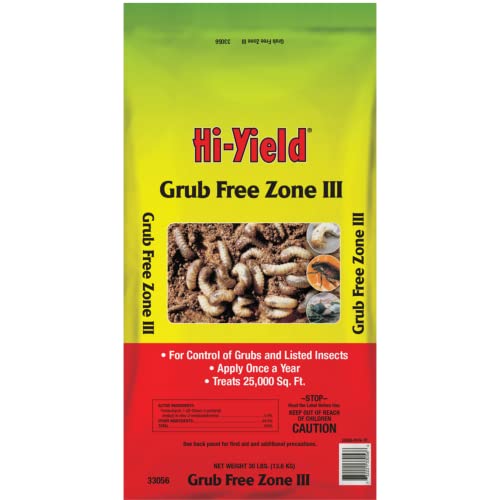
Hi-Yield Grub Free Zone III 30 lbs.

Jonathan Green Lawn Fungus Control 5,000 Sq. Ft.

Ortho BugClear Lawn Insect Killer 20 lb.

Scanmask Beneficial Nematodes 10 Million

Sevin Lawn Insect Granules 10 Pounds

Bayer Maxforce Complete Granular Insect Bait 4 lbs
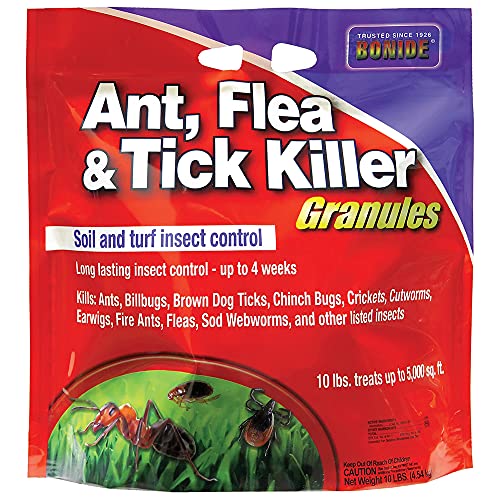
Bonide Ant, Flea & Tick Killer Granules 10 lbs
More Details On Our Top Picks
For a standard suburban yard, this bag makes sense as a broad, no-drama granule option. It covers up to 5,000 square feet, so you can treat a front lawn, side strip, or a few connected beds without juggling small bags.
The trade-off is focus, not finesse, since this is built for outdoor broadcast use rather than a pinpoint approach. That suits homeowners who want one bag for general lawn insect control, and it also helps if you’re already comfortable using a spreader and watering in the product afterward.
Strong Points
- Broad coverage keeps large yards manageable.
- Works across lawns and landscaped areas.
- Useful for several listed insects, not just one pest type.
- Broadcast use keeps application straightforward.
- Fire ant mound treatment adds a more targeted option.
Points To Note
- The 11.5 lb bag is better suited to moderate jobs than huge properties.
- You’ll need a spreader for the main lawn application.
- Water-in steps add a little extra yard work.
Feature Snapshot
Who It Suits Best
Households with a medium-size yard and a spreader already on hand will get the most from this pick.
A Better Fit Elsewhere
Ortho BugClear Lawn Insect Killer 20 lb. suits you better when you want broader label-based yard coverage and a more aggressive all-around lawn insect treatment.
This is the kind of bag that fits a larger lawn without turning the job into a chore. It covers up to 25,000 square feet, so you’re looking at a serious footprint for spring and summer lawn care.
The main advantage is its seasonal timing, since it’s meant to go down before grubs and mole crickets hatch. That timing matters more than raw size, and it makes this a sensible pick for homeowners who plan ahead instead of waiting for damage to show up.
What We Like
- Large coverage suits big properties well.
- Season-long focus helps with planning.
- Works on lawns, ground covers, flower beds, and around ornamental trees.
- Early application can fit a prevention-first routine.
Minor Gripes
- Best timing depends on getting ahead of hatch cycles.
- Application directions vary by pest, so label reading matters.
- The 30 lb bag is bulky to store and carry.
Core Details
Who Will Love This
Owners of larger yards who prefer a prevention-focused routine will appreciate the scale and timing.
Swap It Out When
Bonide Ant, Flea & Tick Killer Granules 10 lbs. makes more sense for smaller spaces that need a simpler spreader-driven treatment.
This one stands apart because it shifts the focus from insects to fungus, which matters in damp yards or lawns that show disease-like patching. The 5,000 square foot size keeps it centered on modest properties or specific problem zones rather than full estate-style coverage.
You may find it especially useful when turf issues don’t look like classic insect damage, since fungal symptoms can be easy to confuse with general stress. That makes it a better match for homeowners who want a dedicated lawn-care item instead of a broad pest treatment.
Best Bits
- Targets fungus instead of ordinary insect pressure.
- Practical for compact lawns or smaller treated sections.
- Helpful for yards with recurring damp-soil problems.
- Simple size choice makes planning easier.
Areas To Watch
- It addresses fungus, so it is not a grub treatment.
- Coverage fits smaller jobs more than wide properties.
- You still need to identify the turf issue with care.
Details At A Glance
Best Suited To
Homeowners dealing with turf fungus in a smaller yard will get the clearest fit here.
Look Elsewhere When
Hi-Yield Grub Free Zone III 30 lbs. is the better choice for broad grub-focused lawn coverage.
Compared with the Hi-Yield granules above, this Ortho bag leans harder into broad insect coverage and home-perimeter use. It treats lawns, ornamentals, and even some listed vegetables, so it fits a property where the pest problem moves around rather than staying in one spot.
The 20,000 square foot coverage makes it a practical match for larger yards, and the contact-plus-below-ground action gives it a more assertive profile. You’ll need the right Scotts spreader and water-in step, though, so this is less casual than a simple sprinkle-and-walk-away product.
Upsides
- Wide coverage suits larger yards.
- Lists a long range of lawn pests.
- Can be used around the house perimeter.
- Also fits certain ornamentals and listed vegetables.
- Good match for households that want one broad treatment.
Softer Spots
- Spreaders from the listed family are needed for application.
- Watering in adds another step to the routine.
- The broader label can feel more involved than a basic granule bag.
Feature Card
The Right Fit
Property owners who want one bag for a bigger yard and multiple bug issues will get the most from this pick.
Where A Sibling Pick Shines
Sevin Lawn Insect Granules 10 Pounds suits a more general-purpose routine when you want a lighter, simpler granule option.
This option takes a very different path from the granules around it, because it uses beneficial nematodes, tiny soil-dwelling organisms that are used in biological pest control. That makes it a stronger fit for gardeners who want a more natural approach and don’t mind a product that behaves differently from a standard spreader bag.
The honest read is that this kind of treatment asks for better timing and more attention to soil conditions than a simple broadcast product. For greenhouses, moist beds, or lawns where you already pay close attention to soil life, that trade-off can feel worth it.
Bright Spots
- Biological approach stands apart from chemical granules.
- Useful for gardeners who prefer a soil-based method.
- Can fit indoor growing spaces and outdoor beds, depending on use plan.
- Good choice for more hands-on pest management.
Small Caveats
- Works differently from standard lawn granules, so the routine is less familiar.
- Timing and soil moisture matter more with this type of treatment.
- Storage and handling need a bit more care than a dry bag.
Technical Sheet
Made For
Gardeners who want a biological control approach and are comfortable following a more exact routine will appreciate this pick.
Reach For A Different Pick When
Hi-Yield Bug Blaster II Granules 11.5 lbs. is easier for homeowners who want a conventional broadcast lawn treatment.
Sevin sits in the middle of the roundup as a familiar, broad-use granule for larger household pest jobs. It’s built for lawns, ornamentals, around the home, and even vegetables, so it suits mixed properties where you want one bag to cover several spaces.
That versatility helps, though the product page keeps the pest list broad instead of narrowly specialized. For most yards, that makes it a sensible everyday option, especially when you prefer a standard granular format over a more technical bait or nematode routine.
Positives
- Broad-use format works across several parts of the property.
- Fits lawns and garden areas without forcing separate products.
- Handy for common household insect problems.
- Simple 10 pound size stays manageable.
Worth Noting
- The label is broad, so you still need to check the pest list for your exact issue.
- It feels more general than a dedicated grub-specific solution.
- Coverage details are not part of the provided source data.
Spec Overview
Perfect Match For
Homeowners who want a familiar, broad-use insect granule for a mixed yard setup will feel at home with this one.
Where Shoppers Go Wrong
Bayer Maxforce Complete Granular Insect Bait 4 lbs. is the smarter pick when you want a bait-style product for targeted insect pressure.
Bayer’s Maxforce takes a different angle than the lawn-wide granules above, because it’s a bait, not just a broad broadcast treatment. That usually makes it more appealing when you want a targeted approach and your pest problem is concentrated rather than spread across the entire yard.
The 4 pound size keeps storage lighter, which helps in garages already crowded with garden gear. The trade-off is scope, since this is less of an all-purpose lawn bag and more of a focused control product for specific insect situations.
Highlights
- Bait format suits more targeted pest management.
- Smaller package is easier to store and carry.
- Useful when you want a more focused approach than a broad lawn spread.
- Can fit homeowners who prefer granular bait over standard insecticide granules.
Trade Offs
- Smaller package means less broad coverage than the bigger lawn bags.
- Bait-style use can feel less straightforward than a standard spreader treatment.
- The source data does not list pest targets here, so you’ll want to check the label carefully.
Quick Facts
Built With In Mind
Homeowners who prefer a bait-based approach for specific insect issues will get the best fit here.
Where A Sibling Pick Shines
Ortho BugClear Lawn Insect Killer 20 lb. suits larger lawn jobs better when you want a broader perimeter-and-lawn treatment.
Bonide lands as the most flexible-looking of the smaller granule bags, especially for yards that need both lawn treatment and a perimeter barrier. It can be spread across grass or used in a band around the foundation, so it works well for homes where insects move between lawn edges and the house line.
The 10 pound bag treats up to 5,000 square feet, which keeps it squarely in the practical-home category rather than the oversized-property category. You may find the ready-to-use pellet format easier to manage than products that ask for extra mixing, and that simplicity helps in routine yard care.
Reasons To Buy
- Multiple use styles add useful flexibility.
- Works as a lawn spread or foundation band treatment.
- No mixing step keeps the routine simple.
- Coverage fits many typical residential yards.
- Good match for people who want one bag for lawn and edge control.
Areas To Watch
- The 5,000 square foot reach is modest for larger properties.
- Barrier use means placement matters more than with a simple broadcast bag.
- Bag size is convenient, though repeated treatments may need planning.
Feature Rundown
Whose Shelf It Belongs On
Busy homeowners who want a simple granular bag for both the lawn edge and the foundation line will like this one most.
Another Choice May Suit
Hi-Yield Grub Free Zone III 30 lbs. is the stronger fit for much larger areas that need more total coverage.
How To Choose The Right Grub Treatments For Lawns
Match The Product To The Pest Problem
The first decision is simple: decide whether the lawn problem is actually grubs, a general insect mix, or something else like fungus. A grub-focused product makes more sense for root-feeding larvae and seasonal soil issues, while broader lawn insect granules suit mixed pest pressure around the yard.
That distinction matters because a bag with a long pest list can feel versatile, but it still may not be the right tool for every symptom. Patchy turf, chewed grass, and perimeter insect activity all point in different directions, so the product type should follow the problem, not the other way around.
Coverage And Property Size Come Next
Square footage is where many lawn purchases go wrong. A 5,000 square foot bag fits an average yard or a targeted section, while larger properties need a much wider spread so you are not stopping halfway through the job.
Coverage also affects storage and handling. A 30 pound bag offers more reach, but it takes more room in a shed and more effort to move around, which matters more than it first seems when yard work is already on your list.
Application Style Changes The Experience
Granules, bait, and beneficial nematodes each ask something different from you. Granules are familiar and often pair well with a spreader, bait is more targeted, and nematodes call for closer attention to timing and soil conditions.
That means the easiest-looking option is not always the best fit. A homeowner who wants a quick, conventional routine will usually prefer a broadcast granule, while a more hands-on gardener may feel more comfortable with a biological treatment.
Think About The Rest Of The Yard
Some products stay on the lawn, while others can also be used around ornamentals, flower beds, or the home perimeter. That flexibility helps in properties where insects do not stay in one place, especially around edges, paths, and planting beds.
Storage, watering-in steps, and spreader compatibility all belong in the decision too. Those details sound small, but they shape how often you will actually use the product and how smooth the job feels from start to finish.
What To Weigh Before You Spend More
Mistakes Worth Dodging
One common slip is choosing by bag size alone. Coverage matters, but a big bag is not useful if the product type does not match the pest issue or if you do not have the right spreader.
Another easy miss is skipping the timing note on the label. Products aimed at grubs or seasonal insects often work best before the visible damage becomes obvious, and waiting too long can leave you chasing the problem.
The Upgrade Payoff
Higher-tier products usually cost more because they cover more square footage, offer wider pest lists, or use a more specialized delivery style. You are paying for reach, flexibility, or a more tailored treatment path, not just for a larger bag.
That extra spend makes sense for bigger lawns, mixed-pest properties, or homeowners who want fewer separate products on hand. For a small yard with a clear, narrow problem, a simpler option often feels smarter and easier to store.
Frequently Asked Questions
How do you know whether a lawn problem is grubs or something else?
Grub damage usually shows up as turf stress tied to the soil and root zone, while other insect issues can leave different surface patterns. A closer look at the product label and the symptom pattern helps narrow the choice.
Are granular treatments easier than biological options?
Granules are usually more familiar because you can spread them with common lawn gear. Beneficial nematodes ask for more attention to timing and soil conditions.
Does a larger bag always make more sense?
Not always, because bag size should match your square footage and the size of the problem area. A larger bag only helps when you truly need the extra coverage.
Can one product handle both the lawn and the foundation area?
Some products can, especially when the label includes perimeter use or band treatments. That flexibility helps around homes where pests move between grass and structure edges.
What matters most for seasonal lawn insect control?
Timing matters a lot, especially for products meant to go down before hatch cycles or peak activity. Coverage and label directions matter too, but timing is the piece that most often shapes the result.
