

Virginia lawns deal with a lot, from humid summers to patchy shade and stretches of dry weather that can make a seeding plan feel like a moving target. You need grass seed that matches your yard’s sun, soil, and seasonal swings, not just a label that sounds adaptable.
The eight Jonathan Green options below break down that choice by condition, from dense shade to hotter Mid-Atlantic zones. That makes it easier to match your yard to a seed blend that fits your space instead of forcing one product to do everything.
Quick Look At The Best Grass Seeds

Jonathan Green Black Beauty Sun & Shade Grass Seed (7 lb)
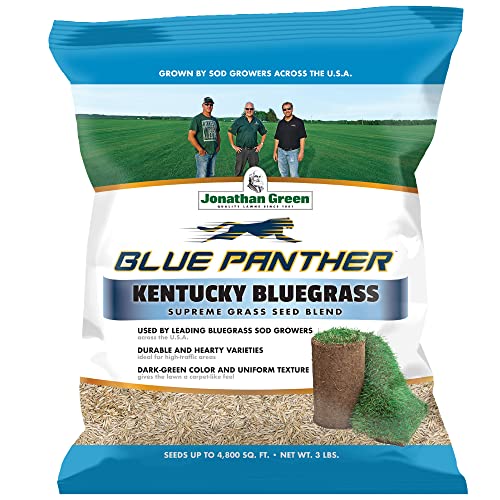
Jonathan Green Blue Panther Kentucky Bluegrass Grass Seed (3 lb)

Jonathan Green Black Beauty Dense Shade Grass Seed (1 lb)

Jonathan Green Black Beauty Heat & Drought Resistant Grass Seed (3 lb)
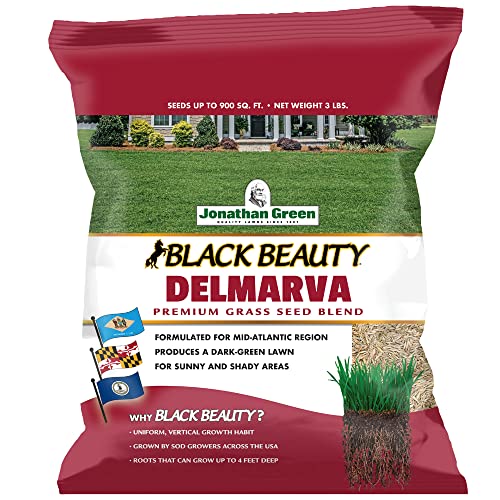
Jonathan Green Black Beauty Delmarva Grass Seed (Made for Maryland, Delaware, Virginia) (3 lb)

Jonathan Green Blue Panther Southern Lawn Grass Seed (7 lb)

Jonathan Green Black Beauty Ultra Grass Seed (7 lb)

Jonathan Green Black Beauty Original Grass Seed Blend (15 lb)
More Details On Our Top Picks
Mixed lawns in Virginia often need a seed that can handle both bright stretches and the dimmer side of the yard, and this one is built around that middle ground. It’s the kind of pick that makes sense along a front walk with half-day sun and a back section that gets filtered light from mature trees.
The 7-pound bag gives you enough material for a meaningful repair or overseed job without jumping straight to a bulk format. The trade-off is simple, it’s broader in purpose than a specialty shade mix, so you’re paying for flexibility rather than a narrow focus.
Strong Points
- Works across sunny and shaded patches.
- Good fit for blended Virginia yards.
- Handy 7-pound size for repairs.
- Keeps your seed choice simple.
Things To Consider
- Broad coverage means less specialization.
- It may feel large for a tiny patch job.
- Uniform results still depend on consistent watering.
Feature Snapshot
Who It Suits Best
You have a typical Virginia lawn with both sun and shade, and you want one bag to cover more than one problem area.
A Better Fit Elsewhere
Jonathan Green Black Beauty Dense Shade Grass Seed (1 lb) suits you more when the yard sits under trees or along a north-facing fence line.
Kentucky bluegrass has a familiar, polished lawn feel, so this one suits you best when appearance matters as much as coverage. It’s a tidy choice for a cool-season yard that gets regular attention and doesn’t live in the harshest corner of the property.
The 3-pound format keeps the scope manageable, which helps on patch work or a smaller reseed area. Compared with Black Beauty Sun & Shade, this one feels more style-specific, so the trade-off is less versatility for a cleaner bluegrass identity.
Positives
- Classic bluegrass look with a familiar lawn feel.
- Smaller bag suits touchups and small sections.
- Works well for a neat, uniform finish.
- Simple choice for cool-season lawn care.
Room For Improvement
- Less flexible than mixed-condition blends.
- May not be your first choice for dense shade.
- Smaller size raises the need to plan coverage carefully.
Technical Sheet
Built With In Mind
You want a more traditional bluegrass result for a smaller area or a careful overseed job.
Swap It Out When
Jonathan Green Black Beauty Original Grass Seed Blend (15 lb) fits you better when the project is larger and you want deeper-rooting tall fescue instead.
Shady corners are where many Virginia lawns start to look tired, and this mix is aimed squarely at those tougher pockets. It makes sense under trees, beside fences, or anywhere afternoon light thins out before the day is done.
The 1-pound bag is modest, which is useful for a targeted repair rather than a whole-yard project. That smaller size keeps waste down, though you’ll want to measure carefully so you don’t come up short halfway through a larger fix.
Highlights
- Focused on medium to dense shade.
- Good for narrow repair zones.
- Small bag is easy to store.
- Helps you avoid overbuying for one problem area.
Minor Gripes
- Too limited for broad overseeding jobs.
- Small bag size needs careful planning.
- Best results still depend on steady moisture.
Core Details
Whose Shelf It Belongs On
You need a small, focused seed bag for a dim area that other blends usually leave behind.
Where A Sibling Pick Shines
Jonathan Green Black Beauty Sun & Shade Grass Seed (7 lb) suits you better when the yard mixes shade with more open light and you want extra coverage.
Hot spells and dry stretches can make a Virginia lawn look worn out fast, so this option speaks to that kind of pressure. You may find it especially useful in exposed spots near driveways, south-facing edges, or areas that bake harder than the rest of the yard.
Compared with Black Beauty Original, this one leans more toward stress handling in a smaller bag rather than broad whole-lawn coverage. The honest read is that it suits trouble spots well, but it still needs sensible watering and a bit of patience to settle in.
Bright Spots
- Built for heat and dry stress.
- Useful in exposed yard sections.
- 3-pound size works for targeted fixes.
- Good match for recurring summer wear.
Points To Note
- Smaller bag limits broad coverage.
- Needs regular care after seeding.
- Not as broad-purpose as a mixed-condition blend.
Details At A Glance
Right Fit For
You have sunny, dry, or hard-baked sections that need a tougher cool-season option.
Look Elsewhere When
Jonathan Green Black Beauty Sun & Shade Grass Seed (7 lb) suits you better for a yard that swings between light levels and needs broader flexibility.
This is the most location-specific option in the group, and that matters for Virginia because climate fit is not just a nice extra. It’s tuned for the hot, humid Mid-Atlantic feel that can make some cool-season lawns look ragged well before autumn settles in.
The brand points to mid-August through mid-October as the best planting window, which lines up with the period many homeowners use for lawn repair anyway. Compared with the broader Black Beauty Sun & Shade mix, this one is the more focused regional play, so it suits you best when local climate is the main concern.
Upsides
- Built with the Mid-Atlantic in mind.
- Useful for Virginia heat and humidity.
- Clear planting window helps planning.
- Good fit for region-aware lawn care.
Small Caveats
- More location-specific than general blends.
- Timing matters more than with a broad mix.
- Less appealing outside the target region.
Feature Card
Made For
You want a Virginia-friendly seed that leans into local climate rather than a general-purpose label.
Another Choice May Suit
Jonathan Green Black Beauty Original Grass Seed Blend (15 lb) fits you better when you want a larger bag and deeper-rooting tall fescue for a wider lawn area.
Virginia sits near the border between cool-season and warmer lawn needs, so a southern-leaning seed can make sense in hotter pockets or more sun-heavy yards. That’s where this one earns attention, especially for homes that want a warm-season direction instead of another cool-season blend.
It gives you a different path than the Black Beauty lineup, which matters because one solution does not fit every yard in the state. The trade-off is that it’s more selective by season, so it’s less useful for someone trying to cover a lawn that needs a classic cool-season approach.
Best Bits
- Warm-season direction broadens your options.
- Useful for hotter, southern-leaning areas.
- 7-pound bag supports larger work.
- Helps you match the yard’s climate profile.
Areas To Watch
- Not the first choice for every Virginia lawn.
- Season fit matters more here.
- Can be the wrong lane for cool-season-only plans.
Spec Overview
Best Suited To
You need a warm-season path for a hotter, sunnier Virginia lawn and do not want another cool-season blend.
Where A Sibling Pick Shines
Jonathan Green Black Beauty Delmarva Grass Seed (3 lb) suits you better when you want a Virginia-focused cool-season option with a tighter regional match.
Large Virginia reseed jobs often need a bag that feels less like a patch kit and more like a proper project supply. This 7-pound format fits that use case well, especially for yards where you want broad cool-season coverage without jumping to the largest bag in the group.
Compared with Blue Panther Kentucky Bluegrass, this one is less about a single grass style and more about handling a bigger lawn task with less fuss. The practical upside is coverage, while the trade-off is that specialty buyers may prefer a more targeted mix.
Reasons To Buy
- Good size for substantial reseeding.
- Broad cool-season use keeps it versatile.
- Handy for homeowners with larger yards.
- Feels straightforward for seasonal maintenance.
Worth Noting
- Less specialized than shade or region-specific options.
- May be more than you need for a tiny fix.
- Coverage planning still matters on larger jobs.
Feature Rundown
Who Should Grab It
You are working on a medium to large cool-season lawn and want one bag to handle more ground.
Reach For A Different Pick When
Jonathan Green Black Beauty Dense Shade Grass Seed (1 lb) makes more sense for a small, shaded repair that needs a tighter, more focused bag.
This is the most substantial bag in the group, and that matters for Virginia homeowners facing a full overseed or a larger recovery project. The seed itself leans on turf-type tall fescue, which gives you a tougher cool-season direction than a narrow patch product, especially on broad lawns that need steady coverage.
The source details also point to deep roots that can reach far down and leaf wax that helps hold moisture during heat, which is a strong combination for dry spells. It’s a bit like choosing a sturdier pair of work boots for a long yard season, not the flashiest option, but the one that makes the job easier to live with.
Positives
- Large 15-pound bag supports bigger projects.
- Deep-rooting tall fescue helps with drought stress.
- Works in sun and shade.
- Leaf coating helps the lawn hold moisture.
- Useful for full-lawn renovation planning.
Honest Caveats
- Large bag is overkill for tiny repairs.
- Best timing matters more with a full project.
- Broader coverage still calls for regular upkeep.
Core Details
Perfect Match For
You want a larger Virginia lawn solution with deep-rooting tall fescue and enough seed for a serious project.
Skip It When
Jonathan Green Black Beauty Dense Shade Grass Seed (1 lb) suits you better for a small shaded patch where a compact bag is easier to manage.
How To Choose The Right Grass Seeds For Virginia Lawns
Match The Grass To Your Light
Virginia yards often split into different zones, and your seed should follow that map. Sun-and-shade blends help where trees, fences, and open patches all share the same lawn, while dense-shade seed belongs in the harder corners that see very little direct light.
That choice matters because the wrong seed in the wrong light can leave you waiting on thin, uneven coverage. Look at your yard at midday and late afternoon, then choose the blend that fits the least forgiving area, not just the best-looking spot.
Respect The Season First
Cool-season seed fits many Virginia lawns because it works with the cooler planting windows of late summer, early fall, and sometimes spring. Warm-season seed has a different job and makes more sense in hotter, southern-leaning spaces that stay stressed through summer.
That split is important because the planting calendar affects how well new grass settles in. A seed that matches your season gives you a calmer start, while a mismatch often leads to more patching and second-guessing.
Size The Bag To The Job
Small bags are handy for shade repairs, burned spots, and fence-line touchups. Larger bags make more sense for overseeding a whole front yard or refreshing a wide back lawn.
The bag size should follow your plan, not the other way around. A bigger bag saves repeat trips, but a smaller one keeps storage simple and avoids leftovers sitting in the garage for months.
Look Past The Label Words
Terms like drought resistant, heat tolerant, or region specific tell you what the seed is trying to handle, but they do not replace basic lawn fit. You still need to match the product to your yard’s shade, sun, and maintenance level.
That’s the part many Virginia homeowners overlook. The right label helps, but the best result usually comes from a seed whose strengths line up with your actual conditions rather than a general promise on the front of the bag.
What To Weigh Before You Buy
Mistakes Worth Dodging
Many lawn projects go sideways because the seed choice ignores the yard’s light pattern. A dense-shade area and a full-sun patch do not need the same answer, even on the same property.
Another common misstep is buying a bag that is too small for the job. Spot repairs are fine with compact packaging, but a whole-lawn overseed needs enough seed to finish the work cleanly.
The Upgrade Payoff
Higher-tier grass seed often costs more because it solves a narrower problem more cleanly. Regional blends, shade-focused mixes, and deep-rooting tall fescue usually ask more from the breeding and selection side, and that shows up in the bag.
That extra cost makes sense when your lawn has a real challenge, like heavy shade, repeated summer stress, or a large area that needs dependable coverage. For a simple patch near the mailbox, a basic cool-season blend can be enough.
Frequently Asked Questions
What type of grass seed suits most Virginia lawns?
Cool-season seed suits many Virginia yards because the climate often rewards late-summer and fall planting. A blend that handles both sun and shade covers the widest range of home layouts.
Is shade-specific seed worth it?
Yes, in yards with trees, fences, or north-facing sections that stay dim most of the day. Standard blends often thin out there, so a shade-focused mix can be the smarter fit.
Should you choose warm-season or cool-season seed?
Cool-season seed works for many Virginia lawns, especially where the lawn is managed around cooler planting windows. Warm-season seed makes more sense in hotter, southern-leaning yards that carry different stress through summer.
Does bag size matter as much as grass type?
Bag size matters because it needs to match the area you want to cover. A small bag is fine for repairs, but a larger lawn project can run short fast.
What matters most for seed success?
Light, season, and maintenance timing matter more than the label copy. Seed that fits your yard’s conditions gives you a much steadier start than a generic blend.
Closing Thoughts
Virginia lawns reward the seed that matches the yard in front of you, not the one that sounds the most flexible on paper. A shady side yard, a hot driveway edge, and a broad cool-season front lawn each call for a different kind of help. The good news is that this lineup gives you a clear lane for each job, from small repairs to bigger overseeding plans. Pick the match that fits your light, season, and bag size, and you’ll make the work feel far more manageable.
