

Patchy turf can be frustrating, especially after heat, heavy foot traffic, or a rough season of weather. The right seed choice helps you fill bare spots, thicken thin areas, and match the conditions in your yard without turning lawn care into guesswork. You’ll see a mix of cool-season blends, fast-establishing ryegrass, and repair-focused options here, plus a few related picks that help support new growth. That mix matters because a backyard in full sun needs something different from a shaded side strip near the fence.
Quick Look At The Shortlist

Jonathan Green Black Beauty Ultra Grass Seed 7 lb

Jonathan Green Black Beauty Original Grass Seed Blend 15 lb

Jonathan Green Organic Lawn Food 10-0-1 15,000 Sq. Ft.

Jonathan Green Natural Grub & Insect Control for Lawns 5,000 Sq. Ft.

Pennington Annual Ryegrass Seed 10 Lb

Scotts Turf Builder Grass Seed Sunny Mix 2.4 lbs.
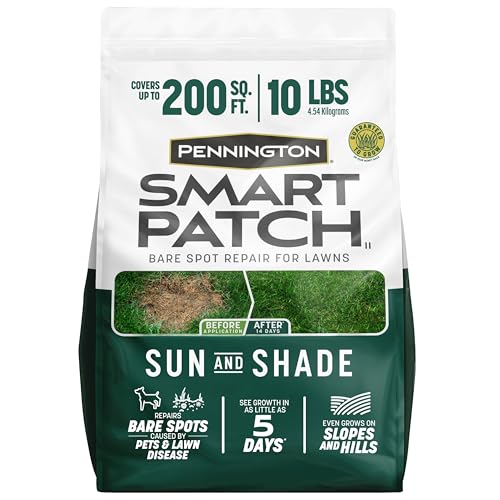
Pennington Smart Patch Grass Seeds for Lawn 10 LB

Scotts Kentucky 31 Grass Seed Mix 7 lbs.
More Details On Our Top Picks
Jonathan Green Black Beauty Ultra fits the homeowner who wants a cool-season seed with a straightforward bag size for patching or refreshing thin sections. The 7 lb format keeps the focus on smaller repair work, so it feels less like a full reno project and more like a targeted fix after wear spots, pet paths, or winter damage.
Compared with the bigger 15 lb Black Beauty Original bag, this one makes more sense for modest jobs and tighter storage spaces. The honest read is that you are trading bulk efficiency for convenience, which is often the right call for townhomes, side yards, or a single troubled strip near a walkway.
Highlights
- Cool-season fit suits lawns that need a repair-minded seed rather than a warm-season blend.
- The 7 lb bag is easier to store and carry than the larger Black Beauty Original option.
- Good for small-to-medium patch work, so you do not overbuy for a modest project.
- Works well as a simple renovation seed for thin spots around entries and yard edges.
Room For Improvement
- Smaller bag size means you may need a second bag for broader bare areas.
- It is less efficient for large, open lawns than the 15 lb Black Beauty Original.
- Seed-only coverage means you still need to manage watering and surface prep carefully.
Feature Snapshot
Who It Suits Best
You’ll get the most value from this pick in a small or mid-sized cool-season yard that needs targeted touch-ups rather than a full lawn overhaul.
Where A Sibling Pick Shines
Jonathan Green Black Beauty Original Grass Seed Blend 15 lb makes more sense for larger repair zones or you want one bag to handle a broader stretch of turf.
This larger Black Beauty Original bag is aimed at lawns that see both sun and shade, which makes it useful across mixed yards where conditions shift from one side to the next. The blend centers on turf-type tall fescue, a cool-season grass known for a more uniform leaf texture, and that gives the lawn a neater look once it fills in.
Its deeper-rooting profile is the part that matters most for dry spells, especially in exposed yards where watering is inconsistent. Compared with the 7 lb Black Beauty Ultra, this bag is the better fit for larger repair areas and for homeowners who want one seed blend to cover more of the yard without splitting the job into pieces.
Bright Spots
- Deep-rooting growth focus suits drought-prone yards that dry out quickly.
- Handles both sunny and shaded zones, so mixed lawns are easier to plan.
- Uniform tall fescue blend helps the finished lawn look more even.
- The larger 15 lb format works well for wider repair areas and bigger overseeding jobs.
Things To Consider
- The larger bag is less convenient to store in a small garage or shed.
- Cool-season timing still matters, so seasonal planning is part of the job.
- Broad coverage makes it a little more than some small yards need.
Details At A Glance
Made For
You’ll appreciate this most in a cool-season yard with mixed light and enough square footage to make the 15 lb bag worthwhile.
Swap It Out When
Jonathan Green Black Beauty Ultra Grass Seed 7 lb is the cleaner fit for smaller patch jobs and easier handling.
This is not a seed, but it still belongs in a lawn-repair lineup because new turf often needs feeding after germination. The 10-0-1 ratio tells you it brings nitrogen without added phosphorus or potassium, so it leans toward top growth support and broad lawn feeding rather than a seed-starting mix.
The 15,000 sq. ft. coverage makes sense for larger properties, especially when you are trying to support a whole renovation area instead of a tiny patch. Compared with the seed-only picks above, this one is the support piece, not the repair piece, and that distinction matters on busy spring weekends.
Reasons To Buy
- Large coverage area suits bigger lawns and widespread feeding jobs.
- The 10-0-1 formula gives a clear nitrogen-forward feeding profile.
- Useful after seeding, since new turf often needs steady lawn support.
- Simple format keeps the product easy to work into a normal lawn-care routine.
Small Caveats
- It does not replace a seed product, so you still need a separate repair plan.
- Coverage can feel more than you need for a very small yard.
- The listing’s source notes include third-party selling terms, so the product page deserves a careful read.
- It is a support step, not a stand-alone fix for bare ground.
Core Details
Whose Shelf It Belongs On
You’ll get the most from this as part of a larger lawn-renovation routine, especially after seeding or overseeding a broad area.
A Better Fit Elsewhere
Pennington Smart Patch Grass Seeds for Lawn 10 LB makes more sense when you need a seed-and-fill repair mix for scattered bare spots.
Some repair jobs keep failing because the lawn has more than one problem, and this is the kind of product that addresses that wider picture. It targets a long list of lawn pests, while the coverage size makes sense for a typical home yard rather than a huge property.
The plant-oil approach and the mention of being gentle around helpful insects give it a different profile from the seed and fertilizer picks above. The trade-off is simple, it does not grow grass for you, but it can help protect an area that keeps getting stressed before new seed has a chance to settle.
Standout Traits
- Covers more than 10 pest types, including grubs and ants, according to the product description.
- 5,000 sq. ft. coverage fits a common residential lawn layout.
- Useful in spring, summer, or fall, so timing is more flexible than many lawn repair steps.
- Can support repair work around yards, ornamentals, flowers, and perimeter areas.
Honest Caveats
- It is a control product, not a seed, so it belongs beside a repair plan rather than in place of one.
- Careful application matters, especially around stored tools and play areas.
- The coverage area is better suited to mid-sized lawns than very large properties.
At A Glance
Built With In Mind
You’ll find this most useful for a home lawn that keeps showing pest pressure around repair spots or thin patches.
Where A Sibling Pick Shines
Jonathan Green Black Beauty Original Grass Seed Blend 15 lb is the better choice when the main job is filling out the grass itself.
Annual ryegrass serves a different purpose from the cool-season blends above, because it’s often chosen for fast cover and quick patch work. The source notes also point to southern lawn use and strong sun exposure, which makes this bag more situational than the Jonathan Green options.
That quick-establishing profile is handy for bare strips, roadside-like edges, or spots that need temporary green while a fuller lawn plan gets sorted out. You may find the speed helpful, but it is still annual ryegrass, so the long-term fit depends on how you want the yard to look across the seasons.
Best Bits
- Useful for fast-looking coverage where bare ground needs attention.
- 10 lb size gives you enough seed for a meaningful patching job.
- Fits southern lawn use and sunny spaces according to the product page.
- Good for temporary cover while you plan a longer-term lawn strategy.
Areas To Watch
- Annual ryegrass is a situational choice, not a universal fix for every lawn type.
- Full-sun and southern-lawns guidance means shaded or cool-season yards may need a different pick.
- Fast establishment still depends on the usual prep and watering habits.
Feature Card
Right Fit For
You’ll like this best for sunny southern yards where fast cover matters more than a slow, long-term renovation.
Another Choice May Suit
Jonathan Green Black Beauty Original Grass Seed Blend 15 lb is the steadier option for a cooler-season lawn that needs deeper-rooted turf.
This Sunny Mix is built for bright spots that need more than seed alone, because the listing ties grass seed to lawn fertilizer and soil improvement. Root-building nutrition is the key phrase here, and that matters in sun-baked sections where weak soil often makes new growth struggle.
Compared with the Pennington ryegrass bag, this Scotts option feels more aimed at building a sturdier lawn piece by piece. It’s a sensible fit for a front yard strip or open side area, though the 2.4 lb size makes it better for smaller repair jobs than wide reno projects.
What We Like
- Combines seed with fertilizer and soil-improving support in one bag.
- Designed for direct sun, which helps narrow the search for hot spots.
- Root-building focus fits lawns that need more than surface cover.
- Small bag size works well for targeted repairs and easy storage.
Worth Noting
- The smaller package is less suitable for large bare sections.
- Sun-focused design makes it less versatile than a mixed-light repair blend.
- Its combined formula helps, but careful watering still matters during establishment.
Quick Facts
The Right Fit
You’ll get the most from this in a sunny repair area where the soil needs a little extra help along with fresh seed.
Where Another Pick Suits Better
Pennington Smart Patch Grass Seeds for Lawn 10 LB is the better call for mixed-light repairs that need a broader lawn-repair blend.
Patch repairs in mixed-light yards are exactly where this blend earns attention. The product description points to sun in some areas and moderate shade in others, and that kind of middle-ground fit can save you from guessing wrong on the backyard side strip or around a tree line.
The inclusion of fertilizer and microbials gives it a more complete repair profile than a seed-only bag. Microbials are living organisms used in soil blends, and here they’re presented as part of the lawn-support mix, though the honest read is that you still need normal prep and care for good results.
Upsides
- Built for sun-and-shade repair zones, which covers a lot of real yards.
- Seed, fertilizer, and microbial support in one mix keeps the job streamlined.
- Good for spot repairs where a full overseed would feel like too much.
- 10 lb bag size gives you enough material for practical patch work.
Points To Note
- Mixed-light claims still need matching site conditions, so very dense shade may need a different approach.
- The repair blend works best with patient watering and clean soil contact.
- It is more patch-focused than a broad lawn renovation bag.
Spec Overview
Best Suited To
You’ll like this most for scattered bare spots in a yard that sees both daylight and partial shade.
Look Elsewhere When
Scotts Kentucky 31 Grass Seed Mix 7 lbs. is the sturdier fit for a larger, tougher turf project.
Kentucky 31 has a tough, workhorse reputation in lawn care, and this 7 lb Scotts bag reflects that kind of straightforward role. The source highlights coverage up to 1,750 sq. ft., which makes it a sensible fit for larger repair areas where you want a seed mix that leans practical rather than decorative.
Compared with the Pennington Smart Patch bag, this option feels less specialized and more like a broad lawn rebuild choice. The trade-off is that you are choosing a more general-purpose mix, so it makes the most sense where durability and coverage matter more than a narrow mixed-light repair plan.
Strong Points
- Coverage up to 1,750 sq. ft. gives you a clear scale for a larger repair job.
- Kentucky 31 is a familiar lawn type for utility-minded overseeding and rebuild work.
- 7 lb bag size stays manageable while still covering a meaningful area.
- Works well for homeowners who want a straightforward, no-frills seed mix.
Areas To Watch
- More general-purpose than a patch-specific repair blend.
- It may feel too broad for a tiny spot repair near a walkway or mailbox strip.
- Seed establishment still depends on soil prep and regular watering habits.
Technical Sheet
Who Should Grab It
You’ll appreciate this most for a larger repair area where you want a familiar lawn seed mix with practical coverage.
Reach For A Different Pick When
Pennington Smart Patch Grass Seeds for Lawn 10 LB is the better fit for smaller mixed-light patches that need a more targeted blend.
How To Choose The Right Grass Seeds For Lawn Repair
Match The Seed To Your Light
Sun exposure changes everything in a repair job. Full-sun spots usually need a different mix than strips under trees, beside fences, or along the north side of a house. Cool-season blends like the Jonathan Green picks fit different goals than annual ryegrass, which is often used for fast cover in warmer or transition-zone settings.
Think About The Size Of The Repair
A 7 lb bag and a 15 lb bag solve different problems, even when they come from the same brand family. Smaller bags help with patching around driveways, steps, or pet paths, while larger bags make more sense for overseeding a whole front lawn. Coverage matters because a repair bag that is too small turns one weekend job into two.
Look Past Seed Alone
Some lawn repair jobs need feeding, soil support, or pest control alongside fresh seed. Scotts Turf Builder Sunny Mix adds fertilizer and soil-improving support, while Jonathan Green Organic Lawn Food supports a broader lawn-care plan after seeding. That extra layer can help in tired soil, but it does not replace the seed itself.
Match The Product To The Real Problem
Bare ground, thin turf, pest pressure, and drought stress are not the same issue, so the fix should not be the same either. A patch blend works well for scattered spots, a deeper-rooted cool-season mix suits drier yards, and a control product belongs in a lawn where insects keep undoing your progress. That’s where a simple diagnosis saves both time and frustration.
What To Weigh Before You Choose
Common Shopping Slip Ups
A lot of lawn repair starts with the wrong seed type for the site. The usual miss is ignoring sun exposure, climate, or bag size, then ending up with a mix that looks fine on the shelf but misses the yard’s actual conditions. Reading the use case first keeps the repair plan grounded.
The Upgrade Payoff
Higher-tier options usually cost more because they package more than raw seed. Deeper-rooting blends, mixed-light tolerance, fertilizer support, and broader coverage all add value for tough yards or bigger jobs. Paying up makes sense when the lawn has repeated thin spots, uneven light, or dry stretches that keep weakening the same areas.
Frequently Asked Questions
Can you use lawn repair seed on bare spots only?
Yes, patching bare spots is one of the most common uses for lawn repair seed. Small repair zones often benefit most because you can focus on soil contact, watering, and coverage.
Do you need fertilizer with new grass seed?
Not always, but it often helps support young growth after germination. Products like Scotts Turf Builder Sunny Mix and Jonathan Green Organic Lawn Food show how a feeding step can fit beside seed.
Is cool-season seed right for every yard?
No, cool-season seed fits cooler-region lawns and seasonal timing more naturally. Southern yards or very sunny spaces may point you toward a different type, like annual ryegrass for quick cover.
How much bag size matters for repairs?
Bag size matters a lot because a small bag can disappear fast on a wide patch. A larger bag works better for overseeding a whole area, while a smaller one suits targeted fixes.
What makes a patch mix different from regular seed?
A patch mix usually leans toward easier establishment in problem areas. It may combine seed with fertilizer or other support ingredients, which helps when the lawn needs a little extra help beyond seed alone.
Final Thoughts
The best grass seeds for lawn repair are the ones that fit your yard, not the ones with the loudest packaging. Once you match the seed to sun, shade, climate, and bag size, the job gets much easier to plan and a lot less wasteful. Jonathan Green covers the cool-season side well, Pennington brings useful repair blends, and Scotts adds support where the soil needs a hand. Pick the option that fits the trouble spot you actually have, then give it the steady care a new lawn patch expects.
