

Indiana lawns often need a cool-season grass that can handle spring growth, summer stress, and the patchy shade that shows up around fences and trees. You also want a seed that matches your yard’s reality, whether that means heavy foot traffic, thin soil, or a spot that never gets quite enough sun. The seven picks below focus on those everyday problems, so your lawn choice feels deliberate instead of hopeful.
Quick Look At The Shortlist
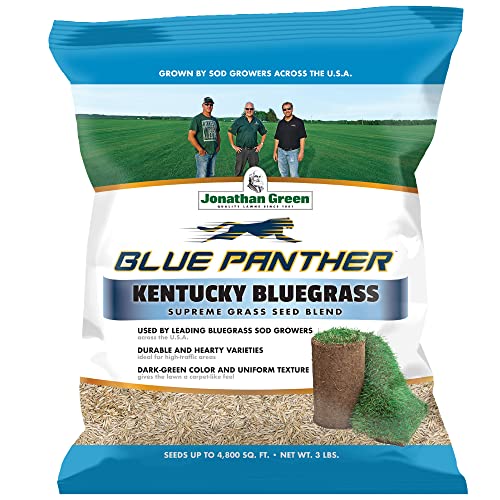
Jonathan Green Blue Panther Kentucky Bluegrass Grass Seed (3 lb)

Jonathan Green Black Beauty Heavy Traffic Grass Seed (3 lb)

Jonathan Green Fast Grow Grass Seed (7 lb)

Jonathan Green Black Beauty Dense Shade Grass Seed (1 lb)

Jonathan Green Black Beauty Heat & Drought Resistant Grass Seed (3 lb)

Jonathan Green Black Beauty Ultra Grass Seed (7 lb)

Pennington Annual Ryegrass Seed, Grass Seeds for Lawn, 10 Lb
Bluegrass has a tidy, classic look that suits front lawns in Indiana where curb appeal matters as much as everyday durability. Jonathan Green’s Blue Panther leans into that familiar Kentucky bluegrass profile, so it fits owners who want a denser, finer lawn rather than a coarse, fast-filling patch.
The trade-off is patience, because bluegrass usually asks for more time than ryegrass-style fixes. For a yard that gets steady care and sees normal foot traffic, this 3 lb bag makes sense for touch-ups or a smaller lawn section.
Strong Points
- Fits the cooler-season rhythm that suits much of Indiana.
- Gives you the smoother, more refined look many lawns aim for.
- Works well for smaller seeding jobs around the yard.
- Pairs nicely with regular mowing and basic upkeep.
Things To Consider
- Bluegrass usually asks for more patience than faster-germinating mixes.
- The 3 lb size is better for smaller jobs than big renovations.
- It suits a maintained lawn more than a rough, high-wear patch.
Feature Snapshot
Who It Suits Best
You’re a good match for this seed if you want a traditional Indiana lawn look and you’re willing to give establishment time.
A Better Fit Elsewhere
Jonathan Green Black Beauty Heavy Traffic Grass Seed suits yards with more foot traffic, especially along play areas and busy walk paths.
Yards with kids, dogs, or a well-used side path tend to wear down in the same places, and this seed is aimed at that kind of pressure. Compared with Blue Panther, it sounds like the sturdier choice for spots that get stepped on repeatedly, not the most delicate lawn makeover.
The 3 lb bag keeps it practical for repair work and section-by-section reseeding. The honest read is that it makes more sense as a workhorse seed than a showpiece seed, which is often the right trade in busy Indiana yards.
What We Like
- Targets high-traffic areas more directly than a general lawn blend.
- Useful for worn strips near patios, gates, and play zones.
- Compact bag size makes spot repair easy to manage.
- Fits homeowners who want function before ornament.
Worth Noting
- The smaller bag is less suited to a whole-yard redo.
- Heavy-wear lawns still benefit from regular care and reseeding over time.
- It leans practical, so the texture may feel less ornamental than bluegrass-focused options.
Core Details
Who Should Grab It
You’ll appreciate this choice most in an active yard where durability matters more than a manicured show lawn.
Swap It Out When
Jonathan Green Fast Grow Grass Seed suits you better when speed matters more than long-term toughness, especially after patching thin spots.
Fast Grow is the short-term answer in this group, and that matters for Indiana yards with bare spots after construction, pets, or a rough winter. Its mix of annual ryegrasses, tall fescues, and fine fescues is built to establish quickly, so you get coverage while slower seeds are still finding their footing.
The source says germination can happen in 7 to 10 days, which makes this the speed-first option here. The catch is that it’s meant as a temporary solution and should later be overseeded with a Black Beauty grass seed for a longer-lasting lawn.
Highlights
- Fast establishment helps cover problem areas sooner.
- Useful for a new lawn or a damaged section that needs quick fill.
- Handles full sun through moderate shade.
- The 7 lb bag gives you more coverage than the smaller repair packs.
- Dense, darker growth can improve the look of thin ground.
Small Caveats
- It’s a temporary lawn solution, not the final layer.
- You’ll need a follow-up overseeding plan for lasting results.
- It suits repair timing more than a slow, patient lawn refresh.
Technical Sheet
Right Fit For
You’re the best match for this seed when you want quick visible coverage and you’re willing to plan a second step later.
Where A Sibling Pick Shines
Jonathan Green Black Beauty Ultra Grass Seed suits you better for a more enduring all-around lawn project in Indiana.
Shadier Indiana lawns need a different plan, especially under mature trees, along tall fences, or beside the house where the sun never stays long. This Black Beauty Dense Shade blend is made for medium to densely shaded spots, so it fills a niche that the bluegrass and traffic-focused options don’t cover as directly.
The 1 lb bag keeps the job narrow and manageable, which is handy for small problem zones rather than broad reseeding. You may find it especially useful on those stubborn corners where ordinary lawn seed keeps thinning out.
Upsides
- Targets medium to dense shade more specifically than the broader seed mixes.
- Small bag suits isolated under-tree or side-yard repairs.
- Can help you work around low-light conditions common in older neighborhoods.
- Keeps the seeding job focused instead of overbuying material.
Areas To Watch
- The 1 lb size is narrow in scope for bigger lawn projects.
- Shaded areas still need sensible watering and cleanup around leaves.
- It’s specialized, so it’s less flexible than broader-purpose blends.
Feature Rundown
The Right Fit
You’re in the right lane for this seed when your main challenge is shade, not traffic or drought.
Another Choice May Suit
Jonathan Green Black Beauty Heat & Drought Resistant Grass Seed makes more sense for sun-baked areas that struggle with heat, not shade.
Hot stretches and dry spells can make an Indiana lawn feel tired in a hurry, especially in open yards with sun exposure all afternoon. This Black Beauty blend is aimed at that kind of stress, so it stands apart from the shade-specific pick and the fast-growing repair mix.
At 3 lb, it’s a manageable size for targeted work, not a giant renovation. The honest read is that it suits homeowners who care about keeping a lawn looking steady through the hotter part of the season without chasing a very delicate finish.
Bright Spots
- Tailored for hotter, drier yard conditions.
- Works as a practical choice for open, sun-exposed areas.
- 3 lb size stays easy to store and handle.
- Fits lawns that need resilience more than fuss.
Points To Note
- It’s narrower in purpose than the more general Black Beauty Ultra option.
- Dry-site seed still benefits from regular watering during establishment.
- It may be more than you need for shaded or sheltered ground.
Details At A Glance
Whose Shelf It Belongs On
You’ll get the most from this seed in a sun-baked yard where heat and dry spells are the main complaint.
Look Elsewhere When
Pennington Annual Ryegrass Seed suits you better when quick seasonal cover matters more than heat-focused lawn building.
Black Beauty Ultra sits in the broad middle of this roundup, which is often where Indiana lawns need help most. Compared with the more specialized shade, traffic, and heat options, this one reads like a flexible all-around seed for overseeding and broader lawn repair.
The 7 lb bag gives you room to cover a larger project without splitting into tiny packets. For homeowners who want one seed that can handle general lawn work with less guesswork, it’s a sensible upgrade.
Positives
- Broad-purpose fit makes it useful for many common lawn jobs.
- 7 lb size supports larger overseeding projects.
- Good middle ground between specialized and general use.
- Works for owners who want fewer category-specific compromises.
- More practical than tiny repair packs for full-lawn coverage.
Softer Spots
- It is less specialized than the shade or heat-focused options.
- The larger bag needs more storage space than the 1 lb or 3 lb choices.
- You may still prefer a narrower formula for a very specific problem area.
Spec Overview
Made For
You’re the best fit for this seed when you want a single, flexible option for general Indiana lawn maintenance.
Reach For A Different Pick When
Jonathan Green Black Beauty Dense Shade Grass Seed is the smarter move for low-light corners that need a specialized blend.
Annual ryegrass makes sense for a fast, visible fill-in, especially in southern lawns or open areas that get strong sun for much of the day. Pennington’s 10 lb size gives you enough material for broader seasonal coverage, so it feels less like a tiny fix and more like a practical temporary blanket for bare ground.
The source points to results in 3 to 7 days and a 6 to 8 hour sun preference, which puts this squarely in the speed-and-sun camp. The trade-off is that annual ryegrass is not the same as a long-term lawn foundation, so it works best as a bridge rather than the final answer.
Reasons To Buy
- Very quick coverage for bare or thinning areas.
- Large 10 lb bag suits broader seasonal projects.
- Strong fit for sunny spots with steady exposure.
- Useful when you need a lawn to look filled in fast.
Honest Caveats
- It’s an annual ryegrass seed, so it serves a temporary role.
- Not the right match for a permanent cool-season lawn plan.
- Open sun matters here, so deep shade is a poor fit.
Core Details
Built With In Mind
You’ll like this best for a sunny lawn area that needs quick cover and a larger bag to work with.
Another Choice May Suit
Jonathan Green Black Beauty Ultra Grass Seed is the better long-term choice for a more complete Indiana lawn plan.
How To Choose The Right Grasses For Indiana Lawns
Match The Grass To Your Light And Heat
Indiana lawns rarely behave the same from one side of the yard to the next. Sun-drenched front stretches, shaded back corners, and spots near sidewalks all age differently, so the right seed depends on where the trouble starts.
Kentucky bluegrass works well for a traditional cool-season look, while shade blends matter under trees and along north-facing fences. Heat and drought-resistant mixes make more sense in open yards that bake in summer, and annual ryegrass belongs in faster cover jobs rather than long-term planning.
Decide Between Fast Repair And Lasting Structure
Some lawn problems need speed first. That usually means annual ryegrass or another fast-establishing blend that fills in bare areas while you figure out the longer-term plan.
Other yards need a fuller reset, where a steadier cool-season seed can build a more permanent turf base. The choice is simple: quick visual cover for damage, or slower establishment for a lawn you plan to live with for years.
Think About Traffic, Storage, And Bag Size
A busy family yard asks more from seed than a quiet side strip. Heavy-traffic formulas are better where kids, pets, and repeated footpaths chew up turf, while smaller 1 lb and 3 lb bags make more sense for spot repairs.
The 7 lb and 10 lb options suit broader projects, but they also take more room in storage and usually imply a bigger job. For most homes, the smartest bag size is the one that matches the actual repair, not the biggest one on the shelf.
Things Worth Knowing First
Mistakes Worth Dodging
One common miss is choosing a general seed for a very specific lawn problem. Shade, traffic, and heat each call for a different kind of blend, and the wrong match can leave you reseeding sooner than planned.
Another easy slip is buying more seed than your project needs. Smaller bags are easier to manage for patches and corners, while larger bags belong to full-yard work.
Where The Extra Money Goes
Higher-tier grass seed usually costs more because the blend is more targeted. You’re paying for a formula that narrows in on a use case, like shade tolerance, wear tolerance, or drought stress, instead of a broad general-purpose mix.
The upgrade makes sense when your yard has a stubborn problem that keeps returning. A more specialized seed can reduce guesswork and better match the conditions you already know are there.
Frequently Asked Questions
What grass type usually fits Indiana lawns best?
Cool-season grasses usually suit Indiana best because they line up with the state’s growing pattern. Kentucky bluegrass and fescue-based blends are common starting points.
Is fast-germinating seed a good long-term answer?
Fast germination helps with bare spots and quick cover, but it is not always the lasting solution. A temporary mix works best as a bridge until a stronger lawn is in place.
Do shaded yards need a special seed?
Yes, shaded yards usually do better with a seed made for lower light. A general sun-loving blend often struggles in deep shade.
How much seed should you buy for a small repair?
Small repair spots usually fit better with 1 lb or 3 lb bags. Larger bags make more sense for overseeding broad sections or a full lawn.
Should you match seed to traffic level?
Yes, traffic level matters a lot in a family yard or pet-heavy space. A heavier-duty blend usually holds up better than a decorative lawn seed in those spots.
Final Thoughts
The right seed for your Indiana lawn depends less on brand hype and more on what your yard actually asks for. Shade, traffic, heat, and repair speed each point to a different kind of bag, and that’s the real decision behind a good-looking lawn. Jonathan Green’s lineup covers the most common scenarios well, while Pennington’s annual ryegrass handles quick fill-in jobs that need speed over permanence. Match the seed to the problem, keep your bag size realistic, and your lawn project gets a lot easier.
