

Granular bug control makes sense when you want broad coverage without mixing spray tanks. You spread it, water it in, and let the product do the heavy lifting across lawns, edges, and sometimes nearby beds or ornamentals. The hard part is matching the formula to the pest, the yard size, and how long you want the coverage to hold. This roundup keeps those differences front and center so you can choose with less guesswork.
The Shortlist At A Glance

Hi-Yield Turf Ranger II Granular Insecticide 20 lb

Ortho BugClear Lawn Insect Killer 20 lb
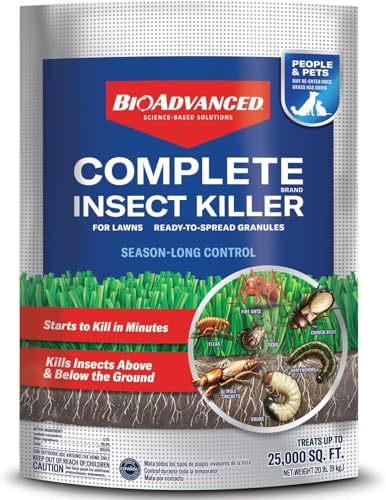
BioAdvanced Complete Brand Insect Killer for Lawns Granules 20 lb

Ortho Bug B Gon Max Insect Killer for Lawns

Scotts GrubEx1 Season Long Grub Killer 28.7 lbs

Bayer Merit 0.5 Granular Systemic Insect Control 30 lb
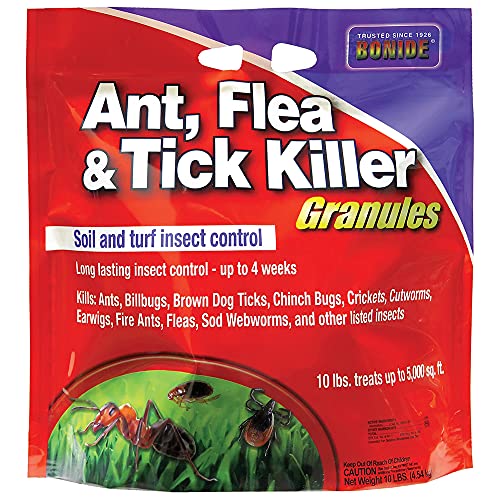
Bonide Ant, Flea and Tick Killer Granules 10 lb

BioAdvanced 24 Hour Lawn Insect and Fire Ant Killer Granules 10 lb
More Details On Our Top Picks
Broad coverage is the main draw here, and the 20-pound bag lines up well with larger lawns that need more than a quick perimeter pass. Because it can be used on lawns, flower beds, shrubs, ornamentals, and around the home, it suits yards where the pest pressure doesn’t stay in one neat patch.
The dual-active approach is the part that stands out, since zeta-cypermethrin and bifenthrin bring a mix of knockdown and lingering control. The trade-off is that you still need to read the label closely and follow the irrigation or rainfall step, so this fits a homeowner who’s comfortable with a more traditional spread-and-water routine.
Strong Points
- Covers a large area, which helps you handle a full yard instead of chasing spots one by one.
- Works on lawns plus several ornamental areas, so you can keep a more consistent treatment plan across the property.
- Dual active ingredients give it a broader pest-control profile than many single-action granules.
- Immediate activation after watering or rain makes the timing feel practical for regular yard care.
Things To Consider
- The label instructions matter a lot here, especially for correct timing and placement.
- That 20-pound bag can be a bit much to store in a small shed or garage.
- You’ll want a spreader and a watering plan, so it’s less casual than a grab-and-sprinkle product.
Feature Rundown
Who Should Grab It
Property owners with large lawns and mixed outdoor insect issues will get the most out of this one.
Where A Sibling Pick Shines
BioAdvanced 24 Hour Lawn Insect and Fire Ant Killer Granules 10 lb fits better for you if you want a smaller bag and a quicker, more targeted treatment plan.
Ortho’s formula leans into breadth, and that matters in yards where ants, ticks, armyworms, sod webworms, fleas, and spiders can all show up in the same season. The spreader-and-water routine is familiar, so you’re not learning a new application style just to get wider coverage.
The above-and-below-ground action is the key distinction, especially compared with simpler perimeter-only products. For most backyards, that makes it a sensible middle ground when you want a treatment that reaches the turf surface and what’s happening underneath it.
What We Like
- Targets a long list of common lawn invaders, which cuts down on juggling multiple treatments.
- Works around lawns, home edges, ornamentals, and listed vegetable-garden areas, so it adapts well to mixed yards.
- Above-and-below-ground control gives the formula a more complete feel than surface-only options.
- Up to 20,000 square feet of coverage fits medium to large properties.
Room For Improvement
- You need a compatible spreader, so the setup is a bit more involved than loose hand application.
- Watering it in is part of the process, which adds one more step to the job.
- The long pest list helps, but it also means you still need to check the package for exact use directions.
Core Details
Made For
You’ll appreciate this most if your lawn sees several different pests and you want one routine that reaches the turf and the edges.
Another Choice May Suit
Bonide Ant, Flea and Tick Killer Granules 10 lb fits better for smaller spaces and simpler spot-style treatments.
This BioAdvanced bag makes sense for someone who wants a broad outdoor insect-control plan without moving into a heavier, more specialized setup. The above-and-below-ground angle keeps it competitive with Ortho BugClear, while the 20-pound size still feels manageable for routine yard work.
Its strongest appeal is the season-long positioning, which suits homeowners who prefer fewer applications across the warm months. Depending on your lawn size and how steady the pest pressure is, that longer horizon can be more helpful than chasing quick spot fixes.
Positives
- Targets insects above and below the ground, so the treatment reaches more of the problem area.
- Season-long positioning can reduce how often you have to think about repeat treatment.
- Works as a ready-to-spread granular product, which keeps application straightforward.
- The 20-pound bag is a practical middle size for many suburban lawns.
- Good fit for owners who want a strong all-around formula without moving up to a specialty grub treatment.
Small Caveats
- You still need even spreading, so a decent broadcast or drop spreader matters.
- Longer-term coverage sounds great, but the real payoff depends on proper timing and application.
Feature Card
Best Suited To
You’ll get the most value from this in a typical yard that needs broad control and a longer treatment window.
Swap It Out When
Scotts GrubEx1 Season Long Grub Killer 28.7 lbs is the better route when grub prevention is the main job.
Ortho Bug B Gon Max leans into duration, and that makes it attractive for lawns that seem to need more staying power between treatments. The 10-pound bag also keeps the handling lighter than the bigger 20- and 30-pound options, which can matter in smaller storage spaces or tighter outdoor sheds.
Compared with Hi-Yield and BioAdvanced, this one reads like a longer-coverage step up rather than a simple all-purpose bag. You may find it especially useful where the pest list is broad but the lawn itself isn’t huge enough to justify a heavier sack.
Upsides
- Covers more than 100 listed insects, so it suits yards with shifting pest pressure.
- Up to three months of control gives it a longer-maintenance feel than shorter-window options.
- Kills both above and below the surface, which helps widen its role in lawn care.
- The 10-pound size is easier to move and store than the larger bags in this list.
Areas To Watch
- The smaller bag size means coverage is lower than some other picks here.
- For very large properties, you may need multiple bags or a different option.
- Its long pest list is helpful, but it still deserves careful label reading before application.
Details At A Glance
The Right Fit
This suits you best when you want a longer-lasting lawn treatment without jumping to a very large bag.
Reach For A Different Pick When
Hi-Yield Turf Ranger II Granular Insecticide 20 lb makes more sense for bigger yards that need broader coverage per bag.
GrubEx1 sits in a narrower lane than the general-purpose insect killers above it, and that focus is exactly why it matters. The 28.7-pound bag and 10,000-square-foot coverage point to a homeowner who’s thinking ahead about grub pressure rather than just reacting to surface insects.
That narrower focus is the trade-off, though, because it’s not trying to be the versatile all-around answer. For lawns that have a recurring grub issue, the longer protection window and larger bag make the extra heft feel justified, especially in a busy yard where repeated treatment schedules are a headache.
Best Bits
- Built specifically for grubs, so the role is clear from the start.
- Up to four months of protection helps stretch time between treatments.
- The 28.7-pound bag gives you plenty of material for a focused lawn plan.
- 10,000-square-foot coverage suits many standard residential lawns.
Softer Spots
- Because it’s grub-focused, it’s less flexible than the broader insect killers in this roundup.
- The larger bag can feel cumbersome in small storage areas.
- It’s a better fit for prevention-minded lawn care than for mixed, fast-changing pest problems.
Quick Facts
Whose Shelf It Belongs On
This belongs with you if grub prevention is a serious lawn priority and you want a dedicated product for that job.
Look Elsewhere When
Ortho BugClear Lawn Insect Killer 20 lb suits better when you need broader insect coverage across the same yard.
Merit 0.5 is the most specialized-feeling product in this group, and that comes through in the way it’s described for turfgrasses plus ornamental areas like trees, shrubs, evergreens, flowers, foliage plants, and ground covers. The 30-pound bag signals a more serious landscape routine, so it makes the most sense where you’re treating a lot of ground or managing several planted areas at once.
Because it uses imidacloprid at 0.5 percent, the product has a very specific lane compared with the broader lawn killers above. That narrower lane can be a strength for the right setup, but it also means you’ll want to match it carefully to your yard plan instead of treating it like a general grab-and-go bag.
Highlights
- Suitable for turfgrasses and several landscape plant types, which broadens its outdoor usefulness.
- The 30-pound bag works well for larger treatment plans and more frequent coverage needs.
- Its systemic-style positioning makes it feel more specialized than the general lawn granules in this list.
- Good for owners who want a landscape-oriented insect control product rather than just a lawn-only bag.
Worth Noting
- The specialized profile makes it less casual than the other granules here.
- The bag size is substantial, so storage and handling take a little planning.
- You’ll want to be sure the treated plants and use areas line up with your yard layout.
Technical Sheet
Built With In Mind
This is a strong fit for property owners managing lawns plus ornamental plantings across a larger yard.
Where A Sibling Pick Shines
Hi-Yield Turf Ranger II Granular Insecticide 20 lb is the easier fit for you if you want a less specialized, more straightforward lawn-focused option.
Bonide keeps things straightforward, and that simplicity is useful in smaller yards or along a house foundation where you want a manageable granule treatment. It covers a useful mix of ants, billbugs, brown dog ticks, chinch bugs, crickets, cutworms, earwigs, fire ants, fleas, and sod webworms, so you’re not stuck with a narrow little label.
The spreader or barrier approach is practical, especially because you do not need to mix or spray anything. The honest read is that it’s less ambitious than the larger bags above it, but for spot treatments and compact lawn areas, that can be exactly the point.
Reasons To Buy
- Simple granular format keeps application easy for routine lawn and foundation use.
- Useful for both full-lawn treatment and spot treatment, so the product has real flexibility.
- Works above and below the surface, which helps it cover more of the pest zone.
- 10 pounds is easier to store and move around than the bigger bags in this roundup.
Minor Gripes
- Coverage is lower than the larger-volume picks, so bigger yards may need more product.
- The shorter control window means you’ll likely revisit the lawn sooner than with longer-hold options.
- Barrier-style use is handy, though it still asks you to plan your application lines carefully.
Feature Snapshot
Perfect Match For
You’ll like this most if you want a smaller, easier-to-handle bag for lawn edges, spot fixes, or foundation use.
Skip It When
Ortho Bug B Gon Max Insect Killer for Lawns is the better option when you need more coverage and a longer control window.
BioAdvanced aims for quick turnaround, and the 24-hour positioning makes it appealing when you want a faster sense of progress after application. The pest list is broad, covering fire ants, fleas, ticks, chinch bugs, grubs, mole crickets, and other listed insects, so it slots into a typical yard routine without feeling too narrow.
The ready-to-spread format also makes this one feel easy to live with, especially compared with more specialized picks like Scotts GrubEx1 or the more equipment-dependent Ortho BugClear. For many yards, that mix of speed and convenience is the sweet spot.
Bright Spots
- Starts working within 24 hours, which suits homeowners who want a faster response.
- Covers a long list of outdoor pests, including fire ants and other common lawn invaders.
- Treats up to 12,500 square feet, which is strong reach for a 10-pound bag.
- Works with broadcast or drop spreaders, so you can match it to your setup.
Points To Note
- The fast-start angle is useful, but actual results still depend on even coverage and proper watering.
- It’s broader than a grub-only bag, though not as specialized for that single job as Scotts GrubEx1.
- You’ll want to keep your spreader settings consistent for a cleaner lawn pass.
Core Details
Who Will Love This
This fits you best when you want a quick, simple lawn treatment that still covers a decent amount of ground.
Another Choice May Suit
Scotts GrubEx1 Season Long Grub Killer 28.7 lbs makes more sense for you if your main problem is grub prevention rather than fast general insect control.
How To Choose The Right Granular Bug Killers For Lawns
Pest Match Comes First
The right granule starts with the insect you’re actually dealing with, not the longest label text. Ants, ticks, grubs, chinch bugs, and webworms do not all call for the same emphasis, and a general lawn formula won’t always be the best fit for grub pressure or fire ant mounds.
Read the pest list closely and match it to what keeps showing up in your yard. A formula like Scotts GrubEx1 is built for one kind of problem, while Ortho BugClear or Hi-Yield leans more toward mixed insect coverage across the turf.
Coverage And Yard Size Matter
Coverage numbers tell you how far a bag goes, and that’s where many shoppers get tripped up. A 10-pound bag can still cover a lot of ground, but only certain formulas stretch that far, while heavier bags often suit larger properties or more deliberate treatment plans.
Think in terms of your actual lawn, not a perfect-square estimate. If your yard has wide open turf plus beds and borders, a product that treats multiple zones can be more useful than one that only lists lawns.
Application Style Should Feel Natural
Granules work best when the application method fits your equipment and routine. Some products call for a broadcast or drop spreader, while others are comfortable around foundation barriers or spot treatments, and that difference affects how smoothly the job goes.
Watering in the product is another practical piece, because it changes the timing and the effort involved. For a weekend yard routine, the easier spread-and-water path usually beats a formula that asks for more steps than you want to manage.
Duration Versus Flexibility
Longer control windows can be helpful, but they’re not always the smartest priority. A product that lasts for months makes sense for steady lawns, while a quicker formula can be better when you want a faster reset after sudden insect activity.
More specialized bags often give you stronger focus, while broader formulas offer more day-to-day versatility. The honest choice is the one that fits your yard calendar, storage space, and comfort level with repeat applications.
A Quick Reality Check
Common Shopping Slip Ups
One common mistake is grabbing a broad insect killer for a grub problem, or a grub formula for mixed lawn pests. Another is ignoring coverage math, which can leave you short on material halfway through the yard.
Storage and equipment matter too. A large bag and a spreader-driven formula make sense for a bigger property, while a smaller yard may be better served by a lighter package with simpler handling.
Where The Extra Money Goes
Higher-tier products often bring more focused pest control, longer protection, or a more specialized ingredient profile. That extra cost also tends to show up in broader use areas, larger bag sizes, or formulas designed for lawns plus ornamental plantings.
Paying more makes sense when your yard has recurring pressure, mixed plantings, or a pest pattern that keeps coming back. For a small lawn with a simple problem, a basic bag usually does the job without asking for much more.
Frequently Asked Questions
How do you choose between a general insect killer and a grub-specific one?
A general insect killer fits mixed pest pressure across the lawn. A grub-specific formula makes more sense when grubs are the main problem you want to prevent or reduce.
Do granular lawn treatments need water after application?
Many of the products in this roundup call for watering in after spreading. That step helps move the granules into the turf zone where they can do their job.
Can you use these products on more than just grass?
Some formulas list flower beds, shrubs, ornamentals, or certain perimeter areas in addition to lawns. Always match the product’s listed use areas to your yard before you spread anything.
What size bag makes sense for a typical home lawn?
A 10-pound bag can work well for smaller or medium lawns, while larger properties often benefit from a 20-pound or bigger bag. Coverage numbers matter more than bag weight alone.
Are faster formulas always the better choice?
Faster formulas help when you want a quicker response, especially for active surface pests. Longer-lasting formulas can be the better fit when your priority is fewer repeat applications.
Closing Thoughts
The best granular bug killer for your lawn is the one that fits your pest problem, your yard size, and the way you already do yard work. A broad formula like Ortho BugClear or Hi-Yield makes sense for mixed pressure, while Scotts GrubEx1 is the clearer choice for grub-focused care. BioAdvanced 24 Hour Lawn Insect and Fire Ant Killer fits the faster-response lane, and Bonide keeps things simple for smaller spaces. Choose the bag that matches your routine, and your lawn work stays much less fussy.
