

Gas lawn blowers still make sense for yards that collect wet leaves, driveway grit, and stubborn debris that cordless tools can leave behind. You get the most value from them when you need strong airflow, longer runtimes, and a tool that can handle bigger spaces without waiting on a battery. This roundup focuses on practical fit, from compact handhelds for quick cleanup to backpack models that feel built for larger properties and heavier seasons.
The Shortlist At A Glance
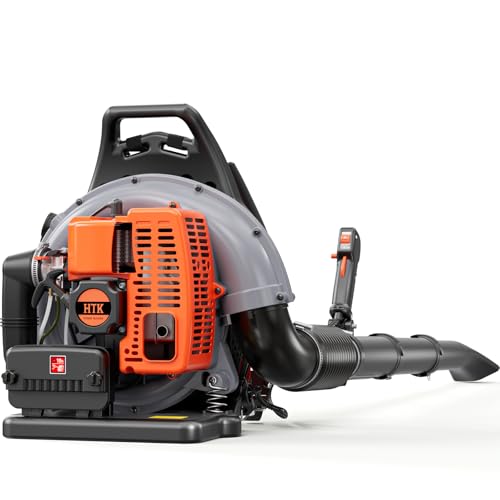
HTK Backpack Blower 63CC Gas Powered Leaf Blower 665 CFM 205 MPH

SENIX 4QL 26.5cc 4-Cycle Handheld Gas Leaf Blower Up to 410 CFM 125 MPH

Backpack Gas Powered Leaf Blower Commercial 2.7kW 850CFM 63CC 4.3HP

ECHO PB-2520 25.4cc Handheld Leaf Blower

Tietoc Leaf Blower Cordless Brushless Electric Leaf Blowers w 2×5.0Ah Battery Fast Charger 6 Speed
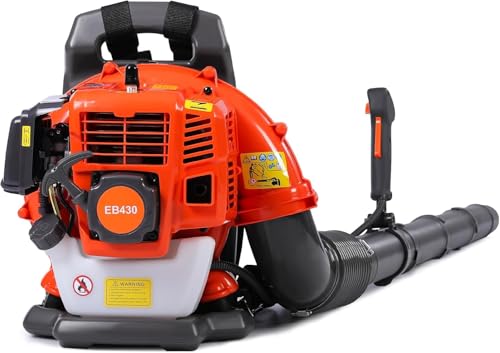
52cc Backpack Leaf Blower Gas Powered 550 CFM 230 MPH High Airflow
Backpack Leaf Blower Gas Powered 65CC 2-Stroke Engine 850 CFM 205 MPH

Gas Leaf Blower 26cc 2-Cycle Handheld Orange Reduced-Pull Start 9.4 Lb
More Details On Our Top Picks
The HTK backpack unit leans into the kind of work that swallows smaller blowers, especially long driveways, leaf piles, and commercial cleanups. A 63cc engine and 665 CFM of airflow give you the kind of push that feels closer to jobsite gear than a weekend tool.
Backpack carry matters here, because the weight rides on your shoulders instead of your wrist during longer sessions. Compared with the handheld SENIX and Relxxon picks, this one makes more sense once your cleanup jobs start lasting more than a few quick passes.
Strong Points
- High airflow helps move thick leaf layers without repeated passes.
- Backpack design spreads load across your back for longer yard sessions.
- 205 MPH air speed gives more punch for damp debris and corners.
- Useful for larger properties where handheld tools start to feel slow.
Things To Consider
- Backpack rigs take more storage room than compact handheld models.
- The stronger output usually comes with more noise and more upkeep.
- Heavy-duty use can feel excessive for small patios or light driveway dust.
Feature Snapshot
Who It Suits Best
Commercial landscapers, large-lot homeowners, and anyone who clears heavy leaf fall will get the most from this format.
A Better Fit Elsewhere
The SENIX 4QL 26.5cc handheld fits smaller suburban yards better, especially when you want easier carry and simpler storage.
Handheld convenience is the whole point here, and the SENIX 4QL keeps that idea front and center with a 26.5cc four-cycle engine. Four-cycle means the engine completes its power strokes in four steps, which usually appeals to people who want a more familiar gas-tool rhythm without mixing fuel.
The dual-grip handle should feel steadier than a bare-bones one-hand blower during longer driveway cleanups. Compared with the backpack HTK and HASANEN options, this is the more manageable path for smaller properties that still want gas power.
What We Like
- Handheld format keeps it easy to move around patios and sidewalks.
- Four-cycle design removes the need to mix fuel, which simplifies routine refills.
- Dual-grip handle gives you a steadier hold during longer cleanup passes.
- 410 CFM and 125 MPH are a solid match for typical yard debris.
Points To Note
- Handheld weight sits in your arms, so long sessions can feel tiring.
- The output fits routine cleanup better than dense, wet leaf piles.
- Gas equipment still asks for storage space and regular maintenance habits.
- Compared with backpack picks, it gives up some endurance for simpler handling.
Core Details
Built With In Mind
Homeowners with medium-small yards and people who value easy handling over brute force will feel right at home with this format.
Swap It Out When
The Relxxon 26cc handheld is the better fit for very light cleanup, while the HTK backpack makes more sense for bigger properties.
This HASANEN backpack blower sits at the high-output end of the group, with 850 CFM and a 63cc, 2-stroke setup. Two-stroke engines use a simpler power cycle than four-cycle designs, and that often shows up in a more aggressive, work-first feel.
The air-cooled design and harness point to longer outdoor sessions where shoulder comfort matters. Relative to the HTK backpack, this one pushes airflow even harder, so it suits more demanding cleanups rather than everyday porch duty.
Upsides
- 850 CFM gives you very strong airflow for broad leaf piles.
- Backpack harness helps distribute load during longer cleanup sessions.
- Air-cooled layout is a sensible match for extended yard work.
- Works well for snow, debris, and large outdoor surfaces.
- Commercial-leaning setup suits properties that see frequent cleanup.
Room For Improvement
- That much output can be more than small lawns need.
- Backpack storage and seasonal maintenance both take some planning.
- Gas operation means you still need to keep fuel handling organized.
Feature Card
Who Should Grab It
Property managers, landscapers, and homeowners with deep seasonal leaf buildup will get the most value here.
Reach For A Different Pick When
The SENIX 4QL 26.5cc fits casual weekend cleanup better, especially in tighter storage spaces and smaller yards.
The ECHO PB-2520 keeps the handheld form factor lean and familiar, which is useful for quick driveway and patio work. At 25.4cc, it sits near the lighter end of this roundup, so the trade-off is clear, less bulk in exchange for less brute force than the bigger backpack picks.
That balance makes sense for routine maintenance rather than messy post-storm cleanup. Compared with the SENIX 4QL, it leans even more toward simple handling, while the HTK and HASANEN models cover more demanding jobs.
Bright Spots
- Compact handheld design makes short cleanup jobs feel easier to start.
- Smaller engine size usually means lighter day-to-day handling.
- Good fit for patios, sidewalks, and garage entrances.
Softer Spots
- Less capacity for heavy, wet leaf piles than the backpack options.
- Handheld use keeps the load in your arms instead of on your back.
- Best suited to lighter maintenance, not broad commercial cleanup.
Details At A Glance
The Right Fit
Homeowners with smaller yards, patios, and short cleanup routines will likely appreciate the simple handling most.
Another Choice May Suit
The Relxxon 26cc handheld is a smarter fit for anyone who wants a reduced-pull start and lighter carrying weight.
The Tietoc stands apart because it leaves gas behind and moves into cordless convenience. Brushless motors, meaning the motor uses electronic control instead of physical brushes, usually help with smoother operation and less routine wear in everyday use.
Two 5.0Ah batteries and a fast charger make this a practical fit for patios, dust, and light snow where plug-free mobility matters more than raw fuel power. Compared with the gas models here, it trades away that old-school runtime feel for easier day-to-day handling.
Positives
- Battery power keeps setup simpler than fueling a gas unit.
- Brushless motor design often supports smoother, more efficient operation.
- Two batteries help reduce downtime during routine cleanup.
- Six speed levels give you more control over delicate surfaces.
- Useful for porches, garages, and places where extension cords get in the way.
Areas To Watch
- Battery tools suit lighter cleanup better than heavy leaf drifts.
- Battery storage and charging habits matter more with cordless gear.
- The feel is different from gas, so long-time gas users may need an adjustment.
Quick Facts
Whose Shelf It Belongs On
Apartment patios, small yards, and anyone who wants cordless flexibility without gas upkeep will get the clearest benefit.
Look Elsewhere When
The Getell 65CC backpack blower fits better for large properties, especially where wet leaf removal calls for much stronger airflow.
Thalorus aims for a middle ground between compact handheld ease and the brute-force backpack crowd. The 52cc engine, 550 CFM airflow, and 230 MPH air speed create a useful mix for leaves, debris, and light snow across medium to larger yards.
The low-vibration harness is the detail that makes the spec sheet feel more grounded in daily use. Compared with the HASANEN and Getell units, this one looks a little less aggressive on paper, which can be a good thing for someone who wants strong output without going straight to the heaviest-duty tier.
Best Bits
- 550 CFM gives you enough airflow for most seasonal cleanup jobs.
- 230 MPH air speed helps move debris off hard surfaces.
- Backpack carry makes longer sessions easier on your hands and arms.
- Low-vibration harness can make extended use feel less tiring.
Small Caveats
- Backpack storage and seasonal maintenance still come with gas-tool overhead.
- The output sits below the most aggressive commercial-style picks here.
- Medium-output users may still prefer a lighter handheld for quick tidying.
Technical Sheet
Best Suited To
Homeowners with medium to large properties and anyone who wants backpack support without extreme overkill will appreciate this balance.
Where A Sibling Pick Shines
The HTK backpack blower is the better match for commercial-style urgency, while the Relxxon handheld works for lighter jobs and tighter storage.
The Getell backpack blower looks built for the kind of cleanup that comes after a storm, not just a quick Saturday tidy-up. A 65cc 2-stroke engine, 850 CFM airflow, and 205 MPH output put it near the top end of this list for raw moving power.
At 17.5 pounds, it also gives you a concrete weight figure to judge against the output, which helps a lot when you picture a long session on a big property. Compared with the HTK and HASANEN picks, this one sits in the same heavy-duty lane, but the lighter stated weight may matter more to you than another small bump in output elsewhere.
Reasons To Buy
- 850 CFM helps cover broad leaf piles and heavy debris fast.
- 205 MPH air speed adds useful push for damp material.
- 17.5-pound build gives you a concrete reference for carry weight.
- Backpack format keeps the load off your arms during longer work.
- Fits large properties where repeated passes waste time.
Honest Caveats
- High-output backpack tools take more room and care than small handhelds.
- Gas maintenance and fuel handling remain part of the ownership routine.
- The power level is more than most small yards will ever need.
Core Details
Perfect Match For
You get the most from this style on large lots, rental properties, or any space that needs strong cleanup after heavy leaf fall.
Skip It When
The Relxxon handheld or SENIX 4QL make more sense for smaller yards, simpler storage, and shorter cleanup routines.
Relxxon keeps the formula simple, with a 26cc 2-cycle handheld design and a stated 9.4-pound weight. That reduced-pull start feature should matter most to people who want a little less tug at startup, especially during quick patio or driveway cleanup.
It’s the kind of blower that makes sense for light snow, damp leaves, and clippings around garages where you want fast handling more than commercial force. Compared with the ECHO PB-2520, it adds a helpful startup angle, while the bigger backpack picks are clearly in a different workload class.
Positives
- Light handheld weight helps with quick jobs and short cleanup bursts.
- Reduced-pull start is a practical touch for routine use.
- Useful for damp leaves, clippings, driveways, patios, and garages.
- Gas power keeps it independent from cords and charging stops.
Worth Noting
- Handheld carry can still feel tiring during longer cleanup sessions.
- The lighter format suits maintenance work more than heavy leaf piles.
- Gas storage and upkeep remain part of the ownership routine.
Feature Rundown
Who Will Love This
Homeowners who want a light gas handheld for quick cleanup around the house will get the most from this shape and weight.
Where Shoppers Go Wrong
People needing broad, wet-leaf clearing should look at the HTK or Getell backpacks instead, since those models are built for bigger jobs.
How To Choose The Right Gas Lawn Blowers
Start With Yard Size And Debris Type
Your yard size matters more than brand names or flashy airflow figures. Small patios and short driveways do fine with a 25cc to 26cc handheld, while larger lawns and commercial routes usually make better use of backpack models with stronger CFM and MPH. Wet leaves, pine needles, and heavier debris need more push than dry dust on a hard surface.
CFM means cubic feet per minute, or how much air the blower moves in a minute. MPH tells you how fast that air exits the nozzle, which helps with stuck material. You get the best match when those two numbers fit the kind of cleanup you actually face.
Choose Handheld Or Backpack By Session Length
Handheld blowers are simpler to store and easier to grab for five-minute cleanups. Backpack models make more sense once your cleanup runs get longer, because they shift the load away from your arms and into a harness.
The trade-off is obvious, backpack units usually take more storage room and feel like more tool than a small yard needs. For a townhome courtyard, handheld wins; for a broad lot with trees, backpack comfort starts paying off fast.
Look Closely At Engine Type And Starting Feel
Two-cycle engines are common in gas blowers and tend to feel compact and lively. Four-cycle models, like the SENIX 4QL, usually appeal to people who prefer a simpler fueling routine and a calmer operating rhythm.
Reduced-pull start, dual-grip handles, and harness design matter more than they look on paper. Those little details decide whether a blower feels easy to grab for routine work or annoying enough to leave in the shed.
Match Power To Maintenance Habits
Gas blowers reward people who don’t mind routine upkeep, fuel storage, and seasonal care. They also make sense for properties where charging a battery would be inconvenient or where runtime needs stay long and predictable.
Higher-output models usually cost more because you’re paying for larger engines, stronger airflow, and more comfortable carry systems. That upgrade makes sense for big properties, frequent leaf fall, and wet debris that needs serious movement, but not for a small porch that only needs a quick sweep.
What To Weigh Before You Commit
Hidden Buying Traps
The easy mistake is choosing airflow numbers without thinking about weight, harness support, or how often you’ll use the tool. Another common miss is buying a backpack blower for a tiny yard, then realizing storage and maintenance feel out of scale.
Start with your toughest cleanup day, not your easiest one. A blower that handles damp leaves in the back corner and still feels manageable at the end of the job usually fits better than a flashy spec sheet.
The Upgrade Payoff
Higher-tier gas blowers usually cost more because the engine, air volume, and carry system all scale up together. You’re also paying for comfort details that matter over time, like harness support, dual-grip control, and stronger output for bigger spaces.
That extra spend makes sense for commercial use, large yards, and properties with frequent leaf drop. For smaller lots, a lighter handheld often gives you enough performance with less to store, fuel, and maintain.
Frequently Asked Questions
What size gas blower works best for a small yard?
A 25cc to 26cc handheld usually fits small yards well. It gives you enough power for driveways, patios, and light leaf cleanup without feeling oversized.
Are backpack blowers worth it for home use?
They make sense once your cleanup sessions get long or your property is large. The harness and shoulder carry help much more than a handheld during extended work.
What does CFM tell you?
CFM measures how much air the blower moves. Higher CFM usually helps clear wider areas and bigger piles more quickly.
Is a four-cycle blower better than a two-cycle model?
Neither is universally better, because the right choice depends on your routine. Four-cycle units often appeal to people who want a simpler fueling habit, while two-cycle designs are common in stronger, more compact gas tools.
How much maintenance does a gas blower usually need?
You’ll need to handle fuel, storage, cleaning, and seasonal care. That upkeep is the trade-off for stronger runtime and dependable outdoor power.
Closing Thoughts
The right gas blower comes down to how much ground you cover and how stubborn your debris gets. A light handheld keeps everyday cleanup easy, while a backpack model earns its place once the yard is big enough to make comfort and airflow matter together. HTK, HASANEN, and Getell suit heavier work, while SENIX, ECHO, and Relxxon stay friendlier for smaller properties. Pick the one that matches your real weekend, not the one that sounds toughest on paper.
