

Fuel problems have a sneaky way of showing up right when your mower needs to work. Water in the tank, stale gasoline, ethanol stress, and dirty carburetors can all turn a simple start into a headache.
That’s where this roundup helps. You get additive options for routine upkeep, seasonal storage, rough-running engines, and even a fuel-as-fuel alternative for outdoor power gear, so you can match the product to the job instead of guessing.
Quick Look At Our Shortlist
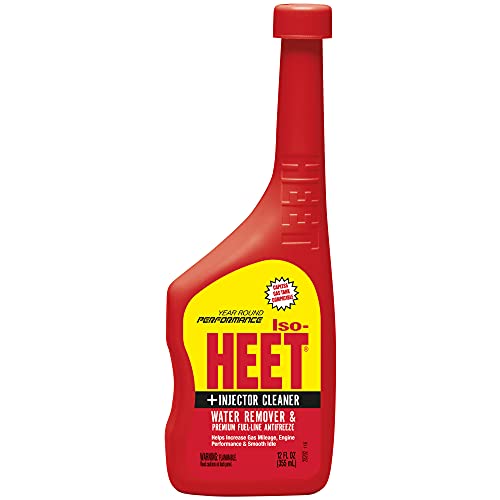
Heet Iso-HEET Water Remover And Premium Fuel Line Antifreeze + Injector Cleaner
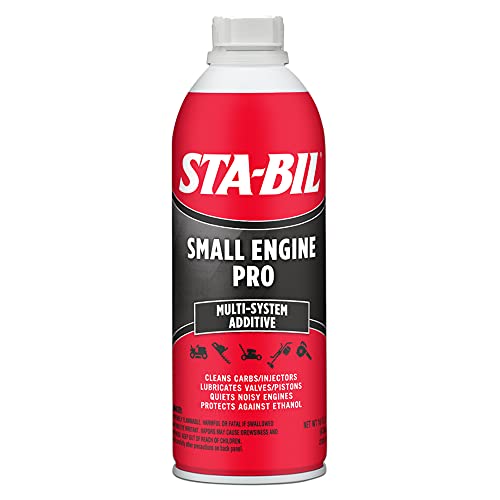
STA-BIL Small Engine Pro Multi-System Additive

STA-BIL Fast Fix – Small Engine Treatment

STA-BIL 360 Marine Ethanol Treatment and Fuel Stabilizer
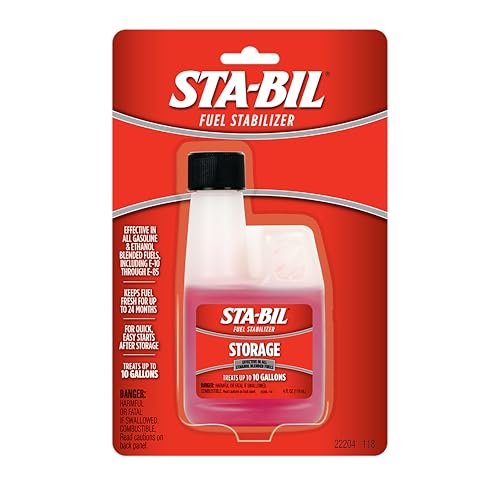
STA-BIL Storage Fuel Stabilizer

STAR BRITE Star Tron Enzyme Fuel Treatment – Small Engine Formula
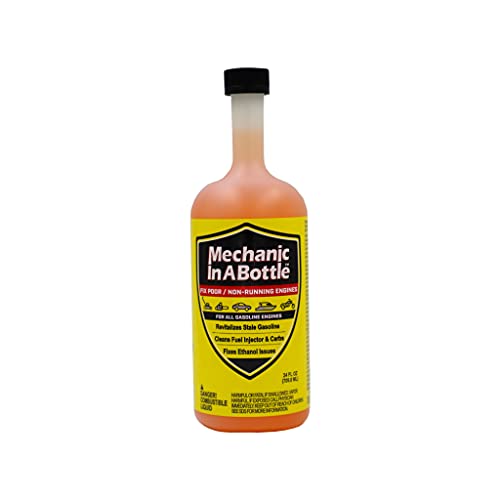
B3C Fuel Solutions Mechanic in A Bottle
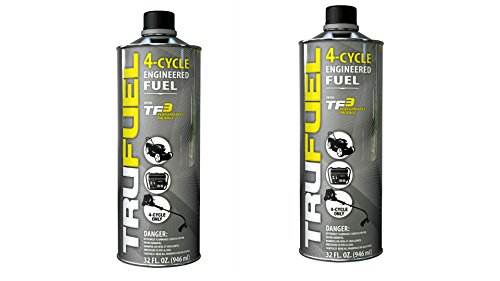
4-Cycle Ethanol-Free Fuel for Outdoor Power Equipment 32 oz. Pack of 2
More Details On Our Top Picks
Wet fuel is a common headache in seasonal equipment, and this Heet option is built around that exact problem. The 12-ounce pour size keeps it simple for small tanks, which suits a mower that sees occasional use or sits between cuts for stretches.
Its water-removal focus gives you a practical path when fuel contamination is the concern, and the antifreeze angle matters for cold-weather storage around the garage. The trade-off is narrow specialization, so it makes less sense than a broader stabilizer for long off-season storage.
Strong Points
- Targets water in fuel, which matters after damp storage or condensation inside a tank.
- Small 12-ounce bottle is easy to pour into compact mower fuel systems.
- The corrosion-prevention angle helps protect metal parts that sit with treated fuel.
- Useful for outside power equipment that runs into seasonal moisture issues.
Small Caveats
- It stays focused on water handling, so it is less broad than some multi-system additives.
- Works best as a corrective step, not as a catch-all for every fuel problem.
Feature Snapshot
Who It Suits Best
Dry-garage owners and seasonal mower users who want a water-focused fix will get the most from it.
A Better Fit Elsewhere
STA-BIL Storage Fuel Stabilizer suits off-season storage better, especially for owners who want broader fuel freshness support.
For a mower that sees steady use, this one reads like a broad maintenance product rather than a single-purpose fix. It aims at carburetors, injectors, valves, and pistons, so you get a wider net than the Heet bottle above.
That broader scope matters in a busy shed where the same fuel jug may feed different outdoor tools. The honest read is that it suits owners who want one additive to cover routine care, though it won’t feel as laser-focused as Fast Fix for a rough-running engine.
Upsides
- Cleans gum and varnish from fuel passages, which helps restore smoother running.
- Supports lubrication inside the engine, a plus for equipment that works often.
- Corrosion inhibitors add a useful layer of defense against ethanol stress.
- Helps quiet noisy operation, which can matter in close neighborhoods.
- Works as a multi-system treatment, so one bottle can cover more than one concern.
Points To Note
- Broad formulas can feel less targeted than a specialist cleaner for a stubborn carburetor.
- It still expects regular fuel care, so neglected equipment may need more than one treatment pass.
- Owners who only want storage protection may find it more complex than necessary.
Core Details
Who Should Grab It
You get the best fit here when your mower shares fuel care with trimmers, blowers, or other outdoor tools.
Where A Sibling Pick Shines
STA-BIL Fast Fix is the sharper match for an engine that already runs badly and needs quicker carburetor attention.
A rough-starting mower can turn a Saturday chore into a repair detour, and Fast Fix is aimed at that kind of frustration. Compared with the broader STA-BIL Small Engine Pro, this one leans more toward recovery work than routine maintenance.
The treat-up-to-20-gallons claim makes it handy for owners who keep several cans or small engines in rotation. The catch is that it is still a treatment, so dirty fuel lines or a neglected carb may need more than one fix, depending on how long the machine has sat.
Highlights
- Cleans carburetors and injectors, which are common trouble spots in small engines.
- Helps address rough running, a useful match for sputtering mowers.
- Removes water from the fuel, which matters after storage in humid spaces.
- Treats up to 20 gallons, so one bottle stretches across several fill-ups.
Room For Improvement
- It is aimed at correction, so it is less of a long-term storage helper than storage stabilizers.
- Owners with major carb buildup may still need hands-on cleaning.
- The smaller bottle size can feel modest for people maintaining several machines.
Details At A Glance
Whose Shelf It Belongs On
You’ll like this most when your mower already shows rough idle, hesitation, or stubborn starting and you want a focused treatment.
Reach For A Different Pick When
Heet Iso-HEET suits a more water-centered fuel problem, especially when moisture is the main concern rather than general rough running.
This pick leans toward larger fuel jobs, which makes it a different kind of fit from the small-bottle options above. The 10-ounce size can cover a lot of fuel, so it works well for owners who keep several outdoor machines in the shed.
For lawn equipment, the draw is the in-season fuel-system support and corrosion focus, especially in humid storage spaces. The trade-off is simple: it feels more like a broad stabilizer than a quick repair product, so it suits regular upkeep better than a suddenly fussy mower.
Bright Spots
- Built to handle large fuel volumes, which is handy for multi-tool households.
- Supports cleaner injectors and fuel passages for steadier running through the season.
- Helps remove water, a practical benefit in damp climates or garages.
- Corrosion protection matters for equipment that sees long storage windows.
Areas To Watch
- Its marine-first framing is broader than a mower-only product, so some owners may want a more direct small-engine blend.
- Larger treatments need a little more measuring discipline during use.
Technical Sheet
Best Suited To
You fit this best when one treatment needs to cover a busy garage full of gas equipment.
Another Choice May Suit
STA-BIL Storage Fuel Stabilizer is the simpler match for a mower that spends most of the year parked.
Seasonal mower storage is where this bottle makes the most sense. Compared with the more treatment-focused Heet and Fast Fix picks, STA-BIL Storage Fuel Stabilizer is built for keeping fuel usable while the equipment sits.
The 4-ounce bottle is small, but the treatment coverage makes it practical for owners who top off and park a mower for months at a time. The trade-off is straightforward, since you are buying storage protection first, not a cleaner for an already unhappy engine.
Best Bits
- Designed for stored gasoline, which matches off-season mower care.
- Works with ethanol-blended fuels, a common reality at local pumps.
- Helps limit corrosion during long parking periods.
- Supports easier starts after storage, which saves frustration in spring.
- Small bottle is easy to keep with garage tools and fuel cans.
Worth Noting
- It is more of a storage guard than a cleaner for rough-running engines.
- The compact bottle means you’ll want to measure carefully for repeated use.
Quick Facts
Perfect Match For
You get the strongest fit here when your mower spends long stretches parked between cutting seasons.
Where A Sibling Pick Shines
STA-BIL Small Engine Pro is the better call for owners who want more cleaning and lubrication in the same bottle.
Old gasoline is where this formula earns attention, especially for mowers that sit through a long offseason and then need to wake up quickly. The enzyme-based approach gives it a different profile from the straight stabilizers above, which can matter for mixed fuel conditions in a garage.
It also covers a wide range of engines and fuels, so your mower is not the only machine that can benefit. The catch is that its flexibility can feel broader than some shoppers need, so owners who only want simple storage protection may prefer STA-BIL Storage Fuel Stabilizer instead.
Reasons To Buy
- Helps freshen older gasoline, useful when fuel has sat longer than planned.
- Addresses ethanol-related problems in a practical small-engine context.
- Helps reduce gum, carbon, and varnish buildup in the fuel path.
- Fits a wide range of engines, which is handy for households with several tools.
Softer Spots
- Broad compatibility can be more than you need for a simple mower-only setup.
- The product’s flexibility does not replace basic fuel rotation habits.
- Hot equipment caution on the source page is worth respecting during use.
At A Glance
The Right Fit
You suit this best when your mower shares fuel duties with other gas equipment and old fuel is a recurring nuisance.
Skip It When
STA-BIL Fast Fix is the sharper pick for a mower that mainly needs a quick clean-up after rough running.
Mechanic in a Bottle is the broadest-sounding pick here, and that tracks with its all-gasoline-engine positioning. It combines cleaning, lubrication, water removal, and octane support, so it fits owners who want one bottle to do a lot of fuel-system work.
That wider reach can be useful for older mowers with tired fuel and dried seals, especially in garages where equipment sits through hot and cold swings. The trade-off is that a multi-action formula may feel more than necessary for a newer mower that only needs storage help.
What We Like
- Cleans varnish and carbon from the fuel system, which helps with sluggish running.
- Includes dual lubricants that condition rubber and plastic parts.
- Can help revive fuel that has aged or degraded in storage.
- Removes water and adds octane support, which broadens its usefulness.
- Large 24-ounce bottle suits owners maintaining several machines.
Minor Gripes
- Its wide feature set can be more additive than a simple mower owner needs.
- Larger bottles take more shelf space than compact treatment sizes.
- Owners who prefer a single-purpose storage stabilizer may see extra complexity here.
Feature Card
Built With In Mind
You fit this best when your mower is part of a larger stable of gasoline tools that all need regular upkeep.
Look Elsewhere When
STA-BIL Storage Fuel Stabilizer is the simpler match for small mowers that only need fuel to sit cleanly between seasons.
This is the outlier in the list, because it’s fuel rather than a bottle of additive. That difference matters for owners who want to skip mixing and just pour in a ready-made option for 4-cycle air-cooled equipment.
Compared with the additives above, it changes the fuel itself, which can feel as tidy as a clean tool drawer. The trade-off is straightforward, since it is best for equipment designed around that fuel type and less useful for someone who only wants a small treatment bottle.
Standout Traits
- Pre-blended for outdoor power equipment, so there’s no ratio math.
- Made for 4-cycle air-cooled engines that need a 50:1 mix.
- Ethanol-free fuel can be a cleaner fit for owners who dislike fuel sensitivity.
- Two-bottle pack works well for regular yard work and repeated refills.
- Full synthetic oil is already included, which simplifies setup.
Things To Consider
- It suits equipment designed for this fuel format, so compatibility matters.
- Bulkier than a tiny additive bottle, which affects shelf space.
- It’s a different kind of purchase from the rest of the roundup, so it suits a specific preference.
Core Details
Who Will Love This
You suit this best when you want ready-made fuel for compatible 4-cycle equipment and you’d rather skip additive mixing.
Where Shoppers Go Wrong
Heet Iso-HEET or STA-BIL Storage Fuel Stabilizer make more sense when your mower only needs treatment, not a switch to pre-blended fuel.
How To Choose The Right Fuel Additives For Lawn Mowers
Match The Additive To The Problem
Start with the symptom, not the bottle. Water in fuel points you toward a moisture-handling product like Heet Iso-HEET, while rough idling or dirty carburetors call for a cleaner such as STA-BIL Fast Fix or B3C Fuel Solutions Mechanic in a Bottle.
That distinction matters because lawn mowers usually fail in simple ways first, like stale fuel, varnish, or condensation from storage. A broad formula can help, but a focused one usually solves the actual issue faster.
Check How Often You Mow And Store Fuel
Frequent mowers tend to benefit from multi-system formulas such as STA-BIL Small Engine Pro, since they cover cleaning and lubrication together. Seasonal owners usually need a stabilizer that keeps gasoline usable through long idle periods.
For that pattern, products like STA-BIL Storage Fuel Stabilizer or STAR BRITE Star Tron make more sense. They suit garages, sheds, and fuel cans that sit untouched for weeks or months.
Pay Attention To Engine Type And Fuel Setup
Not every option belongs in every machine. A 4-cycle mower can use different products than a mixed-fuel tool, and a ready-made fuel like TruFuel is a separate path from additive dosing altogether.
Reading the fuel compatibility and engine fit keeps you from overspending on the wrong fix. It also helps you avoid treating a mower like a boat motor or vice versa, which sounds minor until the fuel doesn’t behave the way you expected.
Consider Convenience, Bottle Size, And Storage Habits
Small bottles are easier to keep on a shelf, while larger ones make sense for homes with several gasoline tools. A 4-ounce stabilizer may be plenty for one mower, but a 24-ounce treatment feels more practical for bigger tool sheds.
Measuring ease matters too. Pour spouts, bottle size, and treat-capacity all affect how often you reach for the product and how tidy the job feels in a real garage.
Things Worth Knowing First
Mistakes Worth Dodging
One common slip is buying a cleaner for a storage problem, or a storage product for a clogged carburetor. That mismatch leaves you with the wrong kind of help and usually the same starting trouble.
Another misstep is ignoring fuel age. Fresh gasoline behaves differently from fuel that has sat through a season, so the product should match the condition of what’s already in the tank.
The Case For Spending Up
Higher-tier products usually cost more because they do more than one job. You may get cleaning, lubrication, corrosion support, and ethanol handling in a single formula instead of a narrower fix.
That extra reach is worth it for owners with several outdoor tools, older engines, or fuel that sits for long stretches. For a lightly used mower, a simpler stabilizer often makes better sense and keeps the job easy.
Frequently Asked Questions
Can You Use Fuel Additives In Any Lawn Mower?
Most gasoline lawn mowers can use a compatible additive, but the product should match the engine type and fuel recommendation. A look at the owner’s manual still matters before you pour anything in.
Are Storage Stabilizers Different From Cleaners?
Yes, storage stabilizers focus on keeping fuel usable while it sits. Cleaners are aimed more at carbon, varnish, gum, or rough running after fuel has already started causing trouble.
Do You Still Need Fresh Gas If You Use An Additive?
Fresh fuel still helps, even with a stabilizer in the tank. Additives support the fuel, but they do not replace good fuel rotation habits.
Is Ethanol-Free Fuel Better For Mowers?
Ethanol-free fuel can be a cleaner-feeling option for some small engines because it avoids ethanol-related strain. The catch is that it only makes sense when your equipment is compatible and the fuel format suits your routine.
How Often Should You Treat Stored Fuel?
That depends on the product and the storage window, so the label directions matter. Long off-season storage usually calls for treatment before the mower gets parked, not after problems start.
Final Thoughts
The right fuel additive for your mower comes down to the job in front of you. Water removal, carb cleanup, storage protection, and ready-made fuel each solve a different kind of hassle, so the best match is the one that fits your engine’s habits and your garage routine. For most yards, a simple stabilizer or a broad small-engine treatment covers the bases well. Pick the one that matches how you actually store and run your mower, and the spring start is usually much less of a fight.
