

Early spring is where a lot of lawns either wake up cleanly or start the season looking thin and tired. You want the right feed for your grass type, your schedule, and how much time you want to spend on upkeep.
Some products lean toward quick color, some spread nourishment over weeks, and a few add iron or extra nutrients for a deeper green finish. The ten picks below cover different yard sizes, grass types, and care styles, so you can match the fertilizer to your own routine instead of forcing one formula to do everything.
The Shortlist At A Glance

Fertilome Centipede Lawn Fertilizer 15-0-15 16 lbs

Petramax Liquid Nitrogen Fertilizer 28-0-0 NPK 32 Oz

Yard Mastery 24-0-6 Flagship Granular Lawn Fertilizer 45 lb Bag

GreenView Fairway Formula Lawn Fertilizer 33 lb Bag

Scotts Turf Builder Healthy Plus Lawn Food 13.70 lbs
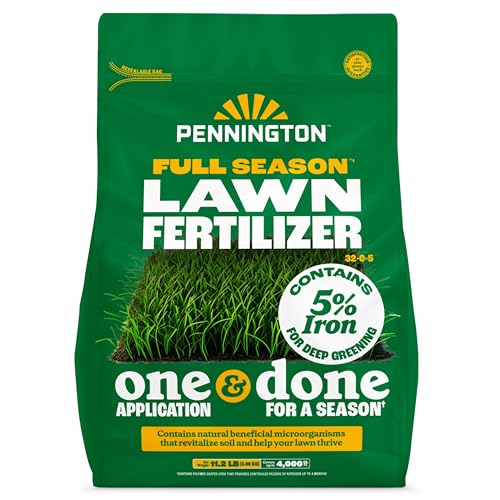
Pennington Full Season Lawn Fertilizer 4M 32-0-5 RF 3
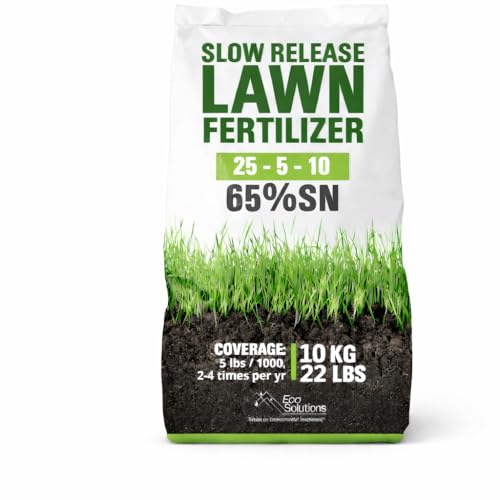
Slow Release Lawn Fertilizer 25-5-10 NPK 10kg 22lbs Bag

O.M. Scott & Sons Natural Grass Food 12.72 lbs

The Andersons Deep Green 24-0-11 Professional-Grade Lawn Fertilizer
Warm-season lawns tend to be pickier than they look, and this bag speaks to that reality. The 15-0-15 ratio, plus added iron, suits centipede and St. Augustine turf that needs steady feeding without leaning too hard on nitrogen.
That makes it a sensible fit for yards where color correction matters, especially after a slow start to spring. You may find it less flexible than a general lawn food, but that trade-off is exactly why it stays focused.
Strong Points
- Built around warm-season grass needs, not a vague all-purpose formula.
- Added iron helps support a richer green tone in spring growth.
- Slow-release nitrogen can stretch feeding across a longer window.
- Works well for centipede lawns that prefer a gentler nutrient profile.
Things To Consider
- It is more specialized than a broad yard food, so it suits a narrower set of lawns.
- Bag handling and spreader setup still matter for even coverage.
Key Specs
Who It Suits Best
Centipede and St. Augustine lawns benefit most from this focused spring feed.
A Better Fit Elsewhere
Yard Mastery 24-0-6 Flagship Granular Lawn Fertilizer 45 lb Bag suits shoppers who want a broader granular option for a larger yard.
Liquid fertilizer changes the pace completely, and this one is built for people who want a fast, spray-on routine. The 28-0-0 NPK mix is nitrogen-forward, so it leans hard into green-up rather than balancing out every nutrient detail.
That makes it appealing for busy spring maintenance, especially on lawns that need quick visual improvement with less spreading fuss. The honest read is that liquid feeding is convenient, but it can also demand more attention to application coverage.
What We Like
- Spray application is simple for spot work and regular upkeep.
- High nitrogen content supports fast-looking color response in spring.
- Liquid format fits yards where a spreader feels like overkill.
- Small bottle size is easier to store than a heavy bag.
Minor Gripes
- Liquid routines can use more careful overlap control than granular products.
- Small volume means you may need a repeat purchase sooner for larger lawns.
- The nitrogen-heavy profile is narrow by design, not a broad soil fix.
Feature Snapshot
Who Will Love This
Busy homeowners with smaller or mid-size lawns will get the most from the spray-on format.
Another Choice May Suit
GreenView Lawn Food 48 lb Bag works better for shoppers who want a granular route with broader yard coverage.
This one reads like a serious granular feed for people who want more than basic nitrogen. The 24-0-6 formula, 3% iron, Bio-Nite, micronutrients, and slow-release nitrogen give you a layered approach that suits lawns needing steady spring help.
Coverage up to 15,000 square feet also makes it a strong match for bigger properties, where smaller bags start to feel tedious. You may appreciate the depth of the formula, though that same depth means you should pay attention to spreader settings and storage.
Highlights
- Large coverage area helps reduce how often you reach for another bag.
- 3% iron supports a deeper-looking green finish.
- Slow-release nitrogen can smooth out feeding over time.
- Micronutrients add more than the usual basic three-number formula.
- Bio-Nite gives the mix a more soil-minded profile.
Areas To Watch
- The fuller formula can feel more involved than a simple yard food.
- Forty-five pounds is a lot to move, pour, and store.
- Large coverage only helps when your spreader is set up evenly.
Feature Rundown
Right Fit For
Large-yard owners who want granular feeding with extra nutrients will appreciate this setup.
Where A Sibling Pick Shines
GreenView Fairway Formula Lawn Fertilizer 33 lb Bag makes a simpler match for shoppers who want a slightly lighter bag with a longer feeding window.
Longer feeding windows matter when you want less maintenance between applications. GreenView’s 30-0-12 formula, plus the 12-week feeding claim, puts this squarely in the camp of lawn care that values consistency over constant touch-ups.
The 33-pound bag and 10,000 square foot coverage make it a tidy fit for average suburban lawns. The trade-off is that it stays focused on steady turf feeding, so you are not getting a multi-function blend with lots of extra flourishes.
Upsides
- Long feeding window reduces how often you need to reapply.
- Large-enough coverage suits many standard home lawns.
- 30-0-12 ratio gives a nitrogen-led feed with potassium support.
- Simple granular format keeps storage and handling straightforward.
Room For Improvement
- It is more about steady feeding than extra ingredient complexity.
- The bag is substantial, so pouring and lifting take some care.
At A Glance
Best Suited To
Homeowners who want dependable, longer-lasting spring feeding for an average-size yard fit this pick well.
Swap It Out When
Yard Mastery 24-0-6 Flagship Granular Lawn Fertilizer 45 lb Bag is the stronger fit for shoppers who want extra nutrients and larger coverage.
This Scotts option stands out because it combines fertilizer with a fungicide in one bag, which can simplify spring lawn routines. That matters most for smaller yards where you want to keep applications compact and avoid juggling multiple products.
The 4,000 square foot coverage keeps the scale manageable, though the narrower coverage also means it is not the right choice for larger turf areas. For a compact lawn, the two-in-one setup can feel like a neat solution without adding much clutter to the shed.
Reasons To Buy
- Two-in-one design keeps lawn care more streamlined.
- Helpful for smaller yards that do not need bulk coverage.
- Easy to slot into a spring routine with limited storage space.
- Simple bag format is less cumbersome than larger yard bags.
Softer Spots
- Coverage is modest compared with the larger bags in this roundup.
- The two-in-one format only makes sense for your lawn care goals.
Details At A Glance
Built With In Mind
Smaller home lawns and tidy spring routines suit this blend best.
Look Elsewhere When
GreenView Lawn Food 48 lb Bag is better for shoppers who need broader coverage without the built-in fungicide angle.
This Pennington bag is built around the idea of one application per season, which fits a low-maintenance approach. The 32-0-5 ratio gives you a nitrogen-heavy formula with some potassium support, so it leans toward season-long lawn care rather than frequent fine-tuning.
That approach works well for homeowners who want a simpler spring-to-summer routine and fewer calendar reminders. The trade-off is predictably less flexibility, so you are buying convenience more than customization.
Best Bits
- Season-long positioning reduces how often you have to think about feeding.
- Works well for straightforward lawn care schedules.
- 32-0-5 ratio keeps nitrogen front and center.
- Good fit for people who prefer a set-it-and-move-on routine.
Small Caveats
- Less flexible than products built for shorter feeding intervals.
- One-season positioning may be more than you want for very small yards.
Quick Facts
Perfect Match For
Busy homeowners who want a single seasonal application and a simple lawn routine will appreciate this pick.
Skip It When
The Andersons Deep Green 24-0-11 Professional-Grade Lawn Fertilizer is the better fit for shoppers who want a more pro-style formula and larger coverage.
This granular formula leans on a 65% nitrogen content and a slow-release design that can feed over a long window, up to 110 days. That makes it useful for a homeowner who wants fewer reapplications and a calmer spring schedule.
The 10 kg bag sits in a manageable middle ground, not tiny and not bulk-heavy. The trade-off is that the mix reads more like a focused home-care product than a highly specialized turf program, which is fine for many yards.
Positives
- Long feeding window reduces constant reapplication.
- Granular format is familiar and easy to spread.
- Bag size feels manageable for home storage.
- Works for people who want a slow, steady lawn routine.
Points To Note
- The nitrogen-heavy profile is focused more on feeding than variety.
- Spread consistency still matters, especially on uneven lawns.
- Big coverage promises are less useful without a good spreader setup.
Core Details
The Right Fit
Homeowners who want a long-feeding granular product for ordinary spring lawn care fit this well.
A Better Fit Elsewhere
Petramax Liquid Nitrogen Fertilizer 28-0-0 NPK 32 Oz suits shoppers who prefer a spray-on routine with less spreading work.
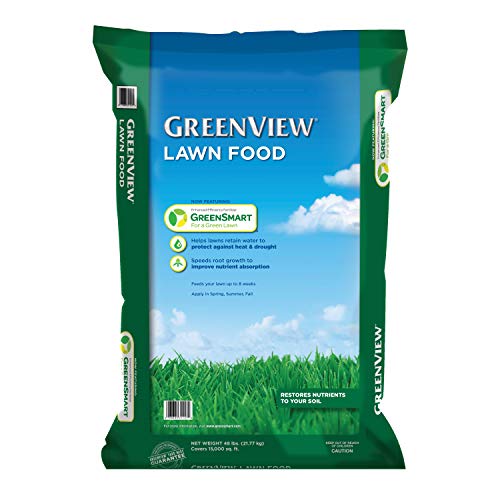
GreenView keeps things straightforward here, with a 22-0-4 formula and an 8-week feeding window. That combination suits spring lawn work where you want a dependable mid-range option that covers a lot of ground without feeling overly specialized.
The 48-pound bag and 15,000 square foot coverage make this a strong fit for mid-size to larger yards. It can feel heavy in storage, though that is the trade-off for getting more coverage from a single bag.
Bright Spots
- Large coverage is useful for broad suburban lawns.
- Eight weeks of feeding keeps the routine from getting too busy.
- 22-0-4 ratio fits a simple spring feeding plan.
- Granular form is easy to pair with standard spreaders.
Worth Noting
- Heavy bag weight can be awkward in tight storage spaces.
- It is more about reliable feeding than extra ingredient depth.
Spec Overview
Who Should Grab It
Shoppers with mid-size to larger yards who want a steady, uncomplicated granular feed will like this option.
Another Choice May Suit
GreenView Fairway Formula Lawn Fertilizer 33 lb Bag is the better fit for anyone who wants a longer feeding window in a lighter package.
This one feels aimed at people who want a gentler, more natural-leaning lawn food for spring. It covers 2,000 square feet and feeds for up to 10 weeks, so it fits compact lawns, patioside strips, and other smaller spaces where a lighter bag makes sense.
The smaller coverage also keeps it easy to store and carry, which matters more than many people expect. The trade-off is obvious, though, because a smaller bag is not the right answer for broader lawns that need more coverage in one pass.
Standout Traits
- Compact coverage works well for smaller lawn spaces.
- Ten-week feeding gives you a solid spring stretch.
- Easy to store compared with the larger yard bags here.
- Good fit for a lighter-feeling lawn routine.
Areas To Watch
- Coverage is limited compared with the larger entries in this list.
- It is better suited to smaller projects than whole-yard care.
Feature Card
Whose Shelf It Belongs On
Smaller-yard homeowners who want a natural-leaning spring food will appreciate this fit.
Reach For A Different Pick When
GreenView Lawn Food 48 lb Bag suits you better when your yard needs broader coverage and a larger bag.
The Andersons brings a more pro-style feel to early spring feeding, with a 24-0-11 ratio and slow-release nitrogen. That extra potassium can matter in turf care where you want the formula to feel a little more rounded than a basic nitrogen-heavy mix.
Coverage up to 10,000 square feet makes it a serious household option without pushing into oversized bulk territory. For most lawns, the appeal is the balance between a professional-leaning formula and a bag size that still fits ordinary storage.
What We Like
- Professional-leaning formulation feels more advanced than a basic yard food.
- Slow-release nitrogen helps feeding stay steadier over time.
- Potassium support makes the nutrient mix feel more complete.
- Coverage suits many standard home lawns.
Honest Caveats
- The more serious formula may feel like extra lawn care than some yards need.
- Forty pounds is a meaningful bag weight to move and store.
Core Details
Made For
Shoppers who want a more pro-leaning spring fertilizer for a medium or large yard will get strong value from this pick.
Not Your Match When
O.M. Scott & Sons Natural Grass Food 12.72 lbs is the better fit for smaller lawns that need a lighter, simpler bag.
How To Choose The Right Early Spring Lawn Fertilizers
NPK Ratios Tell You The First Story
NPK stands for nitrogen, phosphorus, and potassium, the three numbers printed on most fertilizer bags. For early spring, nitrogen usually drives the look people want most, while potassium helps round out the formula, and phosphorus should only matter when your lawn actually needs it.
A 30-0-12 bag behaves very differently from a 15-0-15 or a 22-0-4 blend. The first pushes harder on growth, the second spreads the nutrients more evenly, and the third sits closer to a general feeding plan.
Granular Or Liquid Changes The Whole Routine
Granular fertilizer works well for bigger lawns, standard spreaders, and people who want less mess. Liquid fertilizer fits quick spot work and smaller spaces, though it usually asks for more careful coverage.
The choice is less about being fancy and more about how you like to work on a Saturday morning. A liquid sprayer can feel light and fast, while a heavy bag can look like a long afternoon waiting in the garage.
Coverage And Bag Size Need To Match Your Yard
Coverage numbers help you avoid underbuying, but they also tell you how many passes a lawn will need. A 2,000 square foot bag makes sense for a small front yard, while 15,000 square feet belongs in bigger suburban settings.
Bag weight matters too, especially for storage and pouring. Forty-plus pounds can be perfectly reasonable for a large yard, yet it becomes annoying fast in a tight shed or when the spreader sits far from the driveway.
Feed Duration And Grass Type Shape The Best Fit
Some early spring fertilizers feed for a few weeks, and others stretch across much longer windows. Longer release periods suit busy schedules, while shorter ones give you more control when your lawn needs adjustment through the season.
Grass type matters just as much. Centipede and St. Augustine do better with more tailored formulas, while general turf blends make more sense for mixed or less picky lawns.
Things Worth Knowing First
Mistakes Worth Dodging
A common slip is grabbing a strong general formula for a lawn that really wants a more specific blend. That can leave you with more nitrogen than your grass type needs, or a coverage level that runs out too fast.
Another easy miss is forgetting how the product gets applied. A bag that looks simple on paper can become frustrating in a spreader with poor calibration or uneven wheel lines.
When Paying More Pays Off
Higher-tier fertilizers usually cost more because they add slow-release nitrogen, iron, micronutrients, or a broader nutrient balance. Those extras do not matter equally for every yard, but they can help when you want steadier feeding or a deeper-looking green finish.
You also pay for convenience in some cases. Larger coverage bags, specialty formulas, and two-in-one products can reduce how many items you need to keep around the house.
Frequently Asked Questions
What Makes Early Spring Fertilizer Different From Summer Feed?
Early spring formulas usually lean into recovery, color, and steady wake-up growth. Summer feeding often asks for a different pace and different timing.
Should You Choose Liquid Or Granular Fertilizer?
Liquid works well for quick application and smaller areas. Granular usually fits larger lawns and more predictable spreading.
Does A Higher NPK Number Always Mean Better Results?
No, because the right ratio depends on your grass type and care goal. A balanced formula can be smarter than a stronger one.
How Much Coverage Do You Need?
Match coverage to your actual lawn area, then leave a little room for overlap. Underbuying usually leads to patchy timing and extra store runs.
Is Slow-Release Fertilizer Worth It?
Slow-release feeding often suits busy schedules because it stretches the feeding window. It also helps you avoid the stop-start feel of frequent reapplication.
Closing Thoughts
The right early spring fertilizer should feel calm, not complicated. Some lawns need a focused formula for warm-season grass, some benefit from long-release feeding, and some just need a simple bag that covers the yard without fuss. Once you match the product to your grass type, coverage area, and how often you want to reapply, the choice gets much easier. Keep your yard size and routine in view, and the best fit usually becomes obvious.
