

Spring lawn feeding feels simple until you start matching the product to your grass type, soil, and timing. A starter blend, a slow-release granular formula, and a liquid concentrate each solve a different problem, and the wrong match can leave you with uneven color or more work than you wanted. This roundup helps you sort out the trade-offs before you spread a single bag.
The Shortlist At A Glance

Jonathan Green Starter Fertilizer 12-18-8 1,500 Sq. Ft.

Fertilome Centipede Lawn Fertilizer 15-0-15 16 lbs

Petramax Liquid Nitrogen Fertilizer 28-0-0 32 Oz

PetraMax Neighbor’s Envy Grass Fertilizer 1 Gallon

GreenView Fairway Formula Lawn Fertilizer 33 lb. Bag
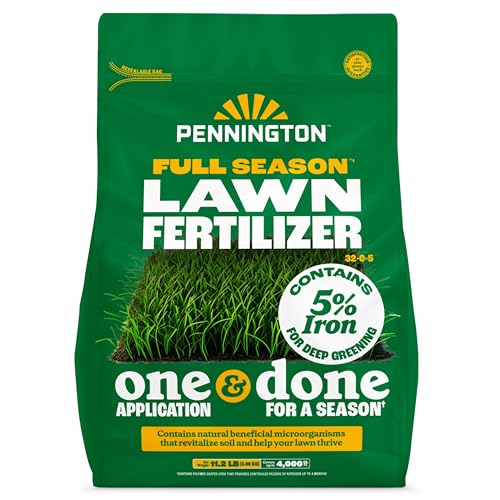
Pennington Full Season Lawn Fertilizer 4M 32-0-5

Purely Organic Products Lawn Food 10-0-2 15 LB
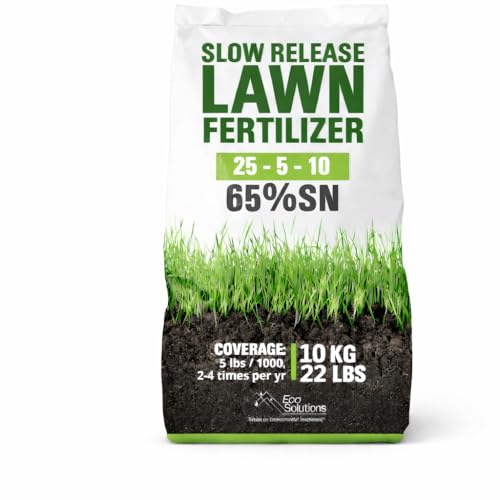
Slow Release Lawn Fertilizer 25-5-10 10kg 22lbs
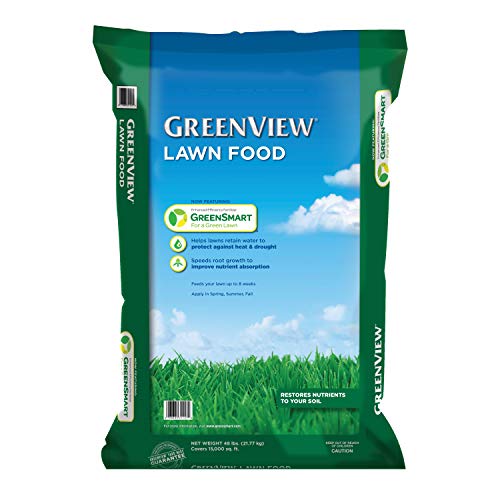
GreenView Lawn Food 48 lb. Bag
Fresh seed and new sod usually need a gentler, more targeted start, and this 12-18-8 blend is built around that job. The higher middle number means more phosphorus, which supports early root development, while the 1,500 square foot coverage keeps the bag sized for small to medium projects.
Compared with a broader feed like GreenView Lawn Food 48 lb. Bag, this one is narrower in purpose and easier to match to renovation work. The trade-off is obvious, it’s not the broad all-season answer, so established turf may not need this exact formula.
Strong Points
- Starter-style nutrient balance suits seeding and sodding jobs.
- The 1,500 square foot coverage is manageable for patch work.
- Helpful for lawns that need root-focused early support.
- Bag size stays practical for homeowners doing a limited area.
Things To Consider
- Its role is specific, so it’s less useful for routine feeding.
- Small projects can still leave leftover material to store.
Core Details
Who It Suits Best
You’ll get the most from this during spring seeding or fresh sod work on a small yard patch. It fits homeowners who want a straightforward starter blend without oversizing the bag.
A Better Fit Elsewhere
Pennington Full Season Lawn Fertilizer 4M 32-0-5 suits anyone who wants broader seasonal feeding rather than a starter-only formula.
Warm-season turf tends to be pickier than it looks, and this 15-0-15 formula speaks directly to that. The added iron is a useful touch for color, while the slow-release nitrogen helps avoid the boom-and-bust feel of a quick feed.
Against Jonathan Green Starter Fertilizer 12-18-8 1,500 Sq. Ft., this one is less about new growth and more about maintaining centipede, St. Augustine, and other warm-season lawns. The honest trade-off is focus, because that specialization is great for the right grass but not as flexible for mixed-yard situations.
What We Like
- Made for centipede and St. Augustine lawns.
- Slow-release nitrogen helps feeding stay steadier over time.
- Iron support can help lawns look fuller and greener.
- The 16 lb. bag is easy to handle and store.
Small Caveats
- Its grass-type focus makes it less flexible for general use.
- Warm-season timing still matters, so placement in spring should match your turf’s schedule.
Feature Snapshot
Built With In Mind
This fits homeowners with centipede or St. Augustine grass who want a more tailored spring feed. It also suits those who prefer a straightforward bag instead of a liquid mix.
Another Choice May Suit
GreenView Fairway Formula Lawn Fertilizer 33 lb. Bag works better for shoppers who want a longer feeding window and a more general lawn routine.
Liquid feed changes the pace entirely, and this 28-0-0 bottle is built for quick spring and summer touch-ups. The spray-on format helps you cover grass evenly without hauling a heavy spreader across the yard, which is handy in tight spaces or for problem spots.
Compared with Fertilome Centipede Lawn Fertilizer 15-0-15 16 lbs, this feels faster and more flexible, but also less controlled in the sense that liquids reward careful, even application. For most lawns, that trade-off makes sense only when you want speed more than long-haul simplicity.
Bright Spots
- Liquid format makes application quick and direct.
- High nitrogen content suits spring greening goals.
- Useful for spot treatment across uneven turf.
- Small bottle size is easy to store.
Areas To Watch
- Spray coverage depends on your application rhythm.
- Liquid use can feel less convenient than a broadcast bag for large lawns.
Details At A Glance
Who Should Grab It
You’re in the right lane with this one when you want fast spring color on a smaller lawn or on patchy sections. It also suits anyone who prefers liquid application over hauling granular product.
Where A Sibling Pick Shines
Jonathan Green Starter Fertilizer 12-18-8 1,500 Sq. Ft. is the smarter route for seeding or sod work that needs root support first.
This concentrate leans hard into coverage, and the 1-gallon size makes it attractive for larger yards that need repeated spring care. The blend includes nitrogen, iron, humic material, and sea kelp, so you’re getting a more layered formula than the simpler bags earlier in the list.
Relative to Petramax Liquid Nitrogen Fertilizer 28-0-0 32 Oz, this pick feels broader in purpose and easier to stretch across a big lawn. The trade-off is that a richer formula usually asks for more careful mixing and a little more attention at application time.
Upsides
- Concentrate format can cover a large lawn from one container.
- Iron and humic ingredients add more than basic nitrogen alone.
- Sea kelp gives the formula a more layered profile.
- Fits homeowners who prefer a liquid routine.
Worth Noting
- Liquid concentrates usually need careful mixing.
- The formula depth may be more than a simple spring touch-up needs.
Core Details
The Right Fit
This is a strong match for homeowners with large lawns who want liquid coverage and a more varied ingredient mix. It also suits spring routines where convenience and reach matter together.
Look Elsewhere When
GreenView Fairway Formula Lawn Fertilizer 33 lb. Bag is the cleaner fit for someone who wants a granular product with a longer feeding window and less mixing.
Some spring lawns need a longer, steadier feeding pattern rather than a quick burst, and that’s where this 30-0-12 bag fits nicely. The 12-week feeding span is the key point, because it means fewer reapplications for yards that don’t need constant attention.
Compared with PetraMax Neighbor’s Envy Grass Fertilizer 1 Gallon, this granular bag is simpler to apply and less about mixing, though it gives up the liquid flexibility. For homeowners who want routine feeding without fuss, that trade-off lands well.
Best Bits
- Slow-release nitrogen supports a steadier feeding cycle.
- 12-week duration reduces how often you need to repeat the job.
- Granular format is familiar for standard spreaders.
- 10,000 square foot coverage suits many suburban lawns.
Points To Note
- Granular spreaders need even walking speed for the best result.
- The formula is less flexible than a liquid concentrate for spot work.
Quick Facts
Whose Shelf It Belongs On
This belongs with homeowners who want a dependable granular routine and a broad coverage footprint. It’s a tidy fit for standard spring maintenance.
Skip It When
Purely Organic Products Lawn Food 10-0-2 15 LB suits the person who wants a simpler, smaller yard option and a lighter bag to handle.
Single-application convenience has real appeal in spring, especially for a busy yard schedule, and this Pennington bag is built around that kind of routine. The 4M slow-release note points to a long-feed approach, which means you’re buying time as much as nutrients.
Compared with GreenView Fairway Formula Lawn Fertilizer 33 lb. Bag, this one leans into a season-spanning setup rather than a shorter feeding window. The trade-off is that a long-release product rewards patience, so fast visual change is not the main reason to choose it.
Reasons To Buy
- Designed around one application per season.
- Slow-release format supports steadier lawn upkeep.
- 32-0-5 ratio brings strong nitrogen with added potassium.
- Good fit for homeowners who want fewer lawn chores.
Areas To Watch
- The long-release approach is less about quick visual changes.
- It suits a seasonal routine more than a spot fix.
At A Glance
Made For
You’re looking at a good fit for spring lawn care that needs to stay simple for most of the season. It suits homeowners who prefer fewer spreader passes and a steadier pace.
Swap It Out When
Petramax Liquid Nitrogen Fertilizer 28-0-0 32 Oz makes more sense for quick touch-ups and smaller lawn areas that need a faster response.
Sometimes the cleanest option is the least fussy one, and this 10-0-2 lawn food fits that idea well. The lighter nutrient profile keeps the focus on straightforward spring feeding, which suits smaller yards and homeowners who want a simple bag to spread.
Compared with Pennington Full Season Lawn Fertilizer 4M 32-0-5, this pick is less about season-long holding power and more about keeping the routine easy. The small 15 lb. bag also makes storage and handling easier, though it means you’ll outgrow it faster on a larger property.
Positives
- Simple NPK profile keeps the formula easy to understand.
- 15 lb. bag is light enough to carry without strain.
- Good fit for smaller lawns and basic spring feeding.
- Lower profile makes storage less awkward.
Softer Spots
- The smaller bag won’t stretch far on bigger lawns.
- It offers less complexity than some of the richer formulas here.
Spec Overview
The Right Fit
This works best for smaller lawns, modest spring refreshes, and anyone who wants a lighter bag to handle. It suits a low-drama lawn routine.
Reach For A Different Pick When
GreenView Lawn Food 48 lb. Bag is the better move for larger properties that need wider coverage and a heavier-duty feeding plan.
Long-feed granular products are often the quiet workhorses of spring lawn care, and this 25-5-10 bag fits that pattern. The 65% granular nitrogen note and the 110-day feeding window point to a product meant for extended turf maintenance rather than a quick cosmetic pass.
Compared with Purely Organic Products Lawn Food 10-0-2 15 LB, this one is clearly built for bigger jobs and longer intervals. The practical trade-off is weight, because a 22 lb. bag brings more coverage but also a little more effort moving it around.
Highlights
- Long feeding window supports fewer applications.
- Granular format suits standard lawn spreaders.
- 22 lb. bag gives you more material to work with.
- Useful for lawns that need steadier seasonal care.
Room For Improvement
- Heavier bag means a bit more handling effort.
- Extended feeding schedules work best with patience.
Feature Rundown
Best Suited To
This suits homeowners who want a long-release granular product for regular spring upkeep. It’s a strong fit for standard spreader use and larger lawns.
A Better Fit Elsewhere
Petramax Liquid Nitrogen Fertilizer 28-0-0 32 Oz is better for spot work, faster greening, and yards where a liquid routine feels easier.
Big-yard maintenance gets simpler when a bag covers a lot of ground, and this 48 lb. GreenView formula is built with that scale in mind. The 22-0-4 NPK mix and eight weeks of continuous feeding make it a solid match for spring refreshes that need both coverage and a predictable feeding window.
Relative to Slow Release Lawn Fertilizer 25-5-10 10kg 22lbs, this one gives you a larger footprint and a somewhat shorter feeding span, so the choice comes down to how often you want to revisit the lawn. For suburban yards with regular upkeep, that balance is easy to live with.
What We Like
- 15,000 square feet of coverage suits larger lawns.
- Eight weeks of feeding keeps the routine predictable.
- The 48 lb. bag reduces how often you’ll restock.
- Useful for homeowners who want broad spring maintenance.
Honest Caveats
- The larger bag takes more storage room.
- It’s less nimble for tiny patch jobs than a smaller product.
Feature Card
Who Will Love This
This is a good match for homeowners managing a medium to large lawn who want broad coverage and a steady spring feeding cycle. It suits routine care more than specialty use.
Another Choice May Suit
Jonathan Green Starter Fertilizer 12-18-8 1,500 Sq. Ft. is the better fit for seeding or sod work that needs a more targeted starter blend.
How To Choose The Right Fertilizers For Spring Lawn
Nitrogen, Phosphorus, And Potassium Need Different Jobs
NPK stands for nitrogen, phosphorus, and potassium, the three numbers on the bag. Nitrogen drives leafy green growth, phosphorus supports roots and establishment, and potassium helps the plant handle general stress and balance. For spring lawn work, the right mix depends on whether you are repairing bare spots, feeding an established yard, or trying to stretch time between applications.
Starter blends like Jonathan Green Starter Fertilizer 12-18-8 1,500 Sq. Ft. make sense for seed and sod. Broader products such as GreenView Lawn Food 48 lb. Bag or GreenView Fairway Formula Lawn Fertilizer 33 lb. Bag fit ongoing maintenance better. The honest read is that a grass renovation and a routine spring refresh are different jobs.
Liquid Versus Granular Changes Your Whole Routine
Liquid fertilizers spray on, which makes them handy for spot work and fast touch-ups. Granular fertilizers spread through a drop or broadcast spreader, which usually feels simpler for large lawns and more even weekly routines. That difference matters more than marketing language, because the format affects storage, mixing, cleanup, and how much time you spend outside.
Petramax Liquid Nitrogen Fertilizer 28-0-0 32 Oz and PetraMax Neighbor’s Envy Grass Fertilizer 1 Gallon suit people who want flexible application. Pennington Full Season Lawn Fertilizer 4M 32-0-5 and Slow Release Lawn Fertilizer 25-5-10 10kg 22lbs suit people who prefer to measure, spread, and move on. For most backyards, the easier method is the one you’ll actually repeat.
Coverage And Lawn Size Should Drive The Bag Size
Coverage claims tell you a lot about fit before you ever open the package. A 1,500 square foot bag works for a repair zone, while 15,000 or 16,000 square feet makes more sense for broad suburban lawns. Smaller bags are easier to store, but bigger bags cut down on restocking and make seasonal planning easier.
Purely Organic Products Lawn Food 10-0-2 15 LB fits compact yards or smaller maintenance rounds. GreenView Fairway Formula Lawn Fertilizer 33 lb. Bag, GreenView Lawn Food 48 lb. Bag, and the 1-gallon PetraMax concentrate are better for larger footprints. Match the product to the area first, and the rest gets easier.
Release Speed Changes How Often You Revisit The Lawn
Slow-release fertilizer sends nutrients out gradually instead of all at once. That matters because a longer feeding window can mean fewer applications, steadier color, and less risk of swinging from hungry grass to overfed grass. The trade-off is patience, since quick visual changes are not the main appeal.
GreenView Fairway Formula Lawn Fertilizer 33 lb. Bag, Pennington Full Season Lawn Fertilizer 4M 32-0-5, and Slow Release Lawn Fertilizer 25-5-10 10kg 22lbs fit that slower rhythm. Fertilome Centipede Lawn Fertilizer 15-0-15 16 lbs also leans that way, with a warm-season grass focus layered on top. For spring lawn care, that slower pace is often the calmer choice.
What To Weigh Before You Click
Mistakes Worth Dodging
A common slip-up is matching the wrong formula to the wrong grass type. Centipede and St. Augustine lawns want a different approach than a new seeding project, so the label matters more than the bag size. Another mistake is choosing coverage that sounds impressive but doesn’t match your yard, which can leave you with storage clutter and extra handling.
It also helps to keep liquid and granular formats separate in your head. Liquid products can be faster, but they ask for mixing or spraying discipline, while granules need even spreading. Those small handling details are usually where spring lawn plans either stay simple or become annoying.
The Upgrade Payoff
Higher-tier formulas often cost more because they do more than deliver a single nutrient punch. You’ll see longer release windows, added iron, humic material, sea kelp, or grass-specific balance, and those extras can make a difference on larger or more demanding lawns. The useful part is not the label count, it’s the way the product fits a real maintenance routine.
That extra spend makes sense when your lawn is large, your grass type is picky, or you want fewer applications through the season. It matters less for tiny patch jobs or very basic spring refreshes. In that case, a simpler bag can be the cleaner move.
Frequently Asked Questions
What makes a spring lawn fertilizer different from a summer one?
Spring formulas usually focus on recovery, green-up, or establishment, depending on the lawn’s condition. Summer products often lean harder into holding power and steady maintenance.
Should you choose liquid or granular for spring feeding?
Liquid works well for quick applications and spot treatment. Granular usually makes more sense for larger lawns and less frequent feeding.
Do starter fertilizers only belong on new grass?
Starter blends shine during seeding and sod work because the nutrient balance supports early growth. Established lawns usually benefit more from a broader maintenance formula.
How do coverage numbers help you choose?
Coverage tells you whether the package fits your yard size or just a small section. It also helps you avoid overbuying a bag that’s too large for your actual space.
Why do slow-release formulas matter?
Slow-release products feed the lawn more gradually, which can make spring maintenance feel more even. They also reduce how often you need to revisit the job.
Closing Thoughts
Spring lawn feeding works best when you match the formula to the yard in front of you, not the slogan on the bag. A starter blend helps new grass settle, a warm-season formula keeps centipede and St. Augustine on track, and a long-release granular pick can make regular upkeep easier. Your best choice is the one that fits your grass type, your yard size, and the amount of time you want to spend outside. That’s the simplest way to keep spring lawn care sane.
