

A patchy lawn can feel like a small problem until you keep mowing around it. You need a fertilizer that matches the job, whether that means helping new seed settle in, pushing color on an established yard, or handling weeds at the same time. The right pick saves you from guessing and gives your grass a clearer path to thicker, greener growth.
Quick Look At The Shortlist

Jonathan Green (16006) Veri-Green Starter Fertilizer 12-18-8

Jonathan Green (16004) Veri-Green Lawn Food 29-0-3

Jonathan Green (16002) Veri-Green Weed and Feed Lawn Fertilizer 21-0-3

Jonathan Green (11988) Green-Up Lawn Food 29-0-3

Jonathan Green (11540) Green-Up Lawn Food 12-18-8
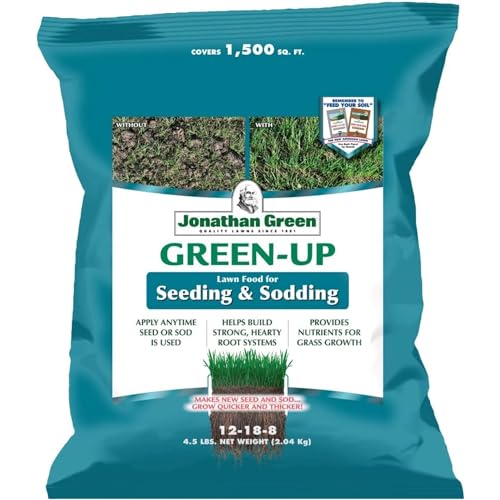
Jonathan Green (11540) Green-Up Lawn Food 12-18-8

The Andersons Professional PGF 16-0-8 Fertilizer with Humic DG (18lb)

PetraMax Neighbor’s Envy Grass Fertilizer 7-in-1 Liquid Lawn Fert
More Details On Our Top Picks
Starter formulas live or die by root support, and this Jonathan Green mix leans hard into that job with its 12-18-8 analysis. The middle number is phosphorus, the nutrient most tied to early root development, so it fits new seed, fresh sod, and overseeded areas where a young lawn needs help settling in.
It covers 1,500 square feet, which makes it a sensible fit for smaller renovation jobs instead of full-yard feeding. The trade-off is simple, you are choosing a starter blend rather than a fast color push, so established turf that already has roots may need a different style of fertilizer.
Strong Points
- Phosphorus-heavy blend suits new grass.
- 1,500 square feet matches patch jobs and small installs.
- Good fit for seed and sod timing.
- Useful for homeowners filling bare spots.
Things To Consider
- Not built for a quick dark-green look.
- Smaller coverage means large yards need more than one bag.
- Starter feeds are best used for new turf, not routine upkeep.
Feature Snapshot
Who It Suits Best
Homeowners reseeding a small lawn or laying a fresh strip of sod will get the most from this blend.
A Better Fit Elsewhere
Jonathan Green (16004) Veri-Green Lawn Food 29-0-3 suits you better for established turf that needs a stronger green-up push.
This one is aimed at color, not renovation. The 29-0-3 analysis is very nitrogen-forward, and the added iron gives the lawn a deeper green look that shows up nicely on established turf, especially in spring and early summer.
Because it comes in a 5,000 square foot size, it suits a typical suburban yard better than the starter bag above. The honest read is that you are trading root-building emphasis for a faster visual result, so it makes more sense once the lawn is already established and filling in well.
What We Like
- High nitrogen supports visible green-up.
- Iron adds depth to turf color.
- 5,000 square feet covers a useful home lawn span.
- Can help a tired yard look more even.
Worth Noting
- Not meant for seeding day or new sod.
- The strong color push can feel too aggressive for lawns that already run dark.
- Coverage size is better for medium yards than tiny patches.
Details At A Glance
Who Should Grab It
You get the most from this pick on an established lawn that needs a noticeable color lift.
Skip It When
Jonathan Green (16006) Veri-Green Starter Fertilizer 12-18-8 is the smarter choice for newly seeded ground.
Yards with both thin color and broadleaf weeds often need a single pass product, and this Jonathan Green blend is built around that reality. Its 21-0-3 analysis feeds the lawn while the weed-control side targets more than 250 broadleaf weeds, so it saves you from juggling two separate products on an already busy weekend.
The up-to-3-month feeding window also matters for maintenance planning, since it stretches the gap between applications. One practical catch sits right in the directions, it should not be used at the same time as seeding a new lawn, so renovation projects need a different option from this list.
Highlights
- Feeds and treats weeds in one step.
- Longer feeding window reduces repeat work.
- Useful for lawns with dandelions, clover, and similar broadleaf problems.
- Good match for routine repair on established grass.
Small Caveats
- Not suitable for new seeding jobs.
- Weed-control products call for careful timing around weather and mowing.
- Less appealing for lawns that do not need weed cleanup.
Core Details
Whose Shelf It Belongs On
Homeowners with established turf and obvious broadleaf weeds will get the clearest benefit here.
Another Choice May Suit
Jonathan Green (11988) Green-Up Lawn Food 29-0-3 is the cleaner fit when you only want color support and no weed control.
Some lawns only need a direct color boost, and this Green-Up formula keeps the focus narrow. The 29-0-3 analysis signals a nitrogen-heavy feed, so it suits regular lawn care where the main goal is greener turf rather than new-root development.
Its 5,000 square foot coverage lands in a comfortable middle ground for many homes, which makes storage and application feel straightforward. Compared with the weed-and-feed option above, you are getting a simpler formula with fewer moving parts, which many homeowners prefer for routine seasonal feeding.
Positives
- Simple feed for routine turf care.
- Strong nitrogen focus supports greener color.
- Good fit for typical yard sizes.
- Less complex than weed-and-feed blends.
Areas To Watch
- No starter-style phosphorus boost.
- Does not address weeds, so separate treatment may still be needed.
At A Glance
Best Suited To
You fit this pick well when your lawn is established and you just want a cleaner green look.
Look Elsewhere When
The Andersons Professional PGF 16-0-8 Fertilizer with Humic DG makes more sense for you when humic input matters in a more specialized lawn-care routine.
This starter version tracks closely with the first Jonathan Green seeding formula, and the fit is just as clear. The 12-18-8 analysis puts emphasis on phosphorus, which matters most while new grass is trying to build a root system and hold moisture in the soil.
For a small reseeding job or a fresh sod strip, that focus makes sense. The trade-off is the same one you saw in pick 1, it is not the right tool for a mature lawn that mainly needs color, so this stays in the renovation lane.
Bright Spots
- Built for seeding and sodding.
- Phosphorus-rich mix supports early root formation.
- Small coverage suits patchy or new areas.
- Useful for overseeding around thin spots.
Minor Gripes
- Not aimed at established turf color-up.
- Smaller bag means bigger yards need more product.
Quick Facts
Made For
You get the best fit here for seed-starting work, especially around freshly disturbed soil.
Where A Sibling Pick Shines
Jonathan Green (16004) Veri-Green Lawn Food 29-0-3 suits you better for an older lawn that just needs stronger color.
Same nutrient profile, same 1,500 square foot coverage, different ASIN, so this listing is mainly about availability and listing format rather than a different lawn-care job. That matters more than it sounds, since shoppers often compare duplicate-style listings when trying to match the exact item they already know.
The formula still suits seeding, overseeding, and sod placement, with humates included to help nutrient movement in the soil. One thing worth considering is that this is still a starter feed, so established grass looking dull in midsummer may need a greener, nitrogen-forward option instead.
Best Bits
- Matches seeding and sodding use.
- Humates add soil-support value.
- Root-building profile suits new turf.
- Handy for overseeding touch-ups.
Points To Note
- Not a color-first formula.
- Same small coverage as the other starter bag.
- Starter feeding works best at planting time.
Feature Rundown
Built With In Mind
You fit this pick well for renovation work where root establishment matters most.
Swap It Out When
Jonathan Green (11988) Green-Up Lawn Food 29-0-3 is the better match once your lawn is established and color becomes the main goal.
This pick shifts from Jonathan Green’s straightforward lawn food to a more specialized mix. The 16-0-8 analysis keeps the nitrogen and potassium focus broad enough for general lawn care, while Humic DG points to humic acid in a dry granular format, a combo many careful lawn managers like for soil-support work.
The 18-pound size makes it feel more substantial than the smaller starter bags, and that suits homeowners managing a larger routine schedule. The trade-off is that a more layered formula can feel less simple than the Jonathan Green color-first options, so it appeals most to someone who likes a more technical approach.
Reasons To Buy
- Humic DG adds a soil-oriented dimension.
- 16-0-8 supports steady lawn feeding.
- Granular format suits standard spreader use.
- Good fit for ongoing turf maintenance.
Room For Improvement
- No starter-style phosphorus for new grass.
- More specialized formula may feel like extra complexity for casual lawn care.
- Granular products call for even spreading to avoid patchy coverage.
Technical Sheet
Right Fit For
You suit this pick best when you want a more technical granular feed for established grass.
Another Choice May Suit
Jonathan Green (16004) Veri-Green Lawn Food 29-0-3 is simpler and more color-focused for homeowners who want a straightforward green-up.
Liquid fertilizers change the pace of lawn care, and this PetraMax concentrate is built for that style. The 1-gallon container covers up to 16,000 square feet, so the value equation shifts toward large-area work, and the 7-in-1 setup bundles nitrogen, iron, humic, and sea kelp into one application path.
That mix makes it feel more layered than the dry granules above, which can be appealing when you want broad feeding coverage without a spreader. The trade-off is that liquid mixing asks for a little more attention, so it suits homeowners who are comfortable with sprayers and measuring rather than those who want the simplest possible bag-and-spread routine.
Upsides
- Large coverage suits bigger lawns.
- Liquid format can spread quickly over broad areas.
- Includes multiple lawn-support ingredients in one concentrate.
- Good option for turf that needs a fuller feeding mix.
Honest Caveats
- Liquid mixing takes more setup than granular use.
- Sprayer owners will get more out of it than hand-only users.
- Concentrates need careful measuring to keep coverage even.
Feature Card
The Right Fit
You suit this pick best when you manage a large yard and already own a sprayer.
Where Another Pick Suits Better
Jonathan Green (11988) Green-Up Lawn Food 29-0-3 is easier to handle for shoppers who want a plain granular routine.
How To Choose The Right Fertilizers To Green Up Lawn
Match The Formula To The Job
Green-up fertilizers are not interchangeable, even when the packaging looks similar. A starter blend such as 12-18-8 puts more weight on phosphorus, which supports root development for seed and sod, while a 29-0-3 formula leans toward nitrogen and faster visible color.
That difference matters in real yards. New turf needs root support first, established turf usually needs color and steady feeding, and weed-and-feed products only make sense once the lawn is already in place. The wrong nutrient mix can leave you with either too much top growth or not enough help where the lawn actually needs it.
Think About Coverage And Application Style
Coverage tells you how much of the lawn one container can handle, and that shapes both convenience and storage. A 1,500 square foot bag works well for patch repairs or small reseeding jobs, while 5,000 square feet is a more natural fit for a normal home lawn, and a liquid concentrate can stretch farther for large areas.
Application style matters just as much. Granular fertilizer usually suits a spreader and a slower, more predictable routine, while liquid concentrate asks for sprayers, mixing, and a little more attention to even coverage. Homeowners who like simple yard work often prefer granules, while more hands-on lawn caretakers may appreciate the flexibility of liquid formulas.
Decide Whether You Need Extra Functions
Some lawn foods are plain feeders, and that simplicity can be a good thing. Others add weed control, humic ingredients, or iron, and those extras only help when they match the job in front of you.
A weed-and-feed product can save a step on lawns with broadleaf weeds, but it is a poor match for new seeding. Humic ingredients are often chosen for soil-support value, while iron is commonly used for a deeper green look on established grass. The cleaner your lawn goal, the easier it is to choose a formula that does one job well instead of three jobs only partly.
Watch The Timing, Not Just The Label
The best-looking lawn plan still falls apart when the timing is off. Starter fertilizer belongs at seeding or sod installation, while color-first lawn food fits routine feeding later in the season.
That timing becomes even more important with weed-and-feed products, because they are not meant to overlap with seeding work. Think in seasons, not just bags, and you will avoid the most common mismatch: trying to green up a lawn that actually needs root building, or trying to seed grass with a product meant for mature turf.
A Quick Reality Check Before You Choose
Hidden Buying Traps
Many shoppers grab the bag with the boldest numbers and skip the use case. That usually leads to a starter mix on an established lawn, or a weed-and-feed formula on a newly seeded patch, both of which miss the real task.
Another easy mistake is ignoring coverage. A small bag can be fine for touch-ups, but it becomes awkward on a larger yard, while a concentrate can sound efficient until you realize you need the right sprayer and a careful measuring routine.
The Upgrade Payoff
Higher-tier lawn fertilizers often cost more because they do more than feed. Extra ingredients such as humic support, iron, or multi-part liquid blends add manufacturing steps and usually suit homeowners who want more control over soil condition or turf color.
That upgrade makes sense when your lawn is large, your soil needs more attention, or you already keep a careful maintenance schedule. For a small yard with simple goals, a basic granular feed is usually easier to live with.
Frequently Asked Questions
What does a 29-0-3 fertilizer do for grass?
It puts most of its emphasis on nitrogen, which supports greener color and steady top growth. That makes it a strong match for established lawns that need a visual lift.
Can you use starter fertilizer on an existing lawn?
You can, but it usually makes less sense than using it on seed or sod. Starter formulas are built around root support, so they shine during renovation work.
Why do some lawn foods include iron?
Iron is often used to deepen grass color without changing the nutrient balance as much as nitrogen does. It helps a lawn look richer and fuller when the turf is already growing well.
Is weed-and-feed a good choice for new grass?
No, that category is meant for established lawns, not fresh seed. A starter fertilizer is the safer fit for seeding or sodding work.
Is liquid fertilizer harder to use than granular fertilizer?
Liquid fertilizer usually asks for more measuring and a sprayer, so the setup takes a little more care. Granular products are simpler for many routine yard jobs.
Final Thoughts
The best fertilizer for your lawn depends less on the label hype and more on the job in front of you. Starter blends help new grass settle in, nitrogen-heavy formulas bring color to established turf, and weed-and-feed products make sense only when you already have grass in place. Once you match the formula to the season and the size of your yard, the choice gets much easier. Keep the goal simple, and your lawn will usually follow.
