

South Florida turf asks for more than a generic green-up bag. Heat, humidity, sandy soil, and grass types like St. Augustine, zoysia, centipede, and bermudagrass all change what a lawn feed can do well.
This roundup helps you sort out weed-and-feed blends, slow-release granules, liquid boosters, and lighter maintenance formulas without guessing at label jargon. You get a clearer path to a healthier yard, whether you’re pushing for steadier color or trying to clean up broadleaf weeds along the way.
Quick Look At The Shortlist

Jonathan Green Veri-Green Southern Weed and Feed 30-0-3

Fertilome St. Augustine Weed & Feed 15-0-4

Fertilome Centipede Lawn Fertilizer 15-0-15

Fertilome Classic Lawn Food 16-0-8 Slow Release

PetraMax Neighbor’s Envy Grass Fertilizer 1 Gallon

Scotts Turf Builder Healthy Plus Lawn Food 13.70 lbs.

Scotts Liquid Green Max Lawn Food 32 oz.
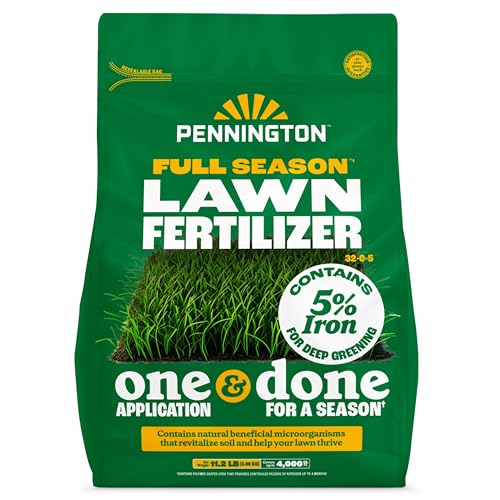
Pennington Full Season Lawn Fertilizer 4M 32-0-5 RF

Purely Organic Products Lawn Food 10-0-2 15 LB
More Details On Our Top Picks
This one fits the South Florida lawn that needs feeding and weed cleanup in the same pass. The 30-0-3 blend leans hard into nitrogen, so you get a strong green-up push, while the weed-control side targets more than forty broadleaf invaders that love warm, wet yards.
That combination makes sense for established St. Augustine, bermudagrass, zoysia, or centipede lawns that can handle a directed seasonal treatment. The trade-off is straightforward, you need to follow label directions closely, because a weed-and-feed style product is less flexible than a plain fertilizer.
Strong Points
- Feeds with a high-nitrogen 30-0-3 ratio for stronger color.
- Targets broadleaf weeds that often spread in Southern yards.
- Works with several warm-season grass types, which simplifies shopping.
- Useful for spring or fall cleanup around actively growing weeds.
Things To Consider
- Weed-and-feed formulas reward careful timing and even spreading.
- Not the most flexible choice for lawns that need only feeding.
Core Details
Who It Suits Best
You get the most from this pick when your yard has warm-season grass and visible broadleaf weeds that need a seasonal reset.
A Better Fit Elsewhere
Fertilome St. Augustine Weed & Feed 15-0-4 suits a lawn that needs a gentler nitrogen profile and pre-emergent style support.
South Florida yards with St. Augustine often need a narrower, grass-specific formula, and this one is built around that idea. Its 15-0-4 analysis keeps the feeding side moderate while the weed-control approach handles both pre-emergent and post-emergent roles.
That makes it a sensible fit for early-spring lawn work, especially on lawns where Bermuda should stay off the ingredient list. The honest read is that it’s more targeted than Jonathan Green’s broader weed-and-feed approach, which helps in the right lawn and narrows the margin for misuse.
What We Like
- Designed for St. Augustine, centipede, and zoysia lawns.
- Combines feeding with weed control in one application.
- Pre-emergent coverage helps slow the next weed wave.
- Moderate fertilizer ratio suits routine lawn maintenance.
Points To Note
- It should stay away from Bermuda grass and other Northern grasses.
- Best timing matters, so early-season use makes the most sense.
- More targeted than a general-purpose lawn feed.
Feature Snapshot
Built With In Mind
You’re the best match for this one when your yard is St. Augustine or a similar warm-season turf that needs weed control plus feeding.
Swap It Out When
Jonathan Green Veri-Green Southern Weed and Feed 30-0-3 is the better fit for a yard that needs stronger nitrogen and broader weed cleanup.
Centipede lawns in humid climates tend to want a calmer feeding profile, and this formula leans in that direction. The 15-0-15 ratio keeps nitrogen and potassium even, while the added iron supports a deeper green look without turning the lawn into a high-stress project.
Compared with the weed-and-feed products above, this one is more about feeding than cleanup. That makes it a cleaner match for established turf where you want color and steady growth, not a bundled herbicide job.
Highlights
- Even nitrogen and potassium balance gives the turf a steadier feed.
- High iron content helps color where pale grass is the complaint.
- Fits centipede lawns especially well.
- Also works on St. Augustine and other warm-season grass types.
Areas To Watch
- It does not include weed control, so separate weed care may still be needed.
- The iron-rich approach can be more than you need for already dark lawns.
Details At A Glance
Whose Shelf It Belongs On
You’ll appreciate this most when your centipede lawn needs a simple feeding plan with some color support built in.
Look Elsewhere When
Fertilome Classic Lawn Food 16-0-8 Slow Release is better for a homeowner who wants a slower feeding cycle and broader seasonal coverage.
This bag is for the person who wants lawn feeding to feel less fussy. The slow-release nitrogen, which means the nutrients are set up to feed more gradually, is a good fit for South Florida turf that needs steadier color instead of quick spikes.
Compared with the stronger weed-and-feed picks, it gives up weed control in exchange for a cleaner feed-only routine. The 32-pound bag also covers a sizable area, so it’s practical for larger yards that want fewer applications across the season.
Reasons To Buy
- Slow-release nitrogen supports a longer feeding window.
- Works across both southern and cool-season grasses.
- Large coverage area suits bigger lawns.
- One application can carry a yard for a couple of months.
Small Caveats
- It does not address weeds, so it’s a feed-only choice.
- The larger bag takes more storage space in a garage or shed.
Technical Sheet
Right Fit For
You’re the right match for this bag when you want a straightforward feed for a larger South Florida yard and don’t need weed control bundled in.
Where A Sibling Pick Shines
Jonathan Green Veri-Green Southern Weed and Feed 30-0-3 is the stronger choice when the lawn also needs broadleaf weed cleanup.
Liquid lawn food changes the routine, and this one leans hard into that convenience. It packs nitrogen, iron, humic components, and sea kelp into a concentrate that covers a large area, which suits you well when you’d rather mix and spray than spread granules.
That broader ingredient list can be attractive for yards that need a more layered feeding approach, though it does ask for careful measuring and consistent mixing. Compared with the dry bags above, it’s a smoother fit for faster application days and touch-up work around uneven spots.
Best Bits
- Liquid format makes application feel quick and flexible.
- Multiple ingredients give you a more layered feeding profile.
- Covers a large area from a single gallon.
- Helpful for spot work across stressed sections of turf.
Room For Improvement
- Mixing and measuring matter more here than with granules.
- Liquid feeding can feel less tidy to store than a bag.
Quick Facts
Who Will Love This
You’ll like this most when you prefer liquid lawn care and want a more involved feed for a big yard.
Reach For A Different Pick When
Fertilome Classic Lawn Food 16-0-8 Slow Release is easier to live with for someone who wants a dry, low-drama feeding routine.
This is the kind of formula that makes sense for a yard where feeding is only part of the job. Because it combines fertilizer with a fungicide, it suits lawns that need a more layered care routine, especially in humid conditions that can stress turf and invite trouble.
The coverage is smaller than several dry options in this list, so it feels more focused than sprawling. That trade-off works well for established lawns under 4,000 square feet, where you want maintenance in a tighter zone rather than a broad seasonal reset.
Upsides
- Combines feeding with lawn-care support in one product.
- Smaller coverage can be useful for compact yards.
- Granular format still fits a standard spreader routine.
Honest Caveats
- Coverage is more limited than the larger bags in this roundup.
- The extra-purpose format may feel like too much for a lawn that only needs food.
Feature Card
Made For
You’re the right match for this one when your yard is compact and you want feeding bundled with extra lawn care support.
Another Choice May Suit
Pennington Full Season Lawn Fertilizer 4M 32-0-5 RF is a cleaner fit for someone who wants a longer feeding cycle without the extra-care angle.
This bottle is built for speed and simplicity, especially for touch-up work on an otherwise healthy lawn. The fertilizer plus iron pairing is a classic quick-color approach, and it works on any grass type, which takes some guesswork out of matching it to your yard.
Compared with the larger liquid concentrate above, this is the lighter, more compact option. The small bottle is handy for patchy areas or a front yard that needs a visible refresh, though repeated applications can make the routine feel more hands-on.
Bright Spots
- Liquid format mixes easily into a simple lawn routine.
- Iron support is useful when grass color looks tired.
- Works across any grass type.
- Small bottle stores neatly in a utility shelf or garage bin.
Minor Gripes
- Smaller size means it suits touch-ups more than broad seasonal feeding.
- Liquid application can feel more frequent than a slow-release bag.
Feature Rundown
Perfect Match For
You’re the right fit for this bottle when you want a small, easy-to-store liquid for quick color support on almost any lawn.
Consider Something Else When
PetraMax Neighbor’s Envy Grass Fertilizer 1 Gallon is the better pick for a larger yard that needs more product per application.
Pennington takes the long-view approach here, and that’s useful in South Florida where you don’t always want to keep reapplying food. The 32-0-5 analysis and 4M slow-release format point to steady feeding, while the label’s one-application-per-season idea suits a low-maintenance schedule.
Compared with the faster-acting liquid picks, this bag asks less day-to-day attention once it’s down. That makes it a good fit for homeowners who want a calmer routine and a lawn that keeps getting fed without frequent follow-up.
Best Bits
- Slow-release design stretches feeding across the season.
- High nitrogen content supports strong green-up.
- One seasonal application keeps the routine simple.
- Useful for people who prefer fewer product passes.
Worth Noting
- It’s more about steady feeding than fast visual change.
- Large slow-release formulas can feel less immediate than liquid options.
Spec Overview
The Right Fit
You’ll like this most when you want a seasonal fertilizer that stays out of your way after application.
Where Shoppers Go Wrong
Scotts Liquid Green Max Lawn Food 32 oz. makes more sense for someone who wants a small liquid bottle for quick touch-up color.
This is the quieter pick in the group, and that’s not a bad thing. The 10-0-2 ratio keeps the formula on the lighter side, so it fits a lawn that needs basic feeding more than a heavy correction or a complicated seasonal plan.
It covers 3,000 square feet, which makes it more suitable for smaller yards or touch-up feeding around specific areas. Compared with Pennington’s season-long bag, this one feels simpler and less committed, which can suit a property that only needs modest support.
Positives
- Lightfeeding profile works well for routine maintenance.
- Smaller coverage can fit compact yards neatly.
- Simple lawn food format keeps the application straightforward.
Softer Spots
- It covers less ground than the larger bags here.
- Lighter feeding may feel too gentle for turf that needs a stronger push.
Core Details
Built For
You’re the best match for this bag when your lawn is small and you want an uncomplicated food-only routine.
Skip It When
Jonathan Green Veri-Green Southern Weed and Feed 30-0-3 is the better fit for a yard that also needs weed control and a stronger nitrogen push.
How To Choose The Right Fertilizers For South Florida Lawns
Match The Grass Before You Match The Bag
South Florida lawns usually live or die by grass compatibility. St. Augustine, centipede, zoysia, and bermudagrass all respond differently, so a formula built for warm-season turf is the safer starting point than a generic green-up bag.
Weed-and-feed products make sense only when the grass type is listed as suitable and the timing lines up with active weed growth. A plain fertilizer is more forgiving for steady maintenance, while a targeted herbicide blend asks for cleaner scheduling and closer label reading.
Decide Between Fast Color And Slower Feeding
High-nitrogen formulas push color quickly, which helps a tired lawn look recovered sooner. Slow-release nitrogen, meaning the nutrients are released over time rather than all at once, tends to suit homeowners who want less frequent reapplication.
Liquid products feel quicker to apply and easier to use for spot work, while granular bags usually bring more even coverage across a yard. The trade-off is simple: liquids give you speed, granules often give you staying power.
Weed Control Helps, But Only In The Right Yard
South Florida weed pressure can be intense, so bundled weed control has real appeal. Broadleaf weeds are the main target in many of these formulas, and some products also include pre-emergent support that helps prevent new weeds from taking hold.
That extra help comes with tighter limits. A weed-and-feed blend is a smart move for lawns with visible weed pressure, but a feed-only formula is easier to use for routine care and less likely to feel overbuilt for a healthy lawn.
Think About Coverage, Storage, And Routine
Coverage matters more than many shoppers expect. A larger bag or gallon can suit a full yard, while a smaller bottle or compact package is easier to store in a garage and better for touch-up jobs.
Your routine matters too. A one-application-per-season style product works well for busy schedules, while smaller liquid bottles may fit homeowners who like hands-on upkeep every few weeks.
Things Worth Knowing First
Common Shopping Slip Ups
A lot of people grab the wrong lawn feed by focusing on nutrient numbers alone. In South Florida, grass type matters just as much as the ratio on the front of the bag, and Bermuda versus St. Augustine can change the whole fit.
Another common miss is treating weed-and-feed as universal. These blends can help, but only when timing, weed type, and turf type all line up.
What The Higher Tier Buys
Higher-priced formulas usually carry more targeted ingredients, slower release systems, or a second function such as weed control or fungicide support. That added complexity often means more careful design and a tighter fit for specific lawn needs.
The upgrade makes sense when you want fewer applications, more precise grass compatibility, or a formula that does more than basic feeding. A simpler bag can still work fine, though, especially for a yard that only needs routine care.
Frequently Asked Questions
Can You Use A Weed And Feed On St. Augustine Grass?
Yes, some formulas are made for St. Augustine and list that turf type clearly. The key is checking the label for compatibility before spreading anything.
Is Slow-Release Fertilizer Better For South Florida Lawns?
Slow-release feeding often suits warm climates because it spaces nutrients out over time. That can feel steadier than a quick-release product for routine lawn care.
Do Liquid Fertilizers Work Well In Hot Weather?
Liquid lawn food can be useful for quick touch-ups and uneven areas. It still needs careful mixing and even application, especially in humid conditions.
What Does A High Nitrogen Number Mean?
A higher first number in the fertilizer ratio means more nitrogen, which is the nutrient most tied to green growth. That can help a lawn look fuller, though it is not the only thing that matters.
Should You Choose Weed Control Or Plain Lawn Food?
Choose weed control when the yard has visible broadleaf weeds and the grass type matches the label. Choose plain lawn food when the grass already looks healthy and you only want feeding support.
Closing Thoughts
South Florida lawns need the right match between grass type, feeding style, and season, so the best choice is usually the one that fits your yard’s actual condition rather than the boldest label. Jonathan Green and the ferti-lome blends handle weed pressure well, while Pennington, PetraMax, Scotts, and Purely Organic Products give you cleaner options for slower feeding, liquid application, or lighter maintenance. Focus on compatibility first, then coverage, then how much routine you want to take on. That order keeps the decision simple and saves a lot of second-guessing later.
