

Fall feeding is where a lawn either settles in for winter or limps into it. The right mix can support roots, color, and recovery after summer wear, but the wrong formula can waste money or push growth at the wrong pace.
You’ll find granular bags, liquid sprays, slow-release blends, and smaller lawn-care formulas here, so you can match the pick to your yard size and your routine. Some are better for larger spaces, some suit quick coverage, and some make more sense for warm-season turf that needs a gentler seasonal nudge.
The Shortlist At A Glance

Fertilome Centipede Lawn Fertilizer 15-0-15 16 lbs
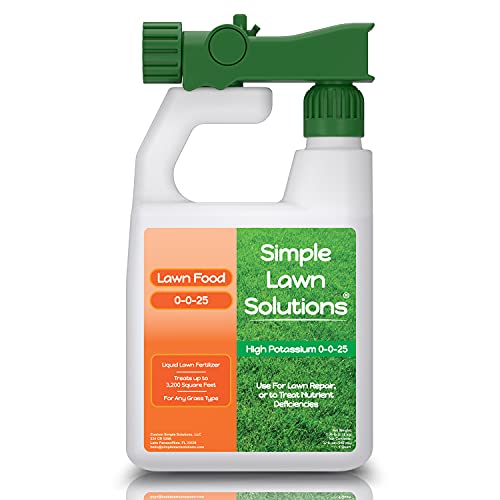
Simple Lawn Solutions High Potassium Lawn Food Liquid Fertilizer 0-0-25 32 Ounce

GreenView Fall Lawn Food 16 lb Bag

PetraMax Neighbor’s Envy Grass Fertilizer 1 Gallon
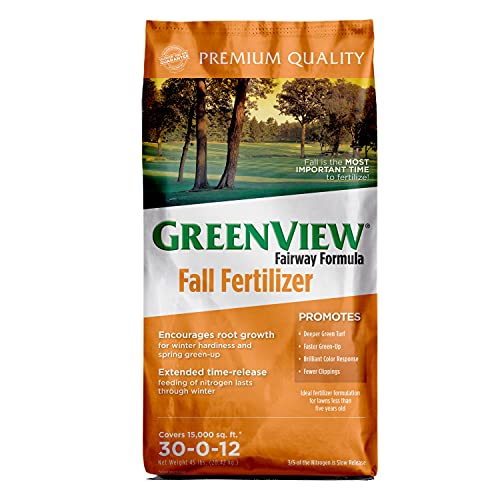
GreenView Fairway Formula Fall Lawn Fertilizer 45 lb Bag
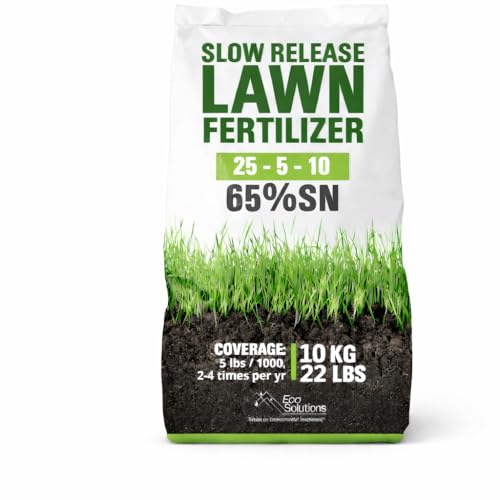
Slow Release Lawn Fertilizer 25-5-10 NPK 10kg 22lbs Bag

GreenView Lawn Food 16 lb Bag

O.M. Scott & Sons Natural Grass Food 12.72 lbs

The Andersons Premium Fall Lawn Food 24-0-14 Fertilizer 5,000 sq ft Bag
More Details On Our Top Picks
Centipede and other warm-season lawns usually want a calmer fall feeding plan, and this 15-0-15 formula fits that brief neatly. The added iron matters because it can support greener color without pushing the sort of heavy growth that creates extra mowing chores.
The 16-pound bag makes sense for a typical suburban yard, though coverage still depends on your spreader settings and turf density. For a lawn that needs seasonal color support rather than a dramatic overhaul, this feels steady and practical.
Strong Points
- 15-0-15 keeps nitrogen and potassium in a more balanced fall profile.
- Iron adds a useful color-support angle for warm-season turf.
- Slow-release nitrogen helps feeding feel less abrupt between applications.
- The bag format is easy to store in a dry shed or garage.
Small Caveats
- It’s tailored more tightly to centipede and similar warm-season grass types.
- Granular spreading takes a little more setup than a hose-end liquid.
Feature Snapshot
Who It Suits Best
You’ll like this most for a centipede lawn or another warm-season yard that needs a measured fall feeding.
A Better Fit Elsewhere
GreenView Fairway Formula Fall Lawn Fertilizer suits larger lawns better, especially when you want a broader coverage bag.
Liquid feeding changes the rhythm completely, and this potassium-heavy concentrate is built for that faster style. The 0-0-25 ratio means no nitrogen or phosphorus in the mix, so you’re really using it for potassium support rather than a general growth push.
That setup works well for busy yards where a hose-end or sprayer routine is easier than hauling a granule spreader. The trade-off is simple, you’ll need a bit more attention to dilution and coverage, especially on uneven lawns or tight edges.
Highlights
- Liquid format makes spot coverage and quick coverage easier.
- High potassium content suits fall hardiness support.
- The concentrate size is convenient for storage between uses.
- Works across any grass type listed by the brand.
Worth Noting
- Liquid application usually asks for more mixing discipline than granules.
- It’s narrower in purpose than fuller fall formulas like GreenView Fall Lawn Food.
Core Details
Who Will Love This
Yards that need a fast liquid pass, or spaces where dragging a spreader feels like overkill, fit this best.
Another Choice May Suit
Fertilome Centipede Lawn Fertilizer 15-0-15 makes more sense for centipede turf that wants a granular, warm-season focused feed.
This GreenView bag sits in a useful middle ground, since it combines a fall-friendly nutrient profile with a cover area that suits a standard suburban lawn. The 22-0-10 blend and eight-week feeding window give it a more all-purpose feel than the centipede-specific Fertilome.
You may appreciate that balance most in a yard that still needs active recovery after summer stress. It’s granular, so storage is straightforward, though you’ll want a dry place to keep the bag from clumping over time.
Positives
- 22-0-10 gives a fall-centered mix with a stronger potassium position.
- The eight-week feeding claim lowers the need for constant reapplication.
- Five-thousand-square-foot coverage suits many average lawns.
- Granular form pairs well with standard spreaders.
- Good choice for lawns that need root support before colder weather.
Things To Consider
- Big yards may need more than one bag.
- Granular storage works best in a dry spot.
Technical Sheet
Made For
You’ll get the most from this on a medium-sized yard that wants a straightforward fall feeding routine.
Swap It Out When
Simple Lawn Solutions High Potassium Lawn Food Liquid Fertilizer 0-0-25 makes more sense for a quick spray approach and lighter storage needs.
PetraMax leans into the liquid category harder than the previous picks, mixing nitrogen, iron, humic ingredients, and sea kelp in one concentrate. For a lawn that needs a richer cosmetic boost, that blend can feel more complete than a simple potassium-only spray.
The one-gallon size and claimed coverage up to 16,000 square feet make it attractive for larger properties, though the real pacing still depends on your sprayer and mixing habits. The wider ingredient list brings flexibility, but it also asks you to care more about consistency from application to application.
Reasons To Buy
- Seven-part liquid blend gives a fuller lawn-care profile.
- Iron and sea kelp add a more layered feeding approach.
- Coverage up to 16,000 square feet suits larger spaces.
- Liquid format works well for fast seasonal maintenance.
Areas To Watch
- Liquid concentrates need careful mixing and spraying habits.
- The broader formula can feel more involved than a basic bag.
- Storage takes a little more shelf room than the 32-ounce Simple Lawn Solutions bottle.
Details At A Glance
Perfect Match For
You’ll like this most for a larger lawn where a liquid feed with multiple ingredients fits your maintenance routine.
Look Elsewhere When
GreenView Fairway Formula Fall Lawn Fertilizer is the simpler path for someone who wants a big granular bag instead of a liquid concentrate.
Big lawns often punish small bags, and this 45-pound bag is built to reduce the back-and-forth. Compared with GreenView Fall Lawn Food’s 16-pound format, this one is the more practical choice for a larger yard that wants one stronger supply on hand.
The trade-off is simple, handling a heavier bag takes more storage room and a bit more effort at the spreader. Still, for homeowners who dislike running short halfway through a seasonal job, that bulk is part of the appeal.
Best Bits
- The 45-pound size suits wider lawns and fewer restocks.
- Granular format is familiar and easy to spread.
- Good match for standard fall feeding schedules.
- Works well where storage space is already available.
Room For Improvement
- The larger bag is harder to move and store.
- It makes less sense for small yards.
Quick Facts
Whose Shelf It Belongs On
This belongs with you when your yard is large enough to justify a heavier bag and you want fewer mid-job interruptions.
Where A Sibling Pick Shines
O.M. Scott & Sons Natural Grass Food makes more sense for smaller spaces where a lighter bag is easier to manage.
This bag is built around slow feeding, and that changes the maintenance feel in a good way for many routine lawns. With 65% granular nitrogen and a 110-day feeding window, it leans toward fewer touchpoints instead of frequent reapplication.
The kid and pet-safe claim may matter in a household that uses the yard often, though product handling still calls for normal care and sensible storage. Compared with the GreenView bags, this one feels more set-it-and-monitor-it than seasonally punchy.
Positives
- Slow-release approach can reduce how often you reapply.
- High nitrogen share supports steady lawn color and growth support.
- 110-day feeding span suits low-maintenance schedules.
- Bag format is convenient for garage storage.
Points To Note
- The formula is less immediate than a liquid spray.
- Its long feed window may suit some yards better than others.
- Storage still matters, especially in damp sheds.
Spec Overview
Built With In Mind
You’ll appreciate this most for routine lawn care that benefits from a slower, steadier feeding pattern.
Reach For A Different Pick When
Simple Lawn Solutions High Potassium Lawn Food Liquid Fertilizer 0-0-25 is the better match for quick spray work and smaller storage needs.
GreenView keeps this one simple, and that can be a relief in a category full of specialty blends. The 22-0-4 ratio plus eight weeks of continuous feeding makes it feel like a plainspoken lawn food rather than a heavily tuned seasonal formula.
Compared with GreenView Fall Lawn Food, this bag looks less targeted toward a fall-only routine and more toward general nutrient restoration. That makes it a good fit for homeowners who want a familiar granular product without too much guesswork.
Bright Spots
- 22-0-4 offers a steady lawn-food profile.
- Eight-week feeding helps stretch application timing.
- Five-thousand-square-foot coverage suits many home lawns.
- Granular format is easy to pair with a spreader.
Minor Gripes
- The formula is less fall-specific than some of the others here.
- Large properties may need multiple bags.
Feature Rundown
Right Fit For
This suits you best when you want a dependable, no-fuss lawn food for a standard-size yard.
Not Your Match When
The Andersons Premium Fall Lawn Food fits better for someone who wants a more fall-specific nutrient profile in a compact 5,000-square-foot bag.
This is the lightest-lift pick in the group, and that matters more than it sounds. With coverage for 2,000 square feet and a feeding span of up to 10 weeks, it fits small lawns, side strips, and patchy front yards that don’t need a bulky bag.
Compared with the larger GreenView options, the smaller footprint makes storage simpler and movement easier. The trade-off is obvious, though, because compact coverage means it’s not the right match for a wide suburban lot.
Standout Traits
- Smaller bag is easier to carry and store.
- Coverage suits compact lawns and limited yard space.
- Up to 10 weeks of feeding gives decent spacing between applications.
- Natural-leaning branding may suit simpler lawn routines.
Areas To Watch
- 2,000 square feet is modest for larger properties.
- The bag size means you may need a second unit for bigger areas.
At A Glance
Best Suited To
You’ll get the most from this on a small lawn or a property where storage space is tight.
Where A Sibling Pick Shines
GreenView Fairway Formula Fall Lawn Fertilizer is the stronger call for larger lawns that need a heavier bag and broader coverage.
The Andersons gives you a tight fall-focused ratio, and that makes it easy to place in a seasonal routine. The 24-0-14 blend stands out next to GreenView Lawn Food’s 22-0-4 formula because it leans harder into the fall use case without drifting into liquid complexity.
Five thousand square feet is a comfortable coverage target for many front-and-back lawn setups. For a homeowner who wants a more deliberate autumn feed, this feels neatly targeted, though the smaller bag is less attractive for big, wide properties.
Highlights
- 24-0-14 gives a clear fall-leaning nutrient profile.
- Five-thousand-square-foot bag fits many standard home lawns.
- Granular format stays familiar for spreader-based care.
- Good seasonal match for autumn maintenance routines.
Softer Spots
- Smaller coverage makes it less practical for larger lots.
- It’s more seasonal than a broad-use lawn food.
Core Details
Who Should Grab It
You’ll want this for a standard-size lawn that needs a focused fall feeding rather than a broad general-purpose formula.
Where Shoppers Go Wrong
Simple Lawn Solutions High Potassium Lawn Food Liquid Fertilizer 0-0-25 is the better route for a liquid application style and faster spraying routine.
How To Choose The Right Fertilizers For Lawn In Fall
Match The Formula To The Grass Type
Fall fertilizer isn’t one-size-fits-all, especially once you start comparing warm-season lawns with more general home turf. Centipede and similar grasses usually benefit from a gentler nutrient profile, which is why the Fertilome 15-0-15 makes sense where a more balanced fall push would be too much.
For broader lawns, a formula with stronger potassium or a steadier NPK ratio can make more sense. Potassium supports stress tolerance, so that matters in yards that have seen heavy summer foot traffic or a dry spell.
Choose Granular Or Liquid Based On Routine
Granules work well when you already own a spreader and don’t mind a more methodical pass across the lawn. Liquid concentrates, like Simple Lawn Solutions or PetraMax, suit you better when speed and spot coverage matter more than hauling a bag.
The trade-off is cleanup and precision. Liquids can be efficient, but they ask for careful mixing and consistent spraying, while granular bags are easier to store and usually more forgiving for casual upkeep.
Look At Coverage Before Anything Else
Coverage tells you a lot about real-world fit. A 2,000-square-foot bag like O.M. Scott & Sons works for compact yards, while 15,000-square-foot or 16,000-square-foot options make more sense for larger properties that would otherwise need multiple units.
That number also helps you judge storage and handling. A 45-pound bag may be annoying in a small shed, but it becomes useful when the yard is big enough that a lighter bag would leave you halfway through the job.
Think About Feeding Window And Maintenance Load
Slow-release formulas reduce how often you need to revisit the lawn, which is useful for busy households and anyone trying to keep autumn chores under control. Eco Solutions, for example, stretches feeding up to 110 days, so the routine feels more relaxed than a fast liquid pass.
Shorter windows can still be useful, though, especially for yards that need a more deliberate seasonal adjustment. The right call comes down to whether you want fewer applications or a quicker response from the soil surface.
A Quick Reality Check
Common Shopping Slip Ups
Many shoppers focus on nutrient numbers and skip coverage, which leads to either running short or buying too much. Another easy miss is choosing a formula that suits the calendar but not the grass type.
Storage gets overlooked too. Bags kept in damp corners can clump, and liquid concentrates need a stable place where caps stay secure and labels stay readable.
What The Higher Tier Buys
Higher-tier options usually pay for more specific formulas, larger coverage, or a more complete ingredient blend. PetraMax is a good example, since the added ingredients and gallon size go beyond a plain nutrient bag.
That extra cost makes sense when you want broader lawn care in one pass or you manage a larger yard. For a smaller lawn, the simpler GreenView or O.M. Scott & Sons choices may feel more practical and less wasteful.
Frequently Asked Questions
What nutrient mix works best for fall lawn care?
A fall formula with more potassium and a measured amount of nitrogen usually fits seasonal lawn care well. The right balance depends on your grass type and how much growth you want before cold weather.
Are liquid fertilizers better than granular ones?
Neither format is better across the board. Liquids suit quick application and spot work, while granular products usually feel easier for routine coverage and storage.
How much lawn coverage should you look for?
Start with your actual square footage, then add a little room for uneven spreading. A 2,000-square-foot formula suits compact yards, while larger lots need bags with much higher coverage numbers.
Does slow release matter in autumn?
It often does, especially for yards that you want to feed less often. Slow-release formulas can keep the maintenance schedule calmer through the season.
Should the fertilizer match your grass type?
Yes, that match matters more than many people expect. Warm-season grasses often need a different fall approach than general-purpose turf, and the label should guide the choice.
Closing Thoughts
You have plenty of good paths here, but the best one depends on the yard in front of you, not a generic label. Centipede lawns lean toward Fertilome, larger spaces benefit from GreenView Fairway Formula, and compact yards can get by with O.M. Scott & Sons or the simpler GreenView bags. Liquid options make sense for faster routines, while slow-release granules fit the homeowner who wants fewer repeat jobs. Match the formula to your grass, your coverage, and your storage space, and the fall feed feels a lot less like guesswork.
