

Setting up yard watering by hand gets old fast, especially once beds, borders, and lawn sections stop behaving like one neat zone. The right DIY irrigation setup saves you from dragging hoses around at awkward angles, and it helps you match water delivery to the shape of your space. This roundup focuses on kits that fit real projects, from small patio runs to more committed in-ground layouts. You’ll see which ones suit quick weekend installs and which ones make more sense for a larger, longer-term plan.
Quick Look At The Shortlist
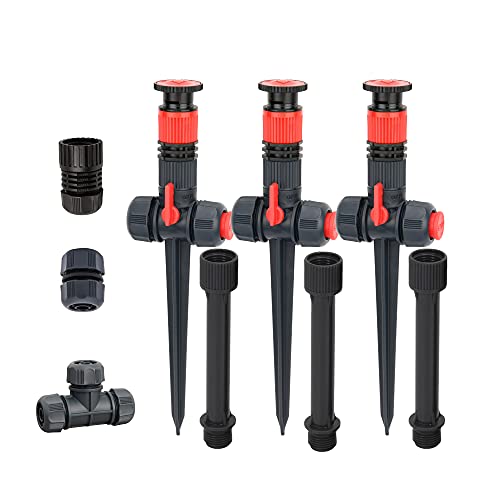
Eden 96093 Multi-Adjustable Flex Design Garden Sprinkler

Thiswing 360° Adjustable Drip Irrigation System 32 Nozzles

Thiswing 360° Adjustable Drip Irrigation System 16 Nozzles

Orbit 50020 All-in-One Automatic Watering System

QSK-745 In-Ground 5-Inch Pop-Up Sprinkler 5-Pack
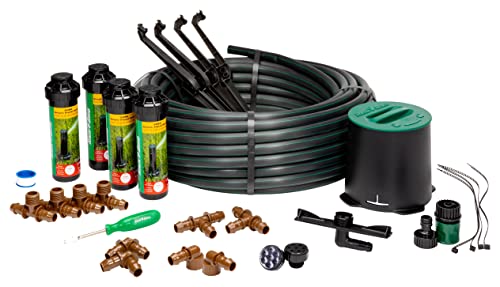
Rain Bird 32HE In-Ground Pro Rotor Pop-up Sprinkler System Kit

Eden 97065 Daisy Above-Ground 50 Ft Garden Hose and Sprinkler System

230FT Drip Irrigation System for Garden with 40 Nozzles & Emitters
More Details On Our Top Picks
This Eden setup makes sense for small yards, patio edges, and odd-shaped garden beds that don’t reward a rigid pattern. The extension set gives you a little more reach, and the multi-adjustable layout helps you aim water more deliberately instead of blanketing everything the same way.
Compared with the larger kits in this roundup, it feels lighter and less committed, which is handy for a weekend project or a space that changes through the season. The trade-off is obvious, though, since a simpler sprinkler style won’t replace a full in-ground network for bigger lawns.
Strong Points
- Adjustable spray angles help you target beds, borders, and tighter corners.
- The extension pieces add useful reach for spaces that sit away from the hose source.
- Its simpler setup works well for casual gardeners who want less planning overhead.
- Maintenance stays straightforward because the design is easier to move and store than buried systems.
Things To Consider
- It fits light-duty watering better than a permanent whole-yard layout.
- You may want extra patience in uneven spaces, since spray coverage depends on placement.
Feature Snapshot
Who It Suits Best
Home gardeners with small, irregular watering zones will get the most out of this one.
A Better Fit Elsewhere
Thiswing 360° Adjustable Drip Irrigation System with 32 Nozzles suits you better when you want longer coverage across raised beds or garden rows.
Once you move past a basic sprinkler, this Thiswing kit starts looking more useful for long beds and mixed planting rows. The 32 nozzles and 100-foot layout point to broader coverage, while the 5/16-inch tubing keeps the system in the flexible, DIY-friendly lane.
In a backyard with separate zones, you may find the 360-degree adjustability handy for dialing in coverage around planters, edges, and narrow runs. The honest read is that more nozzles also mean more planning during setup, so it suits detail-oriented installers better than anyone chasing a fast, minimal build.
Highlights
- Thirty-two nozzles give you plenty of placement options across a longer run.
- 360-degree adjustment helps you steer water around dense planting pockets.
- The 100-foot format works better for extended beds than compact starter kits.
- 5/16-inch tubing keeps the system flexible enough for DIY routing.
- It matches well with raised beds, garden rows, and outdoor plant clusters.
Minor Gripes
- Setup takes more attention than a simple hose-end sprinkler.
- Longer routing can mean more time spent on layout and connection checks.
- The broader kit is less appealing for tiny patios or very small plots.
Core Details
Who Will Love This
Gardeners with long beds or several watering zones will appreciate the range here.
Swap It Out When
Thiswing 360° Adjustable Drip Irrigation System with 16 Nozzles makes more sense when your space is smaller and you want a lighter setup.
This smaller Thiswing kit trims the idea down to a more manageable size, which is useful for herb beds, starter plots, or a narrow strip along the fence. The 50-foot length keeps the footprint friendlier than the 100-foot version, and the 16-nozzle layout should feel less busy during planning.
Compared with the 32-nozzle sibling, it asks for less routing work and usually feels easier to map out around a modest yard. The trade-off is simple, since you give up reach and density, but many compact gardens do not need the extra scale.
Positives
- Shorter coverage keeps installation more approachable for modest garden spaces.
- Sixteen nozzles give you enough flexibility without making the layout crowded.
- The 50-foot span works well for small-to-mid planting runs.
- Its lighter footprint helps with storage and seasonal teardown.
Points To Note
- You may outgrow it sooner than the longer Thiswing 32-nozzle kit.
- It suits compact layouts better than broad lawn coverage.
At A Glance
Built With In Mind
Compact gardens and first-time DIY installers will likely find this the most approachable Thiswing option.
A Better Fit Elsewhere
Orbit 50020 All-in-One Automatic Watering System suits you better when you want a more permanent in-ground layout.
The Orbit 50020 moves the conversation toward a more settled in-ground plan, which matters for yards that need something closer to a fixed watering setup. That automatic watering format fits homeowners who want a cleaner-looking layout than an above-ground hose run, especially around larger turf sections.
Compared with the Eden above-ground options, this one leans more into long-term placement and less into quick rearranging. Installation takes more commitment, so it’s a better match for someone who wants structure rather than a casual seasonal add-on.
Reasons To Buy
- Automatic watering suits yards that benefit from a steadier routine.
- Its underground format keeps hoses and fittings out of the way.
- The all-in-one layout is appealing for a more orderly lawn plan.
- It works well for owners who prefer a fixed system over portable parts.
Softer Spots
- In-ground installation asks for more planning than surface-level kits.
- It is less convenient for spaces that change shape through the season.
Details At A Glance
Right Fit For
Homeowners planning a more permanent lawn watering layout will get the strongest fit here.
Where A Sibling Pick Shines
Eden 97065 Daisy Above-Ground 50 Ft Garden Hose and Sprinkler System is easier to live with for temporary or seasonal watering needs.
This five-pack suits lawns that need low-profile coverage without turning the yard into a maze of exposed hardware. The 5-inch pop-up format keeps heads tucked away until watering starts, which helps the finished look stay clean and simple.
Compared with Orbit 50020, this option feels more modular, so you can spread coverage across zones instead of committing to one larger system shape. The quick hose connectors and splitters also make it friendlier for practical DIY installs, though buried setups still ask for careful planning.
Plus Points
- Pop-up heads keep the lawn surface tidy between watering cycles.
- The five-piece set supports multi-zone layout planning.
- Quick hose connectors make connection work more straightforward.
- Splitters help you divide water across separate sections.
- It fits yards that need a more permanent ground-level look.
Room For Improvement
- In-ground placement asks for more upfront layout work.
- Maintenance can be more involved than with above-ground kits.
- It makes more sense for established lawns than temporary beds.
Quick Facts
Whose Shelf It Belongs On
This works best for lawn owners who want a cleaner, buried look with flexible zone planning.
Another Choice May Suit
Thiswing 360° Adjustable Drip Irrigation System with 32 Nozzles is the easier route for raised beds and planted rows.
The Rain Bird 32HE reads like a more polished in-ground option for yards that deserve a carefully planned spray pattern. Rotor pop-up systems use a rotating head to move water across a set arc, and that style often suits larger open turf areas better than a static spray head.
Compared with the QSK-745 five-pack, this kit feels more system-like and less pieced together, especially thanks to the Click-N-Go garden hose connection. It asks for a more committed install, so you get the most from it when the yard layout is already close to final.
Best Bits
- Rotor-style heads make sense for broader lawn coverage.
- The pop-up design keeps the surface uncluttered between cycles.
- Click-N-Go hose connection simplifies the hookup step.
- It suits homeowners aiming for a more finished in-ground look.
Areas To Watch
- Rotor systems are better for planned installs than quick weekend swaps.
- It can feel like more system than you need for tiny yards.
Spec Overview
Perfect Match For
You get the most from this kit when you’re planning a more polished lawn install with wide open areas.
Look Elsewhere When
Eden 96093 Multi-Adjustable Flex Design Garden Sprinkler works better for smaller, more changeable planting spaces.
The Eden Daisy setup feels friendly for gardeners who want water moving around plants without digging trenches or laying out a permanent system. A 50-foot above-ground hose-and-sprinkler format gives you enough length for many modest yards while keeping the install easier to rethink later.
That flexibility matters in spaces that change with pots, seasonal beds, or temporary planters. The compromise is the obvious one, since above-ground lines stay visible, but plenty of people prefer that simplicity over a buried layout they cannot adjust quickly.
Bright Spots
- Above-ground routing keeps the setup quick and easier to rearrange.
- The 50-foot length supports a solid amount of reach for modest gardens.
- It works well for temporary beds and seasonal planting changes.
- Simple cleanup makes storage less of a chore after the season ends.
Small Caveats
- Visible hoses may not suit every yard aesthetic.
- It is less permanent than an in-ground system.
- Long-term placement depends on how much you want to move things around.
Feature Card
Made For
Gardeners who want a flexible, low-commitment watering setup will feel at home with this one.
Reach For A Different Pick When
Rain Bird 32HE In-Ground Pro Rotor Pop-up Sprinkler System Kit suits you better for a cleaner built-in lawn finish.
This TJJFMM kit pushes into larger-layout territory, which is exactly where a long drip run starts to make sense. The 230-foot span gives you room for a greenhouse, raised bed cluster, or a wider garden that needs more line length than a starter set can offer.
Compared with the shorter Thiswing kits, this one is the better match for sprawling routes and more separated watering points. The trade-off is that longer systems demand better planning, and the 1/2-inch plus 1/4-inch tube pairing means you will want a tidy layout before connections start multiplying.
Best Bits
- The 230-foot format serves larger planting layouts well.
- Forty nozzles and emitters give you plenty of watering points.
- The mix of tube sizes supports broader routing options.
- It suits greenhouses, raised beds, and wider lawn-side garden runs.
Worth Noting
- Longer routing means more upfront planning and organization.
- The larger layout can be more than you need for a small plot.
- Storage takes a bit more space than compact kits.
Core Details
Whose Shelf It Belongs On
This is a strong fit for gardeners managing a larger layout with several watering zones.
Not Your Match When
Thiswing 360° Adjustable Drip Irrigation System with 16 Nozzles is easier to manage for a smaller, simpler bed layout.
How To Choose The Right Diy Lawn Irrigation Systems
Match The System To Your Yard Shape
Start with the shape of the ground you need to cover. A small patio border or narrow bed usually works better with an above-ground or adjustable sprinkler, while larger turf areas lean toward in-ground layouts that stay put. Long runs, corners, and mixed planting zones need more planning than a single open patch.
Coverage length matters, but so does the path the water takes. A 50-foot kit can suit a compact garden, while 100-foot and 230-foot systems give you more reach for divided spaces. The cleaner the layout looks on paper, the less frustration you tend to have later.
Choose Between Drip, Spray, And Rotor Styles
Drip irrigation sends water through tubing to nozzles or emitters near the roots, which is handy for beds and rows. Spray systems cover a broader surface faster, and rotor heads sweep through a larger arc for lawn areas that need wider distribution. That difference matters because the wrong style can leave you watering too much in one place and too little in another.
For raised beds and plant clusters, adjustable drip kits usually feel more controlled. For lawns, pop-up or rotor systems create a neater finish and better field coverage. The trade-off is setup complexity, since the more built-in the system feels, the more planning it usually asks for.
Think Through Installation, Storage, And Maintenance
Above-ground kits are easier to reposition, store, and clean. In-ground systems take more work up front, but they usually leave the yard looking tidier and more intentional once everything is in place.
Also pay attention to connectors, tubing size, and how many watering points you actually need. A system with more nozzles can be useful, but only when your layout needs that density. For a weekend project, simple parts often matter more than a long feature list.
What To Weigh Before You Choose
Common Shopping Slip Ups
Plenty of people start with the longest kit they can find, then realize the yard is too small for that much line. Others mix lawn sprinklers and drip parts without thinking through water pressure, coverage shape, or how many zones really need separate control.
The cleaner move is to map the space first, then match the system to it. That keeps you from buying more tubing than you can comfortably route or a setup that looks good on paper but gets awkward around beds and corners.
The Upgrade Payoff
Higher-tier systems usually cost more because they give you more pieces, more layout control, or a more polished finished look. In-ground kits also ask for more engineering in the background, which is part of why they feel more substantial than a simple hose-end sprinkler.
Spending up makes sense when the yard is staying the same for a while, or when you want cleaner lines and more even zone coverage. For a temporary garden or a changing patio setup, a simpler kit often delivers the better balance of effort and flexibility.
Frequently Asked Questions
What kind of yard works best with a DIY irrigation setup?
Mixed yards with beds, borders, and lawn sections tend to benefit the most. The layout lets you water each area in a way that makes sense for its shape.
Is drip irrigation better than sprinklers for gardens?
Drip often feels better for rows, raised beds, and plants that need water aimed close to the base. Sprinklers make more sense for broader lawn coverage and open spaces.
Are in-ground systems hard to install?
They usually take more planning than above-ground kits. The payoff is a cleaner look once the system is set.
How do you choose the right length?
Measure the full route before you settle on a kit. A short system can work beautifully in a compact space, while a larger yard needs enough line to avoid awkward gaps.
Do more nozzles always mean a better system?
More nozzles help only when the garden layout needs that many watering points. In a small space, extra nozzles can add complexity without much benefit.
Closing Thoughts
The best DIY lawn irrigation setup is the one that fits your yard’s shape, your tolerance for setup, and how permanent you want the result to feel. A compact above-ground kit suits lighter upkeep, while a bigger in-ground system makes more sense for a yard that is staying steady through the seasons. For beds and mixed plantings, adjustable drip kits stay especially practical because they give you control without much fuss. Pick the format that matches your space, and the rest gets much easier.
