

Commercial yard cleanup gets messy fast, especially on larger properties where grass clippings, leaves, and turf debris pile up in layers. You need a setup that fits your space, your power source, and the kind of mess you deal with most often.
This roundup focuses on tow-behind vacuums, walk-behind turf sweepers, backpack blowers, and a few heavy-duty cleanup tools that earn a place in a working yard. You’ll see where each pick fits best, what kind of maintenance it asks for, and where the trade-offs show up in daily use.
The Shortlist At A Glance
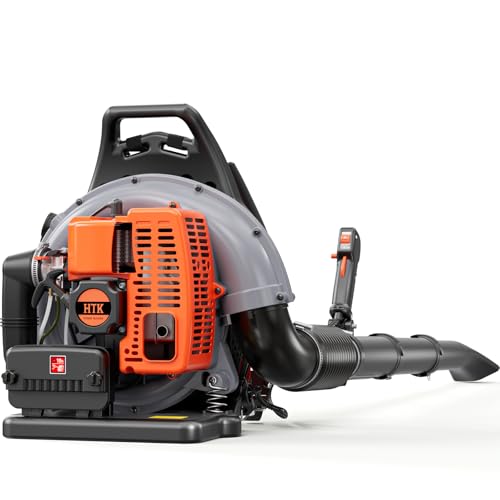
HTK Backpack Blower 63CC Orange

Industrial Wet/Dry Vacuum Cleaner JM773

Billy Goat KV601 Lawn Vacuum 190 cc Briggs

ZEGJAW 15" Artificial Turf Sweeper

boldworks Electric Artificial Turf Sweeper Vacuum 16"
PPOLB 42" Tow Behind Lawn Sweeper

Agri-Fab Hard Top Mow-N-Vac Tow Behind Lawn Vacuum 32 Cu Ft

SuperHandy Leaf Vacuum & Wood Chipper 209CC

Agri-Fab Soft Top Mow-N-Vac Tow Behind Lawn Vacuum 29 Cu Ft
More Details On Our Top Picks
Large properties and rough cleanup jobs are where a backpack blower earns its keep, and this HTK unit leans into that role with a 63cc gas engine and a high-airflow spec. The 665 CFM rating, meaning cubic feet per minute, points to volume, while 205 MPH tells you the air speed helps move heavier debris across pavement and turf.
You may find it especially handy for commercial grounds, long driveways, and light snow on hard surfaces, though gas power also means fuel upkeep and more noise than an electric option. Compared with the vacuums in this roundup, it moves debris rather than collecting it, so it suits fast clearing more than tidy capture.
Strong Points
- Backpack design spreads weight across your shoulders.
- High airflow helps clear wide areas quickly.
- Gas power fits remote spaces without outlets.
- Useful for leaves, debris, and light snow.
Things To Consider
- Gas upkeep adds fuel and maintenance chores.
- Noise level matters in tight neighborhoods.
- It blows debris away instead of collecting it.
Feature Snapshot
Who It Suits Best
Commercial landscapers and property managers who want quick debris clearing without cords will get the most from it.
Where A Sibling Pick Shines
Farag Janitorial JM773 fits better for cleanup that needs collection instead of blow-away clearing, especially around garages and work areas.
Compared with the blower above, this wet-dry vacuum is built for collection, not dispersal, and that changes the whole job. Two motors and 2000 watts of power give it a strong working setup, while the 21-gallon tank helps during longer cleanup runs in a shop, warehouse, or service bay.
The 225 CFM figure, or cubic feet per minute, suggests good airflow for pulling in debris, but a unit this large also asks for storage room and a bit more post-use cleaning. For mixed indoor-outdoor messes, that trade-off often makes sense, especially where you need to pick up material instead of moving it around.
What We Like
- Dual-motor setup supports demanding cleanup.
- Large tank reduces emptying breaks.
- CFM rating points to strong pickup flow.
- Well suited to workspaces with heavier debris.
Areas To Watch
- Size can feel bulky in tight storage areas.
- Wet-dry maintenance is more involved than sweeping.
- Less suited to open lawn clearing than outdoor vacuums.
Core Details
Built With In Mind
Shop crews, maintenance teams, and property owners who need a strong wet-dry pickup tool will appreciate the scale here.
Look Elsewhere When
Billy Goat KV601 makes more sense for turf, leaves, and open-lawn debris where a dedicated lawn vacuum is the better match.
This Billy Goat model sits closer to a true lawn cleanup machine than the general-purpose wet-dry vac above. A 190 cc Briggs engine and a 40-gallon capacity point to a setup meant for collecting leaves and grass over a decent stretch of yard without constant stops.
For property work after mowing season, that larger hopper can feel like a real time-saver, though the unit is still built around pickup rather than fine filtration or indoor cleanup. The honest read is that it suits people who want a straightforward, yard-focused vacuum more than a multipurpose shop machine.
Highlights
- Dedicated lawn-vacuum design suits outdoor cleanup.
- 40-gallon capacity supports longer passes.
- Gas engine fits larger areas without cords.
- Good match for leaf and grass collection.
Softer Spots
- Bulkier than turf sweepers and lighter cleanup tools.
- Best suited to outdoor debris, not indoor messes.
- Storage space matters with a unit this size.
Details At A Glance
Right Fit For
Homeowners with larger yards or small commercial grounds that need steady leaf and grass pickup will get solid use from it.
A Better Fit Elsewhere
Agri-Fab Soft Top Mow-N-Vac works better for a tow-behind setup that blends easier trailering with a different collection style.
Artificial turf needs a different kind of cleanup, and this ZEGJAW sweeper is shaped for that job. The 13 amp motor, meaning it runs from standard household electricity, keeps it simpler than gas units, while the 45-liter collector gives you a tidy place for gathered debris.
Its 5-position depth adjustment helps match the brush to turf height and surface condition, which matters on lawns that collect pet hair, dust, and small leaves. Compared with the Billy Goat or tow-behind vacuums, this one is narrower in purpose, but that focus makes it easier to live with around synthetic grass.
Bright Spots
- Electric power keeps daily use straightforward.
- Depth settings help tune brush contact.
- Collector bag handles routine turf debris.
- Quick-fold design should help with storage.
Room For Improvement
- Built for artificial turf, not natural lawn cleanup.
- Collector size may need frequent emptying on larger yards.
- Best results depend on correct depth setting.
Quick Facts
Whose Shelf It Belongs On
Artificial turf owners who want a focused cleaner for regular surface upkeep will get the most from it.
Skip It When
boldworks Electric Artificial Turf Sweeper Vacuum fits better for someone who wants a slightly wider 16-inch brush and more aggressive rotating action.
This boldworks machine pushes a little harder than the ZEGJAW turf sweeper, thanks to the 4000 RPM brush speed, meaning rotations per minute. That faster brush action and the 16-inch width make it a sensible fit for synthetic lawns that collect a lot of fine debris between deeper cleanings.
The 45L collection bag keeps the footprint manageable, and the 5 height settings let you adjust brush contact instead of forcing one fixed setting onto every turf surface. For most backyards with artificial grass, that combination feels practical, though you still need to empty the bag and keep an eye on brush wear over time.
Upsides
- Fast brush speed helps lift embedded debris.
- Sixteen-inch width covers decent ground per pass.
- Adjustable height supports different turf conditions.
- Bag size keeps cleanup reasonably neat.
- Electric setup avoids fuel handling.
Minor Gripes
- Still limited to turf and similar surfaces.
- Bag emptying remains part of the routine.
- Brush parts may need periodic attention.
Spec Overview
Made For
Homeowners with artificial lawns who want stronger brush action and a bit more coverage will appreciate this setup.
Another Choice May Suit
ZEGJAW 15" Artificial Turf Sweeper fits better for a lighter-duty turf cleaner that takes up a little less room.
The PPOLB sweeper makes sense for lawn work that already involves a tractor or riding mower. Its 42-inch sweep width and 18.55 cu. ft. hopper give you a good balance of coverage and collection room, so you spend less time stopping to dump debris on larger yards.
The adjustable brush-height lever matters more than it sounds, because turf density and grass height change how well a tow-behind sweeper grabs material. Compared with the backpack blower, this one collects instead of scattering, though you do give up the speed and flexibility of a handheld tool.
Reasons To Buy
- Wide sweep path covers more ground quickly.
- Large hopper reduces dump stops.
- Brush height control helps with uneven lawns.
- Tow-behind format suits tractor-based cleanup.
Small Caveats
- Needs a compatible towing setup.
- Less nimble than walk-behind tools.
- Assembly and storage take more room than a handheld tool.
Feature Rundown
Perfect Match For
Riding-mower owners with medium to large yards who want a simple tow-behind pickup tool will get strong use out of it.
Reach For A Different Pick When
Agri-Fab Hard Top Mow-N-Vac suits you better when you want a more enclosed tow-behind vacuum system with a larger collection capacity.
Some yards need more than a basic sweeper, and this Agri-Fab setup leans hard into high-volume collection. The 32 cu. ft. capacity gives you a lot of room for leaves and grass, while the 208cc engine brings the kind of pull that suits bigger lawn cleanup jobs.
The hard-top design is worth noting because a rigid cover can be easier to live with than a softer top in messy weather, though the machine still asks for storage space and a tow vehicle. Compared with the PPOLB sweeper, this is the more enclosed and more collection-focused route, which makes sense for heavier seasonal cleanup.
Best Bits
- Very large collection volume supports long sessions.
- Hard top can feel more sheltered in use.
- 208cc engine suits demanding towing conditions.
- Good fit for large properties with heavy leaf drop.
- Collection-first design keeps debris contained.
Points To Note
- Needs a tractor or towing setup.
- Bulk and storage space matter a lot here.
- More machine than smaller yards really need.
Core Details
Who Should Grab It
Property owners with large lawns and regular leaf loads will appreciate the capacity and tow-behind format.
Swap It Out When
Agri-Fab Soft Top Mow-N-Vac is the better fit for someone who prefers a softer-top setup and a slightly different collection feel.
This SuperHandy unit stands out because it does two jobs, vacuuming and chipping, in one walk-behind form. The 7 HP, 209cc gas engine and 10:1 mulch ratio give it a more aggressive cleanup profile, and the 6-bushel bag helps collect material before you deal with it again.
Castor wheels make it easier to move around corners and uneven ground, though that broader capability also means you’re taking on a more complex machine. Compared with the Agri-Fab vacuums, this one is better suited to mixed debris and branches, not just leaves and grass.
Positives
- Two-function design saves space in the tool shed.
- Mulching ratio reduces debris volume significantly.
- Castor wheels help with maneuvering.
- Good fit for mixed yard debris, not just leaves.
- Gas engine gives you strong outdoor reach.
Honest Caveats
- More moving parts mean more upkeep.
- Chipper use asks for extra care and cleaning.
- Heavier-duty build is less casual than a turf sweeper.
Feature Card
Best Suited To
Landscaping work that mixes leaves, small branches, and routine lawn debris is where this tool makes the most sense.
Consider Something Else When
Billy Goat KV601 is the cleaner match for someone who wants a simpler, straight lawn vacuum without the chipping side of the job.
This Agri-Fab version keeps the tow-behind formula but swaps in a soft-top collection system with a 29 cu. ft. capacity. That makes it a good middle ground for property owners who want serious collection room without moving all the way up to the larger hard-top setup.
The 208cc engine gives it the same broad class of towing support as the harder-working sibling above, yet the slightly smaller capacity can make storage and handling a bit easier. For many medium-to-large yards, that balance lands in a useful spot, especially during leaf season.
Plus Points
- Large collection volume fits seasonal cleanup.
- Tow-behind format works well with riding mowers.
- Soft-top design can feel easier to manage.
- Good middle path between size and convenience.
Worth Noting
- Still needs towing equipment to be useful.
- Not as roomy as the hard-top Agri-Fab.
- Storage demands remain substantial.
Technical Sheet
The Right Fit
Medium to large property owners who want a tow-behind vacuum with strong capacity and a less rigid top should feel at home here.
Where Shoppers Go Wrong
PPOLB 42" Tow Behind Lawn Sweeper is the simpler match for someone who wants a basic sweeper rather than a true tow-behind vacuum system.
How To Choose The Right Commercial Lawn Vacuums
Match The Machine To The Mess
The first decision is whether you need to collect debris or simply move it out of the way. Backpack blowers suit quick clearing on pavement and turf edges, while tow-behind vacuums and lawn sweepers make more sense when you want the leaves gathered instead of scattered.
That choice matters more than engine size on paper. A 209cc chipper-vacuum feels very different from a 13 amp turf sweeper, and the right one depends on whether your property deals with loose leaves, cut grass, or mixed yard debris.
Think In Terms Of Ground Size
Small and medium yards usually do better with walk-behind or electric turf tools because they are easier to store and turn around tight paths. Larger properties reward wider sweep paths, bigger hoppers, and tow-behind formats that let you cover more ground per pass.
CFM, hopper volume, and working width all translate into time saved, but only when the tool matches your layout. A 42-inch sweeper can feel efficient on open turf, yet awkward in fenced corners or narrow side yards.
Check Power, Towing, And Storage
Gas units bring independence from outlets and more reach, but they also ask for fuel handling and routine upkeep. Electric models are simpler around the house and quieter to live with, though cord management or power access can shape how useful they feel.
Tow-behind machines bring real capacity, but they need a riding mower or similar setup plus storage room. A compact walk-behind turf cleaner takes less space, which matters in a garage already crowded with mowers, trimmers, and fuel cans.
Look Past Capacity Alone
Big collection numbers look impressive, but bag shape, brush adjustment, and emptying design affect daily use just as much. A hard-top system may handle messy conditions better, while a soft-top unit can feel easier to manage and store.
For commercial grounds, that balance becomes practical very quickly. You want a machine that fits your cleanup rhythm, not just one that sounds large on a spec sheet.
Things Worth Knowing First
Common Shopping Slip Ups
Many people focus on power first and ignore the type of debris they actually deal with. A leaf vacuum, turf sweeper, and backpack blower each solve a different problem, so the wrong match can leave you doing twice the work.
Another easy miss is storage. Tow-behind units and large vacuums need more room than they first appear to, especially once you factor in the tow setup or collection bag.
What The Higher Tier Buys
More expensive models usually bring bigger engines, wider collection paths, and stronger build materials. In this category, that often means less stopping, better handling of heavy leaf loads, and a machine that feels more comfortable on larger grounds.
The upgrade is worth it for estates, crews, and property owners who use the tool often during long cleanup seasons. For a smaller yard, the extra capacity can be more machine than you need.
Frequently Asked Questions
What’s The Difference Between A Lawn Vacuum And A Sweeper?
A lawn vacuum pulls debris into a collection system, while a sweeper lifts material into a hopper. Sweepers feel simpler, but vacuums usually handle heavier cleanup with less blowback.
Are Gas Models Better Than Electric Ones?
Gas models give you more freedom on large properties and away from outlets. Electric models are easier to manage for lighter cleanup and turf maintenance.
Do Tow-Behind Units Need A Riding Mower?
Yes, tow-behind designs are built to follow a tractor or riding mower. They make the most sense on larger lawns with open runs.
Can One Of These Handle Artificial Turf?
The turf-specific sweepers in this list are the right match for synthetic grass. Standard lawn vacuums can be too broad in purpose for that surface.
How Much Collection Capacity Do You Actually Need?
Smaller yards can manage with compact bags, while larger properties benefit from bigger hoppers or tow-behind systems. The right size depends on how often you want to stop and empty.
Closing Thoughts
The right commercial lawn vacuum depends less on marketing language and more on how your property actually works. Open acreage points toward tow-behind capacity, turf cleanup points toward a dedicated sweeper, and fast debris clearing points toward a strong backpack blower. Pick the machine that fits your ground, your storage, and your cleanup rhythm, and the work gets a lot less tedious. That’s the kind of match that holds up season after season.
