

Keeping mower blades sharp matters more than most shop tasks, because a dull edge leaves ragged cuts and makes every pass feel longer. This roundup helps you sort corded bench grinders, adjustable angle jigs, and heavier disc-wheel machines without getting buried in motor numbers and grit counts. You’ll see which picks suit small maintenance garages, busy landscape crews, and home workshop setups with a few mowers to keep in rotation. The goal is simple, match the sharpener to your blade volume, storage space, and comfort with setup.
Quick Shortlist For Faster Blade Work
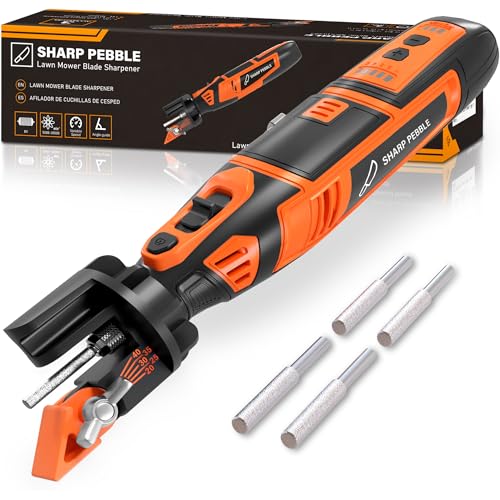
Sharp Pebble Cordless Lawn Mower Blade Sharpener

Oregon Economy Lawn Mower Blade Sharpener & Grinder (88-025)

VEVOR Lawn Mower Blade Sharpener 2/3HP 500W 7-inch Grinding Wheel

SporGain Lawn Mower Blade Sharpener 2/3 HP 550W 20 Sandpapers

RBG 7-inch Professional Fast Grind Lawn Mower Blade Sharpener 712

VEVOR Lawn Mower Blade Sharpener 1HP 9-inch Ceramic Wheel
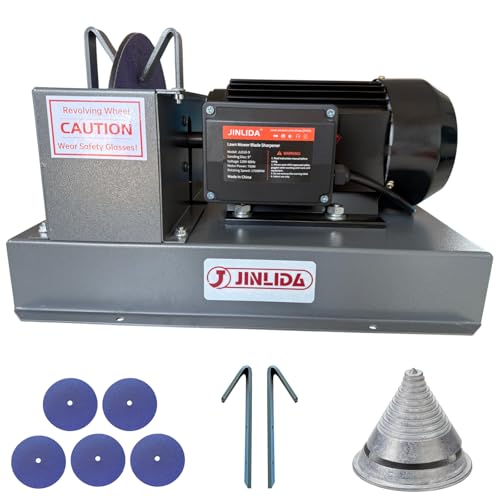
JLD10-9 Lawn Mower Blade Sharpener 1HP 750W 9-inch Ceramic Wheel
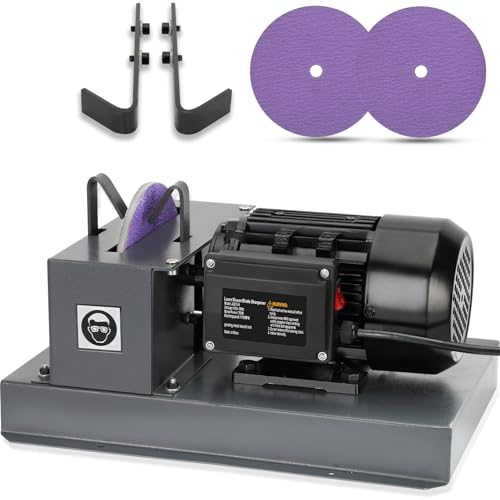
2026 Upgraded Lawn Mower Blade Sharpener 2/3HP 500W

RBG 934 Disc Wheel Mower Blade Grinder 3/4 HP RBG 934
VEVOR Lawn Mower Blade Sharpener 2/3HP 7-inch Ceramic Wheel
More Details On Our Top Picks
Sharp Pebble leans into portability, which makes sense for small crews, trailer kits, and home garages that do not want a fixed bench setup. The adjustable 20 to 40 degree guide is the useful part here, since blade angle matters more than shiny marketing in everyday sharpening work.
The cordless format also fits quick touch-ups between mows, especially when your work area changes from shed to driveway to job trailer. It does ask you to stay organized with bits and charging, so it suits someone who values mobility more than raw bench stability.
Strong Points
- Cordless design keeps the setup mobile for field work and shared spaces.
- Adjustable 20 to 40 degree guidance helps match common mower blade angles.
- Replaceable wheel bits give you a longer working life from the kit.
- Blade removal is optional, which can save time for routine maintenance.
Things To Consider
- Portable tools usually favor lighter duty touch-ups over full shop throughput.
- You’ll need to stay on top of battery charging and bit condition.
- Less fixed weight can mean less planted feel than a bench grinder.
Feature Snapshot
Who It Suits Best
You’ll get the most from this pick if you handle blades in different locations and want a lighter, less permanent setup.
A Better Fit Elsewhere
Oregon Economy Lawn Mower Blade Sharpener & Grinder (88-025) suits you better when a fixed shop station matters more than portability.
The Oregon 88-025 is the kind of straightforward grinder that fits a no-nonsense garage better than a fancy accessory wall. A 1/3 HP motor points to modest power, which is enough for steady home and light commercial blade work without pushing you into a bigger machine than you need.
That smaller footprint and plain layout suit maintenance routines where consistency matters more than extras. The trade-off is speed, so heavier blade batches will feel slower than the higher-output VEVOR and RBG models later in the list.
What We Like
- 1/3 HP output gives you a simple, approachable grinder for routine sharpening.
- Adjustability helps you work across common blade angles with less fiddling.
- Compact, utilitarian design fits a basic shop bench cleanly.
- Good match for owners who want a familiar, low-frills workflow.
Worth Noting
- Lower motor power can feel slow on more worn blades.
- Best suited to steady upkeep, not high-volume shop turnover.
Technical Sheet
Right Fit For
Small shop owners and careful home users who want a basic, dependable bench grinder should look here first.
Another Choice May Suit
VEVOR Lawn Mower Blade Sharpener 2/3HP 500W 7-inch Grinding Wheel makes more sense for you if blade variety and a bit more output matter.
This VEVOR lands in a useful middle ground, with enough power for serious home maintenance while still looking manageable on a shop bench. The 7-inch grinding wheel gives you a larger working surface than a tiny handheld setup, so broader blade profiles feel less cramped.
You also get a machine that speaks to mixed blade collections, including high lift, low lift, Gator, and flat blades. That range matters for landscaping rigs or properties with more than one mower type, although bigger output usually means you’ll want a steadier mounting space.
Upsides
- 2/3 HP and 500W give you a practical step up from basic entry grinders.
- 7-inch wheel size supports broader contact and easier blade positioning.
- Works across several blade shapes, which helps in mixed mower fleets.
- Good fit for regular maintenance in a dedicated garage or shed.
Points To Note
- Bench-style setup takes more permanent space than a cordless tool.
- Heavier machines usually ask for a more deliberate installation.
- Better suited to planned maintenance than quick carry-around use.
Core Details
Made For
You fit this machine well if your mower upkeep is regular and you want more room to work than a compact touch-up tool offers.
Skip It When
Sharp Pebble Cordless Lawn Mower Blade Sharpener suits you better when portability matters more than bench power.
SporGain adds a little more finishing flexibility than the plain grinder crowd, and that can matter after you’ve already shaped the edge. The 550W motor sits in the same broad class as the VEVOR 2/3 HP units, but the included sanding sheets point toward finer cleanup work after grinding.
That mix suits a shop where blades come in with uneven wear, then need a cleaner final edge before they go back into service. It’s a practical setup for users who like having more than one abrasive option on hand, though the extra parts also mean more to keep track of.
Bright Spots
- 20 sanding sheets give you more finish-level flexibility than grinder-only setups.
- 7-inch wheel supports standard mower blade work with decent surface area.
- Motor size suits regular sharpening without feeling underpowered for most routine jobs.
- Useful for owners who want both shaping and finishing in one place.
Small Caveats
- Extra abrasives are helpful, but they also add storage and organization chores.
- Bench machines work best where you can leave them set up.
- More parts usually mean a bit more maintenance attention over time.
Details At A Glance
Who Will Love This
You’ll appreciate this if you like a more complete sharpening bench instead of a bare-bones grinder.
Where A Sibling Pick Shines
Oregon Economy Lawn Mower Blade Sharpener & Grinder (88-025) makes more sense for a simpler setup with fewer moving parts.
RBG’s 712 leans hard into professional shop use, which is exactly why it feels different from the lighter cordless Sharp Pebble and the simpler Oregon unit. The fast-grind positioning suggests a workflow built for repeated blade turnover, not casual weekend sharpening.
That makes it appealing for landscaping operations, maintenance shops, and anyone who processes blades in batches. The trade-off is obvious, though, because equipment aimed at speed and volume usually asks more from your bench space and setup discipline.
Best Bits
- Professional fast-grind format suits repeated sharpening cycles.
- 7-inch wheel keeps the working surface in a useful shop range.
- Strong fit for crews handling multiple blades in one session.
Areas To Watch
- More shop-focused than casual-use machines.
- Best for users comfortable with a dedicated, stationary setup.
- Volume-oriented gear usually rewards regular maintenance and careful alignment.
Feature Rundown
The Right Fit
You fit this best when your sharpening workload is frequent and you want a machine built around pace.
Look Elsewhere When
Sharp Pebble Cordless Lawn Mower Blade Sharpener is the smarter match for mobile touch-ups and small storage spaces.
The 1HP VEVOR steps up in a way you can feel just by looking at the spec sheet, because horsepower signals more drive for larger sharpening jobs. The 9-inch ceramic wheel gives it a more substantial grinding surface than the 7-inch machines earlier in the list, so it suits heavier workshop rhythm.
The balancer and grit collector are the meaningful extras here, especially in a shop where you care about cleaner handling and less mess around the bench. That said, the bigger format makes sense only when you actually have enough space to give it room.
Reasons To Buy
- 1HP output supports more demanding grinding sessions.
- 9-inch ceramic wheel gives you more working surface than smaller options.
- Balancer helps with more careful blade setup and handling.
- Grit collector is useful in a shop where cleanup time matters.
Softer Spots
- Large bench gear asks for committed storage space.
- More capable machines tend to be less casual to move around.
- Best suited to users who sharpen often enough to justify the footprint.
Core Details
Built With In Mind
This suits shop users and property teams who want more output and a larger, steadier grinding platform.
Swap It Out When
Oregon Economy Lawn Mower Blade Sharpener & Grinder (88-025) works better for a simpler bench and lighter maintenance needs.
The JLD10-9 sits in the same heavy-duty neighborhood as the larger VEVOR grinder, but the included balancer and sanding discs give it a slightly different workflow angle. That combination can appeal to users who want a more complete bench station rather than a single-purpose grinder.
The 9-inch ceramic wheel and 1HP motor point toward serious use, especially for shops that sharpen often and want consistency from one blade to the next. It’s a strong fit for a dedicated corner of the garage, though casual users may find the setup more machine than they need.
Highlights
- 1HP and 750W support a serious sharpening workload.
- 9-inch ceramic wheel gives you a large and practical grinding surface.
- Balancer helps with more careful edge setup.
- Five sanding discs add finish flexibility after grinding.
Minor Gripes
- Bench-oriented tools work best with a fixed space assigned to them.
- Extra accessories mean more small parts to store neatly.
- More capable gear often feels like overkill for occasional touch-ups.
Spec Overview
Who Should Grab It
You’re the right match here if you want a more complete sharpening station and already have a dedicated workspace.
Reach For A Different Pick When
Sharp Pebble Cordless Lawn Mower Blade Sharpener fits you better when mobility and compact storage matter most.
Innisle takes a more guided approach than some of the bare-bones bench grinders, and that helps you stay centered on angle instead of improvising. The 7-inch ceramic wheel and 40 degree bracket make the machine feel aimed at users who want controlled, repeatable sharpening on a home bench.
The cast steel base is also worth noting because a heavier, more rigid base generally helps a grinder feel steadier during work. That steadiness matters in a garage where you’re maintaining your own blades and want the setup to feel predictable, not fussy.
Positives
- 500W copper motor gives you respectable drive for routine blade work.
- 7-inch ceramic wheel suits steady sharpening on common mower blades.
- Angle brackets help you set a more repeatable sharpening position.
- Cast steel base supports a more planted bench feel.
Room For Improvement
- Angle setup takes a little attention, which is normal for guided grinders.
- Bench machines need a permanent home to feel their best.
- More specialized than a handheld option, so it’s less grab-and-go.
Feature Card
Whose Shelf It Belongs On
This belongs with careful home users who want guided sharpening and a steadier bench machine.
Where Shoppers Go Wrong
VEVOR Lawn Mower Blade Sharpener 1HP 9-inch Ceramic Wheel is the better fit for heavier, more frequent shop use.
The RBG 934 takes a disc-wheel route instead of the more common wheel-grinder setup, and that difference matters for how the machine feels on a bench. Disc-wheel machines tend to appeal to users who want a very deliberate sharpening station, especially in workshop settings where blade handling is already part of the routine.
With 3/4 HP behind it, this one sits between the lighter Oregon class and the larger 1HP machines in raw output. That middle ground can be attractive for users who want more substance than a starter grinder without jumping to the bulkiest option in the group.
What We Like
- Disc-wheel format offers a distinct shop workflow from the wheel grinders.
- 3/4 HP gives you a useful middle point for regular sharpening.
- Well suited to users who prefer a more fixed grinding station.
Worth Noting
- Disc-wheel setups are more specialized than simple grinder layouts.
- Best for a bench you plan to keep dedicated to blade work.
- Less appealing for owners who want a compact, mobile tool.
Key Specs
Best Suited To
You’re a strong match here if your sharpening work stays in one place and you like a more specialized bench tool.
Not Your Match When
Sharp Pebble Cordless Lawn Mower Blade Sharpener suits you better when portability and quick setup are the priority.
This VEVOR version keeps the useful 7-inch ceramic wheel format, then adds a balancer and two angle choices for 30 or 40 degrees. That makes it feel like a practical compromise between the simpler Oregon grinder and the larger 1HP VEVOR machine, especially for shops that want versatility without going oversized.
The blade range is broad too, covering high lift, low lift, Gator, and flat blades. That kind of flexibility matters in mixed-mower garages, where one tool has to keep up with different blade styles without demanding a separate setup for each one.
Highlights
- 2/3 HP gives you useful power for ordinary blade maintenance.
- 7-inch ceramic wheel keeps the working area familiar and manageable.
- Balancer adds a helpful step for more careful blade preparation.
- 30 or 40 degree angle choices support different blade needs.
Minor Gripes
- Bench format still asks for dedicated space and setup time.
- More capable than a casual tool, so it may feel like extra machine for light use.
Feature Rundown
Perfect Match For
You fit this pick best if you want one bench grinder that can handle a lot of common blade styles without feeling oversized.
Hidden Buying Traps
Oregon Economy Lawn Mower Blade Sharpener & Grinder (88-025) is the simpler choice when you only need basic shop sharpening.
How To Choose The Right Commercial Lawn Mower Blade Sharpeners
Motor Strength And Grinding Speed
Motor output tells you how hard the machine can work before it starts feeling strained. Lower-horsepower models like the Oregon suit occasional upkeep, while 1HP machines such as the VEVOR and JLD10-9 make more sense for heavier shop rhythm and larger batches. The trade-off is simple, stronger motors usually mean larger, heavier machines that ask for more bench space and more planning.
You also want to think about how often you sharpen, not just how dull the blades are. A landscape crew that rotates several sets a week benefits from faster output, while a homeowner with one or two mowers may be better served by a modest grinder that stays easy to store.
Wheel Size, Angle, And Blade Fit
Wheel size changes how much surface you have to work with, and that affects comfort as much as speed. Seven-inch wheels are common across this roundup because they balance reach and manageability, while the 9-inch ceramic wheels on the larger VEVOR and JLD10-9 give you a broader working area for more frequent use.
Angle control matters just as much. Adjustable guides, 30 degree or 40 degree brackets, and balancers all help you match the blade’s original geometry, which matters for consistent edge shape and less guesswork at the bench.
Bench Space Versus Portability
Portable sharpening tools make life easier in mobile setups, trailers, and tight garages. The Sharp Pebble cordless unit stands apart because it can move with you, while the bench grinders are better for users who can dedicate one spot to the job.
That choice changes the whole ownership experience. Portable gear favors convenience and quick touch-ups, while fixed grinders reward repeat work, steadier handling, and cleaner workflow.
Finish Quality And Maintenance Habits
Some sharpeners stop at reshaping the edge, while others add sanding discs, balancers, or grit collectors for a more controlled finish. That extra equipment can improve consistency, but it also adds parts to manage and clean after use.
Think about how much upkeep you want to do between sharpening sessions. A simpler machine is easier to keep organized, while a feature-rich setup gives you more control once you get comfortable with it.
Things Worth Knowing First
Wrong Turns To Avoid
One common mistake is choosing power before space, then discovering the machine dominates the bench. Another is ignoring angle control, which can leave you with a sharp edge that still does not match the blade’s original profile.
It also helps to match the tool to your workload honestly. A compact cordless sharpener is a smart match for quick maintenance, but a busy shop will feel under-served by a tiny setup that was never built for volume.
Where The Extra Money Goes
Higher-tier machines usually pay for stronger motors, larger wheels, and more thoughtful add-ons like balancers or grit collectors. Those details can save time during repeated work and make the sharpening process feel more controlled.
The upgrade makes sense when blade sharpening happens often enough to justify the footprint and the setup effort. For light seasonal use, a simpler grinder often keeps ownership easier and less cluttered.
Frequently Asked Questions
What motor size should you look for?
For light home upkeep, lower-horsepower options can be enough. For frequent or heavier blade work, 2/3 HP to 1HP usually fits better.
Do angle guides really matter?
Yes, because they help you keep the blade edge consistent from one sharpening session to the next. That matters most when you work on several mowers or want cleaner repeatability.
Is a cordless sharpener strong enough for regular use?
A cordless unit works well for touch-ups and mobile maintenance. A fixed bench grinder is usually the better match for frequent or high-volume work.
Why do some sharpeners use ceramic wheels?
Ceramic wheels are built for grinding tasks and are common on more serious bench machines. They suit users who want a stable surface for repeated blade work.
Should you choose a balancer or a sanding kit?
A balancer helps with setup confidence, while sanding parts support cleaner finishing. Shops that want a more complete workflow often appreciate having both.
Closing Thoughts
Your best choice depends on how often you sharpen, how much space you have, and whether mobility matters more than bench strength. The Sharp Pebble suits mobile maintenance, the Oregon keeps things simple, and the larger VEVOR, RBG, SporGain, and JLD10-9 options lean into heavier shop work. For many setups, the sweet spot sits in the middle, where power, angle control, and storage needs stay in balance. Match the machine to your routine, and the work feels far less like a chore.
