

Big yards, patchy turf, and compacted soil call for tools that match the job. The right aerator helps you work with your ground instead of fighting it, whether you tow behind a mower or handle smaller areas by hand. This roundup focuses on commercial lawn aerators with different formats, so you can match the tool to your space, soil type, and storage room.
You’ll see tow-behind options for broad coverage, manual tools for tighter spaces, and a few design differences that change how much effort you put in. Some picks lean toward speed, others toward control, and a few aim for a practical middle ground. That mix matters because the best fit for a farm drive or athletic field is not the same as the best fit for a neighborhood lawn.
The Shortlist At A Glance
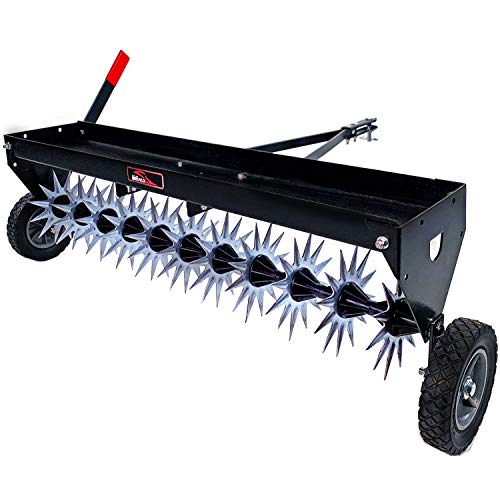
Brinly SAT2-40BH-P Tow Behind Spike Aerator
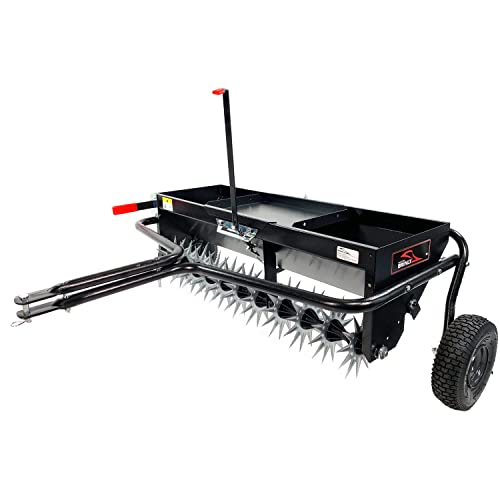
Brinly Tow Behind Combination Aerator Spreader 40-Inch

Walensee Rolling Lawn Aerator with 42 Spikes

Landzie Original Hollow and Spike Tine Lawn Aerator Set

Suchtale 40-Inch Tow Behind Spike Aerator

COCTN Lawn Aerator Tools with Self-Cleaning Design

Grenebo Lawn Aerator Tool with 16 Spikes

Saker Manual Lawn Aerator Tool with 15 Iron Spikes
More Details On Our Top Picks
Brinly’s tow-behind format suits broad lawns that need steady coverage without a lot of hand work. The transport wheels are the detail that saves time around driveways and storage sheds, since moving the unit is less awkward than dragging it everywhere.
The spike layout is a better match for routine upkeep than for deep soil coring, so the trade-off is speed over aggressive penetration. For homeowners with a riding mower or a tractor and a fairly open property, that’s usually the point.
Strong Points
- Tow-behind layout covers long passes with less fatigue.
- Transport wheels make repositioning easier between sections.
- Hammered black finish gives it a work-ready look.
- Pairs well with larger properties that need repeat seasonal use.
Things To Consider
- Spike aeration is less aggressive than hollow-tine methods.
- Needs compatible tow equipment, so setup depends on your machine.
- Bulkier storage than hand tools, which matters in tight garages.
Feature Snapshot
Who It Suits Best
You benefit most from this pick if you maintain a large, open yard and already use tow equipment for outdoor chores.
A Better Fit Elsewhere
Walensee Rolling Lawn Aerator with 42 Spikes suits a smaller property owner who wants manual control without towing gear.
This Brinly model stands out because it pairs aeration with spreading, so one pass can handle more of the lawn-care routine. That matters most for yards that need regular feeding as well as soil opening, especially when your weekend time is limited.
The weight tray is the practical detail here, since tow-behind tools often work better with added mass on firm ground. The trade-off is extra setup and a more involved frame than a single-purpose spike unit, so it fits people who value function over simplicity.
What We Like
- Combination design reduces the number of separate tools you need.
- Weight tray helps the unit stay planted during use.
- 40-inch width suits broad turf without feeling oversized.
- Good match for routine maintenance on residential acreage.
Worth Noting
- Combination tools usually take more time to set up.
- Bulk and moving parts can mean more storage space.
- Best fit depends on wanting both tasks, not just aeration.
Core Details
Who Will Love This
You should look at this pick if your lawn care routine already includes both aerating and spreading, and you want to streamline the work.
Swap It Out When
Brinly SAT2-40BH-P Tow Behind Spike Aerator is the cleaner fit for a shopper who wants a simpler tow-behind setup with less hardware.
Walensee takes the manual route, which gives you more control in narrow side yards, odd-shaped patches, and around landscaping edges. The 42-spike rolling design suits ground that needs frequent attention without the bulk of a tow-behind frame.
The adjustable handle is the detail that makes a difference for different heights and working stances, especially in longer sessions. You may still feel the effort more than with a tractor-towed option, but that’s the trade-off for a lighter, more direct tool.
Highlights
- Rolling design keeps the motion straightforward.
- 42 spikes offer broad contact across each pass.
- Adjustable handle helps fit different working positions.
- Better suited to tight areas than tow-behind models.
Areas To Watch
- Manual rolling takes more physical effort than tow equipment.
- Less efficient for large open acreage.
- Best storage spot still needs room for a long-handled tool.
At A Glance
Right Fit For
You fit this tool best if your yard has corners, narrow runs, or mixed shapes that make towing awkward.
Where A Sibling Pick Shines
Brinly SAT2-40BH-P Tow Behind Spike Aerator is the smarter route for wide lawns where towing saves time and effort.
Landzie gives you both hollow and spike tine options, which is useful when the soil condition changes from season to season. Hollow tines remove small plugs, while spike tines open paths without pulling material out, so you can choose the style that suits the job.
That flexibility makes this set appealing for hands-on users who like adjusting their approach instead of sticking to one method. The trade-off is a more involved tool kit than a single-purpose aerator, so it suits careful work more than quick pass-and-go chores.
Best Bits
- Includes both hollow and spike tine options.
- Stainless steel build suits frequent use outdoors.
- Good fit for spot work and targeted lawn care.
- Lets you match the tool to the soil condition.
Minor Gripes
- More parts means more to keep track of during storage.
- Manual operation asks for time and elbow grease.
- Best suited to focused work rather than huge lawns.
Details At A Glance
Built With In Mind
You’re the right fit for this set if you like choosing a specific aeration style for each part of the yard.
Another Choice May Suit
Grenebo Lawn Aerator Tool with 16 Spikes makes more sense for a shopper who wants a simpler manual tool with less accessory juggling.
Suchtale leans into the wide tow-behind format, and the extra-wide tow bar is the feature that should catch your eye first. That kind of stance helps the tool track more steadily behind an ATV or riding mower, which matters on larger properties and farm edges.
The galvanized steel tines are built for repeated contact with the ground, so this is a sensible pick for regular lawn or pasture maintenance. Compared with Brinly’s tow-behind model, this one feels more focused on secure towing hardware than on moving-friendly extras.
Reasons To Buy
- Extra-wide tow bar supports steadier tracking.
- Galvanized steel tines suit repeated outdoor use.
- 40-inch width helps cover open ground efficiently.
- Good match for ATVs and riding mowers.
Points To Note
- Still a tow-behind tool, so you need compatible equipment.
- Spike action works best for maintenance, not deep core removal.
- Large frame calls for garage or shed space.
Quick Facts
Whose Shelf It Belongs On
You should consider this pick for an ATV or tractor setup where steady towing matters more than compact storage.
Look Elsewhere When
Walensee Rolling Lawn Aerator with 42 Spikes is the better match for a smaller yard that needs manual maneuvering.
COCTN stands out because the height-adjustable frame gives you some control over working depth and comfort. The self-cleaning design is useful in sticky ground or damp turf, where soil buildup can make hand tools feel like a chore.
Fifteen long iron spikes add a sturdy, direct feel, which suits compacted soil in backyards, side strips, and problem spots near paths. In our view, this is a practical middle ground for shoppers who want more adjustability than a basic hand aerator without moving up to a tow-behind unit.
Upsides
- Three height settings help tailor the working feel.
- Self-cleaning design reduces clogging during use.
- 15 iron spikes provide solid ground contact.
- Useful for spot treatment and smaller lawn sections.
Small Caveats
- Manual work still takes steady pressure from you.
- Cleaner handling helps, but storage should stay dry.
- Not as fast across acreage as tow-behind models.
Feature Card
Perfect Match For
You’re the best fit for this tool if your lawn care routine includes tight areas, occasional problem spots, and handheld work.
Where Shoppers Go Wrong
Brinly Tow Behind Combination Aerator Spreader 40-Inch fits a person who wants tow-behind coverage and spreading in the same pass.
Grenebo keeps things straightforward, and that pre-assembled setup is the main reason it feels easy to live with. For quick touch-ups around a standard yard, you don’t have to spend much time figuring out parts before you start working.
The automatic soil-ejection feature is useful because clogged tines slow a hand tool down fast. Compared with COCTN’s adjustable frame, this one is simpler and less adjustable, but that simplicity can be the point for routine lawn care.
Bright Spots
- Pre-assembled format saves setup time.
- Automatic soil ejection helps keep the tines clearer.
- 16 spikes give you broad contact for a hand tool.
- Simple design suits repeat weekend maintenance.
Softer Spots
- Less adjustable than some other manual tools.
- Hand operation still asks for steady effort.
- Best for small to medium spaces rather than wide acreage.
Core Details
The Right Fit
You should grab this one if you want a simple manual aerator for regular upkeep with minimal setup.
Another Choice May Suit
Saker Manual Lawn Aerator Tool with 15 Iron Spikes is a better fit for someone who wants adjustable height and a more feature-forward hand tool.
Saker is the hand tool in this group that leans hardest into ergonomic details, starting with the included gloves and the adjustable height. The double-layer soil-ejecting spring helps the tool clear material as you work, which is a nice touch for a patio strip, garden edge, or smaller yard.
That setup makes it more comfortable than a bare-bones spike tool, though it still belongs in the manual category, so effort is part of the deal. Compared with Grenebo’s simpler pre-assembled design, this one feels more tuned for users who want a little more control and a little more support in the hand.
Plus Points
- Adjustable height helps you tune the working feel.
- Double-layer soil-ejecting spring supports cleaner passes.
- Included gloves add welcome hand protection for chores.
- Compact format suits patios, gardens, and tight lawns.
Room For Improvement
- Manual use still takes time and steady pressure.
- Smaller footprint is less efficient on big lawns.
- Extra features mean a little more to store and keep track of.
Technical Sheet
Who Should Grab It
You fit this pick well if your yard work centers on smaller spaces and you want a hand tool with extra comfort touches.
Reach For A Different Pick When
Brinly SAT2-40BH-P Tow Behind Spike Aerator is the better route for a large property where towing cuts the workload.
How To Choose The Right Commercial Lawn Aerators
Match The Format To The Property
Tow-behind aerators make sense for open acreage, long driveway borders, and lawns that already require a mower or ATV. Hand tools fit tighter side yards, garden paths, and jobs where you want direct control around landscaping.
That split matters more than most specs because size changes the way the work feels. A 40-inch tow-behind frame can save hours of repeated passes, while a manual rolling tool gives you finer movement in awkward corners.
Spike, Hollow, And Combination Designs
Spike models press holes into the turf, which suits routine maintenance and lighter compaction. Hollow tine models remove small plugs, which is a better match for denser soil that needs a stronger intervention.
Combination units sit between those two approaches and give you flexibility across seasons. They take a little more setup and storage space, but that extra range can be useful for properties that face different soil conditions across the year.
Think About Control, Weight, And Comfort
Manual aerators with adjustable handles or height settings are easier to live with during longer sessions. A self-cleaning design or soil-ejecting spring also helps keep the tool moving instead of stopping to clear buildup.
Heavier tow-behind models depend on your equipment, but they reduce hand strain and work well on broad, flat ground. For smaller yards, the honest read is that a lighter manual tool is often the better trade, even if it asks more from your arms.
Pay Attention To Storage And Maintenance
Steel tines, galvanized parts, and stainless frames tend to suit outdoor use better than lightweight finishes that need extra care. You still want a dry shed or garage corner, since moisture and soil residue can shorten the pleasant part of ownership: easy retrieval and easy cleanup.
Tools with more parts, like combination units or accessory sets, need a little more organization. That’s not a problem for someone with labeled storage and a regular yard routine, but it can feel clumsy in a cramped garage.
What To Weigh Before You Decide
Wrong Turns To Avoid
One common mistake is sizing up too far and ending up with a frame that’s hard to store or awkward to move. Another is choosing a spike tool for ground that really needs hollow-tine work, which can leave the lawn looking busy without changing the soil enough.
You also want to think past the first use. A tool that seems simple in the listing may be annoying later if it needs a tow vehicle, extra assembly, or more cleanup than you want to handle after a long workday.
The Upgrade Payoff
Higher-tier aerators usually cost more because they bring stronger materials, added width, adjustable frames, or dual-use designs. Those extras matter on rough ground, repeated seasonal jobs, or properties where a cheaper hand tool would wear you out too quickly.
That said, spending up only pays off when the feature list matches your routine. For a small lawn, a straightforward manual pick can be the smarter move, while larger properties tend to justify the sturdier tow-behind builds.
Frequently Asked Questions
What type of aerator works best for a large lawn?
A tow-behind model usually fits the job because it covers more ground with less effort. A 40-inch frame also helps you finish broad passes faster.
Do spike aerators work as well as hollow tine tools?
Spike aerators suit regular upkeep and lighter compaction. Hollow tine tools are better when the soil needs a more aggressive approach.
Are manual aerators hard to use?
They take more physical effort than tow-behind options, especially on firm soil. Adjustable handles and self-cleaning features can make the work feel smoother.
What should you store an aerator in between uses?
A dry garage or shed is the safest everyday choice for most steel tools. Keeping soil residue off the tines also makes the next use easier.
Is a combination aerator spreader worth considering?
It makes sense when you already handle spreading as part of your lawn routine. The extra setup is easier to justify when you want two jobs from one frame.
Closing Thoughts
The right commercial lawn aerator depends less on the title and more on the work ahead of you. Wide tow-behind picks suit open turf and repeated seasonal passes, while manual tools stay useful for tighter areas and more careful control. Features like adjustable height, transport wheels, self-cleaning designs, and combination frames each solve a different problem, so the best choice is the one that fits your ground, your storage space, and your routine. A good match makes yard work feel less like a chore and more like a plan.
