

Automatic mowing gets interesting once your yard stops being small and tidy. You’re likely comparing robot-style mowers, remote-control slope machines, and riding options that can cover more ground without turning lawn care into a weekend chore. This roundup keeps the focus on fit, terrain, and the kind of yard work you actually face.
The Shortlist At A Glance

YARBO Robot Lawn Mower, Wire-Free Modular Design

ECOVACS Goat A2000 LiDAR PRO Robotic Lawn Mower
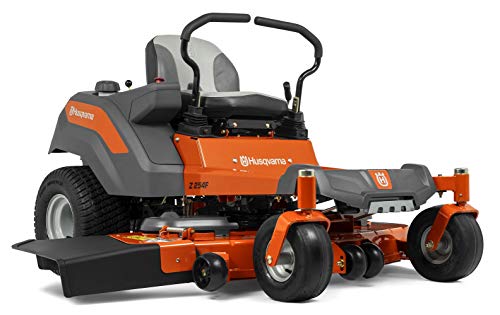
Husqvarna Z254F 54 in. 23 HP Kawasaki Riding Mower

Honda HRX-BE 21-Inch Battery Walk-Behind Mower

Litheli 16.5-Inch Cordless Brushless Lawn Mower
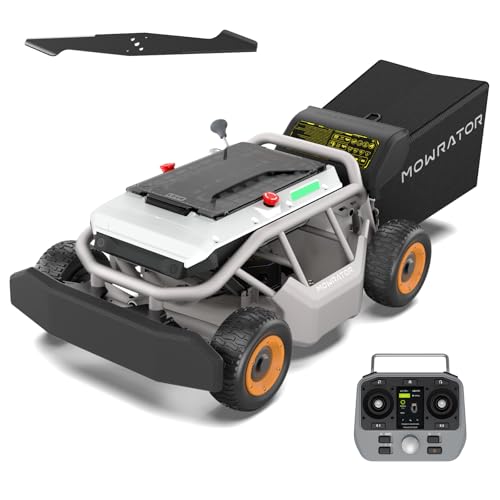
Mowrator S1 4WD 12Ah Remote Control Lawn Mower

EGO Power+ Z6 Zero Turn Electric Riding Lawn Mower 52-Inch Deck
More Details On Our Top Picks
The YARBO stands out for yards that feel more like grounds than lawns. Wire-free setup matters here, because you’re not laying boundary cable before every season shift, and the modular design gives this pick a broader job than a basic robot mower.
Its AI vision and RTK navigation, which uses satellite-based positioning for more precise route planning, suit properties with changing layouts, wider open areas, and long edges. The trade-off is that a complex machine like this asks more of your space and budget, so it fits best when you want coverage first and simplicity second.
Strong Points
- Wire-free operation keeps setup cleaner than wired robot systems.
- Coverage for up to 6 acres suits larger properties with less babysitting.
- Dual 150W motors bring useful muscle for demanding terrain.
- 20-inch cutting width helps cover more ground per pass.
- Auto-charging supports a hands-off routine once the yard is mapped.
Things To Consider
- The modular concept adds flexibility, but it also makes the system feel more complex than a straightforward mower.
- IPX5 means splash resistance, not invincibility, so storage and cleaning still matter after wet weather.
- Very tight, cluttered yards may not suit a machine built for scale and open coverage.
Feature Snapshot
Who It Suits Best
Property owners with large, uneven lawns and a preference for automation get the most from this one.
A Better Fit Elsewhere
ECOVACS Goat A2000 LiDAR PRO Robotic Lawn Mower fits smaller half-acre yards that want wire-free mapping without stepping up to YARBO’s larger-scale setup.
This ECOVACS model feels aimed at the homeowner who wants robot convenience without sizing up to a massive machine. Dual-LiDAR mapping, meaning two laser-based sensors build the yard map, should help it read boundaries more consistently than simpler vision-only setups.
The built-in edge trimmer is the practical part that matters most in daily use, especially along walkways and fence lines where robotic mowers often leave a thin strip behind. You may still need a little cleanup in tight corners, but for a half-acre yard, the balance between automation and finish work is appealing.
What We Like
- Wire-free mapping removes the hassle of perimeter cable installation.
- Dual-LiDAR auto mapping supports careful yard detection.
- TruEdge trimming helps reduce the amount of manual edging later.
- AIVI 3D obstacle avoidance is useful around garden furniture and play equipment.
- Smart app control gives you more control over schedules and zones.
Worth Noting
- Half-acre coverage suits smaller properties more than sprawling ones.
- Dense clutter or unusually narrow passages can still make any robot mower work harder.
- App-driven features add convenience, but they also reward a little setup patience.
Core Details
Who Will Love This
Busy suburban homeowners with a manageable lawn and a strong dislike of cable installation will appreciate this one most.
Swap It Out When
YARBO Robot Lawn Mower makes more sense for larger acreage and steeper slopes that go beyond half-acre territory.
Once a lawn gets wide enough, time spent turning matters almost as much as cutting width. The Z254F’s zero-turn layout is built for that kind of work, letting you pivot tightly around trees, beds, and long fence runs without a lot of extra steering correction.
The 54-inch deck and 23 HP Kawasaki engine point toward open acreage and faster passes, though the honest read is that this kind of machine wants room to breathe. It suits owners who value speed and control more than small-yard convenience, and it compares cleanly with the robot picks above because it still puts you in the seat.
Best Bits
- 54-inch deck covers broad sections quickly.
- Zero-turn steering helps tighten maneuvering around obstacles.
- 23 HP Kawasaki engine supports stronger mowing performance.
- Good fit for large properties where riding comfort matters.
Small Caveats
- It needs storage space and a fair amount of room to operate.
- Zero-turn control has a learning curve for first-time riding mower users.
- This is a traditional gas-powered choice, so upkeep is more involved than with battery options.
At A Glance
Made For
Owners of large, open yards who want a seat, a wide deck, and quick turnaround between rows will get the most from this model.
Another Choice May Suit
EGO Power+ Z6 Zero Turn Electric Riding Lawn Mower fits the same broad-lawn crowd that wants electric power and a lower-noise routine.
The Honda HRX-BE sits in a nice middle lane for homeowners who want cordless convenience without giving up a self-propelled feel. Its 21-inch deck is easier to thread through side yards than the wider riding machines, and the variable-speed drive should feel more natural on mixed lawns.
Two battery bays matter because they give you a more flexible power setup than a single-pack mower, and the 2.2-bushel bag keeps clippings contained for cleaner finish work. It’s a sensible pick for weekly mowing in neighborhoods where a riding mower would feel oversized, though the narrower deck also means more passes across open space.
Highlights
- Variable-speed self-propelled drive helps match your walking pace.
- Two battery bays add flexibility for longer mowing sessions.
- 2.2-bushel collection bag supports cleaner clipping pickup.
- 21-inch width fits gates and tighter lawn sections well.
Areas To Watch
- Smaller deck width takes longer on wider lawns.
- Bagging adds a little more maintenance after each mow.
- It suits ground-level mowing better than steep terrain or very large acreage.
Details At A Glance
Right Fit For
Suburban homeowners with a medium lawn and a preference for battery-powered handling will appreciate this setup.
Look Elsewhere When
Husqvarna Z254F 54 in. 23 HP Kawasaki Riding Mower makes more sense for open acreage that rewards a wider deck and seated operation.
The Litheli is the easiest fit for smaller yards that don’t need a lot of hardware drama. A brushless motor, meaning the motor runs without carbon brushes that wear in a traditional design, usually points to smoother upkeep and a cleaner ownership feel.
Two 4.0Ah batteries give you a practical cordless setup, and the six height settings let you fine-tune the cut for seasons or grass type. Compared with Honda’s larger, more polished feel, this one stays simpler and lighter, which is exactly why it works for garden paths, compact lawns, and quick weekend trims.
Positives
- Cordless design keeps movement easy around garden beds and corners.
- Brushless motor support can mean less routine fuss over time.
- Two 4.0Ah batteries add useful flexibility for typical small-yard jobs.
- Six height settings help you match the cut to the season.
Points To Note
- 16.5-inch width is more suited to smaller spaces than broad lawns.
- Light-duty framing makes it a simpler choice than the more substantial ride-on models.
- Battery storage and charging habits matter more when you rely on cordless equipment.
Technical Sheet
Best Suited To
Homeowners with small lawns, garden borders, and a preference for straightforward cordless mowing will feel right at home here.
Where A Sibling Pick Shines
Honda HRX-BE 21-Inch Battery Walk-Behind Mower suits you better once your lawn is big enough to benefit from a wider deck and self-propelled control.
Steep property owners will look at the Mowrator S1 differently from the robot mowers above, because remote control changes the whole experience. The 4WD layout, meaning power goes to all four wheels, gives it a clear advantage on rough ground and helps explain why slope handling is such a big part of its identity.
Its 12Ah LiFePO4 battery, a lithium iron phosphate pack known for stable cell chemistry, supports up to 0.75 acre and pairs well with the 1.5 to 4.3 inch cutting range. The trade-off is that you’re still piloting it, so this is better viewed as a terrain tool than a hands-off robot.
Upsides
- Remote control keeps you in charge on difficult slopes.
- 4WD layout helps it maintain traction on rougher ground.
- 21-inch deck gives a useful blend of reach and maneuverability.
- 12Ah battery support suits medium-sized properties.
- Height range from 1.5 to 4.3 inches adds cut flexibility.
Honest Caveats
- Remote operation still means active involvement, not full automation.
- It makes the most sense where grades and terrain are the main challenge.
- Battery care and charging habits remain part of ownership.
Spec Overview
The Right Fit
Property owners with steep, uneven, or hard-to-walk lawns will benefit most from the remote-control approach.
Skip It When
ECOVACS Goat A2000 LiDAR PRO Robotic Lawn Mower makes more sense for smaller, flatter yards where hands-off mapping is the real goal.
The EGO Z6 is the kind of riding mower that makes sense once your lawn is large enough to justify stepping up from walk-behind work. A 52-inch deck gives you real width, and the zero-turn layout helps you move around trees and landscaping with less awkward steering.
Electric riding mowers usually appeal to owners who want a cleaner routine than gas upkeep, and this one lands squarely in that lane. The honest read is that it’s a bigger commitment than the Honda or Litheli picks, but for large properties, the combination of seating, width, and maneuvering can be the right balance.
Bright Spots
- 52-inch deck supports broad, efficient coverage.
- Zero-turn handling helps around trees and beds.
- Electric riding format keeps the routine simpler than gas alternatives.
- Strong fit for larger lawns where seated mowing saves time and effort.
Room For Improvement
- Large riding equipment needs more storage and turning space.
- The size makes it unnecessary for smaller suburban lawns.
- Owners with uneven ground may still want to think through layout and traction needs carefully.
Feature Card
Whose Shelf It Belongs On
This fits homeowners with large lawns who want the comfort of riding and the efficiency of electric operation.
Reach For A Different Pick When
Husqvarna Z254F 54 in. 23 HP Kawasaki Riding Mower suits you better when gas power and a traditional riding layout matter more than electric ease.
How To Choose The Right Automatic Riding Lawn Mowers
Match The Mower To The Yard
Coverage matters before almost anything else. A half-acre robotic mower fits a suburban lot, while YARBO’s six-acre reach makes sense on sprawling property, and the riding models suit lawns where seated control saves real time. A machine that is too small spends your weekends playing catch-up.
Think About Terrain First
Slope handling and traction are not side notes. Mowrator S1 is built around steep ground with 4WD and remote control, while YARBO’s 70% slope capability points toward more demanding landscapes, and the Husqvarna and EGO riders suit broader, flatter work zones. For uneven yards, ground grip matters as much as deck width.
Decide How Hands-On You Want To Be
Robot mowers minimize routine labor, but they ask for setup and mapping, and the app-based models reward a little patience. Walk-behind and riding units give you more direct control, which helps on odd-shaped lawns or when you want to finish in one focused session. That trade is simple: less effort later usually means more planning now.
Weigh Storage, Maintenance, And Cleanup
A compact battery mower slips into a garage corner more easily than a riding mower, and it usually asks for less cleanup than gas gear. Larger units bring wider decks and stronger output, but they also need more space, more upkeep, and a little more attention after wet cuts. For busy households, convenience often comes down to what you can store and clean without thinking twice.
A Quick Reality Check
Common Shopping Slip Ups
Many people overbuy deck width for a small lawn or underbuy coverage for a bigger one. Another common miss is ignoring gates, narrow passages, and storage space, which can turn an appealing machine into a daily nuisance.
What The Higher Tier Buys
More expensive options usually bring better navigation, stronger drive systems, wider decks, or more capable batteries. That extra cost starts to make sense once your yard is large, sloped, or full of obstacles that punish smaller machines.
Frequently Asked Questions
Are automatic riding lawn mowers good for steep yards?
Some are, but slope handling varies a lot by model. Mowrator S1 and YARBO are the most terrain-focused choices in this list.
Do robot mowers still need setup?
Yes, even wire-free models need mapping and app setup. Once that’s done, they can handle routine mowing with less effort from you.
Is a wider deck always better?
No, because wide decks help on open ground but feel clumsy in tight side yards. A 21-inch walk-behind can be a smarter match for narrower spaces.
What’s the biggest difference between gas and electric riding mowers?
Gas models usually bring familiar power and longer refueling flexibility, while electric rides often keep routine maintenance simpler. The better choice depends on yard size, storage, and how much upkeep you want.
Which mower type fits a half-acre lawn best?
A wire-free robot mower like the ECOVACS Goat A2000 LiDAR PRO is a natural fit. It keeps the lawn trimmed without asking you to sit on a ride-on mower for that amount of ground.
Final Thoughts
You’ve got real options here, but the right one depends on your yard more than the label on the box. Large acreage points toward YARBO or the EGO riding mower, smaller robot-ready lawns suit ECOVACS, and steep ground pushes Mowrator into the conversation fast. For simpler weekly mowing, Honda and Litheli keep life easier. The best pick is the one that fits your layout and your routine without making either of them harder.
