

Choosing a lawn mower gets easier once you match the machine to your yard, your slope, and how much upkeep you want to handle. A reel mower can keep small, tidy lawns neat with very little fuss, while gas self-propelled picks make more sense for thicker grass, uneven ground, and bigger stretches. Corded electric models sit in the middle, especially for shorter runs and smaller properties where extension-cord reach won’t be a headache. The list below focuses on practical fit, not hype.
The Shortlist At A Glance
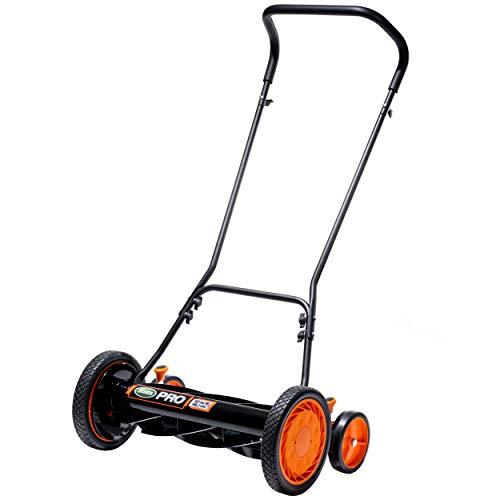
Scotts 716-18S 18-Inch Reel Mower

PowerSmart EasyCut 18-Inch Gas Lawn Mower

YARDMAX 22 in. 201cc Select PACE YG2860

PowerSmart 21-Inch Gas Self-Propelled Lawn Mower

AMERISUN 21-Inch Gas Lawn Mower

American Lawn Mower Company 51319 19-Inch Corded Mower

YARDMAX 24 in. 201cc Electric Start Select PACE

SENIX 22-Inch 201cc Rear Wheel Self-Propelled Mower

21-Inch Self-Propelled Gas Lawn Mower, 170cc 4-Cycle
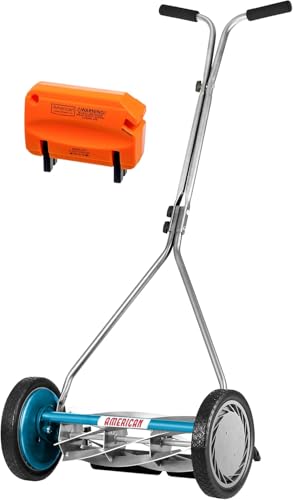
American Lawn Mower 2607-16 16-Inch Reel Mower
More Details On Our Top Picks
For a small yard with regular mowing, this reel mower keeps things simple. The 18-inch cut width and 7-blade reel, meaning the spinning cutting cylinder, suit trim lawns that stay fairly even from week to week.
It asks less from you than a gas machine, and that’s the appeal. Compared with the heavier self-propelled picks later in the list, this one makes more sense for a tidy city lawn or a homeowner who wants quieter upkeep and fewer moving parts.
What We Like
- Seven blades help create a neat, scissor-like cut on well-kept grass.
- The 18-inch width covers modest lawns without feeling bulky in storage.
- No fuel mix or engine start routine keeps routine mowing straightforward.
- Light upkeep suits you well if you prefer a simpler seasonal tool.
Things To Consider
- Thicker or overgrown grass can ask more effort from you than a gas mower would.
- The reel style works best on level turf, so rough ground can feel less forgiving.
- Blade sharpening and alignment still matter over time, which is normal for reel mowers.
Feature Snapshot
Who It Suits Best
You get the most from this mower in a compact, even yard where quiet operation matters more than raw power.
A Better Fit Elsewhere
American Lawn Mower Company 51319 19-Inch Corded Mower suits you better when you want electric convenience but still need more flexibility than a reel design offers.
PowerSmart gives you a compact gas mower with a 144cc four-stroke OHV engine, meaning overhead valves that tend to support smoother airflow and sensible fuel use for this class. The 18-inch deck keeps the machine manageable, which helps in narrow side yards, around fences, and through tighter gate openings.
Compared with the Scotts reel mower, this one brings more muscle for mixed grass conditions and less-perfect lawns. The trade-off is the usual gas-mower routine, fuel, storage, and seasonal maintenance, so it suits you best when convenience matters less than coverage and flexibility.
Highlights
- Three mowing modes let you mulch, bag, or side discharge.
- The steel deck adds a more durable feel for regular outdoor use.
- Six height settings make it easier to match seasonal grass growth.
- The push design keeps the mower lighter than many self-propelled gas options.
Small Caveats
- You still need to handle fuel, oil, and normal engine care.
- An 18-inch deck can take longer on broad lawns than the wider YARDMAX choices.
- Push-only operation asks more from you on slopes or dense turf.
Core Details
Made For
You fit this mower best if you want gas-powered flexibility for a medium-maintenance yard without stepping up to a large self-propelled model.
Swap It Out When
AMERISUN 21-Inch Gas Lawn Mower is the better match for you if a wider deck and heavier-duty steel construction matter more than compact size.
YARDMAX leans into control, with a 6-speed CVT, meaning a continuously variable transmission that lets the mower change pace smoothly instead of jumping between fixed gears. That matters on sloped yards or long, uneven runs, where pace matching can feel as important as blade width.
Compared with the smaller PowerSmart gas models, the 22-inch deck should cover more ground with each pass, which helps on larger lawns. You do give up some easy-breathing simplicity, though, because a heavier self-propelled mower asks for more storage room and more care around fuel handling.
Upsides
- Self-propelled drive reduces the push effort on longer mowing sessions.
- The 22-inch deck can trim broad lawns faster than 18-inch picks.
- High wheels help with rougher patches and uneven terrain.
- Select PACE speed control lets you match your walking rhythm more naturally.
- The 3-in-1 setup gives you more control over clippings.
Room For Improvement
- Its size takes more storage space than compact reel or corded models.
- Gas upkeep is part of the package, including regular cleaning and refueling.
- YARDMAX notes hazardous-material shipping on this listing, so handling expectations are different from lighter electric picks.
Details At A Glance
Right Fit For
You suit this mower best when your yard has slope, length, or thicker growth that makes push mowing a chore.
Another Choice May Suit
PowerSmart 21-Inch Gas Self-Propelled Lawn Mower fits better for you if you want rear-wheel drive and a slightly smaller footprint for medium yards.
This one is built around rear-wheel drive, which usually feels steadier on hills than a push mower. The 170cc OHV engine and 21-inch deck make a sensible pairing for medium yards where you want progress without hauling around a wider machine.
Compared with the YARDMAX 22-inch option, the PowerSmart looks a touch more middle-ground and less work-focused. That makes it a good fit for mixed terrain and ordinary weekly mowing, though you should still expect the normal gas-engine upkeep that comes with any self-propelled model.
Strong Points
- Rear-wheel drive helps with traction on slopes and uneven ground.
- Three cutting modes give you usable options for different lawn conditions.
- Six height positions make seasonal adjustments fairly simple.
- The alloy steel deck should hold up well in regular yard work.
- Easy-start design is helpful when you want less start-up fuss.
Points To Note
- Gas upkeep remains part of ownership, including fuel storage and cleaning.
- The deck is wide enough for medium yards, but not as fast as 24-inch machines.
- Self-propelled drive adds weight and complexity compared with a basic push mower.
Feature Rundown
The Right Fit
You get the best match here if your yard has a few slopes and you want self-propelled help without stepping into a very large mower.
Look Elsewhere When
YARDMAX 24 in. 201cc Electric Start Select PACE is the better fit for you if your property is larger and you want a wider pass with electric start convenience.
AMERISUN keeps the formula straightforward: a 144cc four-stroke engine, a 21-inch deck, and a steel build that should suit routine lawn work without much drama. You may appreciate that kind of no-nonsense layout in a yard where the grass is not always perfectly even.
It feels closer to the PowerSmart 21-inch gas mower than to the more control-heavy YARDMAX picks, but the heavy steel deck gives it a sturdier personality. The trade-off is that a stronger-feeling mower can still be more work to store and maintain than a corded or reel design.
Bright Spots
- Three cutting paths let you mulch, bag, or side discharge.
- Six height settings make it easy to tune the cut for the season.
- The steel deck gives you a durable-feeling frame for repeat use.
- The 21-inch width works well for ordinary suburban yards.
Areas To Watch
- Push operation can feel demanding on hills or thick spring growth.
- Gas engines bring routine cleaning and fuel-handling chores.
- The listing gives you fewer control details than the YARDMAX models, so the feature set is simpler.
Core Details
Who Should Grab It
You fit this mower best if you want a basic, sturdy gas option for a regular yard and do not need extra drive features.
Skip It When
PowerSmart 21-Inch Gas Self-Propelled Lawn Mower is the better match for you if hillside traction matters more than a simpler push setup.
The corded layout keeps this mower refreshingly direct: plug it in, mow, and skip fuel storage entirely. A 13-amp motor, meaning the electrical current draw that powers the blade, gives you a practical middle ground for small yards where extension-cord reach is easy to manage.
Compared with the gas picks in this roundup, it should feel cleaner to live with and lighter on routine upkeep. The catch is obvious, though, the cord can limit range, so you benefit most in compact yards with simple geometry and a nearby outlet.
Best Bits
- Electric power keeps day-to-day use simpler than gas mowing.
- The 19-inch deck gives you more reach than the reel mowers here.
- Its corded setup avoids fuel mixing and engine storage concerns.
- The mower suits smaller urban lawns especially well.
Worth Noting
- Your mowing range depends on cord management and outlet access.
- Dense or tall grass may ask more of a corded motor than a gas engine would.
- You need to keep an eye on cord placement around trees and beds.
Quick Facts
Best Suited To
You suit this mower best if your lawn is small, fairly simple, and close enough to an outlet that cord length won’t become a nuisance.
A Better Fit Elsewhere
Scotts 716-18S 18-Inch Reel Mower is the better match for you if you want even less upkeep and your grass stays neat without powered cutting.
The 24-inch deck is the first thing that matters here, because wider coverage can shorten mowing sessions on big lawns. Add electric start and you get a setup that feels more user-friendly than a pull-start gas machine, especially on weekends when you want less friction.
Compared with the 22-inch YARDMAX, this version pushes coverage a bit further, which can be worth it on expansive yards. The trade-off is the same familiar one, size and weight increase along with the convenience, so storage space and maneuvering room matter.
Reasons To Buy
- The 24-inch deck helps cover more ground with each pass.
- Electric start makes startup feel more approachable for routine use.
- Rear-wheel drive can help steady the mower on sloped sections.
- The 6-speed CVT gives you pace control across different mowing zones.
- High wheels are useful on uneven lawns and rough transitions.
Minor Gripes
- It takes up more garage or shed room than smaller mowers.
- Gas maintenance is still part of ownership.
- The larger footprint can feel less nimble in tight side yards.
Technical Sheet
Whose Shelf It Belongs On
You belong with this mower if you have a large lawn and want to reduce the time spent making repeated passes.
Where Another Pick Suits Better
YARDMAX 22 in. 201cc Select PACE YG2860 is the better fit for you if you want similar control in a slightly smaller frame.
SENIX gives you the familiar self-propelled, rear-wheel-drive formula, which tends to feel useful on yards with some slope or patchy turf. The 201cc four-cycle engine and steel deck add to that workhorse feel, and the 22-inch width places it squarely in the broad-yard category.
Compared with the PowerSmart 21-inch self-propelled pick, this model leans slightly larger and more feature-complete on paper. That broad appeal is helpful, though the trade-off is a mower that asks for the usual gas-engine storage and care, which some households will accept more easily than others.
Positives
- Rear-wheel drive helps the mower stay composed on uneven sections.
- The 22-inch deck covers a generous amount of ground each pass.
- Mulching, bagging, and discharging give you useful clipping choices.
- The steel deck brings a sturdier feel for regular yard duty.
Areas To Watch
- Gas upkeep is part of the ownership routine.
- The larger frame can be less convenient to store than smaller push mowers.
- Some yards may not need this much mower for lighter weekly trimming.
Feature Card
Built With In Mind
You fit this mower best if you want one machine that can handle mixed yard conditions without feeling overly specialized.
Where A Sibling Pick Shines
PowerSmart 21-Inch Gas Self-Propelled Lawn Mower is the better fit for you if you want a slightly smaller deck and a more compact feel on medium yards.
This mower covers the essentials cleanly, with a 170cc four-cycle engine and self-propelled assist that should help in ordinary suburban mowing. The included 1.9-bushel grass bag gives you a concrete collection option, which matters if you prefer tidier cleanup after each pass.
Compared with the SENIX and PowerSmart self-propelled mowers, it lands in the middle of the pack on size and flexibility. That middle ground is useful for many yards, though you may find the lack of a more detailed feature list makes it feel less tailored than the more fully described picks.
Standout Traits
- Three cutting modes let you adapt to lawn conditions.
- The 7-position height range gives you a finer cut adjustment.
- The included grass bag helps with tidy clipping collection.
- Self-propelled support reduces effort in normal mowing sessions.
Honest Caveats
- The product details give you less clarity than several other mowers here.
- Gas upkeep still applies.
- The 21-inch deck is practical, though not as time-saving as the 24-inch YARDMAX option.
At A Glance
The Right Fit
You suit this mower best if you want a straightforward self-propelled machine for routine lawn care with a good spread of cutting settings.
Reach For A Different Pick When
YARDMAX 22 in. 201cc Select PACE YG2860 is the better choice for you if you want more pace control and a stronger hillside feel.
The 2607-16 narrows the reel-mower idea down to a more compact 16-inch footprint, which can make trimming and storage easier in smaller spaces. The included sharpener matters because reel blades perform best when they stay properly maintained, and that is the kind of detail that helps you keep a clean cut over time.
Compared with the Scotts 18-inch reel mower, this one feels a bit more compact and even more storage-friendly. That’s useful for smaller lawns or occasional touch-up mowing, though it won’t suit overgrown grass as comfortably as the gas models in the middle of the list.
Best Bits
- The 16-inch width is easy to store and maneuver.
- Seven blades support a neat, controlled cut on maintained grass.
- The included sharpener helps with ongoing reel care.
- The compact frame suits light residential mowing nicely.
Room For Improvement
- The smaller width means more passes on medium lawns.
- Reel mowers work best when the grass is kept reasonably short.
- Thicker growth can make the mower feel less forgiving than gas options.
Spec Overview
Whose Shelf It Belongs On
You belong with this mower if your lawn is small, tidy, and easy to keep on schedule.
Not Your Match When
PowerSmart EasyCut 18-Inch Gas Lawn Mower suits you better if you need more power for less predictable grass growth.
How To Choose The Right American Made Lawn Mowers
Match The Drive To Your Yard
Drive style changes the whole mowing feel. Push mowers keep weight and upkeep low, but they ask more from you on hills and thicker turf. Self-propelled models help on slopes and longer lawns because the mower does part of the work, which is a real comfort when the grass runs long after rain.
Rear-wheel drive usually suits hills better than front-wheel drive, since the rear wheels keep more planted traction. A front-wheel setup can still work well on flatter yards where turning matters more than pulling power. The right call depends less on brand and more on how much ground you cover each week.
Think About Cutting Width And Yard Size
Deck width, meaning the span the blade covers in one pass, changes how fast the job feels. A 16- or 18-inch mower fits smaller lawns and narrow gates nicely, while 21- or 22-inch decks make more sense for medium yards. The 24-inch YARDMAX earns its keep on larger properties because fewer passes usually mean less time behind the handle.
That bigger deck does come with a trade-off, though, because storage and turning room matter more as size climbs. Compact yards often benefit more from a smaller mower that threads around beds, fences, and corners without much fuss. You save yourself a lot of awkward backtracking by matching width to the lawn instead of chasing a larger machine for its own sake.
Choose Power Source Based On Maintenance Tolerance
Gas mowers suit yards with thicker growth, slopes, and irregular cut schedules. They also bring the usual responsibilities, fuel handling, oil checks, cleaning, and seasonal storage. That makes them a better fit for you only when the extra power actually earns its place.
Corded electric models cut the maintenance load sharply, which is useful for small urban lawns. Reel mowers go even further, since they avoid fuel and motors altogether, but they work best when your grass stays reasonably even and not too tall. The cleanest choice is the one that matches how often you mow, not just how big your yard looks on paper.
Pay Attention To Clipping Control And Build Materials
Mulching returns fine clippings to the lawn, bagging collects them, and side discharge spreads them out as you mow. Those choices affect cleanup time and how polished the yard looks after the job. A 3-in-1 mower gives you flexibility, which helps when the lawn changes through the season.
Deck material matters too. Steel decks usually feel sturdier for regular outdoor use, while alloy steel can add a slightly lighter structure in some models. If you mow often, a solid deck and sensible height adjustment range help the mower age better in day-to-day use.
What To Weigh Before You Choose
Mistakes Worth Dodging
A common slip-up is buying for engine size alone and forgetting the yard shape. A strong gas mower still feels clumsy in a tiny side yard with tight turns, while a smaller reel mower can feel too limited on tall spring grass.
Another mistake is ignoring upkeep. Gas models need more care than corded or reel options, and that extra work only makes sense when you truly need the added output.
When Paying More Pays Off
Higher-tier mowers usually charge more for self-propelled drive, wider decks, better traction control, and easier starting systems. Those features matter most on bigger lots, sloped terrain, or lawns that need repeated mowing across the season.
You can often keep spending in check by skipping features you won’t use. A smaller lawn with easy access to an outlet rarely needs the same machine as a wide, bumpy property that pushes a mower hard every weekend.
Frequently Asked Questions
Are reel mowers a good fit for American-style suburban lawns?
They work well on smaller, even lawns that stay trimmed regularly. Taller or rougher grass can make them feel less practical.
Does a self-propelled mower help on hills?
Yes, self-propelled drive reduces the push effort and usually feels easier on slopes. Rear-wheel drive is often the steadier match for uneven ground.
Is a corded electric mower enough for a small yard?
It usually is, especially when the yard is compact and the outlet access is simple. Cord management becomes the main thing to think about.
Why do some mowers offer mulching, bagging, and discharge?
Those modes let you manage clippings in different ways depending on lawn conditions. Mulching keeps clippings finer, while bagging and discharge handle heavier cutting sessions more directly.
Which mower type needs the least upkeep?
Reel mowers and corded electric mowers usually ask for the least routine care. Gas models bring more maintenance, which suits you only when the extra power is worth it.
Final Thoughts
The right mower depends on how your yard actually behaves, not just on the label on the box. Small, even lawns often suit reel or corded picks, while slopes and thicker grass lean toward self-propelled gas models with wider decks and stronger traction. If you choose by yard size, terrain, and how much upkeep you want to handle, the shortlist gets much easier to sort. A good mower should fit your routine as naturally as your schedule does.
