

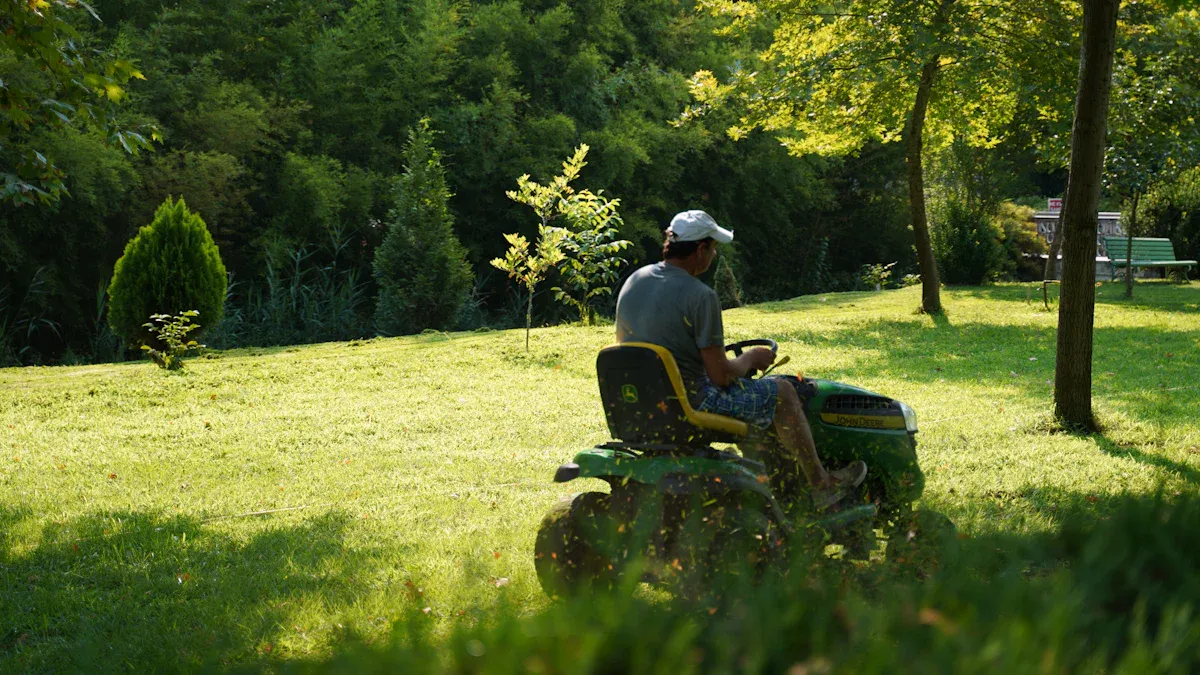
Operating a lawn mower involves risks that can lead to severe injuries. Statistics show that injuries related to lawn mowers result in thousands of incidents each year. You must prepare properly and remain aware of your surroundings. Always follow safety practices to protect yourself and others while mowing.
Key Takeaways
Always wear protective gear, including steel-toe boots, eye shields, and hearing protection, to reduce the risk of injury while mowing.
Before mowing, survey your lawn for debris and hazards. Remove sticks, stones, and toys to prevent accidents.
Keep children and pets at a safe distance from the mowing area. Establish a clear safe zone to minimize risks during operation.
Know Your Mower

Understanding your lawn mower is crucial for safe operation. Different types of mowers serve various needs, and knowing their features helps you choose the right one for your lawn.
Types of Lawn Mowers
You can find several types of lawn mowers on the market. Here are the most common ones:
Gas-Powered Mowers: These mowers are known for their high performance. They work well on larger lawns and can handle thick grass. However, they require regular maintenance, such as checking the spark plug and air filter.
Electric Mowers: Electric mowers are user-friendly. They often start with a simple push of a button. These mowers are quieter and have lower running costs, making them ideal for residential areas. They do have limitations, such as battery life and charging needs.
Manual Mowers: These mowers require physical effort to operate. They are eco-friendly and perfect for small lawns. However, they may not be suitable for thick grass or uneven terrain.
Key Features
When selecting a lawn mower, consider the following key features:
Feature | Gas-Powered Mowers | Electric Mowers |
|---|---|---|
Cost | Generally lower initial cost | May have higher upfront costs but lower running costs |
Ease of Use | Requires pull-start, can be cumbersome | Simple push-button start |
Power and Performance | Strong torque, handles thick grass well | Sufficient for average lawns, may struggle with very thick grass |
Maintenance | Requires regular upkeep (spark plug, air filter) | Fewer parts, less maintenance needed |
Noise Level | Generally louder | Quieter operation, ideal for residential areas |
Durability | Built for longer work periods | Less durable, suitable for smaller tasks |
Flexibility | Performs well in various weather conditions | Limited by battery life and charging needs |
Before you start mowing, always read the instruction manual. This manual provides essential information about your mower’s safety features and operation. Familiarizing yourself with these details can prevent accidents and ensure you use the mower effectively.
Protective Gear
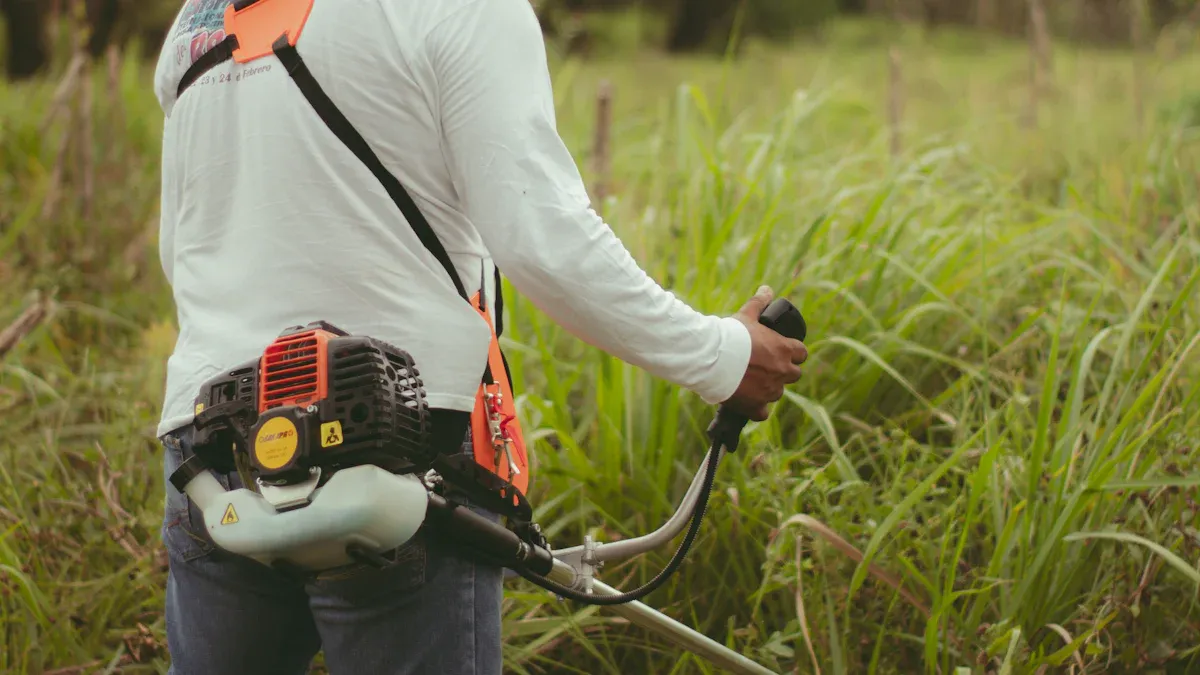
When operating a lawn mower, wearing protective gear is essential. This gear helps shield you from potential injuries caused by flying debris, loud noises, and other hazards. Here are some key items you should consider:
Essential Safety Equipment
To ensure your safety while mowing, always wear the correct attire. Here’s a list of essential safety equipment recommended by lawn mower manufacturers:
Steel-Toe Boots: These boots meet ANSI standards and protect your feet from heavy objects.
Hearing Protection: Use noise-cancelling earmuffs to guard against loud mower noise. Most lawn mowers operate at around 90 dB, which exceeds the safe threshold of 70 dB. Effective ear protection should have a Noise Reduction Rating (NRR) of 20 or more.
Eye Shields: Polycarbonate shields protect your eyes from flying debris.
Proper Clothing: Long sleeves and snug fabric help shield your skin from cuts and abrasions.
Non-Slip Gloves: These gloves provide a better grip and protect your hands from injuries.
Regularly check your safety gear to avoid accidents. Replace any worn or damaged equipment to reduce the chances of injury.
Clothing Considerations
Your choice of clothing plays a significant role in your safety while mowing. Here are some important clothing tips:
Wear Long Pants and Long-Sleeved Shirts: These items protect against flying debris and potential cuts.
Choose Closed-Toe, Sturdy Shoes: Opt for shoes made of thick material like leather. Avoid sandals or open-toed shoes, as they do not provide adequate protection.
Avoid Loose-Fitting Clothes: Loose clothing can get caught in mower blades, leading to serious injuries.
Statistics show that nearly 210,000 people receive treatment for lawn mower-related injuries each year. Many of these injuries could be prevented with proper protective gear and clothing. By taking these precautions, you can significantly reduce your risk of injury while mowing your lawn.
Surveying the Lawn
Before you start mowing, take a moment to survey your lawn. This step is crucial for ensuring a safe and efficient mowing experience.
Clear Debris
Always clear debris from your lawn before mowing. This practice helps you avoid accidents and ensures a clean mowing experience. Here are some tips to help you:
Inspect the area to be mowed: Walk through your lawn and look for any obstacles.
Remove sticks and stones: These items can become dangerous projectiles when the mower is in operation.
Check for animal droppings: These can pose health risks and should be removed immediately.
Look for toys or tools: Ensure that nothing is left behind that could interfere with the mower.
Make it a habit to check your lawn before mowing, even if you think it looks clear.
Identify Hazards
Identifying potential hazards is just as important as clearing debris. Here are some common hazards you might find:
Mosquitoes: They thrive in healthy grass and can breed in moist areas.
Mushrooms: Some can be toxic and often grow in overwatered lawns.
Fleas: They hide in moist areas and can transmit diseases.
Rodent holes: These create tripping hazards and indicate animal activity.
By taking the time to survey your lawn, you can significantly reduce the risk of accidents while mowing. Always prioritize safety to enjoy a smooth mowing experience.
Keep Kids and Pets at a Safe Distance
When you operate a lawn mower, keeping kids and pets at a safe distance is crucial. This practice helps prevent accidents and injuries. Establishing a safe zone around your mowing area can significantly reduce risks.
Establish a Safe Zone
To create a safe environment, follow these guidelines:
Keep kids and pets indoors while mowing. This ensures they stay away from the mower’s path.
Designate a clear area around the mower. Mark this zone with cones or flags to remind everyone to stay back.
Never allow children near the mower when it is in use. They should not walk alongside, in front of, or behind a moving mower.
By taking these steps, you can minimize the chances of accidents involving children and pets.
Communicate Safety Rules
Make sure everyone understands the safety rules. Here are some effective ways to communicate:
Discuss the importance of safety with your children. Explain why they must stay away from the mower.
Set clear boundaries for where they can play during mowing. Ensure they know not to cross these lines.
Keep track of the kids while mowing. Always have an adult supervise them to ensure they follow the rules.
By establishing a safe zone and communicating safety rules, you can create a safer mowing experience for everyone involved. Remember, safety is a shared responsibility.
Lawn Mower Safety Tips
Operating a lawn mower safely requires you to follow specific practices. These practices help prevent accidents and injuries. Here are some essential safety tips to keep in mind:
Safe Operation Practices
Understand Your Equipment: Familiarize yourself with your mower’s manual. Knowing its capabilities and safety features is crucial for safe operation.
Wear Protective Gear: Always wear sturdy shoes, long pants, and safety glasses. This gear protects you from potential injuries caused by flying debris.
Check Your Lawn Before Mowing: Inspect the area for loose objects that could be hazardous. Remove any sticks, stones, or toys that might become dangerous projectiles.
Keep Kids and Pets at a Safe Distance: Ensure children and pets are indoors or far away from the mowing area. This precaution helps prevent accidents.
Don’t Remove Safety Features: Always keep the mower’s safety features intact. Disabling these features increases the risk of accidents.
Tip: Avoid unsafe operation practices like riding with a child in your lap or mowing in flip-flops. These actions can lead to severe injuries.
Maintenance for Safety
Regular lawn mower maintenance is vital for ensuring safety and extending the life of your equipment. Here are some critical maintenance tasks to perform:
Inspect the Mower: Before each use, check for loose parts and potential damage. Focus on the motor, spark plug, blades, and safety devices.
Check for Fluid Leaks: Look for any leaks and clean debris buildup. Repair any leaks before using the mower.
Prepare the Mowing Area: Remove excess debris and ensure a safe distance for people and animals. This step minimizes risks during operation.
Follow Manufacturer Instructions: Always maintain your mower according to the manufacturer’s guidelines. Keeping safety features in place is essential for safe operation.
Regular maintenance enhances performance and ensures user safety by minimizing the risk of accidents due to malfunctioning tools. By following these safety tips and maintenance practices, you can enjoy a safer mowing experience.
In summary, prioritize safety when operating a lawn mower. Always wear proper safety gear, check your lawn for hazards, and keep children and pets at a safe distance. Regular maintenance and awareness of your surroundings can prevent accidents. By following these practices, you can enjoy a safer mowing experience. 🌱
FAQ
What should I do if my lawn mower won’t start?
Check the fuel level, battery charge, and spark plug. Ensure the safety features are engaged before attempting to start the mower.
How often should I maintain my lawn mower?
Perform maintenance at least once a season. Regular checks on blades, oil, and filters keep your mower running safely and efficiently.
Can I mow wet grass?
Avoid mowing wet grass. It can lead to uneven cuts, clumping, and increased risk of slipping or losing control of the mower.
