

Choosing the right lawn mower significantly impacts your yard care experience, especially when considering the debate of gas vs electric options. You must evaluate your unique needs and preferences. Key factors include performance, cost, and maintenance. Electric mowers have gained popularity due to their environmental benefits. For instance, they produce zero emissions during operation, improving air quality. Additionally, electric models are often quieter, up to 20 decibels less than gas mowers, making them a better choice for noise-sensitive neighborhoods. By opting for electric mowers in the gas vs electric discussion, you contribute to reducing pollution and enjoy easier maintenance with fewer parts to replace.
Key Takeaways
Electric mowers produce zero emissions, making them a cleaner choice for the environment.
Gas mowers offer more power and longer runtimes, ideal for larger yards with thick grass.
Electric mowers require less maintenance, saving you time and money in the long run.
Consider your yard size and noise sensitivity when choosing between gas and electric mowers.
Switching to electric mowers can lead to significant savings on fuel and maintenance costs.
Performance: Gas vs Electric
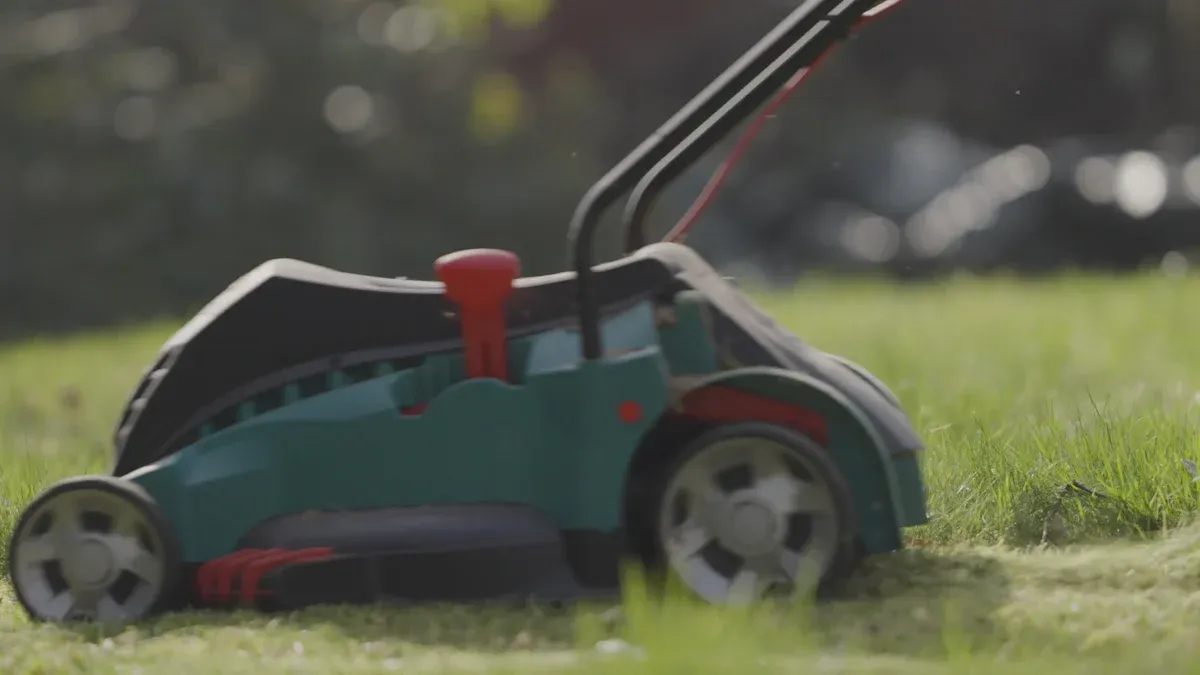
Power and Cutting Ability
When you compare the power and cutting ability of gas vs electric lawn mowers, gas mowers generally hold the upper hand. They typically have higher horsepower ratings, which translates to more cutting power. For instance, gas mowers usually exceed 2.5 horsepower, making them suitable for tackling thick grass and uneven terrain. In contrast, electric mowers, depending on their voltage, range from 1.0 to 3.0 horsepower. Here’s a quick look at the horsepower ratings:
Mower Type | Horsepower Rating |
|---|---|
40V Electric Mower | 1.0 to 1.5 hp |
56/60V Electric Mower | 2.0 to 2.5 hp |
80V Electric Mower | Up to 3 hp (estimated) |
120V Plug-In Electric Mower | About 1.5 hp (net) |
Gas Mowers | Generally higher than 2.5 hp |
Independent tests show that while gas mowers have been favored for their cutting power, advancements in battery technology have improved electric mowers significantly. Models like the Ego Power+ LM2135SP can handle large yards effectively, comparable to gas models such as the Toro SmartStow Personal Pace Auto-Drive 21465. This means you can achieve a clean cut with either option, depending on your yard’s needs.
Runtime and Battery Life
Runtime is another crucial factor when considering gas vs electric lawn mowers. Gas mowers can run for 1 to 5 hours on a single tank of fuel, allowing you to cover large areas without interruption. On the other hand, battery-powered electric mowers typically offer 20 to 50 minutes of runtime per charge. Here’s a comparison of average runtimes:
Type of Mower | Average Runtime |
|---|---|
Battery-Powered Mowers | 20 to 50 minutes per charge |
Gas Mowers | 1 to 5 hours per tank of fuel |
If you have a smaller yard, the runtime of electric mowers may suffice. However, for larger properties, gas mowers provide the advantage of extended operation without the need for frequent recharging.
Noise Levels
Noise levels also play a significant role in your decision. Gas mowers produce noise levels ranging from 85 to 100 decibels, which can be disruptive, especially in residential areas. In contrast, electric mowers operate at much lower noise levels, typically between 56 to 80 decibels. This difference can make a significant impact on your mowing experience and your neighbors’ comfort. Here’s a quick comparison:
Lawn Mower Type | Noise Level (dB) |
|---|---|
Gas-Powered Lawn Mowers | 85 to 100 |
Electric Lawn Mowers | 56 to 80 |
Many municipalities have enacted noise regulations that limit the operation of gas lawn mowers. This has led to a notable increase in the adoption of electric mowers. Over 200 of the largest U.S. metro areas have implemented noise bans that restrict the use of loud equipment, including gas-powered mowers. Users often report that electric mowers are easier to use and do not produce the noise and emissions associated with gas mowers.
Cost: Gas Lawn Mower vs Electric
Initial Purchase Price
When considering the initial purchase price, you will find that gas lawn mowers generally cost less than their electric counterparts. On average, electric lawn mowers are reported to be 20-30% more expensive than gas mowers. This price difference can influence your decision, especially if you are on a tight budget. Here’s a quick comparison of typical prices:
Gas Lawn Mowers: Typically range from $200 to $500.
Electric Lawn Mowers: Usually range from $300 to $700.
Long-term Costs
Long-term costs play a significant role in the overall cost of operation for both types of mowers. While gas mowers may have a lower initial price, they can become more expensive over time due to fuel and maintenance expenses. Here’s a breakdown of typical annual costs:
Electric Mowers:
Running costs are less than $10 to $15 per year.
They do not incur costs for fuel or regular maintenance like oil changes.
Gas Mowers:
Cost approximately $1.50 per mow, totaling around $31.50 for 20 mows a year.
Owners typically spend around $600 on fuel over five years, mowing about 30 times each season.
Maintenance costs, including oil changes and spark plugs, can range from $25 to $50 yearly.
In contrast, electric mowers only require about $3.50 for electricity per year. This significant difference in operational costs can lead to substantial savings over time. Consumers can save approximately $380 in gas and maintenance costs over five years by switching to electric mowers.
Resale Value
Resale value is another important factor to consider when evaluating the cost of gas vs electric lawn mowers. Generally, gas mowers tend to have a higher resale value due to their established market presence. However, as electric mowers gain popularity and government incentives encourage their adoption, their resale value may improve. Many regions are implementing incentive programs that offer rebates for consumers switching to electric lawn mowers. This financial appeal can influence your purchasing decision, making electric mowers more attractive in the long run.
Aspect | Electric Lawn Mowers | Gas Lawn Mowers |
|---|---|---|
Upfront Cost | Higher | Lower |
Maintenance Costs | Lower | Higher |
Fuel Expenses | Lower | Higher |
Long-Term ROI | Attractive | Less Attractive |
Maintenance Differences: Electric vs Gas Lawn Mower
Maintenance Needs
When it comes to maintenance, gas mowers require significantly more attention than electric mowers. You need to perform several tasks regularly to keep gas mowers running smoothly. Here’s a quick overview of common maintenance tasks for both types:
Type of Mower | Common Maintenance Tasks |
|---|---|
Gas Mowers | – Change oil every 25-50 hours or at least once per season. |
– Use fuel stabilizer to prevent fuel breakdown during storage. | |
– Check and replace spark plugs annually for reliable starts. | |
– Replace air and fuel filters as needed for optimal performance. | |
Electric Mowers | – Regularly inspect cords and connections for damage. |
– Keep the battery clean and charged, storing it indoors when not in use. | |
– Avoid exposure to moisture to protect internal electronics and battery life. |
Common Repairs
Gas mowers often face more frequent repairs than electric mowers. Here are some common issues you might encounter with gas mowers:
Check the Fuel and Oil: Issues with fuel or oil are common reasons for gas mowers not starting. Old or contaminated fuel can lead to engine failure.
Inspect the Spark Plug: A faulty spark plug can cause starting issues or misfires. Regular inspection and replacement are recommended.
Clean the Air Filter: Clogged air filters can restrict airflow, leading to poor performance. Regular cleaning or replacement is necessary.
Examine the Blades: Dull or damaged blades can result in uneven cuts. Regular inspection and sharpening or replacement are essential.
In contrast, electric mowers generally have fewer moving parts, leading to lower repair costs. You can expect to spend around $20-$30 annually on maintenance for electric mowers, while gas mowers can cost you $120-$150 each year.
Environmental Impact
The environmental impact of gas mowers is significant. Gas-powered lawn mowers emit pollutants similar to those from cars, which can harm air quality. In fact, running a gas mower for one hour generates emissions equivalent to driving a car for 350 miles. On the other hand, electric mowers produce zero direct emissions, making them a cleaner alternative.
Switching to electric mowers can lead to substantial public health benefits. According to experts, replacing a commercial gas mower with an electric one could reduce CO2 emissions by approximately 31,680 to 42,240 lbs. This reduction highlights the advantages of electric lawn mowers in promoting a healthier environment.
Choosing between gas and electric lawn mowers involves weighing several factors. Here are the key differences:
Electric Mowers:
Clean and emission-free operation.
Quiet performance under 75 decibels.
Minimal maintenance requirements.
Lower long-term costs due to reduced energy and maintenance expenses.
Gas Mowers:
Powerful cutting strength suitable for thick grass.
Unlimited runtime as long as fuel is available.
Higher maintenance needs and ongoing costs from fuel.
Consider your specific needs, budget, and environmental concerns when making your decision. The best choice varies based on your circumstances and preferences. 🌱
FAQ
What is the main difference between gas and electric lawn mowers?
Gas mowers use gasoline for power, while electric mowers run on electricity. Gas mowers typically offer more power and longer runtimes, but electric mowers are quieter, cleaner, and require less maintenance.
How often should I maintain my gas lawn mower?
You should perform maintenance on your gas mower every 25-50 hours of use. This includes changing the oil, checking the spark plug, and cleaning or replacing air filters to ensure optimal performance.
Can electric mowers handle thick grass?
Yes, many modern electric mowers can handle thick grass effectively. Look for models with higher voltage ratings or brushless motors for better cutting power. Always check the specifications before purchasing.
Are electric lawn mowers more environmentally friendly?
Yes, electric mowers produce zero emissions during operation, making them a cleaner choice. They help reduce air pollution and contribute to a healthier environment compared to gas mowers.
How long does the battery last on an electric mower?
Battery life varies by model, but most electric mowers provide 20 to 50 minutes of runtime per charge. Consider your yard size to determine if this is sufficient for your needs.
