
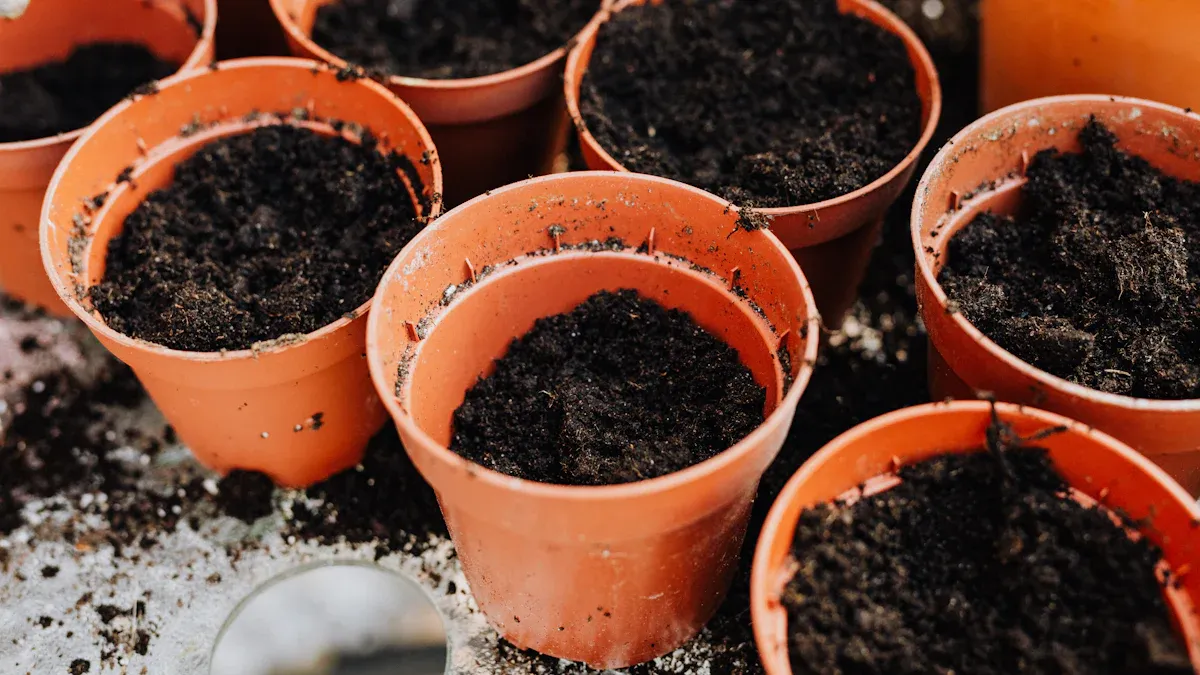
Container gardening offers a fantastic way for urban gardeners to cultivate plants in limited spaces. You can place pots on balconies, rooftops, or patios, making it easy to grow your own food and enhance your green space. This method not only saves money but also improves air quality and supports local biodiversity. To ensure your plants thrive, selecting the right pots, soil, and watering techniques is crucial.
Best Pots for Container Gardening
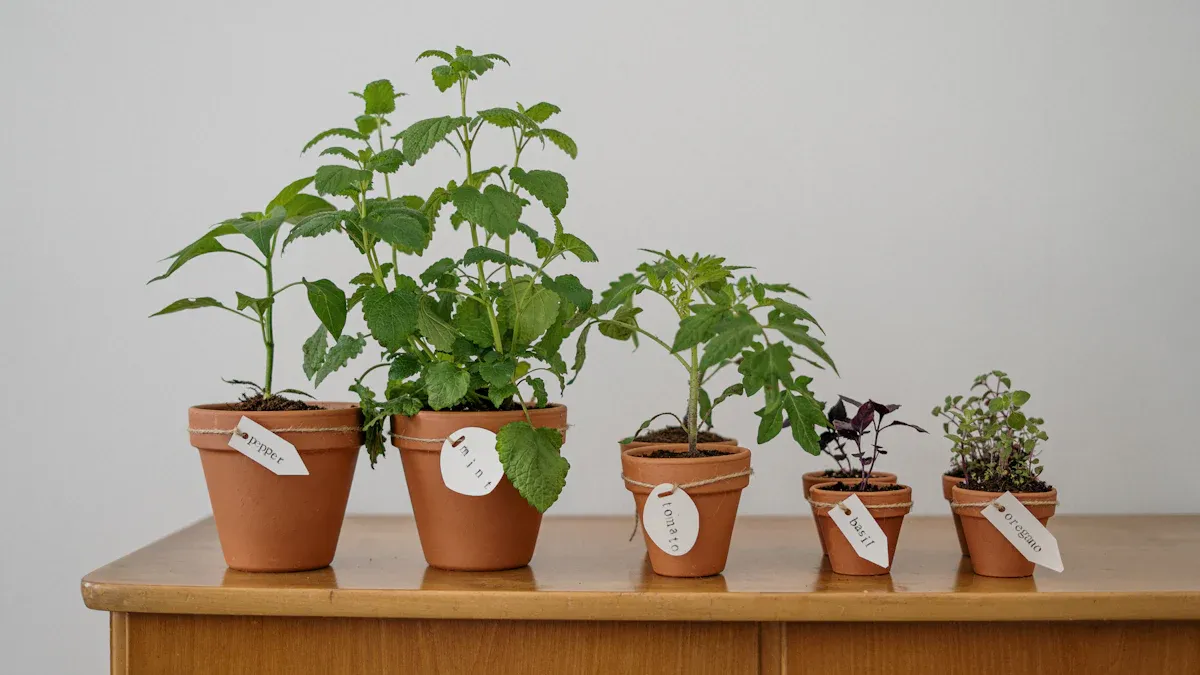
When it comes to container gardening, the pots you choose play a vital role in your plants’ health and growth. Let’s dive into the different materials available and why size and drainage matter.
Material Choices
You have a variety of materials to choose from when selecting pots for your container garden. Each material has its own set of advantages and disadvantages. Here’s a quick overview:
Material | Advantages | Disadvantages |
|---|---|---|
Cast-iron | Durable, lasts nearly forever, heavy (good for windy areas) | Heavy, difficult to move, not ideal for decks or balconies |
Sheet metal | Lightweight, easy to move, resistant to extreme temperatures | Heats up quickly, can dry out soil, dents easily, may rust |
Glazed ceramic | Colorful, durable, retains moisture | Expensive, can crack, loses color over time |
Cast-stone | Strong, heavy, holds moisture better than clay | Heavy, not easy to rearrange, needs protection in extreme cold |
Plastic | Lightweight, strong, retains moisture, affordable | Not favored by gardening enthusiasts, may look less authentic |
Metal | Versatile, ornamental, handles winter well | Can get hot in summer, may rust, longevity varies by thickness |
Terra-cotta | Porous, durable, suitable for various garden styles | Wicks moisture away, can crack in freezing temperatures |
Glazed containers | More durable than plain terra-cotta, holds moisture better | Can be heavy, may chip or crack in freezing temperatures |
Choosing the right material affects not just the aesthetics of your garden but also the health of your plants. For instance, fabric containers allow for better air movement, which is essential for healthy root development. On the other hand, clay pots dry out faster than plastic or glazed pots, so you’ll need to water them more frequently.
Size and Drainage
The size of your pots is just as important as the material. Using the right size ensures your plants have enough room to grow. Here’s a quick guide for common container plants:
Container Size | Description |
|---|---|
Minimum | 5-gallon containers (about 12 inches wide and deep) for compact, patio, or cherry tomato varieties |
Better | 10-gallon containers for medium-sized plants |
Ideal | 15–20+ gallon containers or pots with an 18–24 inch diameter, especially for indeterminate tomatoes |
Proper drainage is crucial for your plants’ health. Without it, excess water can pool at the bottom of the pot, leading to root rot and other issues. Here are some key points about drainage:
Proper drainage prevents root-bound plants.
It allows roots to access oxygen, which is essential for their health.
Excess moisture needs to escape; without drainage, water saturates the soil, depriving roots of air.
When you choose pots, make sure they have drainage holes. This simple feature can save your plants from drowning and help them thrive. Remember, over-saturated soil can drown plants and encourage diseases.
By selecting the right pots with appropriate size and drainage, you set your container garden up for success. Happy gardening!
Soil Types for Container Gardening
When it comes to container gardening, the type of soil you use can make a big difference in your plants’ health. Let’s explore the differences between potting mix and garden soil, and how you can enhance your soil with nutrient additives.
Potting Mix vs. Garden Soil
You might wonder why potting mix is often recommended over garden soil for container gardening. Here’s a quick comparison to help you understand:
Aspect | Garden Soil | Potting Soil |
|---|---|---|
Components | Enriched topsoil and organic matter like decayed plant matter and manure | Soil and additives like peat moss, pH balancing agents, chemical fertilizers |
Properties | Coarse and heavy with good moisture retention | Dense and heavy with enhanced soil texture |
Soil Organisms | Naturally contains beneficial and harmful soil microbes | May contain added beneficial soil microbes |
Applications | Suitable for landscaping and garden beds | Designed for container gardening and outdoor plants |
Potting mixes are specifically engineered for container gardening. They promote essential factors like drainage, aeration, and moisture retention, which are vital for healthy root development. On the other hand, garden soil can be dense, leading to compaction. Poor drainage can harm root health, and limited aeration negatively affects plant growth.
Experts agree that using potting mix helps your plants thrive. It provides excellent drainage, preventing waterlogging, while garden soil often leads to compaction and poor drainage. This can suffocate roots and hinder their growth.
Nutrient Additives
To give your plants the best chance at thriving, consider adding nutrients to your potting mix. Here are some effective options:
Type of Fertilizer | Advantages | Limitations |
|---|---|---|
Organic | Improves soil structure, feeds the soil, safer for long-term use, supports plant resilience | Slow nutrient release, inconsistent nutrient content, higher quantities needed |
Synthetic | Immediate results, precision and control, ease of use | Soil health isn’t improved, higher risk of burn or imbalance, environmental concerns |
Organic fertilizers improve soil structure and microbial activity, which is great for long-term health. However, they release nutrients slowly. Synthetic fertilizers provide quick results but can harm soil health over time.
The ideal pH for container gardening soil typically falls between 6.0 and 7.0, which is slightly acidic to neutral. Some plants, like blueberries, prefer more acidic soil, while others, like asparagus, thrive in alkaline conditions. Keeping an eye on pH levels helps ensure your plants get the nutrients they need.
Watering Techniques for Container Plants
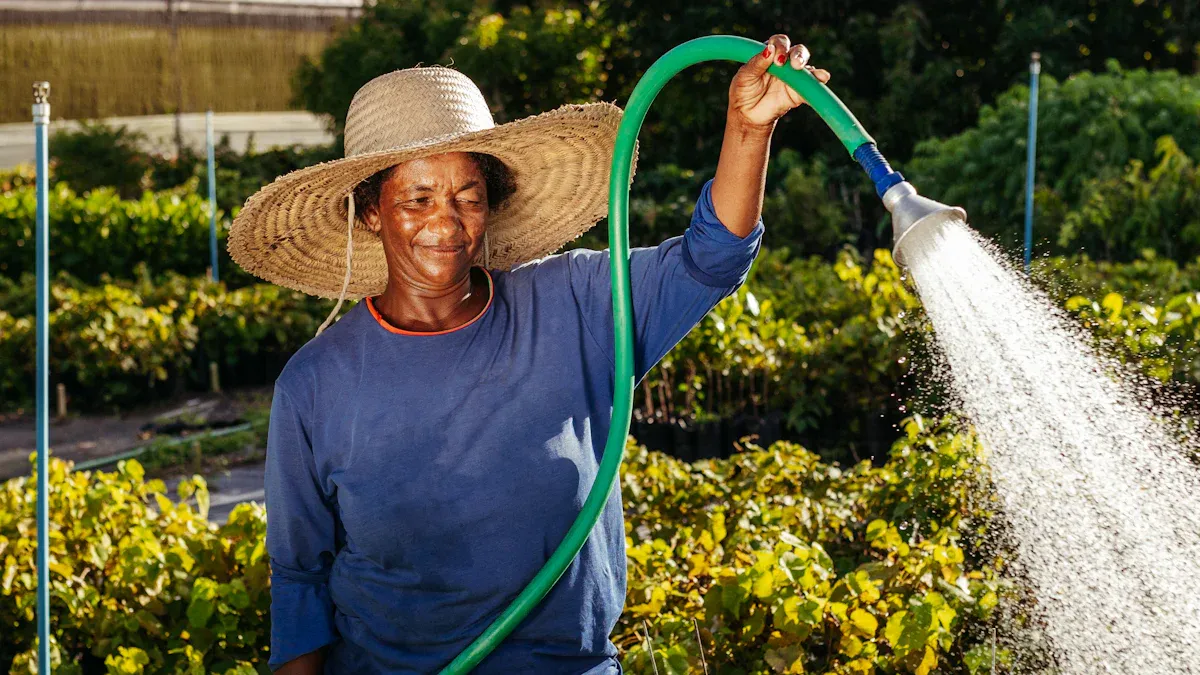
Watering your container plants correctly is essential for their health. Let’s explore how often to water and the best methods to ensure your plants thrive.
Watering Frequency
The frequency of watering depends on several factors. Consider the following:
Plant size: Larger plants need more water.
Species: Some plants require more moisture than others.
Growing conditions: Hot, dry weather means more frequent watering.
Container type and size: Smaller pots dry out faster than larger ones.
Soil type: Well-draining soil may need more frequent watering.
In desert climates, like Arizona, you might need to water your container plants 2-3 times a day. During cooler, wet weeks, reduce watering, especially if rain is expected. Aim to water in the early morning or late evening to minimize evaporation. Newly planted annuals need consistent moisture to establish roots, while larger plants with big leaves may require more frequent watering.
Methods and Signs
Using the right watering methods can make a big difference. Here are some effective tips:
Use self-watering pots for consistent moisture.
Choose the right pot material; unglazed pots dry out faster than glazed ones.
Check soil moisture with the finger test before watering.
Water thoroughly to ensure deep soil penetration.
Watch for signs of over or under-watering. Here are some common indicators:
Over-watering: Yellowing leaves, mushy stems, and drooping leaves despite wet soil.
Under-watering: Wilting leaves, yellowing, and dry soil.
By paying attention to these signs and adjusting your watering routine, you can keep your container plants healthy and thriving.
Container Garden Ideas
Creating a container garden can be a fun and rewarding experience. You can express your creativity while maximizing your space. Let’s explore some innovative container garden ideas and the best plants for pots.
Creative Designs
When it comes to container gardening, think outside the box! Here are some creative designs that can help you make the most of your space:
Vertical Gardening: Use hanging baskets, wall-mounted planters, or tiered plant stands. This method saves floor space while allowing you to grow trailing plants like ivy or strawberries.
Self-Watering Containers: These pots have built-in reservoirs. They’re perfect for busy individuals or those living in hot climates. You won’t have to worry about your plants drying out!
Mix and Match: Combine different sizes, shapes, and colors of containers. This approach enhances the visual appeal of your garden and adds a personal touch.
Remember, vertical gardens allow for more crops in a smaller area. They also improve airflow around plants, reducing the risk of disease and pests.
Best Plants for Pots
Choosing the right plants is crucial for a successful container garden. Here are some of the best plants for pots, along with their care requirements:
Vegetable Variety | Care Requirements |
|---|---|
Dwarf Tomatoes | At least five gallons of nutrient-rich soil; optional trellising recommended. |
Cherry Tomatoes | Full sun; more tolerant of dry conditions; less susceptible to blossom end rot. |
Peppers | Light and loamy soil; full sun (at least 6 hours); average watering needs. |
Eggplant | Well-drained soil; full sun; loves heat. |
Beans | Well-drained soil; full sun; pole beans need support. |
Cucumbers | Full sun; rich, well-drained soil; plenty of water; trellis recommended. |
Lettuce | Partial sun; loose soil; easy to grow in containers. |
Potatoes | Full sun; well-drained soil; deep container needed. |
Radishes | Loose soil; full sun; easy to grow. |
When selecting plants, consider their sunlight and water needs. For example, herbs like parsley and rosemary thrive in similar conditions. Mixing long-blooming flowers with foliage can also provide seasonal interest.
Growing edible plants alongside ornamental ones is a great way to enhance your garden. For instance, Swiss chard pairs beautifully with snapdragons or pansies, offering both aesthetic appeal and practical benefits.
By exploring these container garden ideas and choosing the best plants for pots, you can create a vibrant and productive garden that fits your lifestyle. Happy gardening!
Container gardening is a fantastic way to grow plants in limited spaces. Remember these key points:
Choose pots with proper drainage and size for your plants.
Use quality potting soil and enhance it with nutrients.
Water your plants thoroughly, especially when the top 1-2 inches of soil are dry.
By exploring container gardening, you can enjoy fresh produce, beautify your space, and boost your well-being.
